Xi’an Muslim Quarter: Savor Local Food Trails & Living Culture
When most people think of Xi’an, the first thing that comes to mind is the amazing Terracotta Warriors. But if you want to touch the city’s living soul, you have to go to the Xi’an Muslim Quarter (Hui Min Street). Here, you’ll find authentic Xi’an local food and vibrant street scenes that show the city’s living heritage. The Muslim Quarter isn’t just one street; it’s an entire district made up of several interconnecting lanes, including Beiyuanmen, Beiguangji Street, Xiyangshi, Dapiyuan, Huajue Lane, and Sajinqiao. Located near the Bell and Drum Tower, this famous area is a heaven for food lovers. More than that, it’s a living cultural corridor that holds the memories of the ancient Silk Road.
From being a settlement for Arab merchants in the Tang Dynasty to becoming a lively spot full of local flavor and Hui ethnic charm today, every blue brick and every aroma tells a story of cultural mixing. For anyone looking for a deep dive into Xi’an’s true character, this is a can’t-miss stop along your Xi’an food street tour.

More Than Just Local Food: The Culture of Xi’an Muslim Quarter
The roots of the Xi’an Muslim Quarter go back to the Tang Dynasty. As the Silk Road flourished, Arab and Persian merchants and envoys settled here, forming the Hui ethnic community. As you walk the streets today, you can clearly see the signs of this cultural fusion:
Architecture: East Meets Middle East
The traditional Chinese architecture—the gray bricks and carved wooden doors—subtly blends with Islamic geometric patterns. Nearby, the Great Mosque of Xi’an (one of the oldest mosques in China) perfectly combines the layout of a Chinese garden with Islamic domes and minarets. If you plan to visit, remember to dress modestly (covering shoulders and knees) and be quiet.

Handicrafts: Skills Passed Down
You’ll often see artisans crafting ox horn combs right on the street. They patiently polish the warm horn, with every line holding years of practice. Brightly colored embroidery stalls display vivid patterns of flowers and geometric designs. These aren’t just cheap souvenirs; they are living examples of skills passed down through generations.
A Lively Local Vibe
On weekends or during Hui festivals (like Eid al-Fitr), you might see traditional Hui song and dance performances. The lively drums, fluid steps, and brightly colored clothing need no translation—you’ll feel the passion and energy of the community instantly.
The Ultimate Local Food List: The “Taste of Xi’an”
The Xi’an Muslim Quarter is packed with nearly 300 different snacks. Don’t be overwhelmed! The following are the most iconic classics that locals and tourists agree you must try while exploring this famous Xi’an food street—a true highlight for anyone seeking authentic local food trails in the city.

| Food Name | Local Shop Name | Type | Price (Approx.) | Highlight & Texture |
|---|---|---|---|---|
| Plum Juice | Hua Nainai Suanmei Tang | Drink | ¥8 (per person) | Brewed with medicinal herbs; tangy, sweet, and incredibly refreshing. Perfect after spicy food. |
| Spicy Skewers | V. La Chuan Chuan | Skewers | ¥1-3 (per skewer) | Fresh, hearty meat (especially the beef). The spicy broth and dipping sauce are fantastic. |
| Roujiamo | Zilu Zhang Ji Roujiamo | Sandwich | ¥22 (per person) | The bun is crispy, and the meat is savory but not greasy. Very filling! |
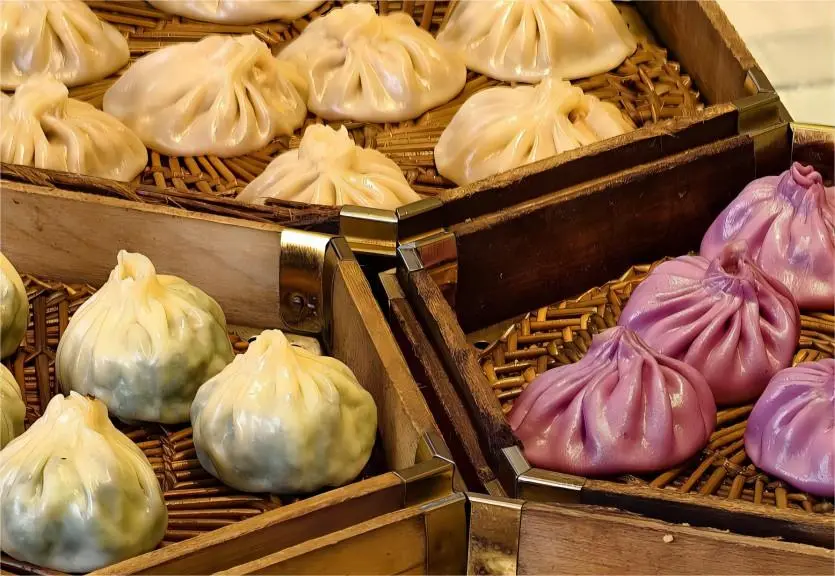
| Soup Dumplings | Jia San Tang Bao | Dumplings | ¥30 (per person) | Thin skin, juicy filling. They burst with flavorful soup. Dip them in chili vinegar. |
| Egg & Veggie Bun | Lao Jin Jia Dan Cai Jiamo | Sandwich | ¥10 | Rich layers of salted duck egg yolk, pickles, and peanut sauce. Great quick breakfast. |
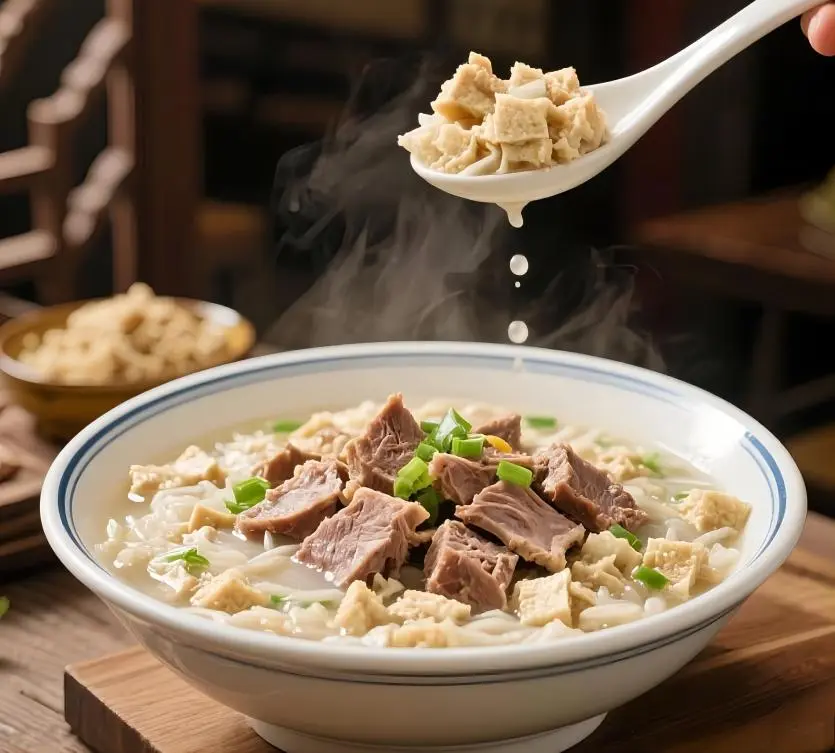
| Spicy Stir-fried Paomo | Ma Hong Xiaochao Paomo | Stew | ¥30 (per person) | A tangy and spicy stew with chili and tomato. The stir-fried lean beef is a must-try. |
| Steamed Dumplings | Zhiliang Tang Bao | Dumplings | ¥33 (per person) | Juicy beef dumplings with thin, chewy skin. Pair them with a sweet side like chilled hawthorn soup. |
Practical Tips: How to Explore Like a Local
- Best Time to Visit: We recommend going after 4:00 PM. The streets are quieter during the day, so you can peacefully shop for handicrafts or visit the mosque. After sunset, the lanterns turn on, all the stalls open, and the atmosphere doubles!
- Getting There: The subway is easiest! Take Metro Line 2 to Zhonglou (Bell Tower) Station, use Exit C, and walk north for 10–15 minutes. You’ll see the Bell Tower and can just follow the crowds.
- Essential Etiquette: This is a Hui community, so respect Islamic customs: Never mention or bring pork. Be quiet inside the mosque. Dress modestly when visiting the Great Mosque (no shorts or tank tops).
- Avoid the Traps: The main street is called Beiyuanmen, and it gets very crowded with tourists. To find older, more authentic local shops, duck into the side streets like Xiyangshi or Dapiyuan. The flavor is often better, and the prices are a bit lower. Sajinqiao lane is a locals’ favorite—bustling with authentic flavors and unbeatable prices. For travelers seeking true Xi’an tastes and a vibrant neighborhood vibe, this street is the ultimate must-visit.
- Shopping: For handicrafts like the ox horn combs or embroidery, it’s okay to gently bargain a little.
Why You Must Go
The magic of the Xi’an Muslim Quarter isn’t in a “hot spot” trend. It’s in the real-life scenes you’ll see: an older person sitting at a stall, slowly tearing their bread for a paomo stew; kids chasing their parents while holding colorful mirror cakes; and vendors with thick Xi’an accents smiling as they ask, “You want it spicy?”
The food is the vehicle, but the culture and the human connection are the soul that stays with you. For travelers seeking local food trails in Xi’an, this neighborhood is an essential stop.
Whether you’re biting into your first crispy roujiamo or drinking sour plum juice under the lanterns, you’ll understand this: Xi’an’s story isn’t just the solemn history of the Terracotta Warriors; it’s the vibrant, beating heart of Xi’an local food streets like the Xi’an Muslim Quarter (Hui Min Street).
💡 Related Reading: Xi’an Yongxing Fang: The China’s First “Intangible Cultural Heritage Food” Street