Yue Opera in Shanghai: The Poetic Charm of Jiangnan Across Time
As you stroll along Shanghai’s Bund, surrounded by a mosaic of architectural styles, have you ever noticed the traditional opera houses tucked away in quiet backstreets? Hidden within this modern metropolis flows an artistic lifeline that bridges a century of Jiangnan culture—Yue Opera (Yueju).
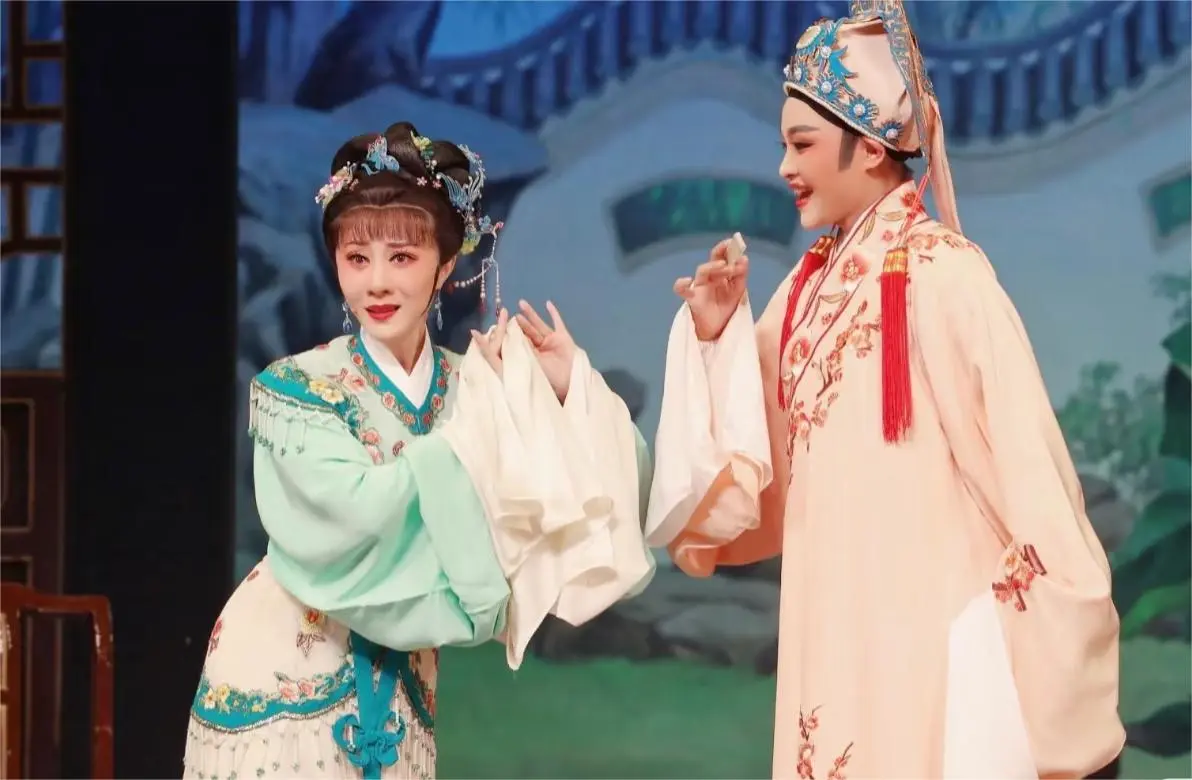
As China’s second-largest traditional opera, Yueju enchants audiences with gentle melodies, graceful gestures, and poetic storytelling. Rooted deeply in Jiangnan’s cultural soul, Yue Opera offers travelers an evocative way to understand Chinese heritage and Shanghai’s intangible cultural treasures. This guide will lead you through its history, classic masterpieces, and insider experiences—an unforgettable journey into the heart of Shanghai’s living art.
I. Yue Opera: A Century of Transformation from Water Town to World Stage
1. From Folk Tales to Urban Stages
The roots of Yue Opera trace back to the “Falling-to-the-Ground Singing and Storytelling” (luo di chang shu) tradition from Shengzhou, Zhejiang province. When it debuted in 1906, performers used bamboo clappers for rhythm and sang folk tales in local dialects.
In 1917, this rustic drama made its way into Shanghai, competing with Peking Opera and Huju Opera in entertainment venues like “Great World” and “New World.” Early male troupes struggled due to rough performances and simple costumes. Everything changed in 1923 with the rise of the all-female Shi Jia Ao Troupe, whose refined charm perfectly matched the elegant aesthetic of Jiangnan—ushering in the celebrated era of All-Female Yue Opera.
2. Artistic Revolution in the Modern Era
In 1942, master performer Yuan Xuefen led a revolutionary reform known as “New Yue Opera.” She introduced realistic set designs, standardized scores, and a director system, transforming folk narrative singing into a sophisticated dramatic art.
A landmark work of this period was Sister Xianglin, adapted from Lu Xun’s The True Story of Ah Q, breaking away from the typical “scholars and beauties” theme to portray social realism. The Shanghai Yue Opera House still preserves Yuan’s 1946 script—a cultural relic marking the birth of modern Chinese opera.
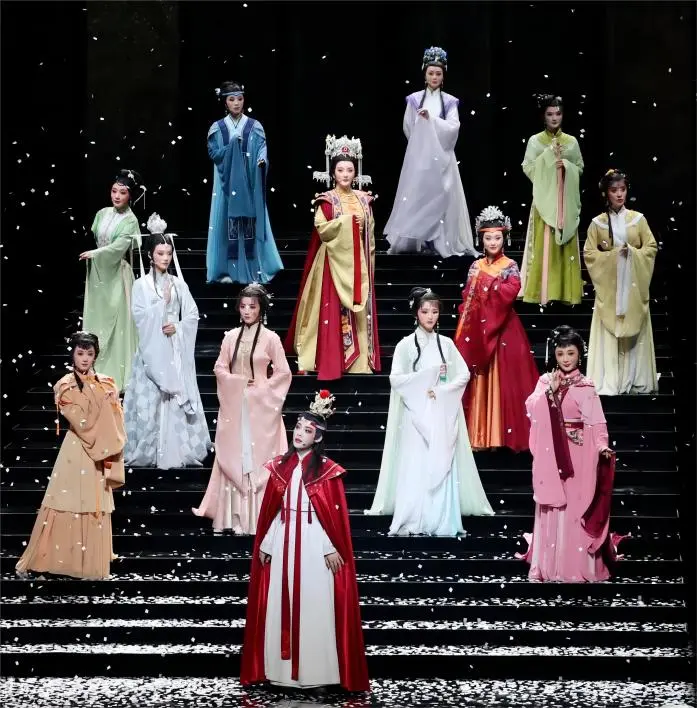
II. Four Timeless Classics: The Artistic Soul of Yue Opera
1. Dream of the Red Chamber: Jiangnan’s Tragic Love Story
Xu Yulan (as Jia Baoyu) and Wang Wenjuan (as Lin Daiyu) brought Cao Xueqin’s literary masterpiece to life. In the 1962 film version, Wang’s delicate “Mourning” scene—her ethereal voice fading with emotion—became a defining moment in Yue Opera’s history.
2. The Butterfly Lovers (Liang Shanbo and Zhu Yingtai): Love Beyond Life
Fan Ruijuan’s innovative “String-Beneath-Melody” style and Fu Quanxiang’s “true-and-falsetto blending” perfectly capture the bittersweet romance of Liang and Zhu. In the 1953 color film, the fan choreography in “Eighteen Miles of Farewells” and the water sleeve dance in “Tower Rendezvous” embody Yue Opera’s essence—using movement and objects to express emotion.
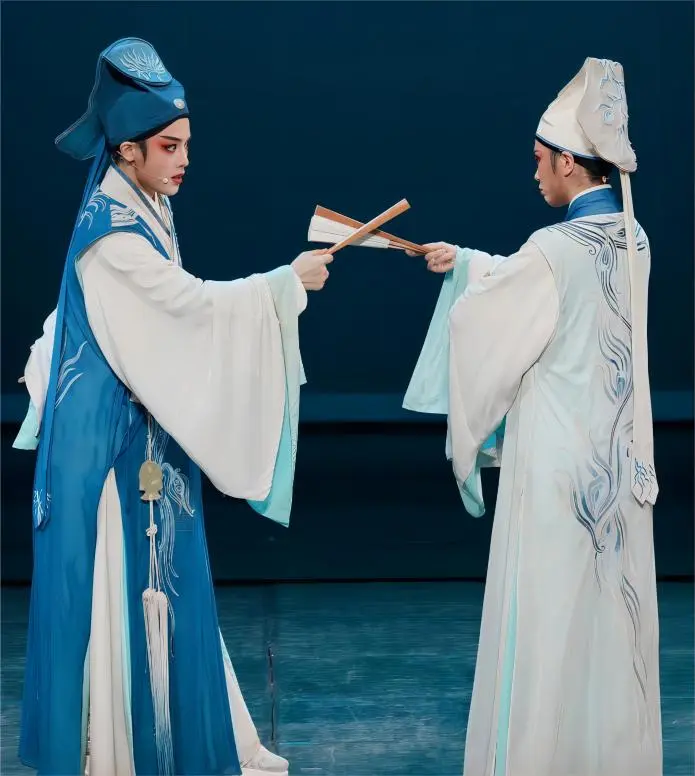
3. The Romance of the Western Chamber: Poetry Meets Stagecraft
Adapted from Wang Shifu’s Yuan-era classic Zaju, the Yue Opera version is famed for its “Poetic Drama” style. Yuan Xuefen’s long-aria, short-rhythm technique makes Cui Yingying’s monologue flow like brushstrokes in a painting.
In the 2023 revival at the Shanghai Tianchan Yifu Stage, young actors used projection mapping to reimagine the “Listening to the Zither under the Moonlight” scene—an elegant fusion of tradition and technology.
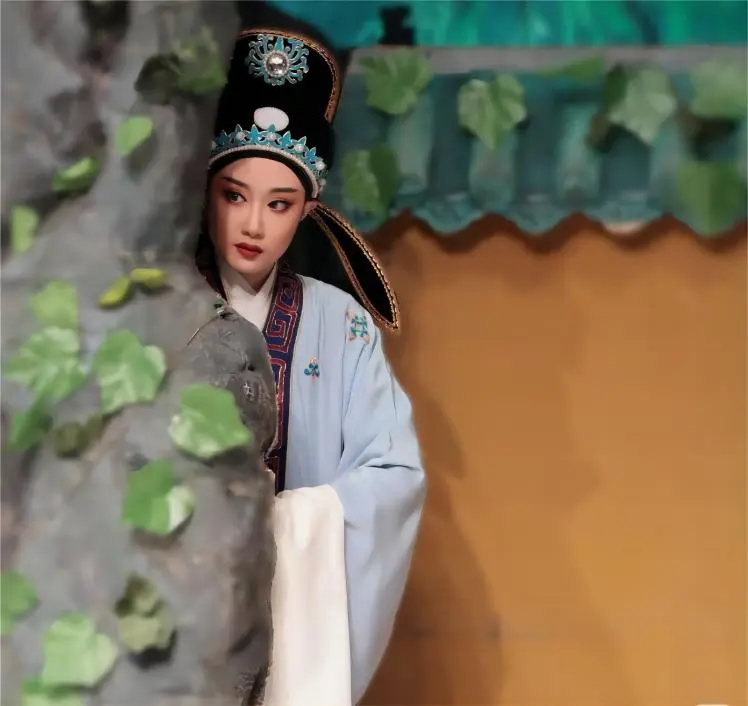
4. Sister Xianglin: Realism in the Opera World
This groundbreaking piece pioneered modern realism in Yue Opera. Fang Yafen’s portrayal of Sister Xianglin, particularly in the “Questioning Heaven” scene, transitions from deep sorrow to raw despair, capturing the emotional struggle of the lower class with haunting beauty.

III. Immersive Experience Guide: Be a Yue Opera Insider for a Day
1. Must-Visit Cultural Landmarks
- Shanghai Wanping Theatre – Home to the 2025 “Intangible Heritage Opera Charm Garden Party,” where visitors can try on costumes, learn water sleeve choreography, and explore interactive exhibitions.
- Shanghai Peking Opera Center for Traditional Study – The Unpacking the Artistry exhibition showcases century-old costumes and music scores. Scan a QR code to hear archival recordings of Yue Opera masters.
- Huangpu District Intangible Heritage Exhibition Hall – Experience AR-powered performances and virtually share the stage with celebrated Yue Opera artists.
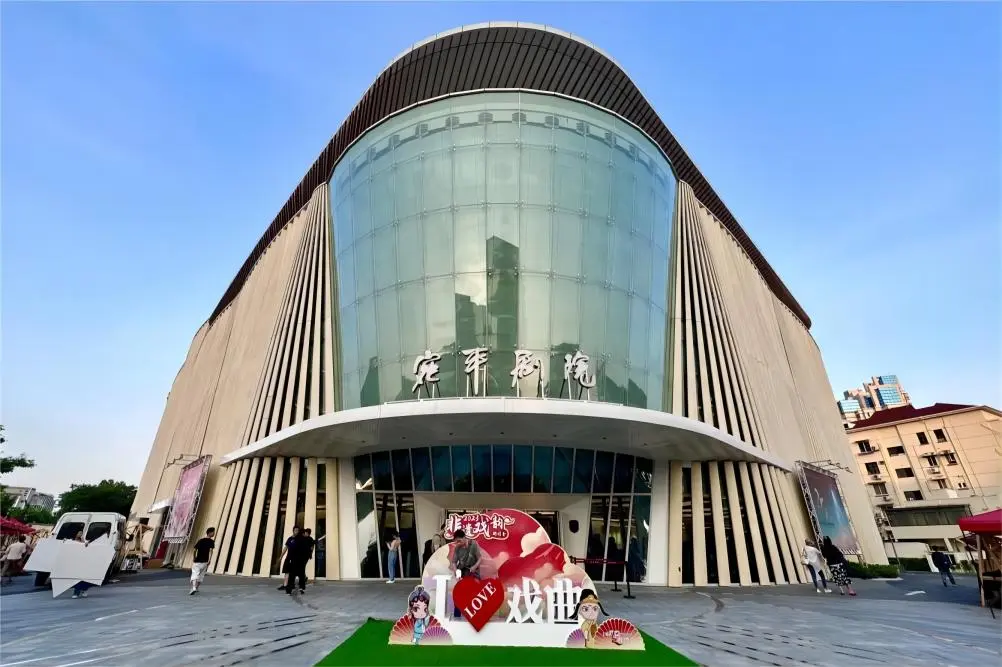
2. In-Depth Experience Recommendations
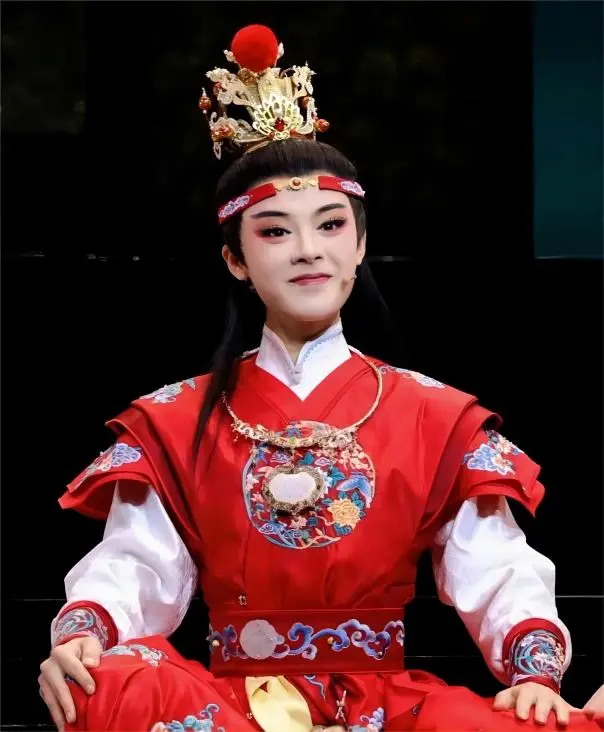
- Makeup & Costume Experience: At the “Opera Dressing Table” in Wanping Theatre, makeup artists create the signature willow-leaf eyebrows and classical hairstyles for photoshoots in embroidered peony costumes.
- Salon Lectures: Every Saturday, the Opera Salon hosts discussions by Shanghai Yue Opera House actors, who dissect Dream of the Red Chamber’s vocal design and demonstrate Daiyu’s iconic “Burying Flowers” pose.
- Digital Interaction: Through the “Opera Cloud Tour” mini-program, visitors can unlock hidden storylines—like an alternate ending where Liang and Zhu reunite in happiness.
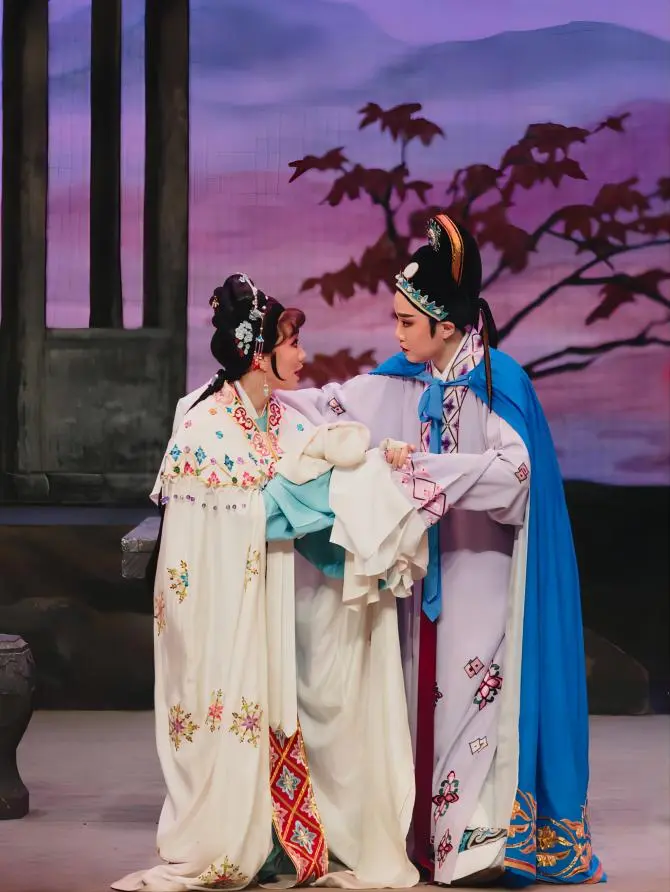
IV. Yue Opera: A Timeless Dialogue Between Tradition and Modernity
When you see performers draw graceful arcs with their water sleeves on the Wanping Theatre stage, imagine the pioneers who once sang on makeshift wooden platforms a century ago. From the rivers of Shengzhou to Shanghai’s glittering skyline, Yue Opera continues its century-long evolution—remaining faithful to its emotional core while embracing modern innovation.
As Yuan Xuefen once said, “Opera is performed for people—it must keep pace with the times.” This openness and adaptability are what make Yue Opera a living heritage that transcends language and culture.
So next time you hear the familiar melody “Sister Lin has descended from heaven,” step into a theater and let this flower of Jiangnan artistry bloom anew in your heart.
Discover more in our Shanghai Tourist Attractions Collection and China Cultural Heritage Tours Collection to plan your journey.