Yunju Temple Beijing: Millennial Stone Sutras & Spiritual Blessings
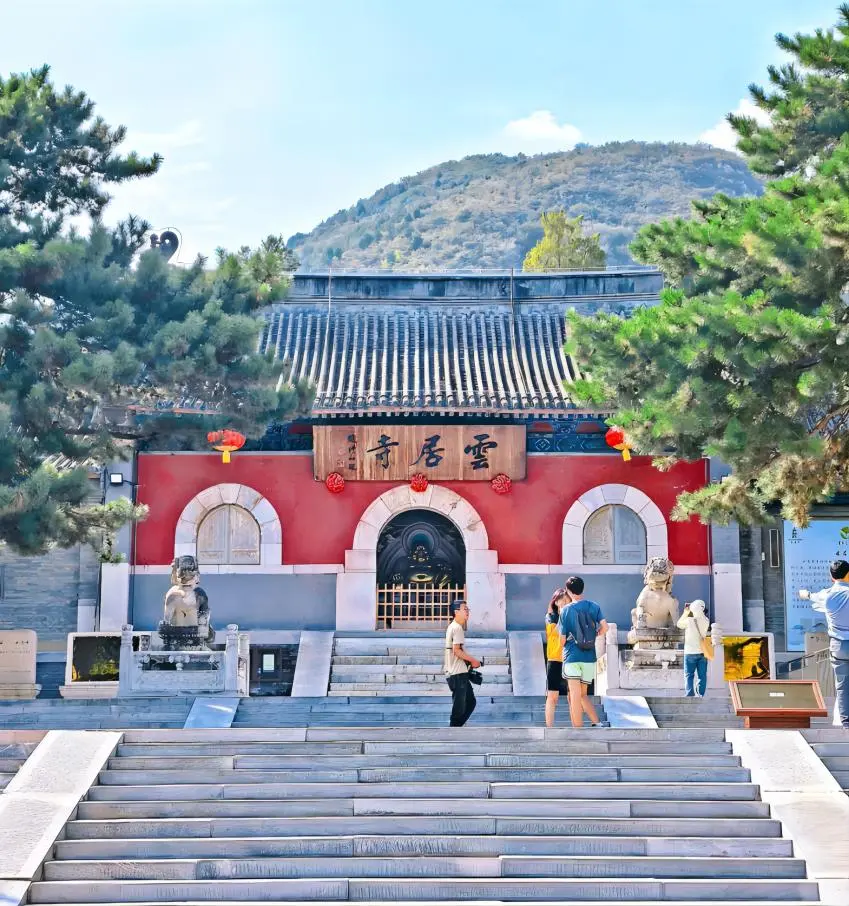
Located 70 kilometers from central Beijing in Fangshan District, Yunju Temple (云居寺, Cloud Dwelling Temple) is a thousand-year-old monastery founded in the late Sui and early Tang Dynasties. Famed for its “Dual Wonders of Stone Sutras” and reputation for “efficacious blessings,” Yunju Temple is a must-visit for cultural travelers. Beyond its vast collection of Buddhist scriptures, it draws countless visitors seeking spiritual insight, prayer, and historical wonder.
I. A Cultural Monument Through a Millennium
Yunju Temple’s history is intertwined with Chinese civilization. In the Sui Dynasty, Master Jingwan, devoted to “protecting and propagating the Dharma,” began carving Buddhist sutras on stone tablets at Shijing Mountain (Stone Scripture Mountain). This monumental effort continued through six dynasties—Sui, Tang, Liao, Jin, Yuan, and Ming—spanning 1,039 years and resulting in 14,278 stone slabs, forming the world’s largest stone-carved Buddhist Tripitaka. Often ranked alongside the Great Wall and Grand Canal as one of the “Three Great Projects of Chinese Civilization,” it was lauded by Zhao Puchu as a “National Treasure.”
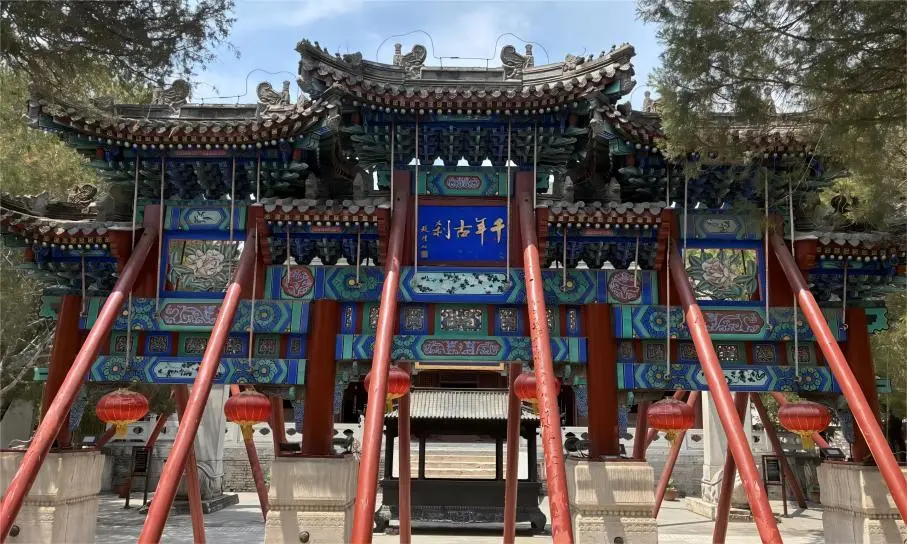
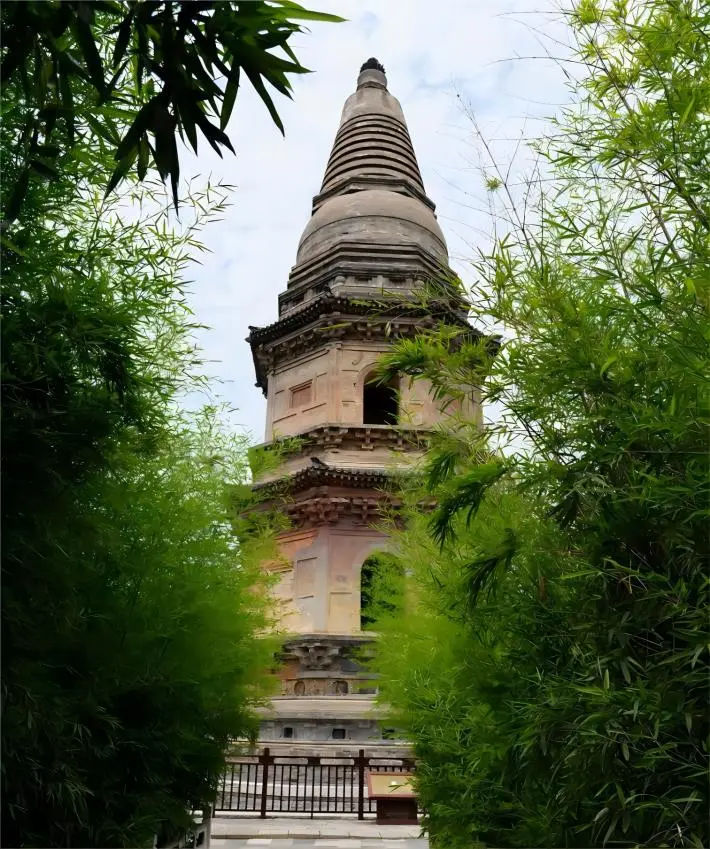
The temple is built into mountain terrain, with six successive courtyards along the central axis. Two opposing towers form the unique “Bell-Drum Tower Style Pagoda.” The North Pagoda, 30.46 meters high, features a multi-story base, a drum-shaped midsection, and a bell-shaped top. Its bas-relief carvings depicting Khitan dances and daily life are considered living fossils of Liao Dynasty art. Yunju Temple also houses 22,000 Ming Dynasty paper scrolls and 77,000 Qing Dynasty wooden blocks of the Long Zang Tripitaka. The remarkable “Tongue Blood Sutra” (Shexue Zhenjing), written by a monk using his own tongue-tip blood, attests to profound devotion.

II. Abundant Incense: From Dharma to Personal Blessings
Yunju Temple’s spiritual allure comes from the fusion of Buddhist orthodoxy and folk beliefs:
- Legend of Protecting the Sutras: Master Jingwan’s dedication has made Yunju Temple a symbol of Buddhist orthodoxy. Visitors pray here for academic progress, career success, and personal wisdom.
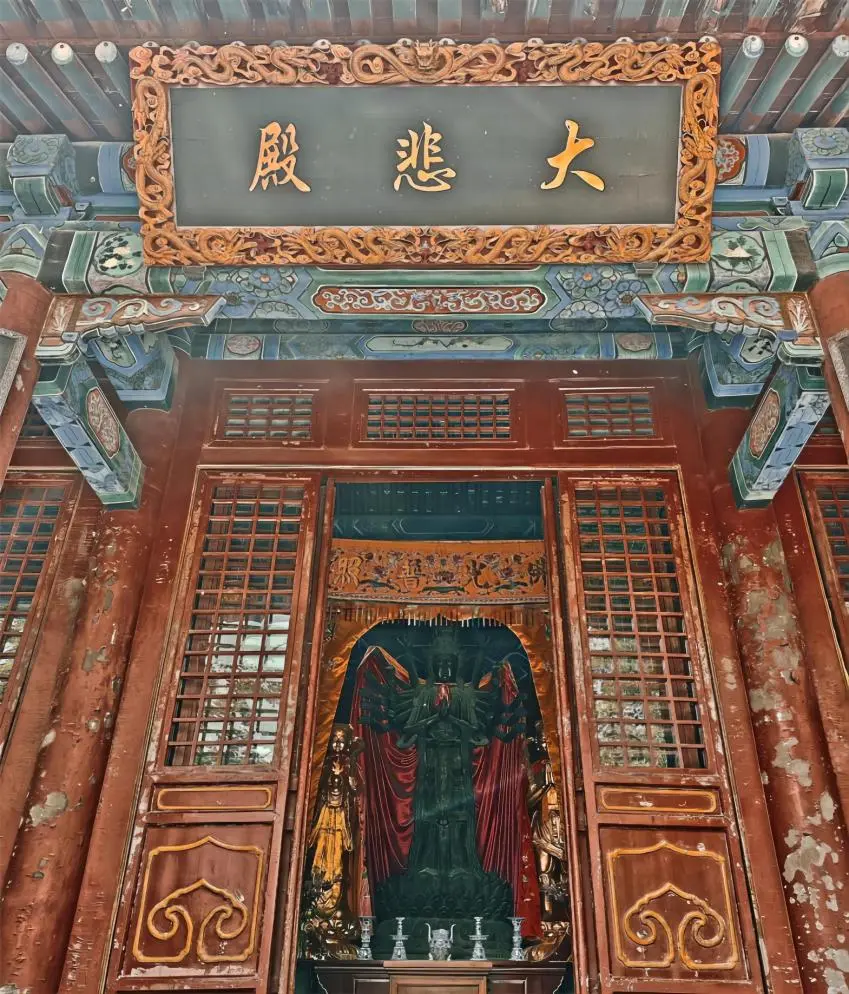
- Sanctuary for Childbirth: The Thousand-Hand Guanyin Bodhisattva in the Great Compassion Hall (Dabei Dian) is associated with “Children Accompanying Guanyin.” Devotees who successfully pray for children often return with a new doll, continuing the temple’s unique tradition.
- Auspicious Buddha Relics: In 1981, two relics of the historical Buddha were discovered in Thunder Sound Cave (Leiyin Dong), forming part of China’s “Three Great Treasures” and attracting pilgrims for blessings and prayer.
III. Visitor Highlights: A Cross-Millennial Experience
- Touch the Stone Sutras: In the Underground Stone Sutra Palace, 14,278 slabs are arranged meticulously. Gently touching the carvings allows visitors to engage in a silent dialogue with ancient monks.
- Climb Stone Scripture Mountain: Ascend the historic path along Shijing Mountain, passing nine scripture-hiding caves. The Thunder Sound Cave contains four pillars carved with 1,056 Buddha images. Sunlight streaming through the entrance creates a serene Zen atmosphere. A Tea Pavilion mid-slope offers rest and a view of autumn foliage.
- Participate in Blessing Rituals: Light a lotus lamp in the Great Compassion Hall and silently state your wish. Return a new doll if prayers for a child are fulfilled. Monks provide chanting and blessings, making the ceremony solemn and heartfelt.

IV. Souvenir Guide: Taking Zen Home
- Creative Store Treasures:
- Stone Sutra Rubbings: Excerpts from Buddhist scriptures, ideal for collecting or framing.
- Relic-Themed Bookmarks: Golden tassels inspired by Buddha relics, symbolizing wisdom.
- Thousand-Hand Guanyin Ornaments: Wooden or glazed, suitable for home or car blessings.
- Traditional Dharma Items:
- Consecrated Mala Beads: Sandalwood or crystal, for daily wear.
- Prayer Sachets: Filled with mugwort, cinnabar, and other materials, to ward off evil and misfortune.
V. Practical Information
- Address: Shuitou Village, Dashihwo Town, Fangshan District, Beijing
- Opening Hours: 9:00 AM–4:00 PM
- Admission: ¥40 (includes Stone Sutra Palace)
- Transportation: Bus 836 from Tianqiao or Liuliqiao to Yan Cun Station, transfer to Bus 12 or 31 to the temple.
- Tips: Autumn is ideal—red foliage contrasts beautifully with pagodas and ginkgo trees. Comfortable shoes recommended for temple steps.
VI. Continue Your Spiritual Journey
For travelers inspired by Yunju Temple’s millennial wisdom, explore more sacred monasteries in our Temple Collection, each offering unique stories of devotion, architecture, and Zen practice.
Yunju Temple is both a living museum of Buddhist history and a spiritual bridge connecting past and present. Touching the millennial stone sutras and hearing the temple bells, one realizes that the true efficacy is not in any single wish—but in the inner peace awakened by enduring faith and Oriental wisdom. For more inspiration, explore other highlights on our Beijing Tourist Attractions page.