Zhaojue Temple in Chengdu: A Forest Monastery Where Nature Meets Faith
On the edge of Chengdu’s northeast suburbs lies a peaceful spiritual retreat rarely crowded by tourists: Zhaojue Temple in Chengdu. While it is less famous than Wenshu Monastery, locals regard it as one of the most powerful and tranquil Buddhist sites in the city.
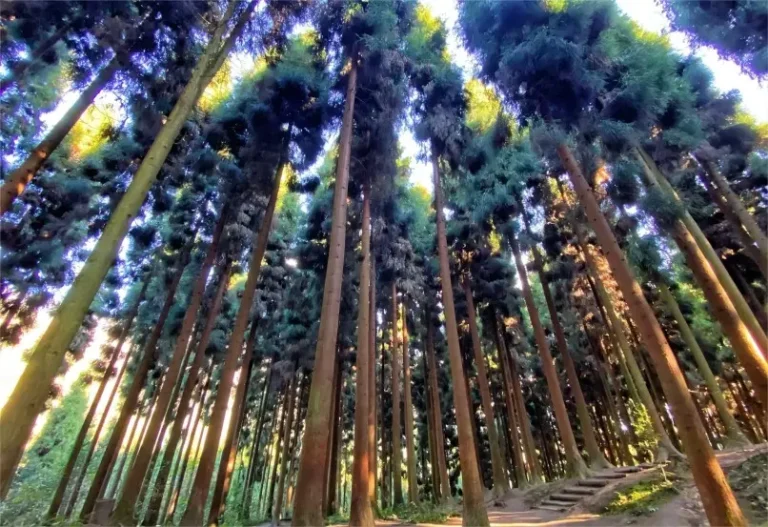
Often called the “First Zen Forest of Western Sichuan,” Zhaojue Temple is known for its unique forest-like setting. Here, centuries-old Buddhist traditions blend naturally with trees, ponds, and daily local life, offering visitors a quieter way to experience Chengdu’s spiritual side.
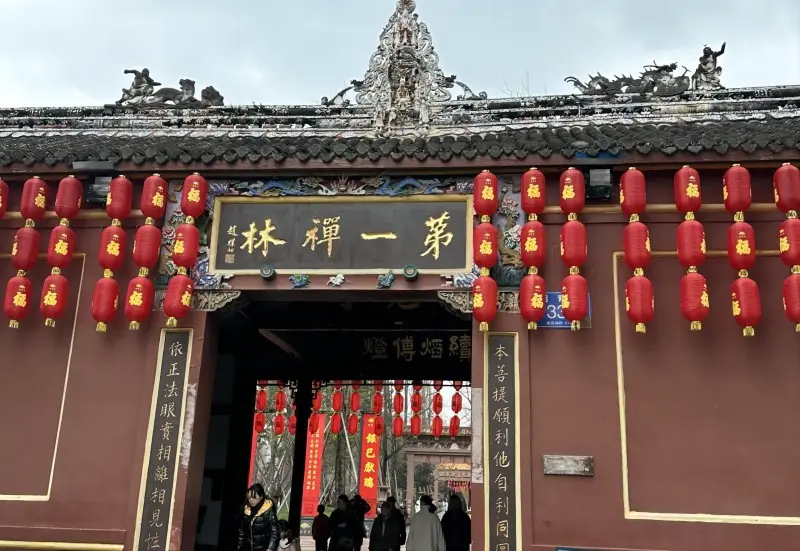
A Brief History of Zhaojue Temple
Zhaojue Temple in Chengdu was founded during the Tang Dynasty in 622 AD by the respected monk Master Wuda. Over time, it developed into one of the largest and most influential Buddhist temples in Southwest China.
The temple has long served as a cultural bridge to Buddhist communities in Japan and Southeast Asia, highlighting its international importance. Within the grounds, visitors can find:
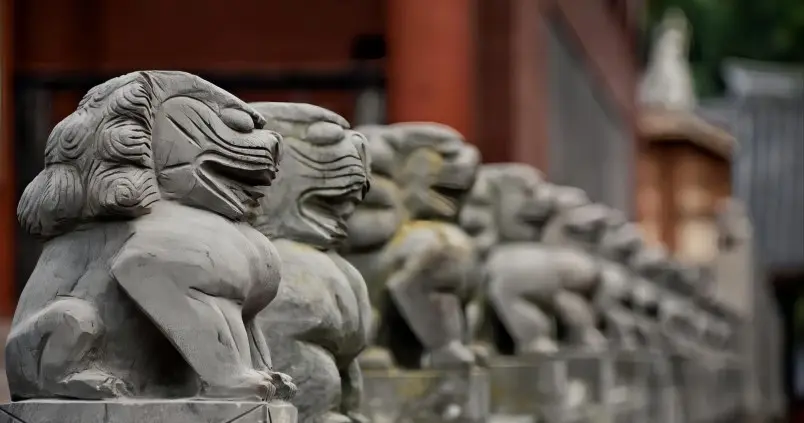
- Ancient stone pillars dating back to the Ming Dynasty
- A legendary 1,000-year-old ginkgo tree, traditionally believed to have been planted by the temple’s founder
Together, these elements make Zhaojue Temple a cultural cornerstone of Buddhism in Western Sichuan.
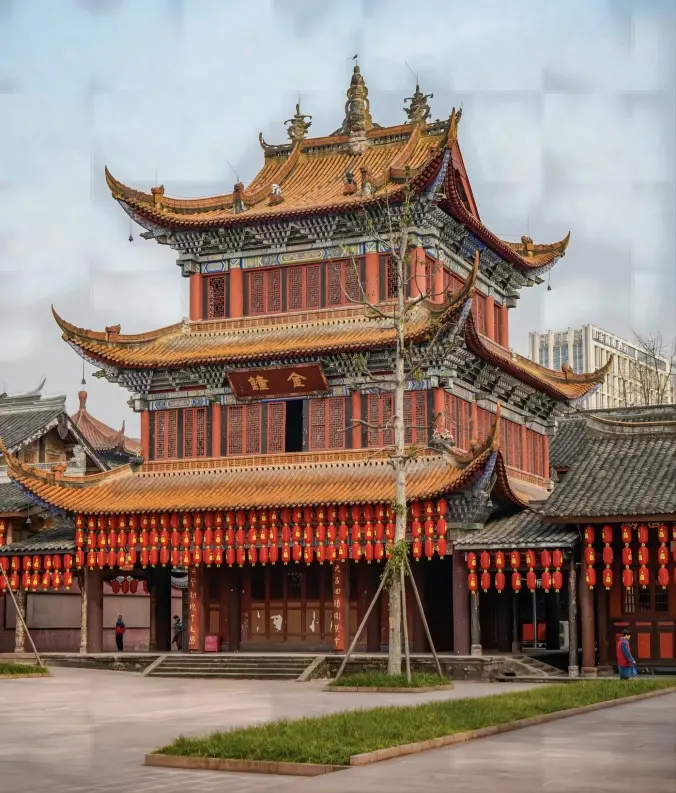
Why Zhaojue Temple Is Worth Visiting in Chengdu
One reason locals are drawn to Zhaojue Temple is its reputation for “practical” spirituality. People visit not only to meditate, but also to seek blessings connected to everyday life.
- Career and Wealth: The Hall of the God of Wealth is especially popular among business owners.
- Health and Safety: Families often pray at the Medicine Buddha Hall for the well-being of loved ones.
- Love and Relationships: The Matchmaker Tree (Yue Lao), decorated with red ribbons, attracts young people hoping to find a meaningful connection.
Compared to more famous temples in central Chengdu, Zhaojue offers a calmer, more local experience.
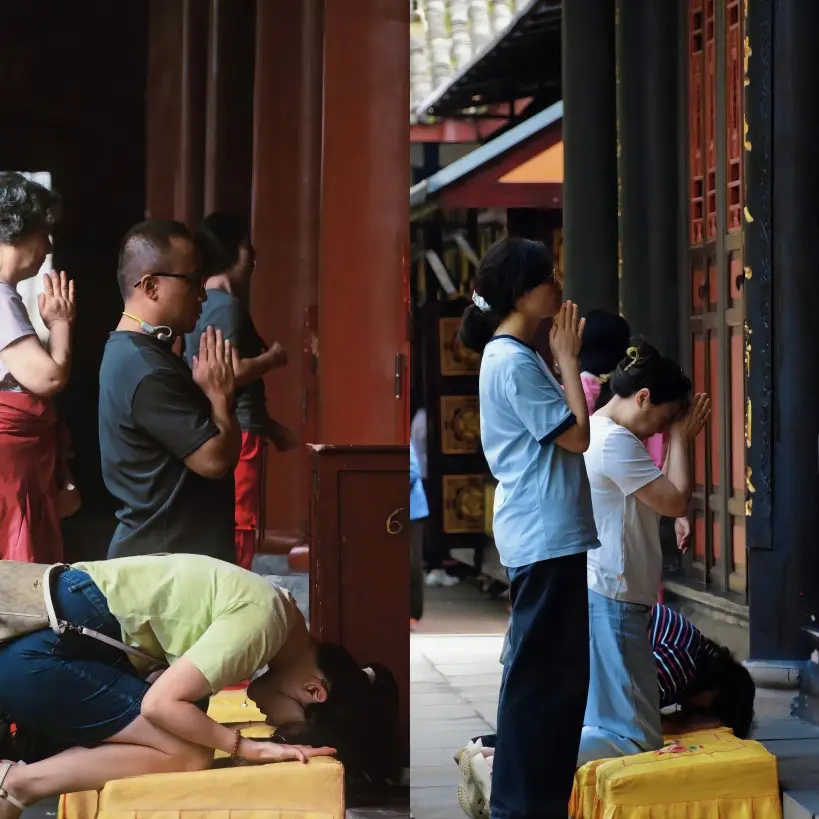
Practical Guide to Visiting Zhaojue Temple
📍 Location & Transportation
- Address: No. 333 Zhaoqing Road, Chenghua District, Chengdu
- Metro: Line 3 to Zoo Station (Exit D), followed by a short taxi ride or a 15-minute walk
- Driving: Free parking is available at the temple
⏰ Opening Hours & Tickets
- Opening Hours: 8:00 AM – 5:00 PM
- Entrance Fee: Free (a complimentary visitor ticket is required at the gate)
🙏 Temple Etiquette for Visitors
- Enter halls from the left side and exit from the right, walking clockwise.
- When lighting incense, hold it with your right hand, raise it to your forehead, and make your wish silently.
- Donations can be placed in Merit Boxes (Gong De Xiang) throughout the temple.
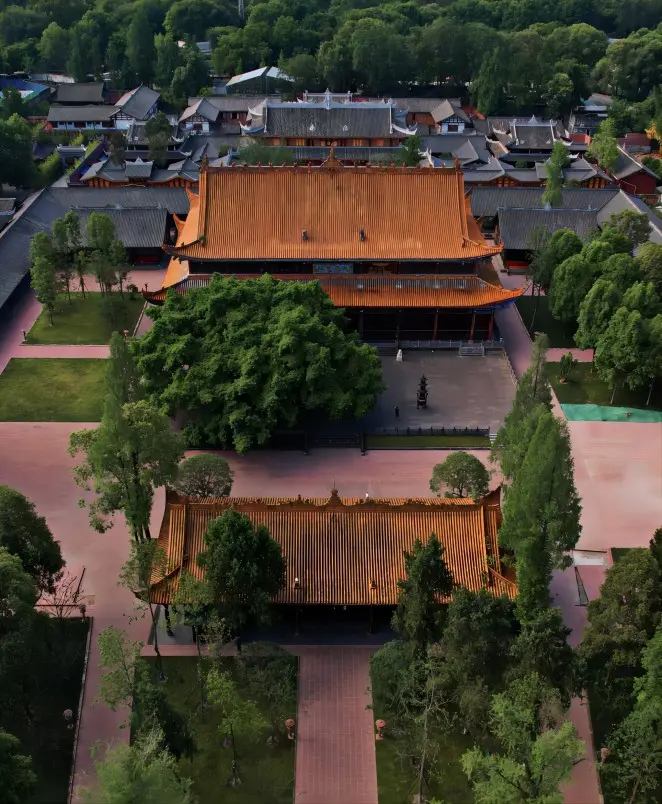
Healing Experiences Inside the Forest Temple
1. Walk Through the Forest Monastery
Zhaojue Temple is often described by the saying: “The temple is in the forest, and the forest is in the temple.” Bamboo paths, willow trees, ponds, and wandering pigeons create a peaceful atmosphere that feels more like a park than a traditional temple. Early mornings are especially beautiful.
2. Enjoy Simple Vegetarian Noodles
The temple’s vegetarian dining hall serves a warm bowl of noodles for around 15 RMB (prices may vary). Made with mushroom and soybean broth, the meal is simple, nourishing, and satisfying. Many visitors enjoy pairing it with a cup of Zen Tea in the courtyard afterward.
3. Join Saturday Zen & Tea Sessions
On Saturday afternoons, Zen Tea gatherings are often held at the temple. Visitors can sit with monks, drink tea, and listen to gentle reflections on letting go and finding balance in daily life.

Souvenirs to Bring Home from Zhaojue Temple
- Blessed Prayer Beads: Sandalwood or crystal beads, typically priced between 30–200 RMB.
- Ginkgo-Themed Bookmarks: Wooden bookmarks or postcards inspired by the ancient ginkgo tree.
- Vegetarian Cakes: Traditional Zhaojue Su Bing, with flavors like green bean and coconut.
Personal Reflection: A Dialogue with Nature
I once visited Zhaojue Temple on a quiet autumn afternoon. As city noise faded behind me, golden leaves covered the stone paths and pigeons wandered freely near the halls. An elderly monk paused while sweeping and smiled, saying simply, “Welcome to the forest.”
In that moment, I understood that Zhaojue Temple’s power isn’t about miracles—it’s about how nature and faith work together to restore inner calm.

Is Zhaojue Temple Worth Visiting?
Yes. Zhaojue Temple is one of the most rewarding Buddhist temples to visit in Chengdu, especially for travelers seeking nature, mindfulness, and local culture. It offers a slower, more reflective experience that complements Chengdu’s better-known attractions. Furthermore, to explore more highlights of a Sichuan journey, don’t miss our page on Chengdu Tourist Attractions!
Friendly Reminder: Please avoid photographing Buddha statues inside the halls. Photography is welcome in outdoor courtyards, gardens, and architectural areas.