The Bund Shanghai: Where History Shines Against the Modern Skyline
The Bund Shanghai: A Timeless Icon of Global Architecture and Culture
For any international visitor arriving in Shanghai, The Bund is the perfect starting point to understand the city’s soul. It’s more than just a landmark — it’s a living, breathing museum of world architecture.
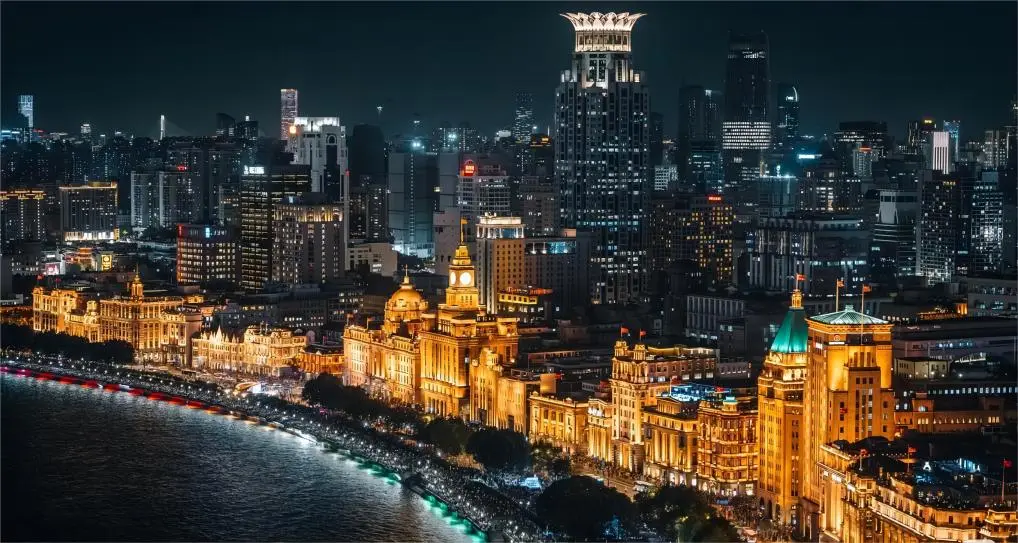
Stretching 1.5 kilometers along the west bank of the Huangpu River, fifty-two historical buildings stand shoulder to shoulder in magnificent contrast to the futuristic skyline of Lujiazui across the water. This timeless “dialogue across the river” captures the collision of East and West, old and new — the essence of Shanghai itself.
I. Echoes of History: A Century of Change
The word “Bund” originates from Hindi, meaning “embankment.” Its story began in the mid-19th century, when Shanghai opened as a treaty port. After 1843, foreign concessions flourished, and The Bund quickly grew into the economic and political heart of Western influence in China.
Colonial Footprints: Each building tells its own story — a blend of Neoclassical, Baroque, and Gothic designs that mirror Shanghai’s cosmopolitan past.
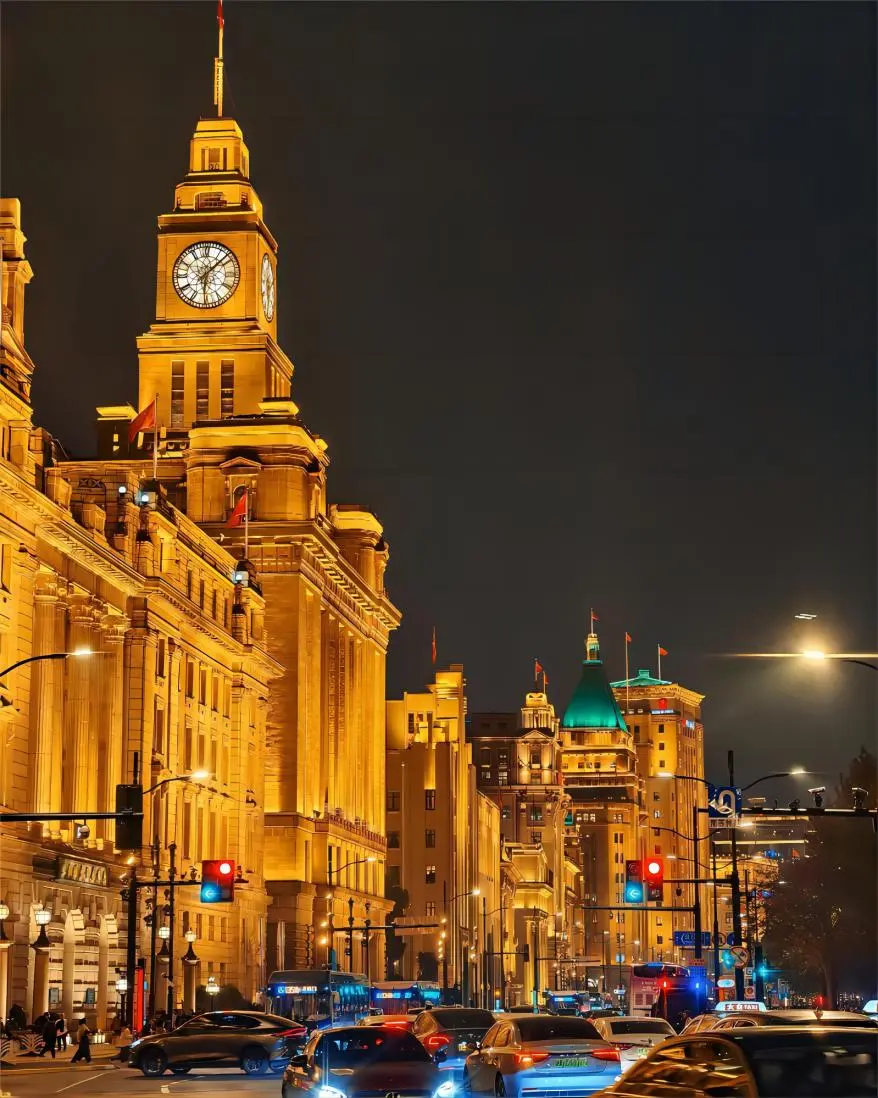
- The Customs House, with its iconic clock tower reminiscent of London’s Big Ben, once served as the “timekeeper of Shanghai.”
- The Peace Hotel (formerly the Sassoon House), with its copper roof and marble interiors, has hosted world leaders and celebrities for decades.
The Rise of a Financial Empire: By the early 20th century, The Bund had earned its title as the “Wall Street of the Orient.” Banks such as HSBC and Citibank established their headquarters here, shaping the city’s global financial image. Today, many of these buildings have been restored as cultural landmarks, art spaces, and luxury brand flagships.
Global Resonance: To European visitors, The Bund may evoke the grandeur of the Thames Embankment or the charm of Paris’s Left Bank. To Americans, it often feels like a “condensed New York” — yet imbued with unmistakable Eastern grace.
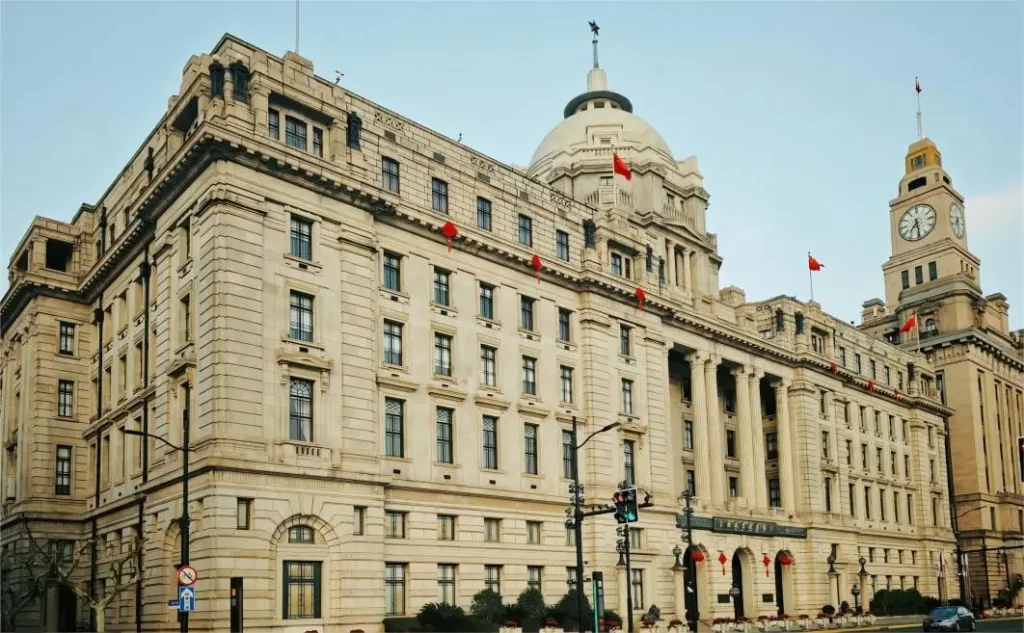
II. Architectural Aesthetics: An Open-Air Art Exhibition
Walking along The Bund feels like visiting a free outdoor art gallery — a celebration of world architecture condensed into one breathtaking riverside walk.
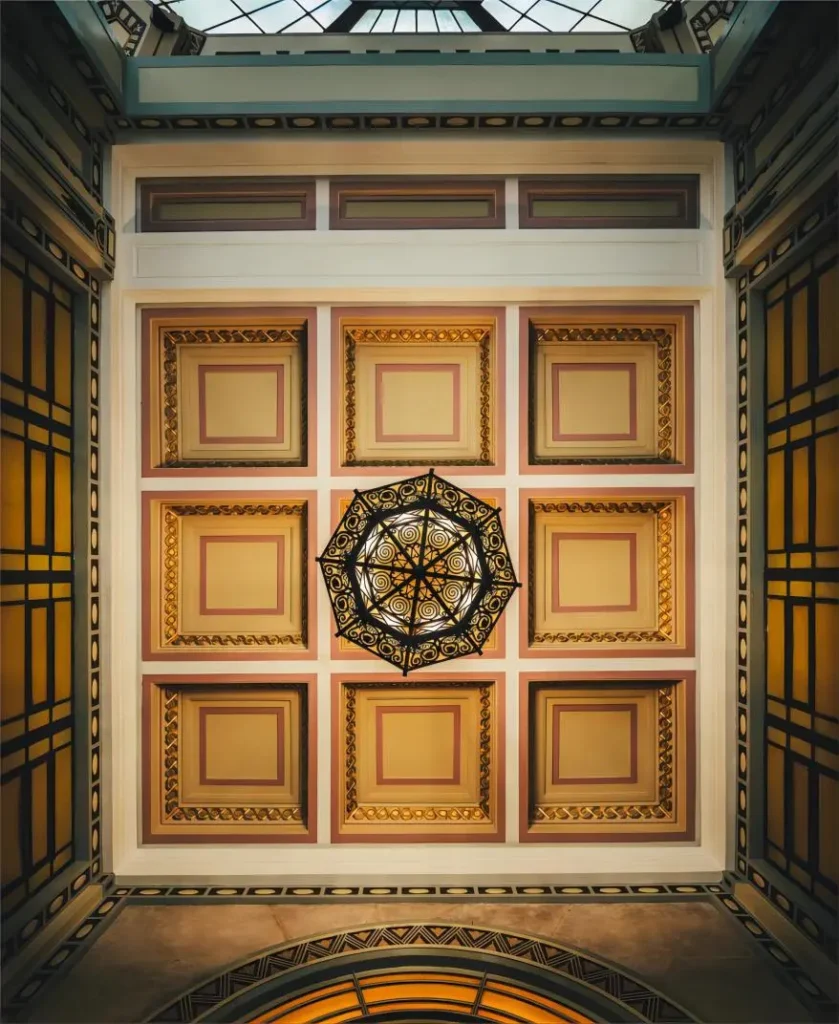
- Neoclassical: The Pudong Development Bank Building (formerly HSBC Building) stands out with its grand dome and History of World Commerce mural — the only dome mural in Shanghai.
- Baroque: The Customs House embodies 18th-century European opulence, with ornate pillars and sculpted facades.
- Art Deco: The Sassoon House (now the Peace Hotel North Building) showcases the bold geometric patterns of the early 20th century’s modernist trend.
Pro Tip: Visit in the early morning for soft, golden light perfect for photography, or return at sunset to see the skyline transform as both The Bund and Lujiazui light up — a visual symphony of history and modernity.
III. The Clash of Cultures: A Dialogue Across the River
The Bund’s magic lies in its living contrast — a panoramic dialogue between past and future.
Stand on the viewing platform: to the west, you see a century of global architecture; to the east, the glass-and-steel “Three-Piece Suit” — Shanghai Tower, World Financial Center, and Jin Mao Tower — representing China’s rapid rise and innovation.
This juxtaposition perfectly encapsulates Shanghai — a city that embraces both tradition and progress, harmonizing East and West in one skyline.
Global Parallel: Similar to Lower Manhattan or Paris’s La Défense, The Bund symbolizes the coexistence of eras — but in Shanghai, the blend feels bolder, more confident, and uniquely alive.
IV. Practical Guide: How to Explore The Bund
- Getting There: Take Metro Line 2 or 10 to Nanjing East Road Station, then walk about 10 minutes to the riverfront.
- Best Time to Visit: Arrive around 4:00 PM to admire the architecture in daylight and stay for the night view after 6:00 PM.
- Hidden Gems: Walk north to the Waibaidu Bridge, a favorite filming spot, or hop on the 2 RMB ferry to Pudong for an unforgettable skyline view from across the river.
- Photo Spot: The viewing platform near the Peace Hotel offers the most iconic panoramic shot of both banks.
- Nearby Attractions: Just a short walk or ride away lies Yuyuan Garden Shanghai, offering a seamless continuation of your city exploration.
Conclusion: The Bund — Shanghai’s Living Memory
The Bund is both a witness to Shanghai’s past and a stage for its future. Each stone, lamp, and facade tells part of the city’s incredible journey — from a quiet fishing town to an international metropolis.
For travelers, The Bund isn’t just a sightseeing destination; it’s a window into China’s modernization story.
In a short 1.5 km walk, you can traverse a century of architectural evolution and experience the vibrant spirit that defines Shanghai today.
You simply can’t visit Shanghai without walking The Bund — every building, every beam of light, has a story to share.