Qingyang Palace: Chengdu’s Thousand-Year Taoist Charm and Eastern Philosophy Code
After sipping Gaiwan tea in a Chengdu teahouse and feeling the local buzz in Kuanzhai Alley, if you want to explore the city’s deeper spiritual core, visit Qingyang Palace.
This thousand-year-old temple was praised by Emperor Qianlong as the “Foremost Taoist Temple in Western Sichuan.” Here, the flying eaves of the bronze Three Pure Ones Hall frame the skyline of modern skyscrapers. Incense smoke mingles with coffee aromas, creating a unique Eastern cultural mosaic.
Travelers who visit Qingyang Palace often explore nearby Chengdu Research Base of Giant Panda Breeding or the historic Wuhou Shrine, making for a full cultural and spiritual immersion.
I. A Millennium of Taoist Lineage: From Huangdi’s Questions to Imperial Edicts
Qingyang Palace’s legend began around 2700 BC. Ancient texts claim the Yellow Emperor debated with the Taoist ancestor Guangchengzi here. The name “Green Sheep” comes from a myth: Before Laozi passed Hangu Pass, he left a green sheep incarnation here, predicting this place would become the “Source of the Way for the World.”
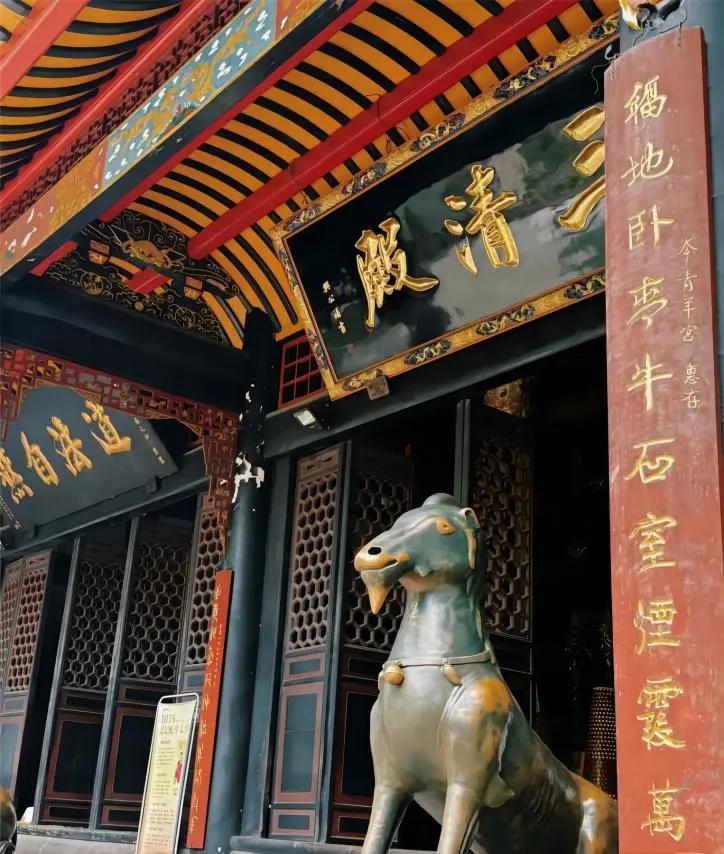
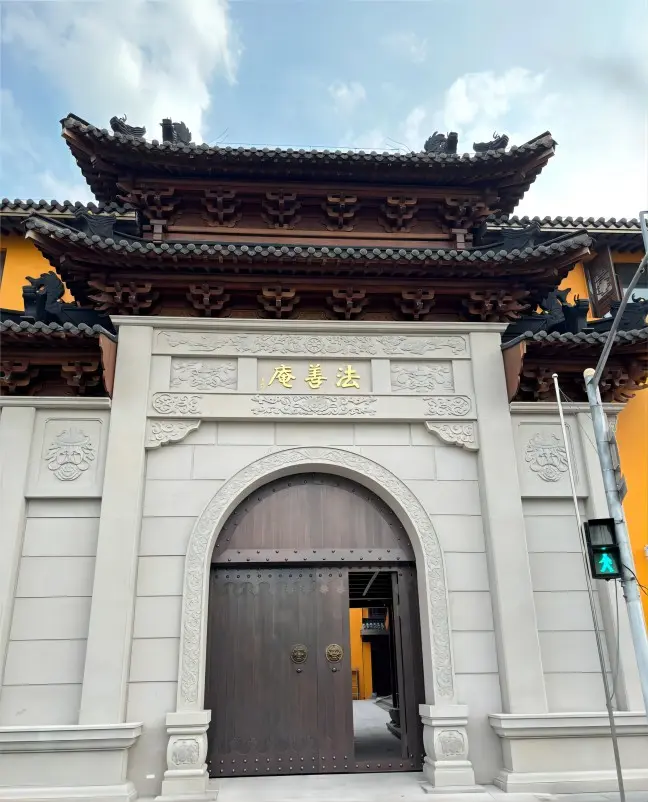
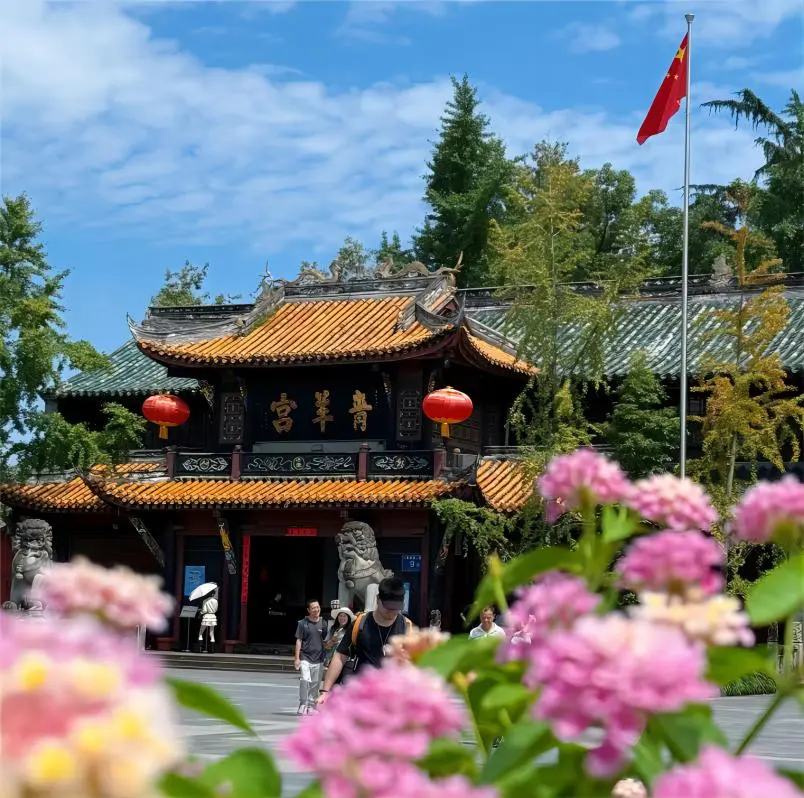
What truly made the palace famous was Emperor Xizong of the Tang Dynasty. While fleeing the An Lushan Rebellion, he made it his temporary palace and officially established the temple. The three characters for “Qingyang Palace” on the gate today were personally inscribed by Emperor Qianlong.
Wandering through the complex, you see time folded together: Song Dynasty astronomical charts hide under Ming Dynasty bracket systems. Qing Dynasty brick carvings stand next to the main hall rebuilt in the 1980s.
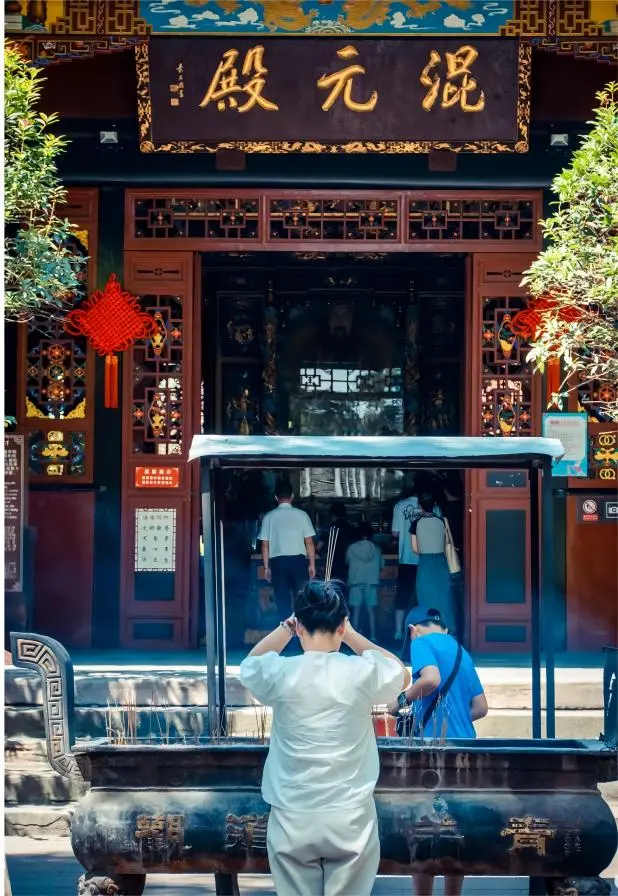
The most amazing feature is the “Bagua Well” in front of the Hunyuan Hall. The water here has never dried up in a thousand years. Taoist priests say this well connects to the “Earth’s energy line.” Scientists found its mineral content remarkably similar to the water from the Dujiangyan system—perhaps this is what the ancients meant by “Unity of Heaven and Man.”
II. Living Lesson in Eastern Philosophy: Displaying Tao Te Ching
Qingyang Palace is not a cold museum. It is a vibrant laboratory of Eastern philosophy.
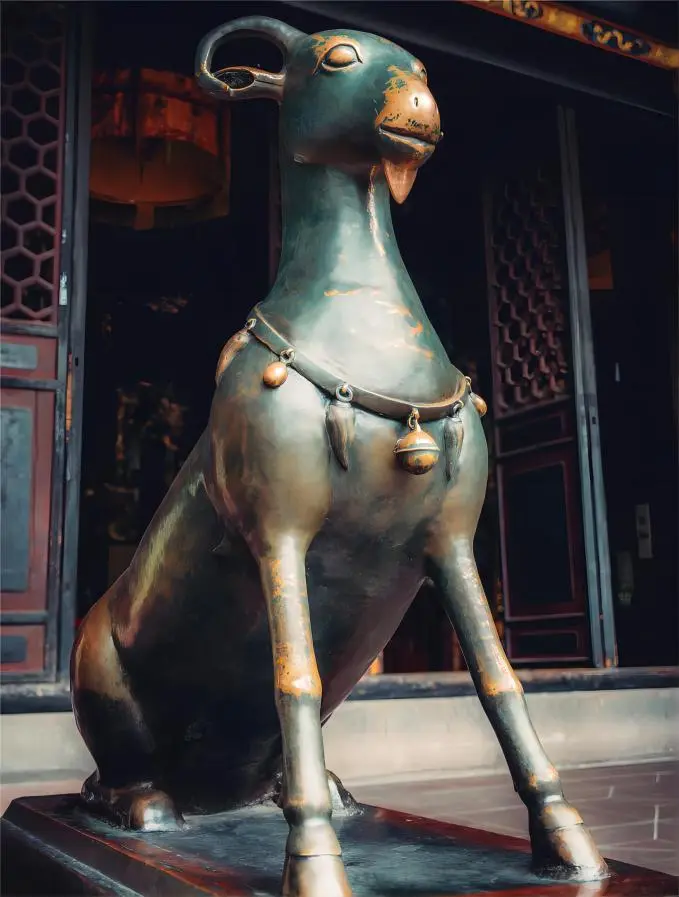
In front of the Three Pure Ones Hall stand two Bronze Sheep (one-horned and two-horned)—the temple’s treasures. Visitors often touch the horns. A Taoist priest explains this symbolizes “Yin-Yang harmony.” Modern medicine notes copper is antibacterial—perhaps the ancients knew this already!
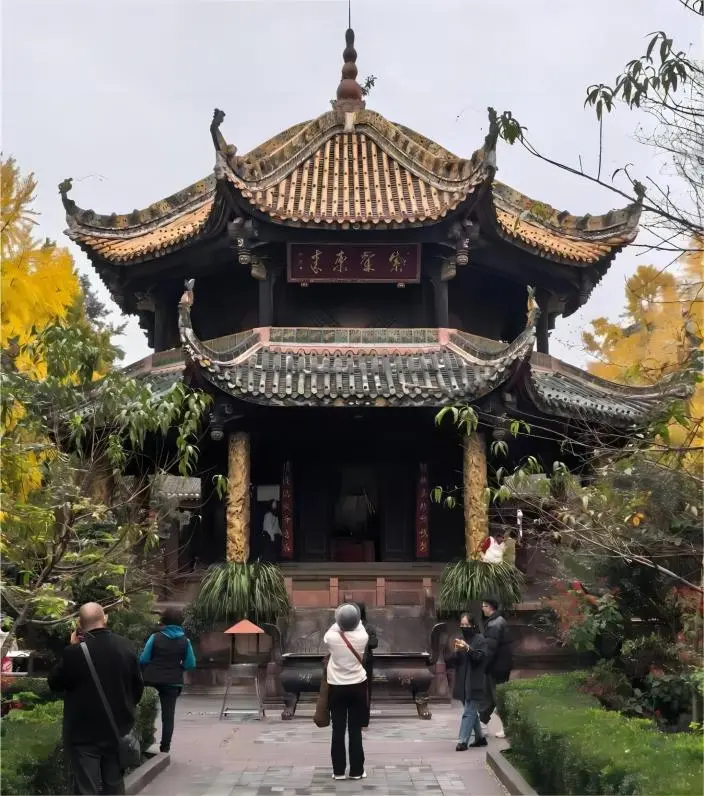
The dome of the Bagua Pavilion maps the 64 I Ching hexagrams to the Big Dipper. Sunlight streams through the ceiling lattice, casting a dynamic Tai Chi symbol on the floor. This “Heavenly Light Induction” design predates the sacred light systems in European cathedrals by a thousand years.
The “Taoist Medicine Consultation” is the most popular event. Elderly priests diagnose health by checking pulses and looking at tongues. Prescriptions often include local herbs like Fuling (Poria mushroom) and chrysanthemum. A German tourist tried it and marveled:
“This is more accurate than a machine check, and the herbal tea tastes better than coffee!”
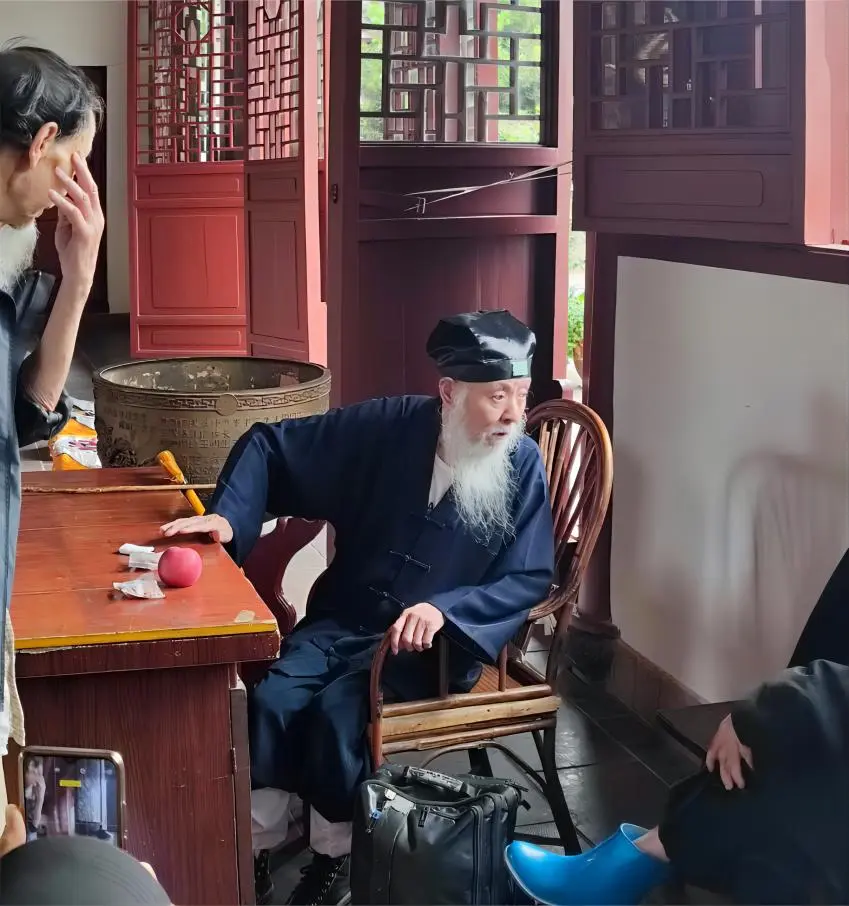
An interesting activity is the sutra copying experience. When visitors practice calligraphy of the Tao Te Ching, the priest advises:
“Your writing should flow like clouds; a calm mind keeps your brush steady.”
This might be the earliest form of “mindfulness meditation.”
III. Cross-Cultural Resonance: Wonderful Discoveries by Global Visitors
Qingyang Palace’s charm lies in how it resonates with different cultures.
Japanese visitors paused for a long time before the “Wuji Diagram” in the Three Pure Ones Hall. They noticed its similarity to the Mandala diagrams at Tofuku-ji Temple in Kyoto. Western architects were fascinated by the mortise-and-tenon joinery of the Bagua Pavilion. They noted its “green building” concept—using no iron nails—predates European Gothic architecture.
What surprised young people most was the “Tao Culture Blind Box.” For ¥20, you can draw a random Taoist slip. It might contain a fable from Zhuangzi, a health tip, or even a lesson in Chengdu dialect. One American visitor drew the saying,
“Youth should not rush to Sichuan; the elderly should not leave Sichuan.”
He laughed and changed his flight: “I decided to stay for two more years of tea!”
IV. Travel Tips: A Guide to Immersive Taoist Experience
- Must-Do Experience: Join the 7:00 AM Morning Service to hear the chanting of the Classic of Purity and Stillness. Feel the “Heaven-Human Resonance” amid the incense smoke.
- Good Luck: Rub the gold ingot held by the God of Wealth, Zhao Gongming, at the Lingzu Hall for good fortune.
- Hidden Gem: Wear Hanfu for photos at the Bagua Pavilion. A Taoist priest will happily teach you the proper “Cupped Fist Salute.”
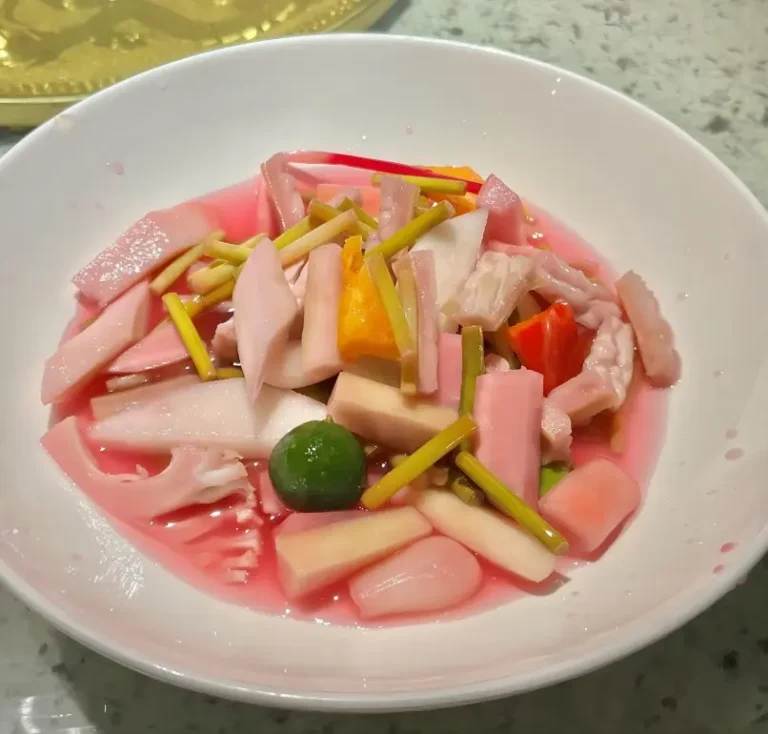
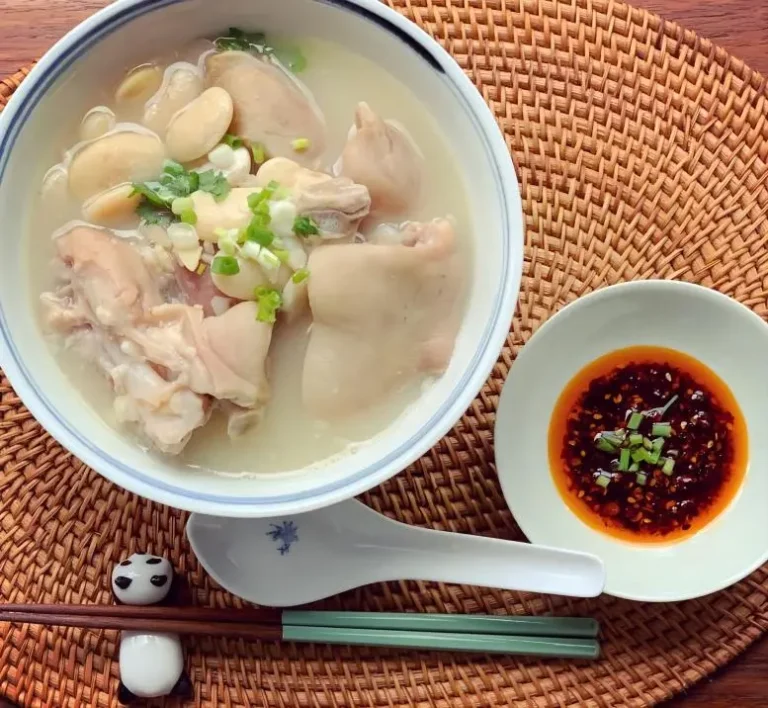
- Cultural Feast: Attend the Taoist Vegetarian Banquet on the first day of the lunar month. Use bamboo chopsticks to pick up “imitation meat” dishes and experience the wisdom of making vegetarian food taste savory.
- Collectible: Collect all three “Fu” (Fortune) character stamps (at the Gate, Three Pure Ones Hall, and Bagua Pavilion) to exchange for a hand-drawn talisman bookmark.
Practical Info:
- Ticket: ¥10 (Cash payment feels more “Taoist authentic”).
- Hours: 8:00 AM – 6:00 PM (Visit in the morning when incense is strongest).
- Transit: Exit C of Qingyang Palace Station (Metro Line 5), just a 3-minute walk.
When you sit quietly before the Hunyuan Hall, you hear wind chimes mixing with city noise to form a unique Taoist rhythm. When a priest explains “Highest Goodness is like Water” in Sichuan dialect, you realize it echoes Socrates’ “Know Thyself.”
Qingyang Palace is not just a scenic spot. It is a bridge leading into the deep core of Eastern philosophy. As an Italian tourist wrote in the guestbook:
“Here, I touched a Chinese soul more precious than the giant pandas.”
Bring your curiosity to this thousand-year dialogue!