Leshan Giant Buddha Travel Guide: Eastern Wisdom Beneath a Thousand-Year Face
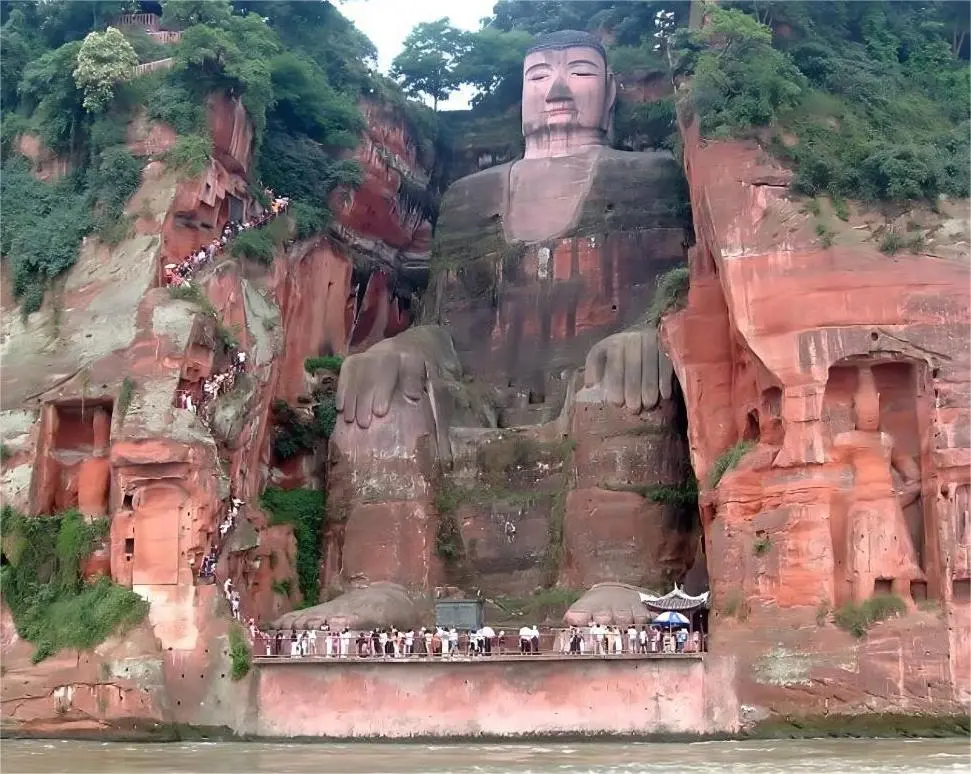
After sipping the mellow taste of Gaiwan tea in Chengdu and experiencing the local buzz of Kuanzhai Alley, if you seek a more stunning natural and cultural wonder, drive one hour southeast. You will reach the Leshan Giant Buddha — a masterpiece of rock-carved devotion and Tang Dynasty engineering.
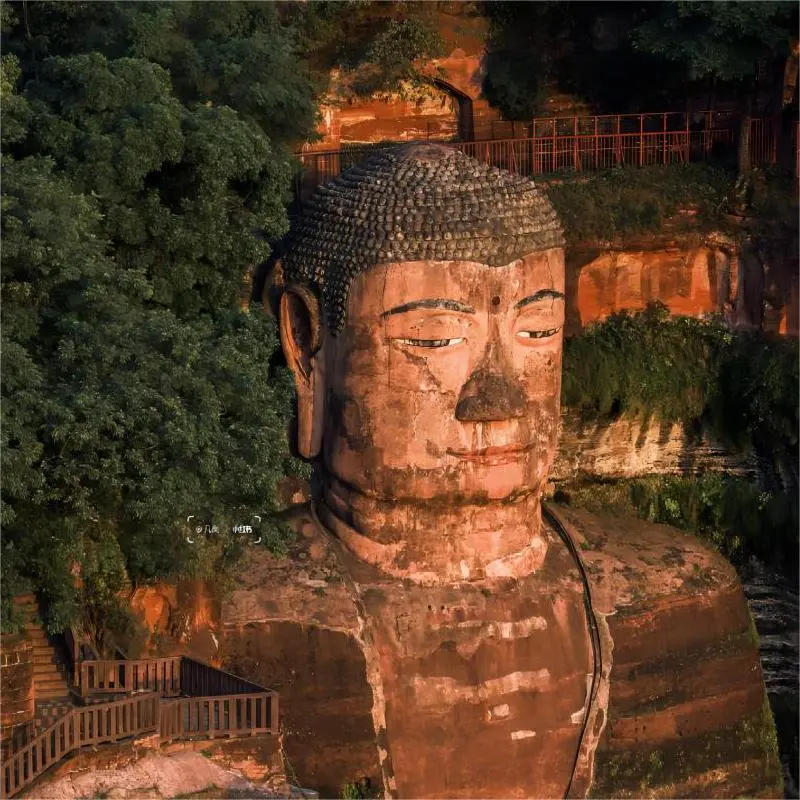
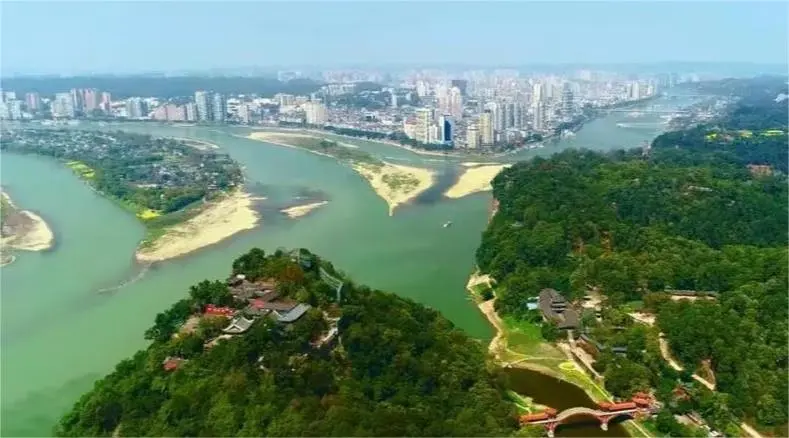
Known as “The mountain is a Buddha, the Buddha is a mountain,” this UNESCO World Heritage Site is more than the world’s largest stone statue. It is an epic of Eastern wisdom and water management, standing quietly at the confluence of three rivers.
(On your return to Chengdu, don’t miss a visit to the Giant Panda Base or the Wuhou Shrine, both revealing the city’s softer spiritual and historical sides.)
I. A Thousand-Year Water Control Epic: From Master Haitong’s Compassion to a Tang Dynasty Engineering Miracle
The story of the Leshan Giant Buddha began with a monk’s compassion.
In 713 AD, Master Haitong witnessed floods at the meeting of the Min, Qingyi, and Dadu Rivers. Believing in “Buddha’s power to calm the waters,” he decided to carve a massive statue into the red cliffs of Lingyun Mountain.
He famously gouged out his own eyes to prove his sincerity when funding ran short — a vow that inspired three generations of artisans. After 90 years, the 71-meter-tall seated Maitreya Buddha was completed under Emperor Dezong.
This monument embodies both faith and engineering brilliance:
- 1,051 snail-shell curls on the head form a natural drainage system.
- Hidden holes in the collar and chest ventilate moisture from the stone.
- Its 8.5-meter feet can hold over a hundred people standing together.
An Italian visitor once exclaimed, “This isn’t just religion; it’s a living textbook of civil engineering.”
II. Cross-Cultural Resonance at Leshan Giant Buddha: Global Discoveries
The Buddha’s silent presence speaks across time and culture.
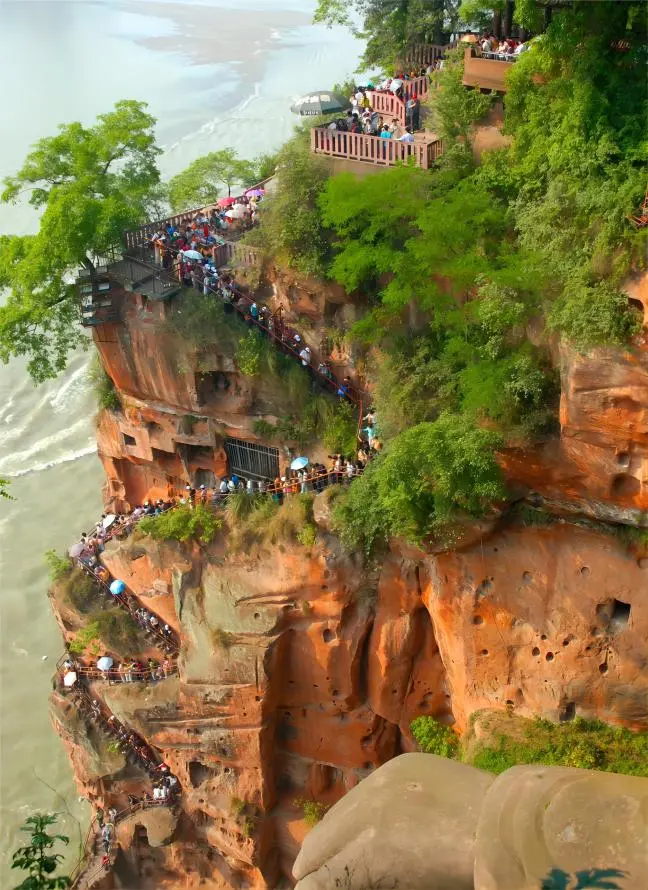
- Architectural Wonder: The Nine-Bend Plank Road beside the Buddha is a Tang Dynasty cliff walkway. Its dizzying turns rival the labyrinths of ancient Greece. A German architect admired it as “eco-design long before the term existed.”
- Artistic Inspiration: The two Heavenly Kings guarding the Buddha echo Dunhuang murals. The robe’s flowing drapery has been called the “Eastern Michelangelo folds.”
- Technology & Heritage: Multilingual audio guides explain how the hair buns disperse lightning and humidity. Visitors can also join AR-guided tours showing how the statue was carved piece by piece.
When viewed from the river, the Buddha’s calm gaze aligns perfectly with the meeting of the three rivers — a true expression of the Taoist idea of “Harmony between Heaven and Man.”

III. Immersive Travel Tips: Unlocking Millennia of Buddha Charm
Must-Do Experiences:
- Sunrise with the Buddha: Arrive early at the feet platform to greet the first light over the Leshan Giant Buddha. That golden moment — “Eye to Eye with the Buddha” — is pure awe.
- Three Rivers Night Cruise: Take a night boat to see the Buddha glowing above the water. When its reflection meets the real statue, it feels like stepping into an ancient myth.
- Food Treasure Hunt: After your visit, explore Zhanggong Bridge Food Street. Try Qiaojiao Niurou (slow-cooked beef soup), spicy Bobo Ji skewers, and crispy Tianpi Ya duck — flavors that make Leshan a true foodie paradise.
Travel Tips:
- Tickets: ¥80 (mountain access) / ¥70 (river cruise). Combo ticket recommended.
- Getting There: High-speed train from Chengdu to Leshan Station (1 hour), then Bus K1 to the entrance.
- Facilities: Multilingual signs, foreign card payments, and audio guides in seven languages.
- Best Season: Spring (Mar–May) and Autumn (Sept–Nov) for mild weather. Winter visitors may even spot rime frost along the rivers.
- Pro Tip: Avoid weekends for a quieter experience.
Standing at the Leshan Giant Buddha’s feet, you feel time slow. Look up — his thousand-year-old face seems to breathe with the mist above the rivers.
As one American visitor wrote in the guestbook:
“Here, I touched a Chinese soul older than the pandas.”
Bring your curiosity for this thousand-year conversation between faith, art, and nature.