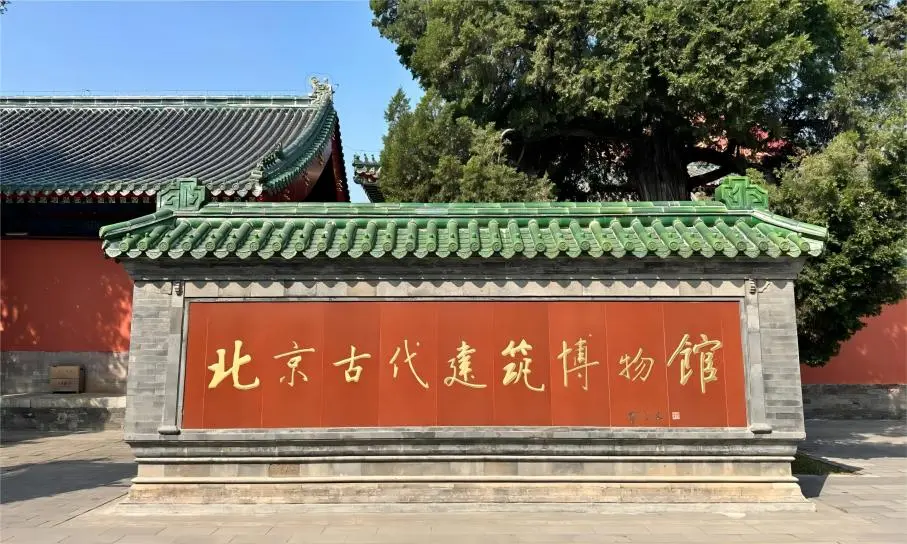
Beijing Ancient Architecture Museum: Explore Chinese Architecture and Dougong Heritage
Tucked away within the Temple of Agriculture (Xiannongtan) at the southern end of Beijing’s Central Axis is a little-known yet remarkable museum: the Beijing Ancient Architecture Museum. Free from the crowds of the Forbidden City, this museum showcases the evolution of Chinese architecture—from primitive nests to imperial palaces—through detailed models and preserved glazed tiles.

History of Beijing Ancient Architecture Museum: From Imperial Altar to Architectural Sanctuary
The museum’s location is itself a piece of living history.
The Temple of Agriculture (Xiannongtan): Ming and Qing Emperors’ Pastoral Dream
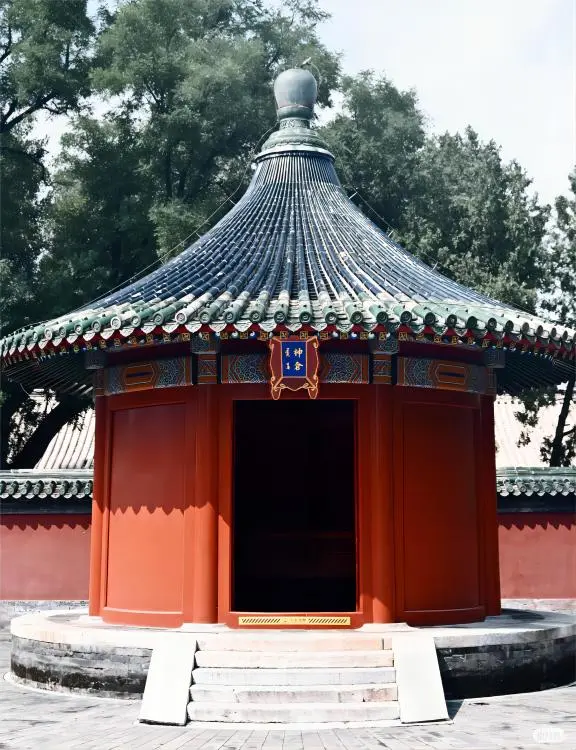
Built in 1420 during the Yongle reign, the Temple of Agriculture was where emperors performed the Plowing Ceremony (Qingeng Dili) to honor the Gods of Agriculture. Buildings like the Hall of the Year Star (Taisui Dian) and Divine Granary (Shencang) display ancient architectural mastery, combining strict rules with refined decoration.
The Museum’s Birth: Preserving China’s Architectural Legacy
By the 1980s, many temple structures were deteriorating. In 1988, the Beijing Ancient Architecture Museum was founded, restoring ancient buildings, collecting artifacts, and hosting exhibitions. It became China’s first museum dedicated to architecture and is listed on the “Tentative List of World Cultural Heritage.”
Cultural Codes: The Wisdom and Aesthetics of Chinese Architecture
The exhibits reveal the unique language of Chinese architecture.
The Hierarchy of Roofs
Roof types indicated social status. The Wudian Roof (Four Slopes, Five Ridges) was reserved for main halls; the Xieshan Roof (Two Slopes plus Four Corners) for temples; Xuanshan and Yingshan Roofs for civilian buildings. Visitors visually grasp the principle that “the roof is identity” in Chinese architecture.
Dougong (Bracket Set): Ingenious Timber Joinery
The Dougong distributes roof weight and creates elegant lines. Models like the Yingxian Wooden Pagoda Dougong and Hall of Supreme Harmony Dougong let visitors touch and assemble parts, providing a tactile experience of ancient craftsmanship. This highlights Chinese ingenuity, achieved without nails or rivets.
Glazed Components: Symbolism in Color
Glazed tiles from the Ming and Qing dynasties are vibrant and symbolic. The Yellow Glazed Ridge Beasts and Tri-Color Chiwen represent imperial authority, auspiciousness, and protection. These “storytelling tiles” capture both history and aesthetic delight.
Classic Experiences at Beijing Ancient Architecture Museum
The Longfu Temple Zaojing: A Miniature Celestial Palace
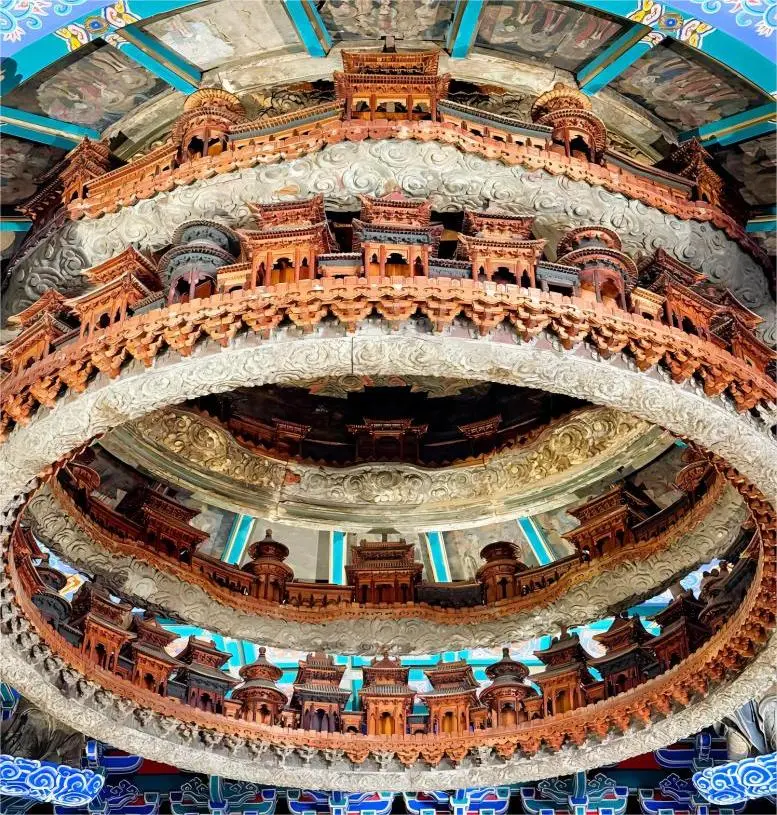
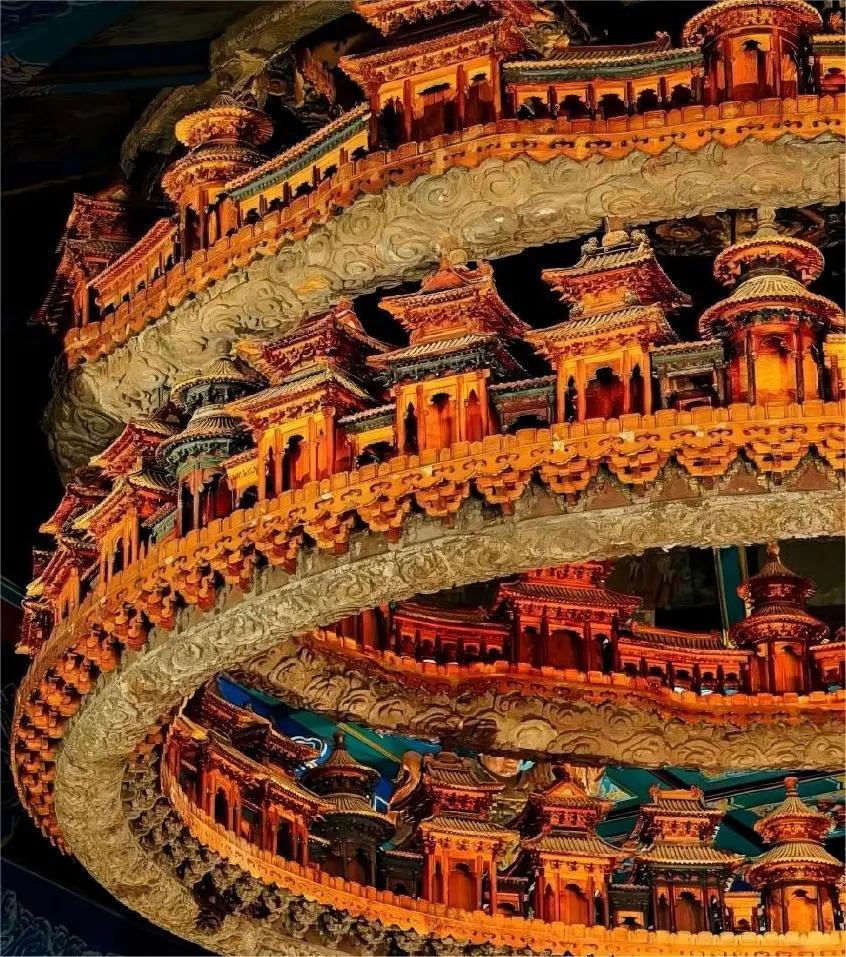
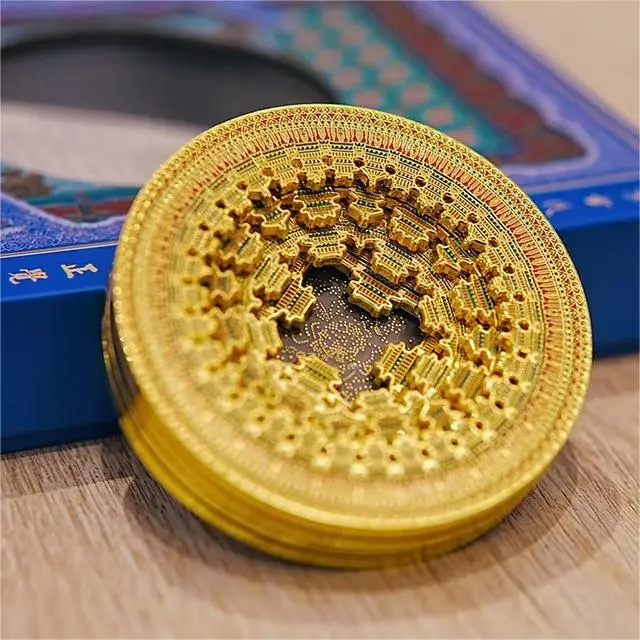
The Longfu Temple Ceiling Coffer (Zaojing) is divided into six intricately carved layers. The top layer shows a star chart with 1,427 stars, while the lower layers depict heavenly palaces and immortals. Standing beneath it, visitors can almost hear the chisels of ancient artisans.
Interactive Dougong Assembly Experience
Visitors can try building a Dougong model themselves. The mortise-and-tenon system is delicate—one mistake can collapse the structure. This hands-on activity illustrates the brilliance and complexity of Chinese timber architecture.
Exploring the Temple of Agriculture Grounds
Walk the Plowing Observation Platform (Guangengtai), touch Ming Dynasty granaries, and explore the One Mu and Three Fen Land. Every brick and tree tells a story of history, blending imperial ritual with natural beauty.
Travel Tips for Visiting Beijing Ancient Architecture Museum
- Opening Hours: 9:00 AM–5:00 PM (last entry 4:30 PM), closed Mondays except public holidays.
- Tickets: Adult ¥15; first 200 visitors every Wednesday free; reserve via the official WeChat account.
- Getting There: Take Subway Line 8 to Tianqiao Station (Exit D), 10-minute walk, or Bus 15/35 to Xiannongtan Station. The museum is near the Temple of Heaven, making a same-day visit convenient.
- Suggested Itinerary:
- Morning: Explore the Beijing Ancient Architecture Museum—highlights include the Longfu Temple Zaojing (Ceiling Coffer), Dougong models, and glazed tiles. Don’t miss interactive exhibits.
- Afternoon: Walk to the Temple of Heaven. Visit the Hall of Prayer for Good Harvests (Qiniandian), Echo Wall, and Circular Mound Altar (Huanqiu) for the full imperial sacrifice experience.
- Guided Tours: Free Chinese tours at 10:00 AM and 2:00 PM; English tours require advance booking.
The Beijing Ancient Architecture Museum is an “encyclopedia of Chinese architecture” and an “open-air classroom” for Oriental aesthetics. Roof curves, layered Dougong, and colored glazed tiles create a silent poetry. Every wooden block and tile invites dialogue with history. Want to discover more wonders around Beijing? Check out our guide to Top Attractions in Beijing.