Jiuzhaigou Travel Guide: Nature, Culture & Things to Do
On the edge of the Sichuan Basin and the Qinghai-Tibet Plateau lies Jiuzhaigou (Jiuzhai Valley), a fairyland of dreamlike beauty. With its colorful lakes, majestic waterfalls, snow-capped mountains, lush forests, and rich Tibetan and Qiang cultures, Jiuzhaigou is a must-visit destination for travelers from around the world.
Natural Wonders of Jiuzhaigou: Lakes, Waterfalls, Mountains, and Forests
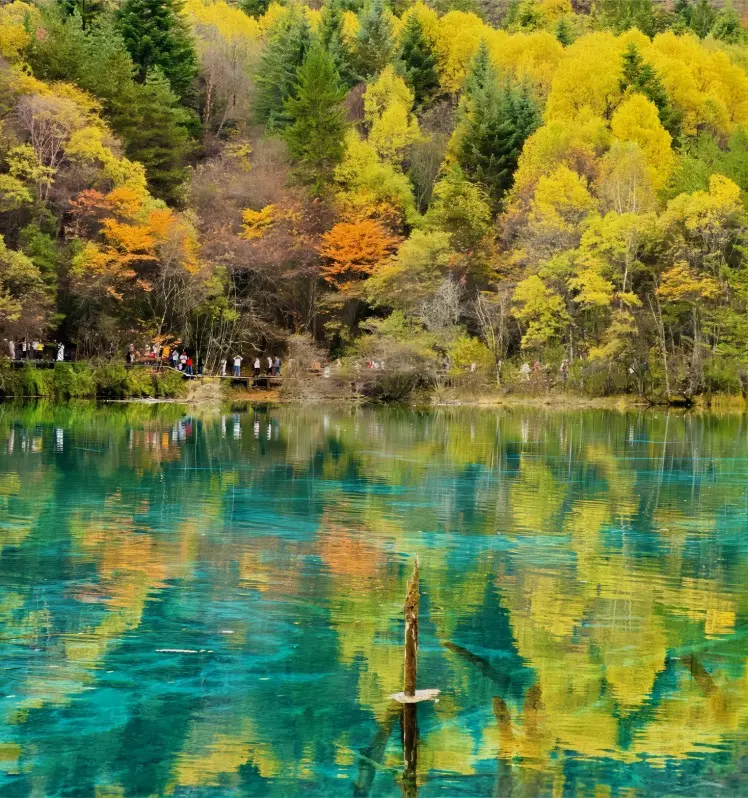
Five Flower Lake (Wǔhuā Hǎi): A Multicolored Gem
Five Flower Lake is one of Jiuzhaigou’s most famous hǎizi (lakes). Its water is crystal clear and reflects multiple colors—blue-green, yellow, dark blue, and deep green—due to calcium carbonate deposits and surrounding forests. Walking along its shore, visitors feel immersed in a magical, dreamlike world.
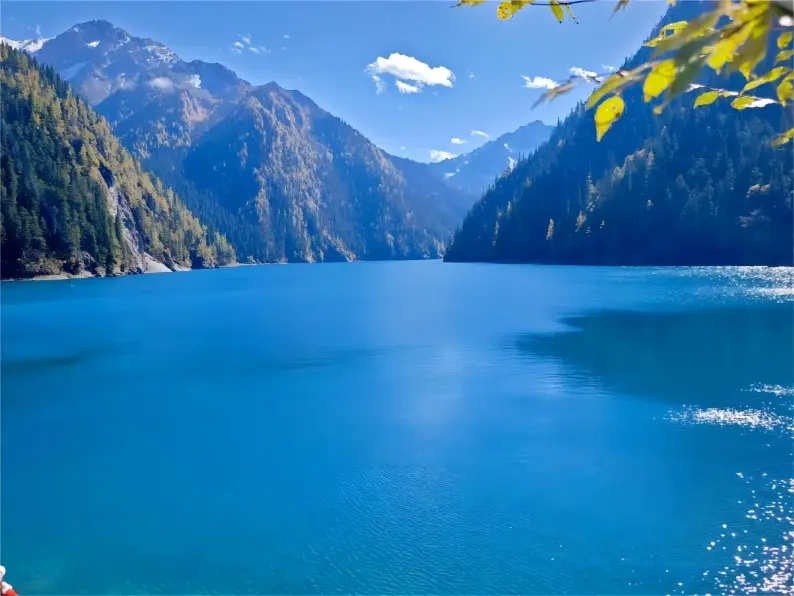
Long Lake (Cháng Hǎi): Serenity Among Snow-Capped Mountains
Long Lake, the largest and highest lake in Jiuzhaigou, lies between snow-capped mountains. Its sapphire-blue waters shimmer in the sun, creating a tranquil and majestic scene. Standing here, visitors can feel the grandeur of nature and a sense of peacefulness.
Nuorilang Waterfall: A Majestic Natural Symphony
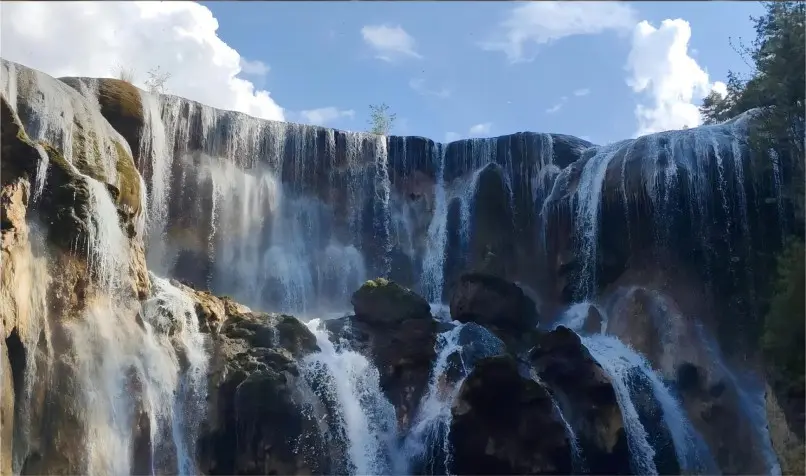
Nuorilang Waterfall, meaning “tall and magnificent” in Tibetan, is one of China’s largest travertine waterfalls. Its 270-meter-wide cascade forms a giant white curtain, often accompanied by rainbows. The roar and spray create a powerful natural symphony.

Pearl Shoal Waterfall: Crystal Clear Pearl-Like Waters
Pearl Shoal Waterfall sparkles like scattered pearls. Water leaps across the shoal, creating countless shimmering droplets. Standing beneath, visitors experience the cool mist and invigorating atmosphere.
Snow-Capped Mountains and Forests: Seasonal Beauty
Jiuzhaigou’s mountains and forests change with the seasons:
- Spring: Budding trees and blooming flowers
- Summer: Dense greenery for a cool retreat
- Autumn: Red, yellow, and green foliage in a vibrant tapestry
- Winter: Snow-covered mountains and forests resembling an ice kingdom

Cultural Treasures: Tibetan and Qiang Heritage in Jiuzhaigou
Tibetan and Qiang Architecture: Unique Ethnic Style
Jiuzhaigou features Tibetan blockhouses (diāolóu) and Qiang-style houses, built with stone and wood. The architecture is elegant, functional, and rich in cultural meaning. Visitors can appreciate the design, craftsmanship, and lifestyle of the ethnic communities.
Folk Festivals: Rich Traditions and Colorful Celebrations
The Tibetan and Qiang peoples celebrate festivals like the Tibetan New Year and Qiang New Year with singing, dancing, traditional clothing, and food. Their unique marriage and funeral customs reflect a profound respect for life and tradition.

Visitor Experience: Food, Accommodation, and Activities
Food: Savor Tibetan and Qiang Cuisine
Must-try local specialties include:
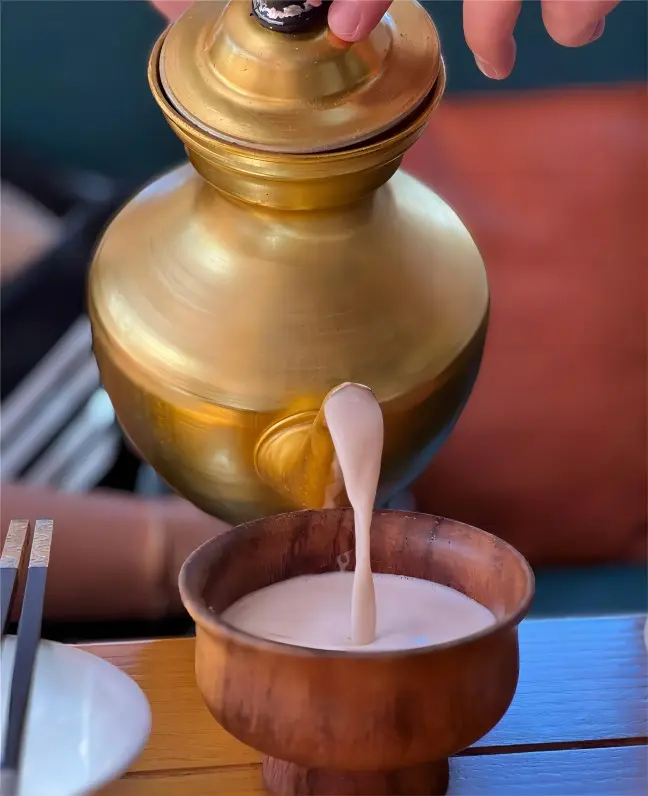
- Yak butter tea (sūyóu chá): Rich and milky, perfect for cold weather
- Highland barley wine (qīngkē jiǔ): Refreshing and fragrant
- Yak meat: Tender and flavorful, prepared roasted or in hot pots
- Tsampa (zānbā): Roasted barley flour mixed with yak butter tea or wine
Accommodation: Stay in Characteristic Guesthouses
Visitors can choose from high-end hotels, B&Bs, or Tibetan and Qiang-style guesthouses. These lodgings provide ethnic decor, traditional food, and cultural activities, offering a deeper local experience.
Activities: Trekking, Horse Riding, and Cultural Events
Beyond sightseeing, travelers can:
- Attend Tibetan and Qiang song and dance performances
- Try horse riding, archery, or participate in cultural events
- Trek or explore the stunning landscapes for outdoor adventure
How to Get to Jiuzhaigou: Transport, Tickets, and Best Seasons
High-Speed Rail and Local Transport
Take the HSR from Chengdu East Station to Huanglong-Jiuzhai Station (1 hour 39 minutes, ¥129–148). From there, it’s about a 30–110 minute drive to the scenic areas.
Flights and Airport Transfers
Fly to Jiuzhai-Huanglong Airport, 88 km from Jiuzhaigou. Airport shuttles or private cars connect to the scenic area.
Buses from Chengdu
Direct buses depart from Xinnanmen Bus Station and Chadianzi Bus Station, taking 7.5–9.5 hours (¥175–238).
Ticket Prices
- Peak Season (Apr 1 – Nov 15): Admission ¥169, Sightseeing Bus ¥90
- Off-Peak (Nov 16 – Mar 31): Admission ¥80, Sightseeing Bus ¥80
Opening Hours
Open 7:30 AM – 5:00 PM. Hours may vary by season; check in advance.
Best Time to Visit
- Spring: Flowers bloom, mild weather
- Summer: Green scenery, cool escape
- Autumn: Vibrant fall foliage (peak tourist season)
- Winter: Snow-covered landscapes, quieter visits
Conclusion: Why Jiuzhaigou is a Must-Visit Destination
Jiuzhaigou Scenic Area combines spectacular natural beauty with rich Tibetan and Qiang culture. From multicolored lakes and majestic waterfalls to ethnic architecture and delicious local cuisine, every traveler can experience unforgettable memories in this magical land. Furthermore, to explore more highlights of a Sichuan journey, don’t miss our page on Chengdu Tourist Attractions!