Lhasa: The Fastest-Growing Destination for International Tourism in 2026
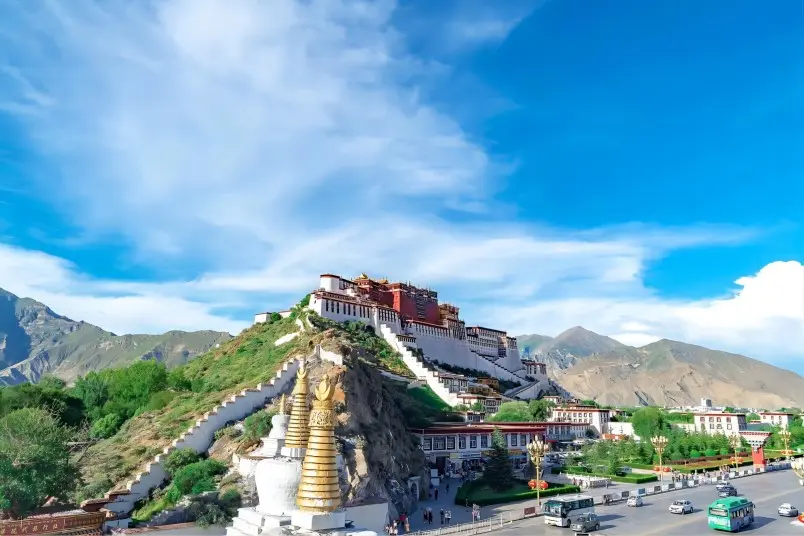
As of 2026, Lhasa has seen a staggering 315% year-on-year increase in foreign visitors, making it one of the top cities in China for inbound tourism growth. This city, sitting at an altitude of 3,650 meters, also known as the “Sunlight City,” has become the go-to destination for foreign tourists looking to explore the snow-capped plateau of Tibet and experience Tibetan Buddhism. With a visa-free policy, winter travel benefits, a viral Spring Festival performance, and UNESCO World Heritage sites, Lhasa offers the perfect gateway to Tibet.
1. Why Has Foreign Tourism to Lhasa Surged in 2026? (Core Reasons)
1. 47 Countries Visa-Free + Extended Holidays – Zero Barriers to Entry
In 2026, China continues its visa-free policy for citizens of 47 countries, including France, Germany, Italy, Japan, South Korea, Australia, and New Zealand. Coupled with the extended Spring Festival holiday, foreign visitors can easily travel to Lhasa without needing a visa. As the gateway to Tibet, Lhasa has seen a massive surge in inbound bookings.
2. “Winter Travel in Tibet” Policy – Slash Your Travel Costs
From October 15, 2025, to March 15, 2026, major attractions like the Potala Palace and Norbulingka have been offering free entry. Additionally, 3-star and higher hotels and flights are priced at off-season rates, cutting travel costs by up to 50%. With abundant winter sunshine (an average of 8 hours per day), fewer tourists, and excellent photography opportunities, Lhasa attracts a large number of foreign tourists seeking to avoid the crowds.
3. Spring Festival Gala in Lhasa – A Global Social Media Sensation
The 2026 CCTV Spring Festival Gala showcased Lhasa’s Potala Palace, Barkhor Street, and Tibetan New Year celebrations, making the “Holy City of Snow” a trending topic on global social media. Iconic spots like the “Potala Palace Night View” and “Barkhor Street Kora” have turned into must-visit destinations for international travelers.
4. Unique Culture + Enhanced Services
- World Heritage Sites: Potala Palace, Jokhang Temple, and Barkhor Street are sacred landmarks of Tibetan Buddhism, offering unique spiritual experiences.
- International Services: English signage and bilingual services are now available at airports, attractions, and hotels, with comprehensive international payment options and foreign currency exchanges.
- Altitude Support: Many hotels provide free oxygen supply and humidifiers, and oxygen bottles are readily available at pharmacies, ensuring visitors can easily adjust to the altitude.
2. Transportation and Accommodation: Easy Access and Comfortable Stays
1. How to Get to Lhasa (Foreign Visitor-Friendly)
✈️ Air Travel (Most Recommended)
Lhasa Gonggar Airport (LXA) is approximately 60 km from the city center, with direct flights available from Chengdu, Chongqing, Xi’an, Beijing, and Shanghai.
- International Convenience: Foreign tourists must obtain an “Entry Permit for Tibet” through a travel agency.
- From Airport to City:
- Airport shuttle: 30 RMB per person, 1 hour, last bus at 21:00
- Taxi: 150–200 RMB, 40 minutes (shared rides available)
- Pre-arranged airport pickup: Available through hotels or travel agencies, including assistance with the Tibet permit.
🚞 Train (Slow Adjustment to Altitude)
The Qinghai-Tibet Railway from Xining to Lhasa (Z6801) takes about 21 hours, passing through the breathtaking Qiangtang Plateau and Tanggula Mountains.
- Ticket Prices: Hard sleeper 500–800 RMB, soft sleeper 1,000–1,500 RMB (Some carriages offer oxygen)
- Advantages: The gradual increase in altitude minimizes the risk of altitude sickness.
🚗 Private Car / Shared Ride
Ideal for circular trips (Lhasa → Yamdrok Lake → Namtso Lake).
- 5-seat car: 600–800 RMB per day, with a driver and guide.
2. Getting Around Lhasa (Simple and Convenient)
- Taxis: Starting fare 10 RMB, typical fares within the city range from 15–30 RMB, with English communication supported.
- Buses: 1–2 RMB, supported by Alipay electronic cards, covering attractions like the Potala Palace, Barkhor Street, and Sera Monastery.
- Electric Scooters / Bicycles: 30–50 RMB per day, ideal for exploring Barkhor Street and Lhasa River.
- Ride-hailing: Didi (Chinese Uber) is available, recommended for pre-booking.
3. Accommodation Recommendations (Choose Based on Your Needs)
① Barkhor Street / Jokhang Temple Area (Best for Culture + Convenience)
- Advantages: Walking distance to the Potala Palace, Jokhang Temple, and Barkhor Street. Rich Tibetan atmosphere and plenty of food options.
- Recommended: Pema Kangsang Hostel, Bonda Tsang Boutique Hotel, Shangri-La Hotel
- Price: 200–1,000 RMB per night, most offer English service and oxygen support.
② Potala Palace Square Area (Best for Views + Luxury)
- Advantages: Rooms with Potala Palace views, stunning night scenery, international hotel chains.
- Recommended: St. Regis, InterContinental, Atour Hotel (Potala Palace Branch)
- Price: 500–1,500 RMB per night.
③ Xianzu Island / Sun Island (Quiet + Affordable)
- Advantages: Located by the Lhasa River, quiet and comfortable with a local vibe.
- Recommended: Tibetan-style guesthouses, boutique inns.
- Price: 150–400 RMB per night.
Accommodation Tips:
- Book 1 month in advance during peak season (May–October).
- Opt for hotels with oxygen supply, English services, and breakfast included.
- Barkhor Street is great for cultural exploration; the Potala Palace area offers the best views.
3. Top 5 Must-See Attractions in Lhasa (Most Popular with Foreign Visitors)
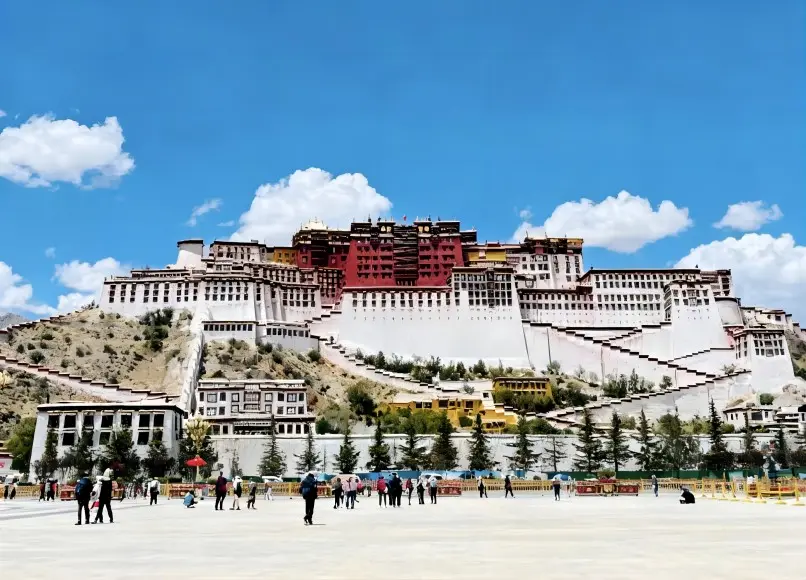
1. Potala Palace (The Pearl of the Roof of the World)
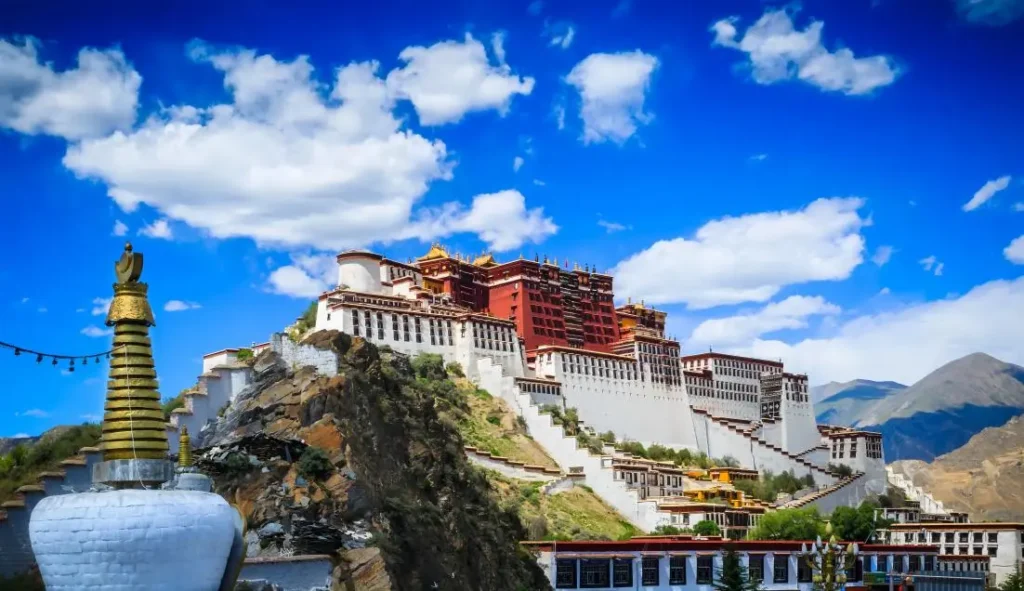
- Reason to Visit: A UNESCO World Heritage site and the symbol of Tibetan Buddhism, built by Songtsen Gampo for Princess Wencheng. The red and white palace is perched on a mountain, gleaming with a golden roof, housing thousand-year-old murals, statues, and stupas. From the top, you can see all of Lhasa, and the view is breathtaking under the blue sky.
- Practical Information: Free during the off-season (Winter Travel Policy); 200 RMB in peak season. Reservations must be made 7 days in advance via the “Potala Palace Ticketing” app. Open 9:00–16:00 (closed on Mondays). The visit takes 3–4 hours, so go slowly to avoid altitude sickness.
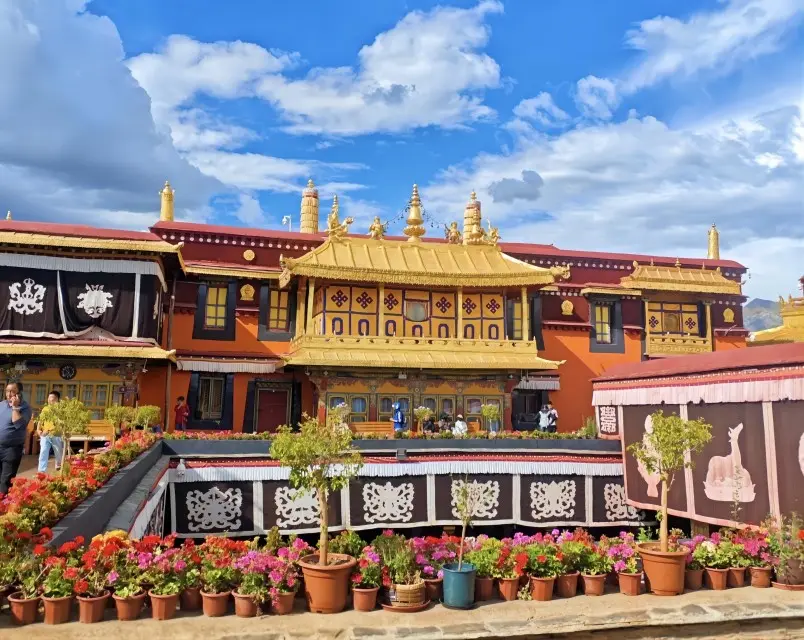
2. Jokhang Temple + Barkhor Street (The Heart of the Holy City)
- Reason to Visit: Jokhang Temple houses the revered 12-year-old statue of Shakyamuni, one of Tibet’s holiest sites. Barkhor Street, the ancient kora circuit around the temple, offers a rich cultural atmosphere with Tibetan architecture, thangka shops, and sweet tea houses.
- Practical Information: Jokhang Temple entry: 85 RMB, open 8:00–18:00. Barkhor Street is free, with a suggested 2–3 hours for visiting. Be respectful of religious customs and walk the kora clockwise.
3. Sera Monastery (Famous for Debating Monks)
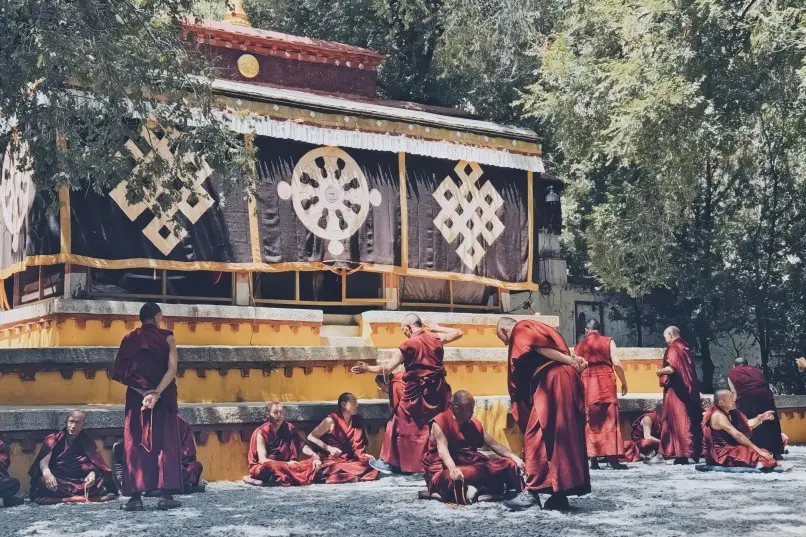
- Reason to Visit: Sera Monastery is one of the three major monasteries in Lhasa and is known globally for its monk debates. At 3:00 PM daily, monks engage in passionate debates on Buddhist philosophy, clapping, shouting, and jumping in excitement. The red-roofed monastery surrounded by ancient trees is a peaceful and beautiful place.
- Practical Information: Entry: 50 RMB, open 9:00–16:00 (debates from 15:00–17:00). Spend about 2 hours here, and remember to ask for permission before taking photos.
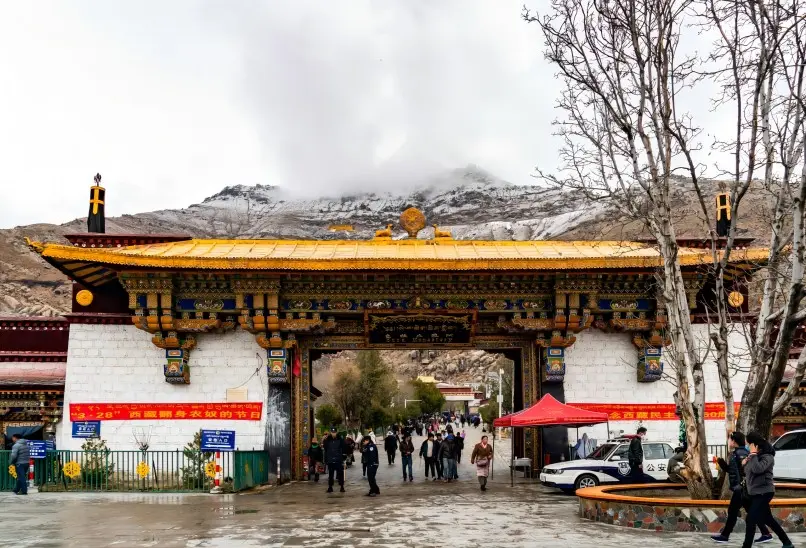
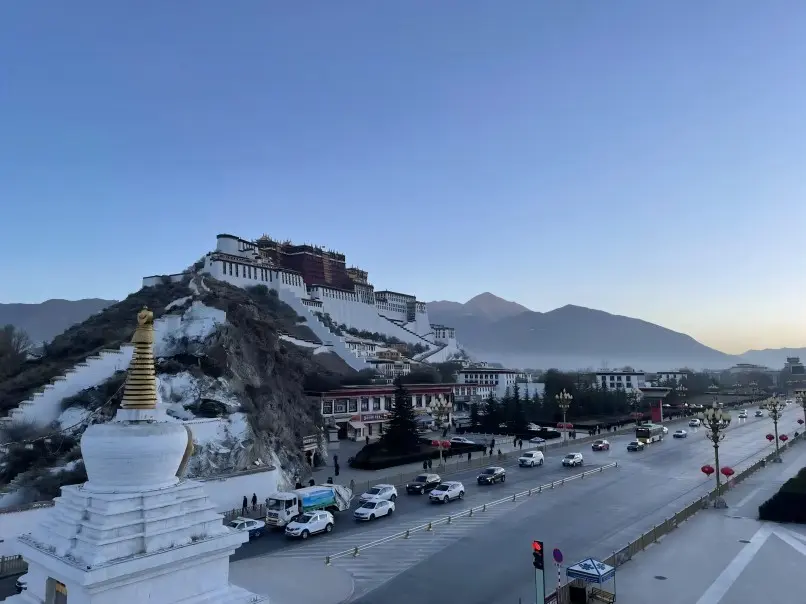
4. Medicinal King Mountain Viewing Platform (The 50 RMB Note Background)
- Reason to Visit: This is the best spot for capturing the Potala Palace, with the same angle seen on the back of the 50 RMB note. Capture the golden light at dawn and the sunset views in the evening.
- Practical Information: Free, open all day. Visit an hour before sunrise or sunset for the best photos.
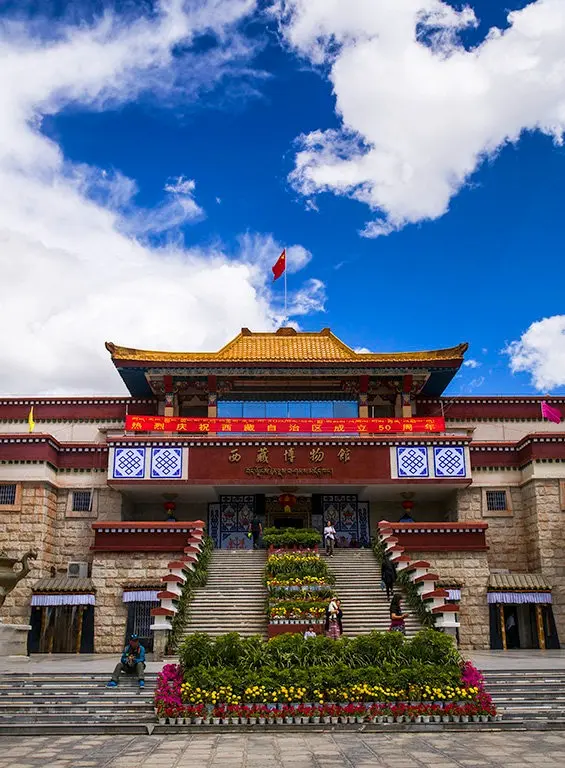
5. Tibet Museum (The Ultimate Guide to Tibet’s History)
- Reason to Visit: The museum offers an excellent overview of Tibet’s 1,000-year history, with collections of artifacts from the Tubo dynasty, thangkas, religious statues, and traditional clothing.
- Practical Information: Free entry, open 9:30–17:30 (closed on Mondays). Spend 1.5 hours here to explore.
4. Top 5 Must-Try Foods in Lhasa (A Taste of Tibet
for Foreign Visitors)
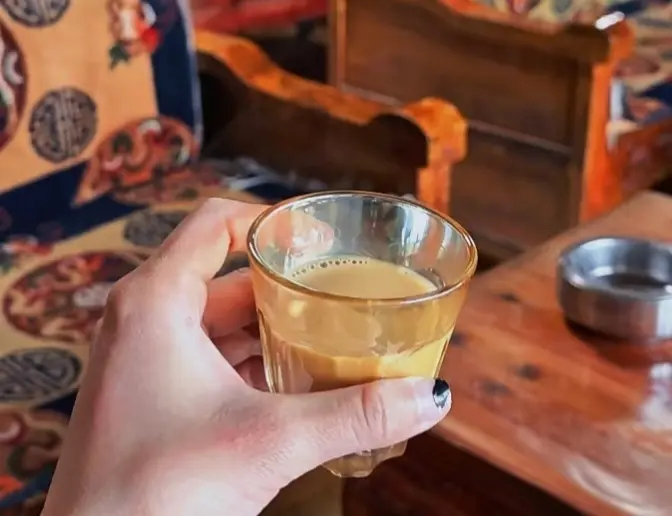
1. Tibetan Sweet Tea (Lhasa’s National Beverage)
- Taste: A mix of black tea, milk powder, and sugar, creating a rich and smooth, mildly sweet beverage.
- Why It’s Loved: Helps with altitude sickness, hydrates, and warms you up.
- Price: 5–10 RMB per cup, widely available in tea houses around Lhasa.
- Recommended Spots: Guangming Gangqiong Tea House, Canggu Temple Tea House.
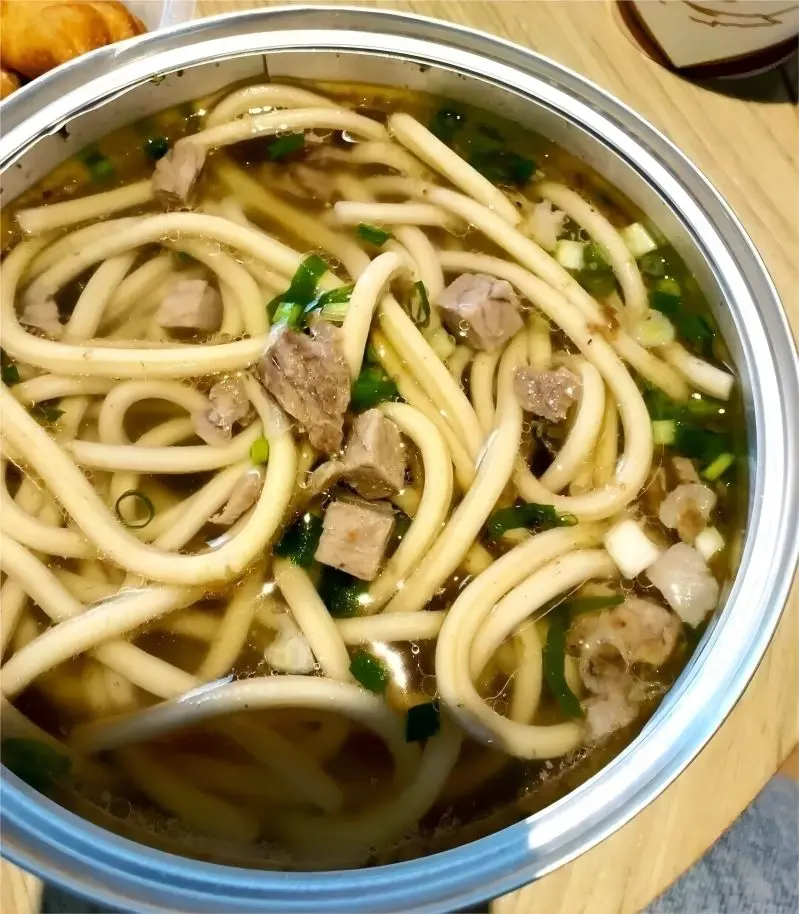
2. Tibetan Noodles (The King of High-altitude Breakfasts)
- Taste: Alkali water noodles served with a rich yak bone soup, topped with chunks of yak meat.
- Why It’s Loved: Hearty, warming, and flavorful, perfect for the cold mornings.
- Price: 8–15 RMB per bowl.
- Recommended Spots: Guangming Gangqiong, Snowy Plateau Restaurant.
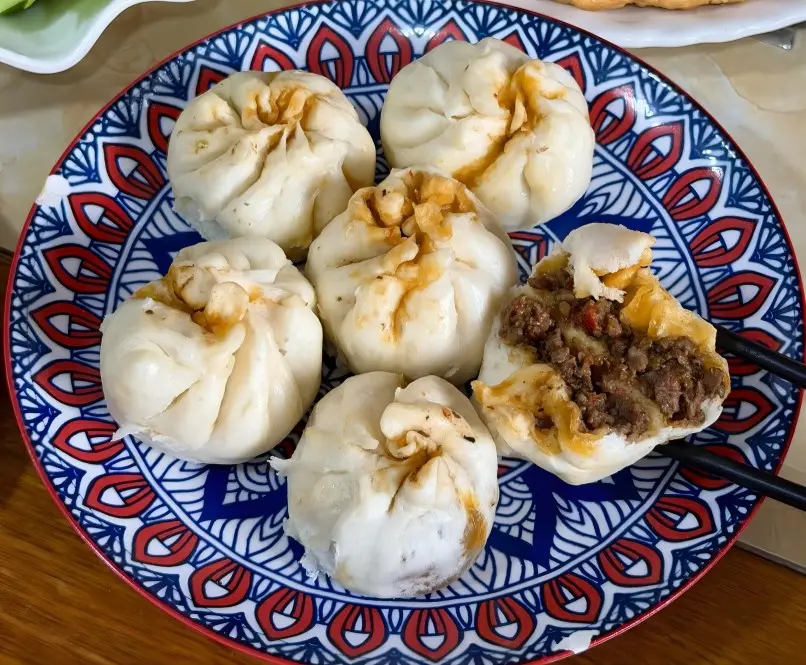
3. Yak Meat Dumplings (Snowy Region Meat Buns)
- Taste: Soft dough wrapped around yak meat and onions, bursting with rich, savory flavor.
- Why It’s Loved: High in protein, delicious, and filling.
- Price: 10–15 RMB per basket.
- Recommended Spots: Tibetan restaurants around Barkhor Street, Tianhai Night Market.
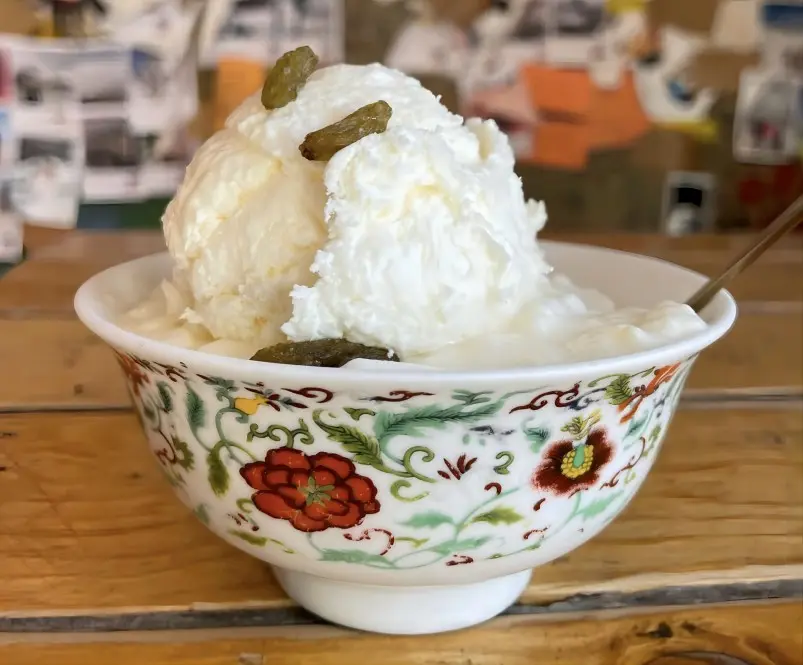
4. Tibetan Yogurt (High-altitude Tangy Delight)
- Taste: Naturally fermented yak milk yogurt, sour yet rich in flavor, often served with honey or sugar.
- Why It’s Loved: Great for digestion and alleviates altitude sickness.
- Price: 10–15 RMB per bowl.
- Recommended Spots: Street vendors, Maggie Amei.
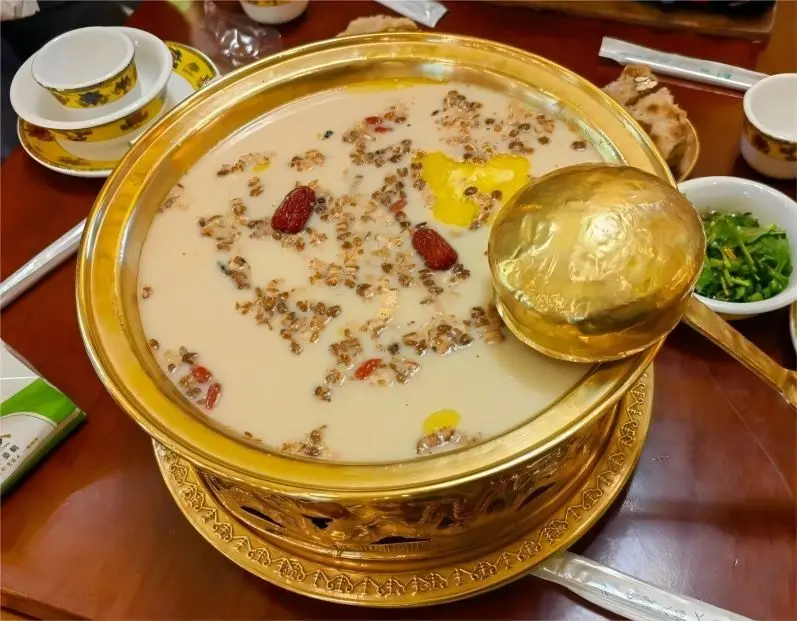
5. Butter Tea (Tibetan Energy Drink)
- Taste: A salty, rich tea made with butter and salt, smooth and energizing.
- Why It’s Loved: Known as the “tea of life” in Tibetan culture, it helps with cold and dry conditions at high altitudes.
- Price: 10–20 RMB per pot.
- Recommended Spots: Traditional Tibetan restaurants and homestays.
Bonus: Dried Yak Meat
A chewy, flavorful, high-protein snack.
Price: 20–30 RMB per serving.
5. 2–3 Day Itinerary for Foreign Visitors
Best Time to Visit:
- May–June: Rhododendrons in bloom, mild weather (15–25℃), fewer tourists, perfect for photos
- July–September: Post-rain season, clear skies and green grass, stunning sunsets
- October–November: Golden autumn, clear skies, ideal for snow-capped mountain views
- Winter (December–March): Discounted prices, free entry to attractions, fewer crowds, excellent value for money
Option 1: 2-Day Easy Highlights Tour (Culture + Faith + Food)
Accommodation: Near Barkhor Street
Day 1:
- Morning: Light walk around Barkhor Street to adjust to the altitude
- Lunch: Tibetan noodles and sweet tea at a local tea house
- Afternoon: Visit Jokhang Temple
- Evening: Watch the sunset at Medicinal King Mountain, enjoy the night view of Potala Palace
- Night: Rest early
Day 2:
- Morning: Visit Potala Palace (slowly to adjust to the altitude)
- Lunch: Tibetan meal near Potala Palace
- Afternoon: Visit Tibet Museum
- Evening: Last-minute shopping at Barkhor Street and prepare for departure
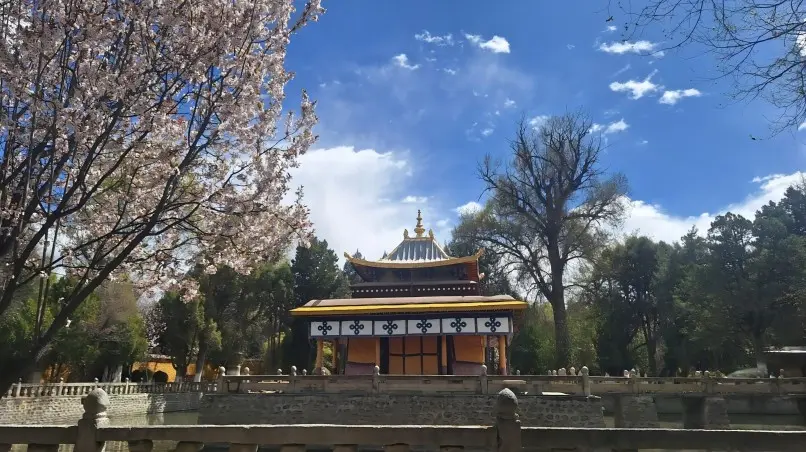
Option 2: 3-Day Comfortable Deep Dive Tour
Accommodation: Stay at a hotel near Barkhor Street for convenience
Day 1:
- Slow exploration of Barkhor Street, Jokhang Temple, and Medicinal King Mountain
- Enjoy the Potala Palace night view
Day 2:
- Deep dive into Potala Palace
- Visit Norbulingka and relax by Lhasa River
- Enjoy Tibetan snacks in the evening
Day 3:
- Visit Sera Monastery for the monk debates
- Explore Tibet Museum
- Last-minute shopping at Barkhor Street
6. Conclusion: Why Visit Lhasa?
Lhasa has earned its place as the fastest-growing city for international tourists in 2026 because of its perfect blend of world-class culture, stunning landscapes, modern services, and policy benefits.
- Spiritual Significance: Potala Palace, Jokhang Temple, and Barkhor Street offer one-of-a-kind experiences of Tibetan Buddhism.
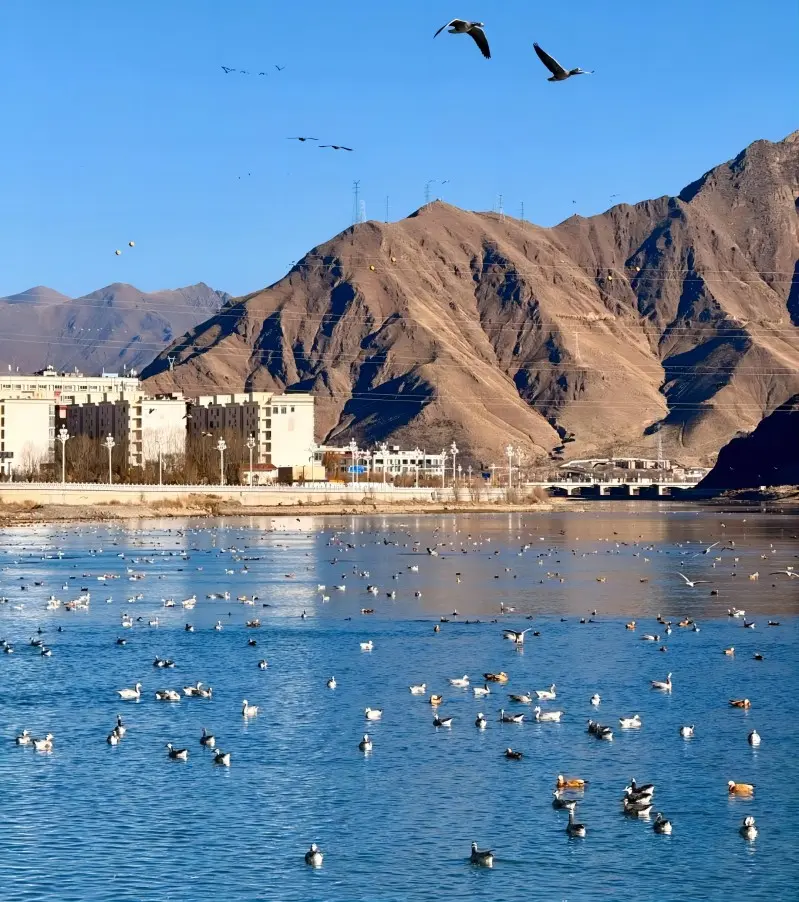
- Sunlight City: With over 3,000 hours of sunshine annually, mild winters, and fresh air, Lhasa is an ideal place to rejuvenate.
- Delicious Food: Tibetan sweet tea, noodles, yak meat, and yogurt provide an authentic taste of the plateau.
- Visitor-Friendly: With visa-free access, winter discounts, English services, and altitude support, Lhasa is an easy and welcoming destination for international travelers.
Come visit Lhasa, the city that touches the soul of Tibet – where ancient faith meets sunlight, and every corner tells a story of spirituality, beauty, and tranquility. This is China’s closest place to heaven – a journey that will leave you spiritually transformed! If you’re interested in discovering more places experiencing a surge in international visitors, check out our guide to China’s Top Rising Destinations for 2026.