Huanglong Scenic Area Travel Guide: Nature, Culture & Things to Do
Nestled in the towering mountains of Northwest Sichuan lies Huanglong Scenic Area (Yellow Dragon Scenic Area), a dreamlike fairyland of natural beauty and rich cultural heritage. Like a golden dragon sleeping on the earth, Huanglong attracts visitors worldwide with its stunning travertine landscapes, Tibetan Buddhist culture, and unique ethnic charm.
For international travelers, Huanglong Scenic Area is more than a visual feast—it’s a journey to explore China’s nature, culture, and local traditions.
I. Natural Scenery of Huanglong Scenic Area : Stunning Travertine Landscapes
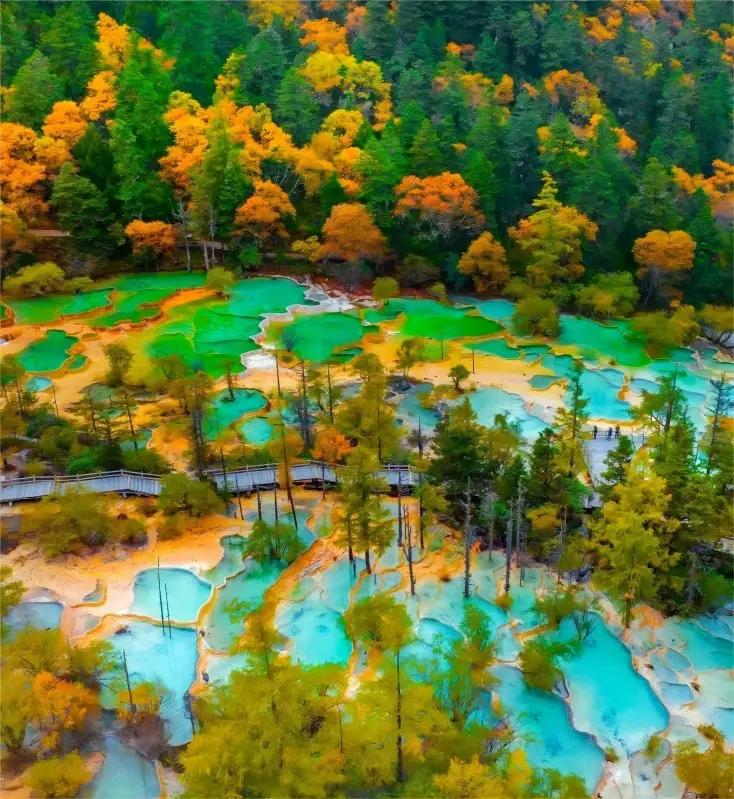
Huanglong Scenic Area is famous for its travertine formations, including multicolored ponds, golden shoals, waterfalls, and high-altitude forests. These landscapes shimmer under the sun, creating a magical tapestry of color and texture.
1. Five-Color Ponds (Wǔcǎi Chí): A Painter’s Palette on Earth
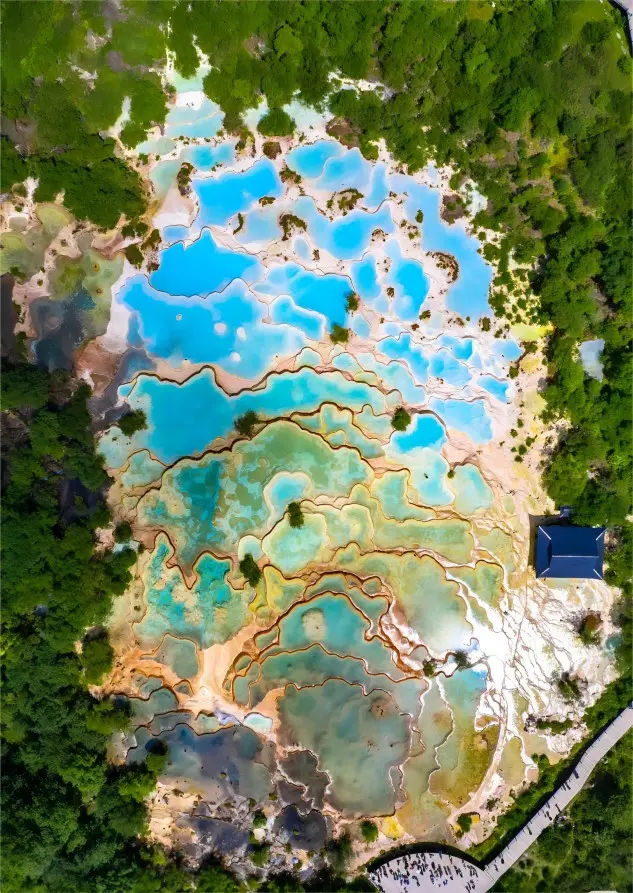
The Five-Color Ponds are Huanglong’s most iconic attraction. At an elevation of 3,576 meters, hundreds of travertine pools cascade down the mountainside, reflecting deep blue, light blue, goose yellow, emerald green, and pink hues. These colors arise naturally from minerals, algae, and sunlight. Walking along the ponds feels like stepping into a dreamlike world.
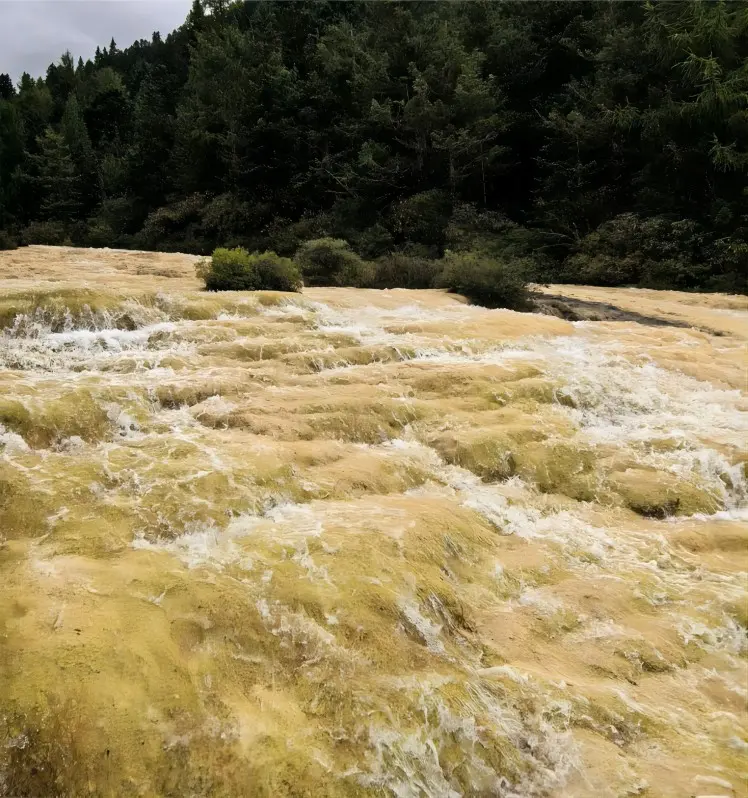
2. Golden Sand Paving the Ground (Jīnshā Pūdì): A Golden Corridor
This travertine shoal stretches 1,300 meters long and 100–200 meters wide. Its golden surface glistens in sunlight like a ribbon of gold. Walking here, with soft travertine underfoot and flowing water nearby, visitors feel immersed in a golden dream corridor.
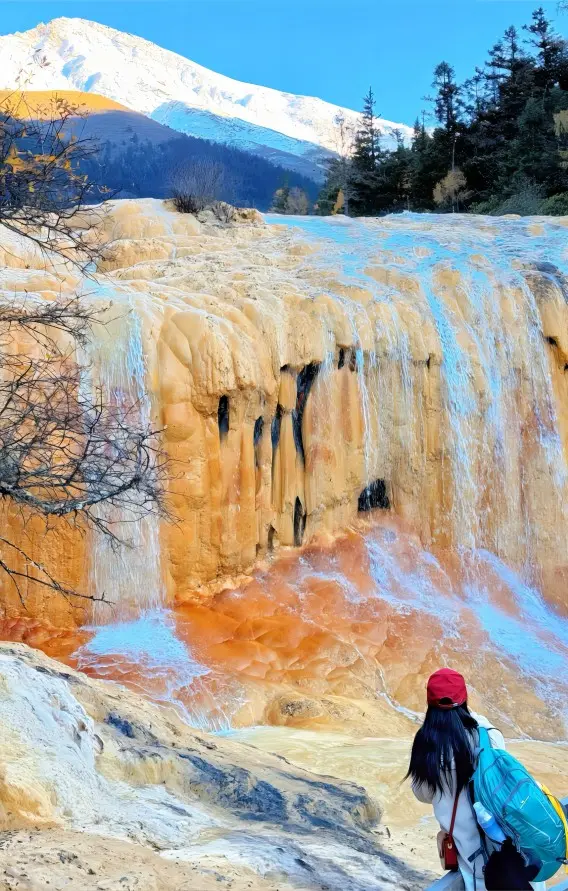
3. Body Washing Cave (Xǐshēn Dòng): Nature’s Mystical Bath
Hidden behind a travertine waterfall, the Body Washing Cave is a natural grotto where spring water cascades into a small pool. Local legend says it purifies the body and brings luck. Visitors are drawn by its mysterious charm and the enchanting natural setting.
II. Cultural Background of Huanglong Scenic Area : Tibetan and Qiang Heritage
Huanglong is also home to rich cultural traditions, shaped by Tibetan, Qiang, and Han communities living in harmony.
1. Tibetan Buddhist Culture: The Soulful Ancient Temple
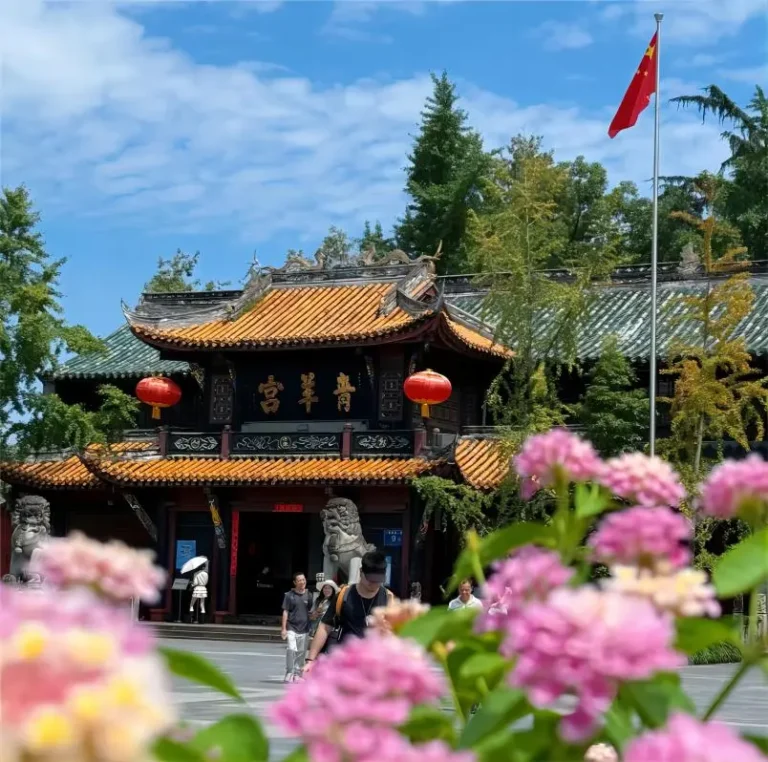
Within the park stands Huanglong Ancient Temple (Huánglóng Gǔ Sì), a Ming Dynasty Tibetan Buddhist temple. Its architecture blends Tibetan and Han styles—solemn and magnificent. The temple houses numerous Buddha statues, and devotees come to pray for blessings. International visitors can explore Tibetan Buddhist culture and witness the devotion and faith of the believers.
2. Ethnic Traditions: Festivals, Music, and Cuisine
The surrounding Tibetan and Qiang communities celebrate festivals with singing, dancing, and colorful clothing. Tibetans perform the Guōzhuāng circle dance, while the Qiang showcase the Shālang dance. Visitors can sample yak butter tea, highland barley wine, and yak meat, experiencing authentic ethnic flavors. Interacting with locals provides a memorable cultural experience.

III. Visitor Experience: Food, Accommodation, and Activities
1. Food: Local Specialties
- Yak butter tea (sūyóu chá): Rich, milky, and warming
- Highland barley wine (qīngkē jiǔ): Mellow and refreshing
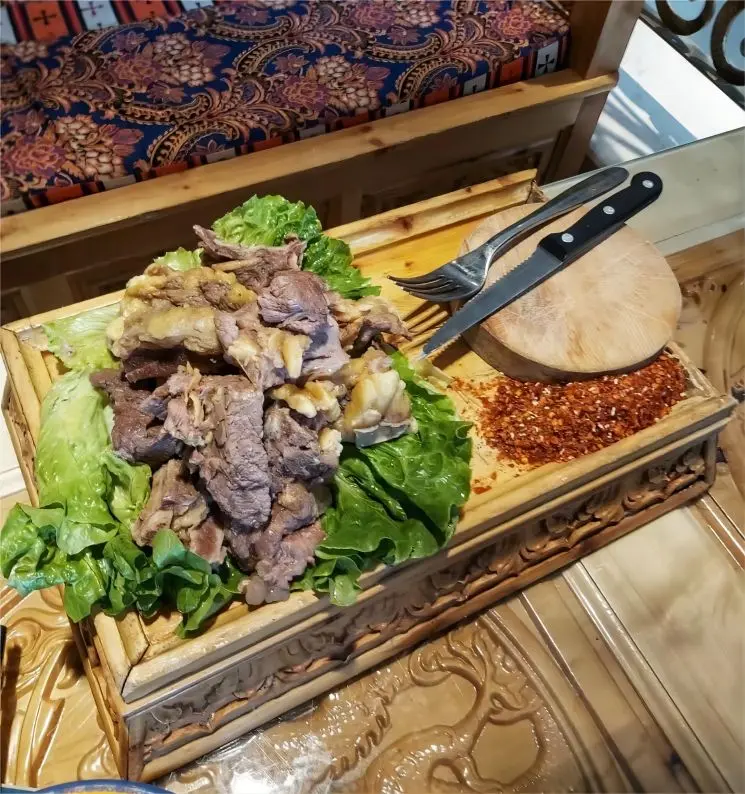
- Yak meat dishes: Roasted or in hot pots
- Tibetan steamed buns and Qiang roasted lamb: Traditional flavors, unique textures
2. Accommodation: Stay in Tibetan and Qiang-Style Guesthouses
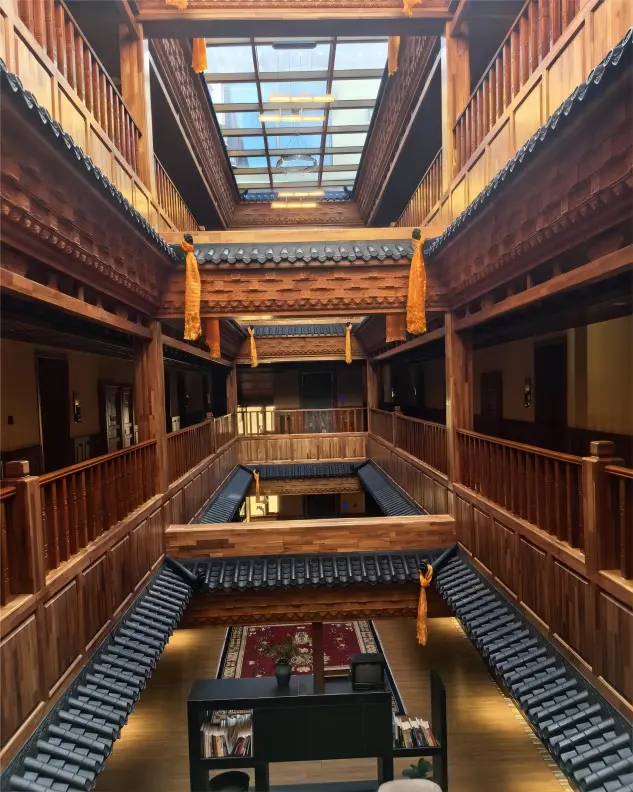
Options range from high-end hotels to cozy B&Bs. For cultural immersion, stay in Tibetan cottages built with stone and wood or Qiang blockhouses, enjoying traditional architecture, local hospitality, and homemade ethnic specialties.
3. Activities: Folk Performances and Outdoor Adventures
- Watch Tibetan and Qiang song and dance shows
- Try horse riding, archery, and cultural workshops
- Trekking and mountaineering in Huanglong’s scenic landscapes
IV. Visitor Guide: Transportation, Tickets, and Best Seasons
Transportation to Huanglong Scenic Area
- High-Speed Rail: From Chengdu East Station to Huanglong-Jiuzhai Station in 1 hour 39 minutes, then a 30-minute shuttle or taxi to the scenic area.
- Bus: Coaches from Chengdu Xinnanmen or Chadianzi Bus Station to Songpan (8–10 hours), then local transfer.
Admission Tickets
- Peak Season (Apr 1–Nov 15): ¥170 per person
- Off-Peak (Nov 16–Mar 31): ¥60 per person
- Cable Car: Ascent ¥80, Descent ¥40
Opening Hours
- 8:00 AM – 4:00 PM (seasonal adjustments may apply)
Best Time to Visit
- Summer (June–August): Pleasant temperatures, lush greenery
- Autumn (September–October): Vibrant colored forests, stunning scenery
Note: High-altitude climate can be chilly even in summer; bring warm clothing.
V. Conclusion
Huanglong Scenic Area is a breathtaking destination where natural beauty meets rich cultural heritage. From the Five-Color Ponds and golden travertine corridors to the Huanglong Ancient Temple and vibrant Tibetan-Qiang traditions, every traveler can experience unforgettable landscapes, cuisine, and cultural immersion.
Whether you seek scenic exploration, cultural discovery, or culinary delights, Huanglong Scenic Area offers a perfect combination of nature, culture, and adventure. Furthermore, to explore more highlights of a Sichuan journey, don’t miss our page on Chengdu Tourist Attractions!