Changsha Travel Guide 2026: Attractions, Food & 3-Day Itinerary
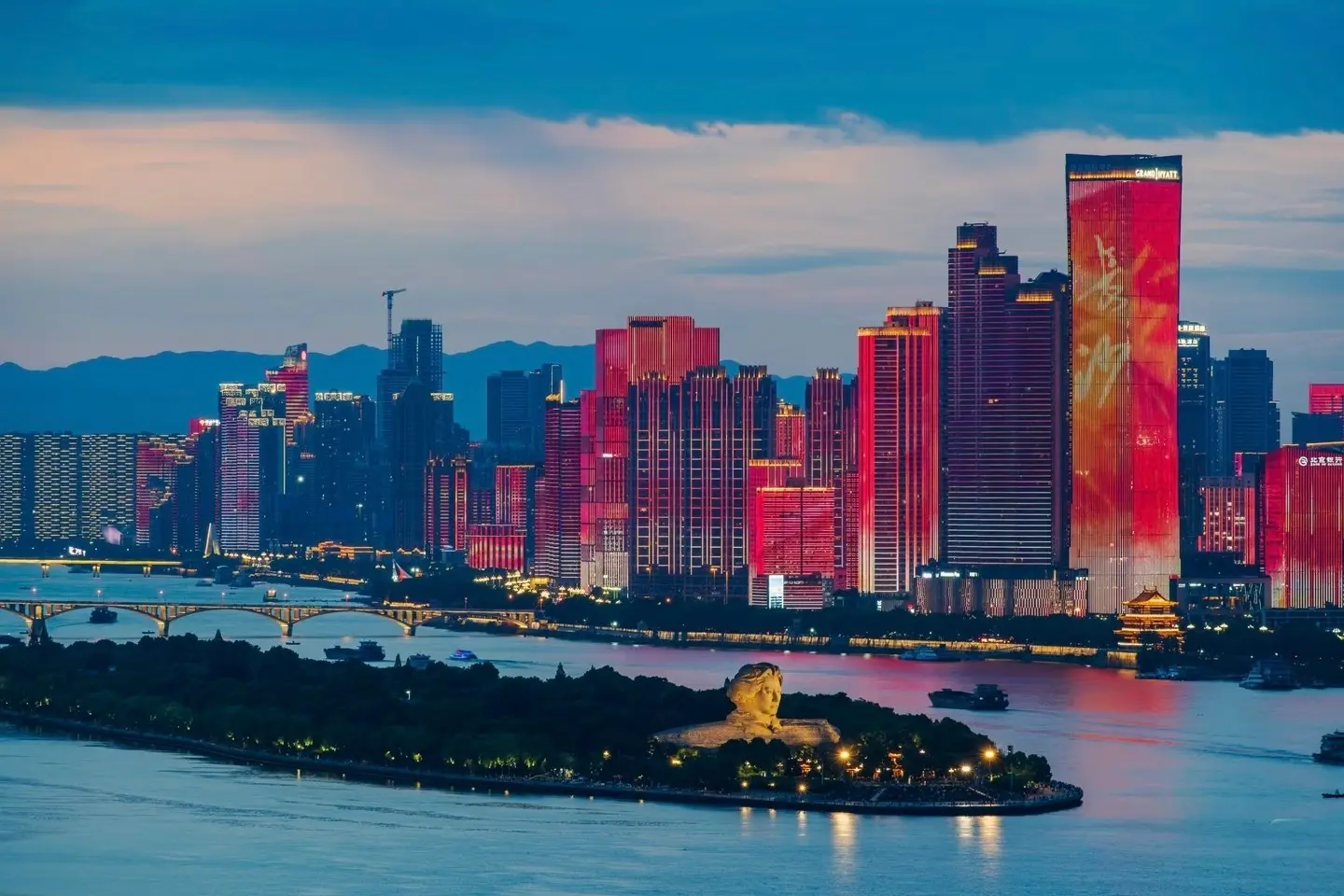
Planning a trip to Changsha? This guide explains why this inland city, far from the coast and China’s borders, has become a favorite destination for its vibrant nightlife and night-time economy. From understanding why Changsha is gaining popularity to planning your visit, you’ll find practical information on transportation, accommodation, attractions, local food, and a 3-day itinerary.
If you’re interested in discovering more places experiencing a surge in international visitors, check out our guide to China’s Top Rising Destinations for 2026.
1. Changsha: A Rising Destination for International Travelers
Here’s a figure you might not know: in the first half of 2026, Changsha welcomed 182,300 inbound tourist visits, an increase of 37.81% year on year on a comparable basis. Total spending by inbound tourists reached US$224 million, up 61.39% year on year.
For several consecutive years, Changsha has ranked first among the provincial capitals of China’s six central provinces in the number of foreign visitors entering through its port of entry. The city has also been selected as a national tourism hub and ranked among the top 20 domestic destinations favored by foreign tourists, according to Qunar’s data for the first half of 2026.
In other words, Changsha is one of China’s fastest-growing destinations for inbound tourism and an important gateway for international travelers exploring central China.
Is Changsha Worth Visiting?
Yes! Changsha is worth visiting for its distinctive local culture, delicious food, lively nightlife, and growing convenience for international travelers.
- Visa-free transit and easier travel: China’s 240-hour visa-free transit policy covers Changsha and Zhangjiajie for eligible travelers, while Hunan’s inbound tourism measures aim to simplify travel arrangements.
- Better international connections and services: More direct international flights, more convenient payment options, and improving visitor services are making Changsha easier to visit.
- Famous local food: From stinky tofu and rice noodles to spicy crayfish and chili stir-fried pork, Changsha is a great destination for food lovers.
- Lively nightlife: Night markets, busy shopping streets, and late-night food spots make the city especially appealing after dark.
- History meets modern city life: Explore Yuelu Academy, the Mawangdui Han Tombs at Hunan Museum, historic streets, and trendy shopping and entertainment areas.
A distinctive urban experience: World-famous cultural treasures such as the Mawangdui Han Tombs, lively nightlife, popular Hunan cuisine, and trendy shopping streets have helped Changsha gain attention through word of mouth among international travelers.
Best Time to Visit Changsha
Spring and autumn (March–May and September–November) are generally the most comfortable seasons to visit. Temperatures are around 15–28°C, making it pleasant for sightseeing.
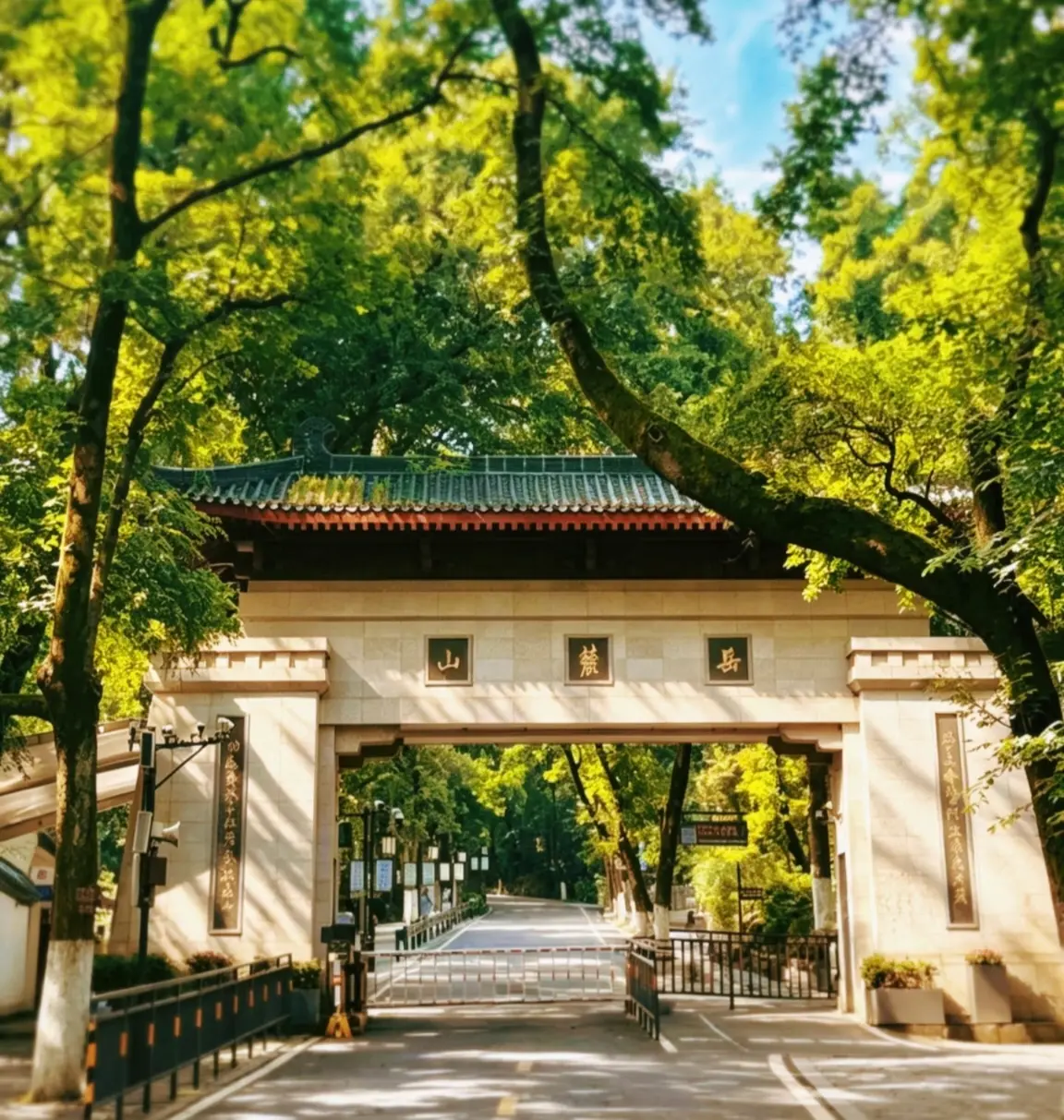
Autumn is particularly beautiful on Yuelu Mountain, when the maple leaves turn red and Aiwan Pavilion looks its best. These seasons also help you avoid the summer vacation crowds.
Summer (June–August) can be hot, but it’s the best time to enjoy crayfish and Changsha’s lively nightlife. Winter is damp and chilly, although there are generally fewer tourists.
Changsha is a city that makes many visitors want to stay longer once they arrive. If you’re planning a trip to China, put Changsha on your itinerary!
A tip if you’re visiting during Chinese public holidays: Long holidays such as Chinese New Year, Labor Day, and National Day are peak travel periods across China, and Changsha can get especially crowded. Book flights, hotels, high-speed train tickets, and tickets for popular attractions well in advance, particularly for the Hunan Museum, Orange Isle, and Yuelu Academy. Many free attractions and special exhibitions require reservations through official channels 1–7 days ahead. Otherwise, you may find no available slots or only expensive hotel rooms.
2. How to Get to Changsha and Where to Stay
How to Get to Changsha
There are three main ways to reach Changsha. It’s important to know that the city has two different railway stations.
| Arrival method | Arrival station | How to get to the city center |
|---|---|---|
| By air | Changsha Huanghua International Airport (CSX), about 28 km from the city center | Take Metro Line 6 directly into the city. It’s affordable and avoids road traffic. Alternatively, take the maglev train to Changsha South Railway Station and transfer to the metro. A taxi to Wuyi Square costs around RMB 50–60, but traffic can be heavy during peak hours. |
| By high-speed train (recommended) | Changsha South Railway Station | Metro Line 2 provides convenient access to Wuyi Square, Orange Isle, and Yuelu Mountain. |
| By regular train | Changsha Railway Station, the older station located in the city | Metro Line 2 takes you directly to the city center. |
Important: Changsha South Railway Station, which serves high-speed trains, and Changsha Railway Station, which serves regular trains, are two different stations located some distance apart. Make sure you don’t confuse them when booking tickets or arranging transfers.
Getting Around Changsha
Metro: Changsha currently has six metro lines, Lines 1–6. The metro is the most convenient and cost-effective way to get around, with no road traffic to worry about. Line 2 is the city’s main sightseeing line, connecting Wuyi Square, Orange Isle, Yuelu Mountain, the Hunan Museum area, and other major destinations. Services generally run from around 6:30 AM to 11:30 PM, and fares are inexpensive. You can use a supported map or payment app, or buy tickets from station vending machines.
Taxis and ride-hailing services: Ride-hailing is convenient in Changsha and good value for short trips between attractions. However, traffic can be heavy during rush hours and public holidays.
Many attractions and shopping areas are concentrated along both sides of the Xiangjiang River. Staying in the city center can save you considerable travel time.
Where to Stay in Changsha
| Area | Best for | What to expect |
|---|---|---|
| Wuyi Square / Huangxing Square (top choice) | Most visitors | Changsha’s main commercial and transport hub, with Metro Lines 1 and 2 intersecting nearby. Orange Isle, Taiping Street, Pozi Street, and Super Wenheyou are within walking distance. It’s the most convenient area for food, shopping, and nightlife, with options ranging from chain hotels to boutique guesthouses. |
| Yingbin Road / near Wenchang Pavilion | Travelers seeking a quieter stay or working with a limited budget | Just one or two metro stops from the city center and railway station, with good-value accommodation. |
| Yuelu Mountain / university area | Students, budget travelers, and those who prefer a quieter atmosphere | Close to Yuelu Mountain and Hunan University, with a peaceful environment and plenty of affordable local snacks. However, it’s a little farther from the main shopping and nightlife districts. |
Tip for international visitors: Prioritize hotels near a metro station around Wuyi Square or Huangxing Square. This makes sightseeing, dining, and enjoying the city at night much easier. Booking early can also help you get better rates.
3. 5 Best Things to Do in Changsha
Changsha brings together mountains, rivers, river islands, and urban life. These five attractions offer a mix of natural scenery, ancient Chinese civilization, and everyday local culture. Each has its own reason to visit.
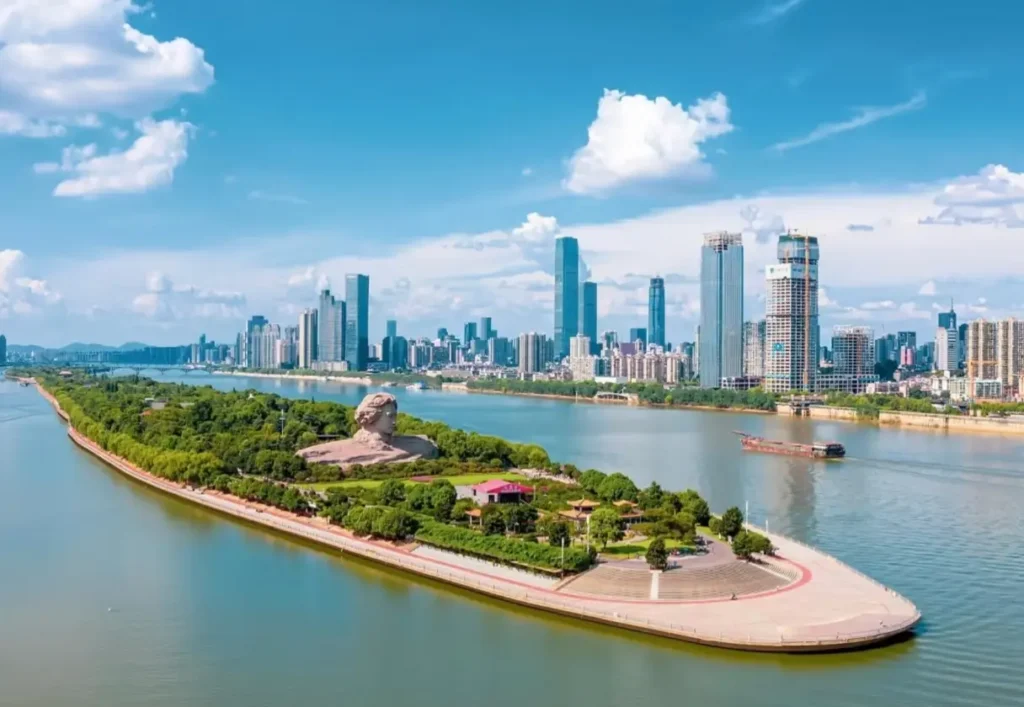
1. Orange Isle (Juzizhou)
Orange Isle is a long, narrow island in the middle of the Xiangjiang River and one of Changsha’s most recognizable landmarks.
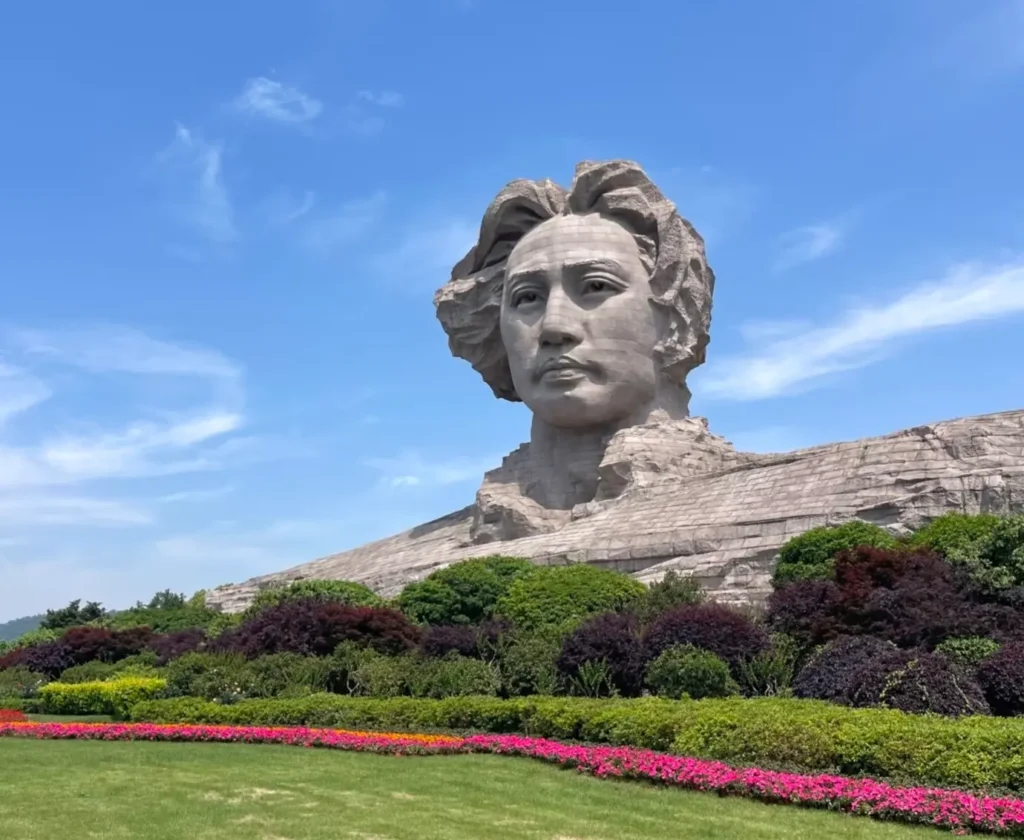
In 1925, Mao Zedong wrote the famous poem Qinyuanchun Changsha here, including the lines asking who would determine the fate of the vast land. Today, a 32-meter-tall artistic sculpture of a young Mao Zedong stands at the northern end of the island, facing Yuelu Mountain and Changsha across the river. The view is impressive.
Entry is free. The island is large, so taking the sightseeing train is a good option. A round-trip ticket costs around RMB 40. The scenery is especially beautiful in the evening, when the lights illuminate both sides of the Xiangjiang River.
Recommended visit time: 1.5–2 hours.
Reservations and transport: Entry is free, but booking 1–3 days in advance through official channels is recommended. Opening hours are approximately 7:00 AM–10:00 PM. Take Metro Line 2 to Juzizhou Station.
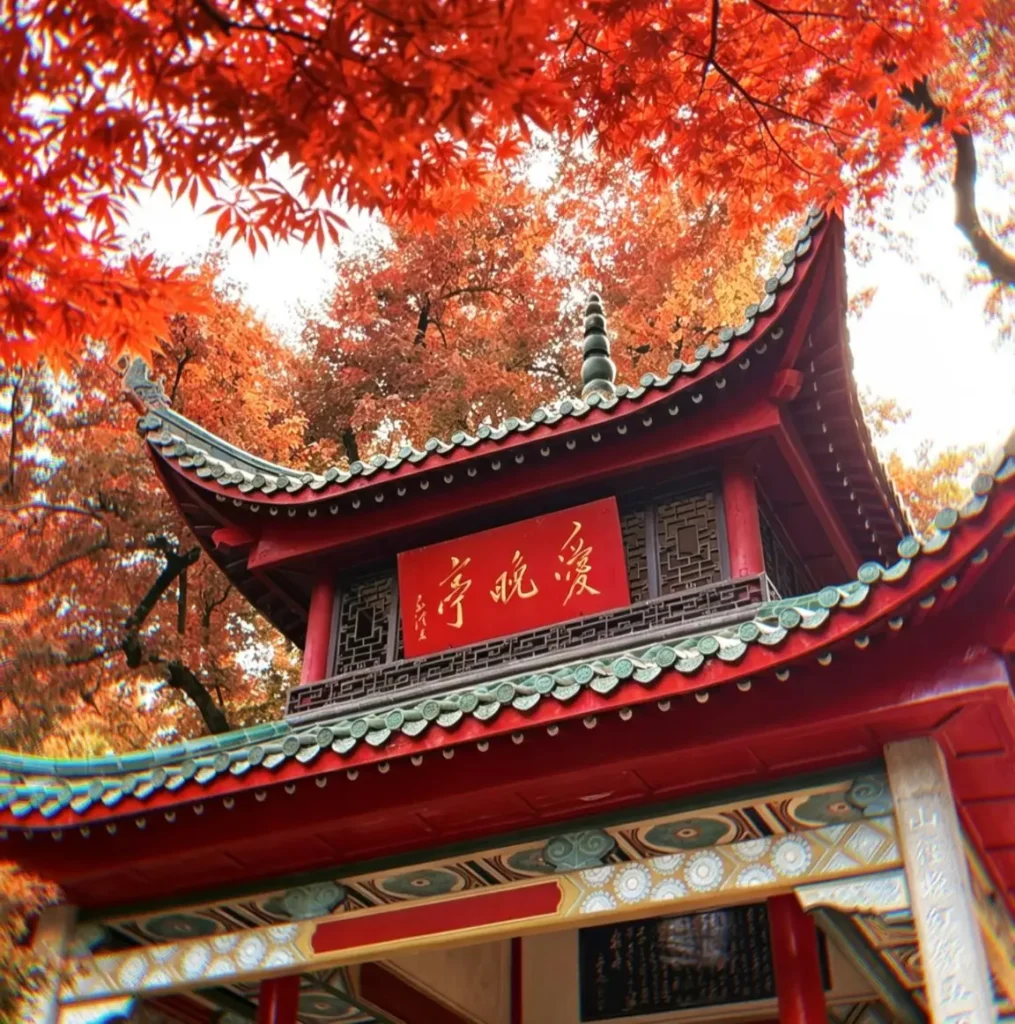
2. Yuelu Mountain, Yuelu Academy and Aiwan Pavilion
Yuelu Mountain is one of Changsha’s most famous natural landmarks and home to the historic Yuelu Academy.
Founded during the Northern Song Dynasty around AD 976, Yuelu Academy is one of the world’s oldest institutions of higher learning. Famous scholars such as Zhu Xi and Wang Yangming once lectured here.
Aiwan Pavilion is one of China’s four famous pavilions. It is especially beautiful in autumn, when the maple leaves turn red. The young Mao Zedong also visited the area for reading and discussions.
From the mountain, you can enjoy panoramic views of the Xiangjiang River and Changsha city.
Tickets and reservations: Yuelu Mountain is free to enter, and advance reservations are recommended. Yuelu Academy requires a ticket, costing around RMB 40, and advance booking is recommended.
Recommended visit time: Half a day.
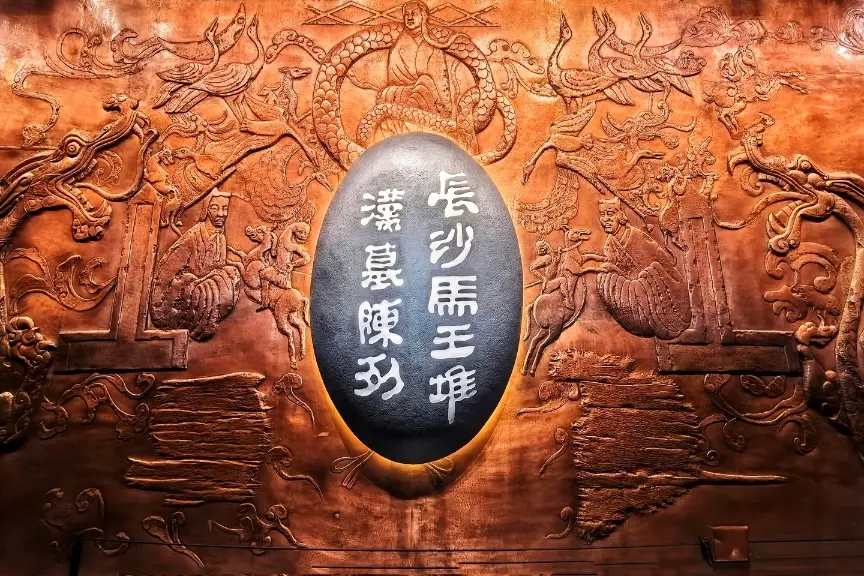
3. Hunan Museum: Discover the Mawangdui Han Tombs
This is one of the most important stops on any trip to Changsha.
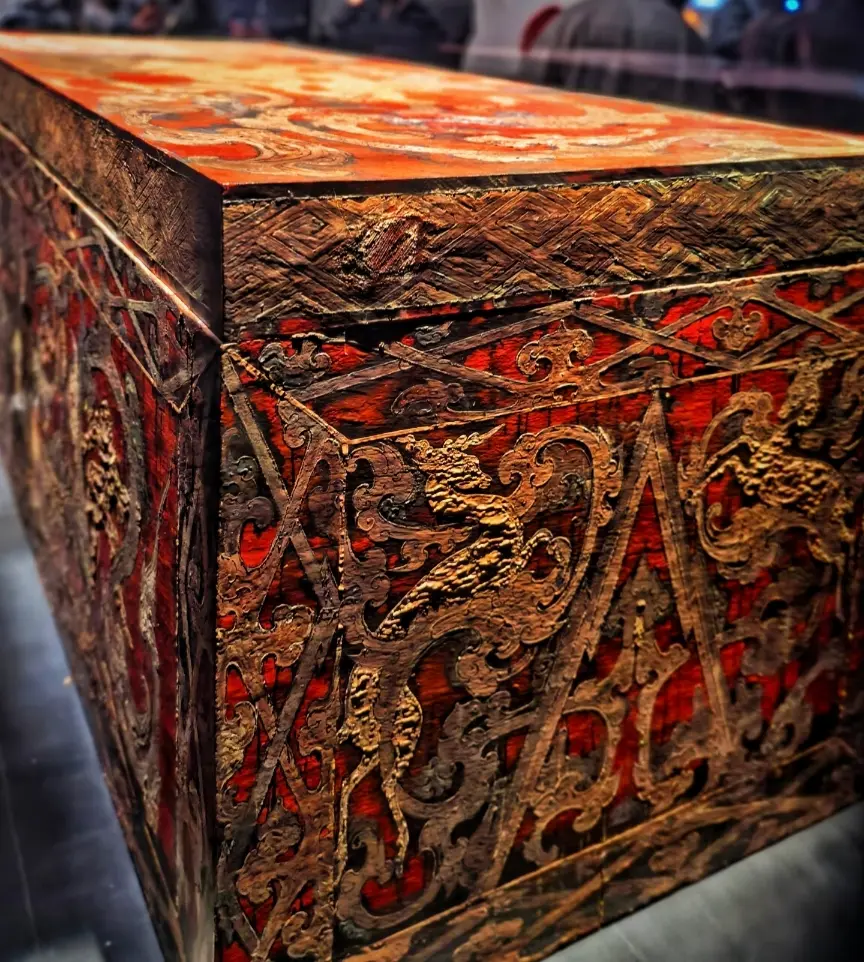
The museum houses world-famous artifacts from the Mawangdui Han Tombs. These include the remarkably preserved remains of Lady Xin Zhui, who lived more than 2,000 years ago and is sometimes called the “Oriental Sleeping Beauty.” Her preservation is an extraordinary archaeological achievement.
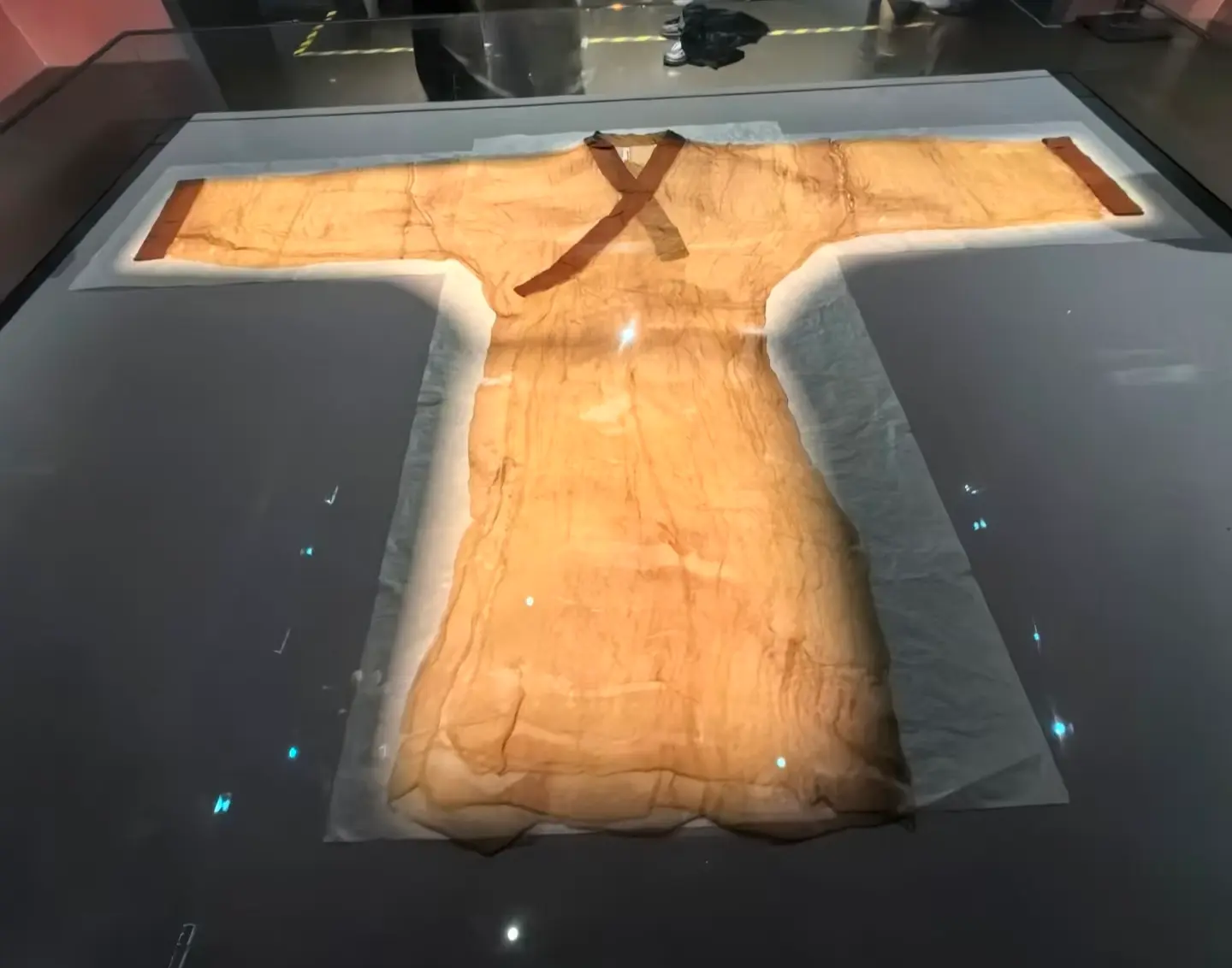
Another highlight is an exceptionally fine silk gauze robe weighing just 49 grams, so light and delicate that it is often compared to a cicada’s wing. It is among China’s most treasured cultural relics and is prohibited from being taken out of the country for exhibition.
The museum also displays a wealth of Han Dynasty silk paintings, lacquerware, textiles, and other artifacts. For anyone interested in ancient Chinese civilization, it is one of the world’s outstanding places to explore this period of history.
Reservations: Admission is free, but you must book through the museum’s official WeChat account or website up to seven days in advance. The museum is closed on Mondays and generally opens from 9:00 AM to 5:00 PM, with last entry at 4:00 PM. Tickets are in high demand, so book as early as possible.
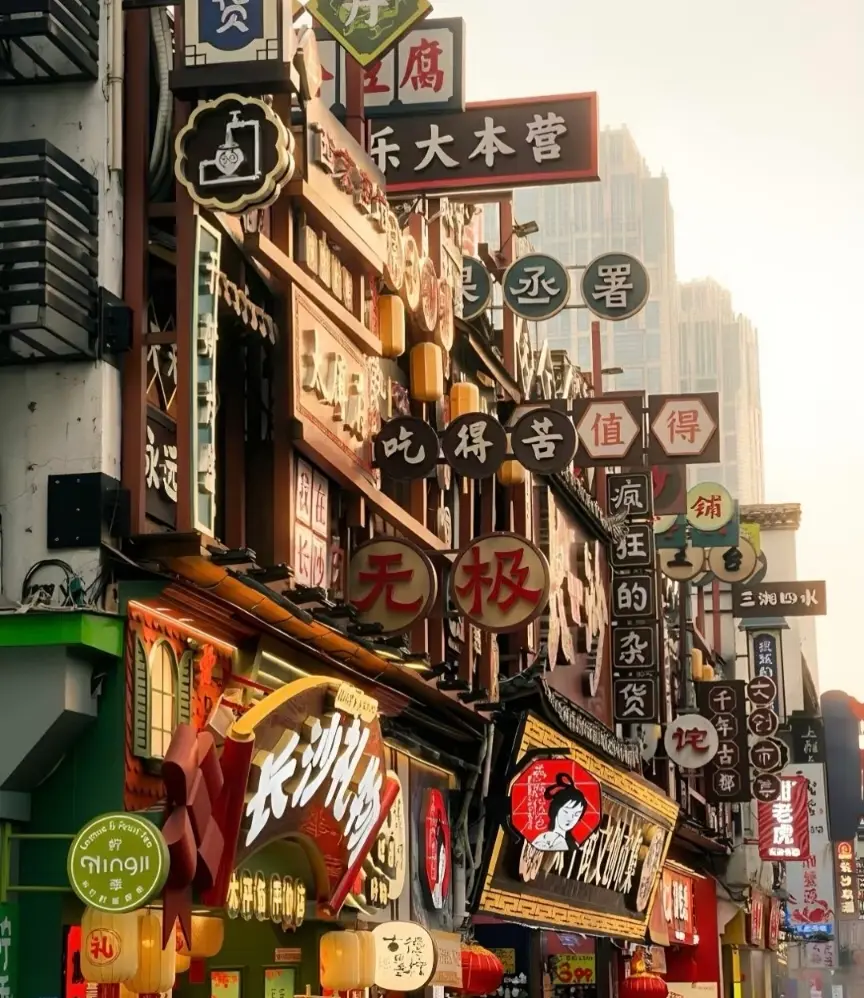
4. Taiping Street and Pozi Street: Historic Streets and Local Food
Taiping Street and Pozi Street are two of Changsha’s liveliest historic streets, located close to each other.
Taiping Street is a historic district with a history spanning centuries. Along its stone-paved lanes, you’ll find creative shops, traditional crafts, independent bookstores, and street-food stalls.
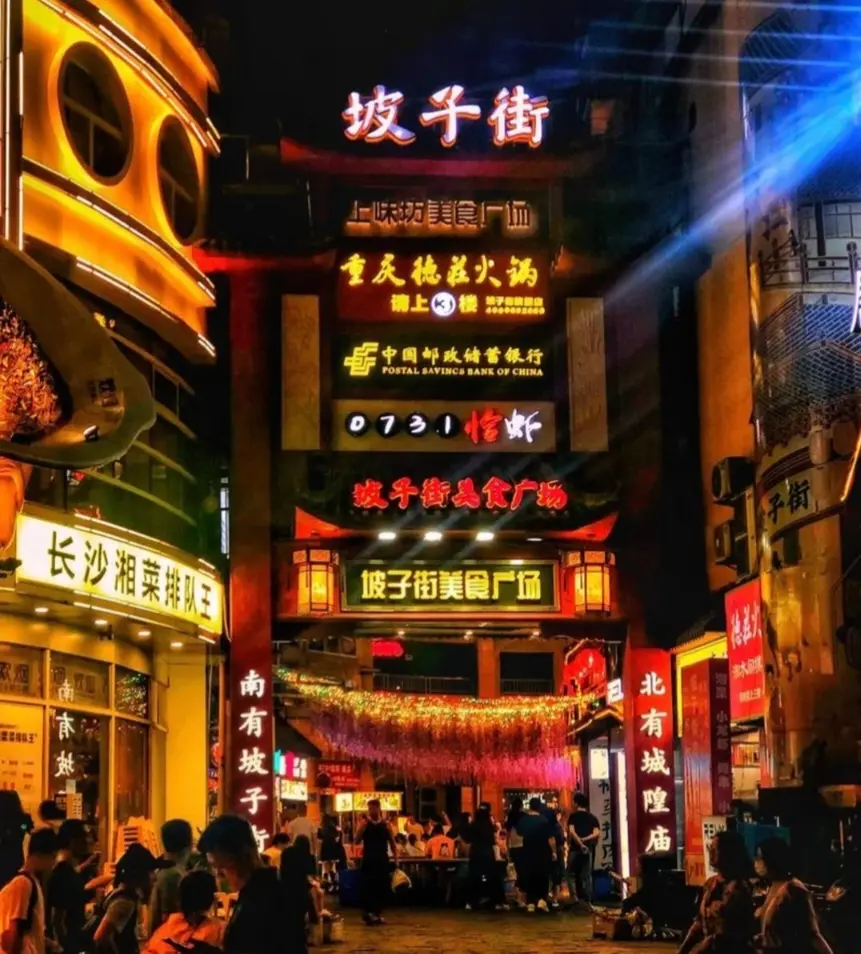
Pozi Street is one of Changsha’s best-known food streets. Huogongdian, a famous local food establishment, is located here. You can sample local specialties such as stinky tofu, spicy crayfish, and sweet glutinous rice cakes as you explore.
At night, colorful lights, shop signs, and crowds create a lively atmosphere. It’s an ideal place to walk around, take photos, and enjoy local food.
Admission: Free. Both streets are accessible throughout the day, but evening is the best time to experience Changsha’s nightlife.
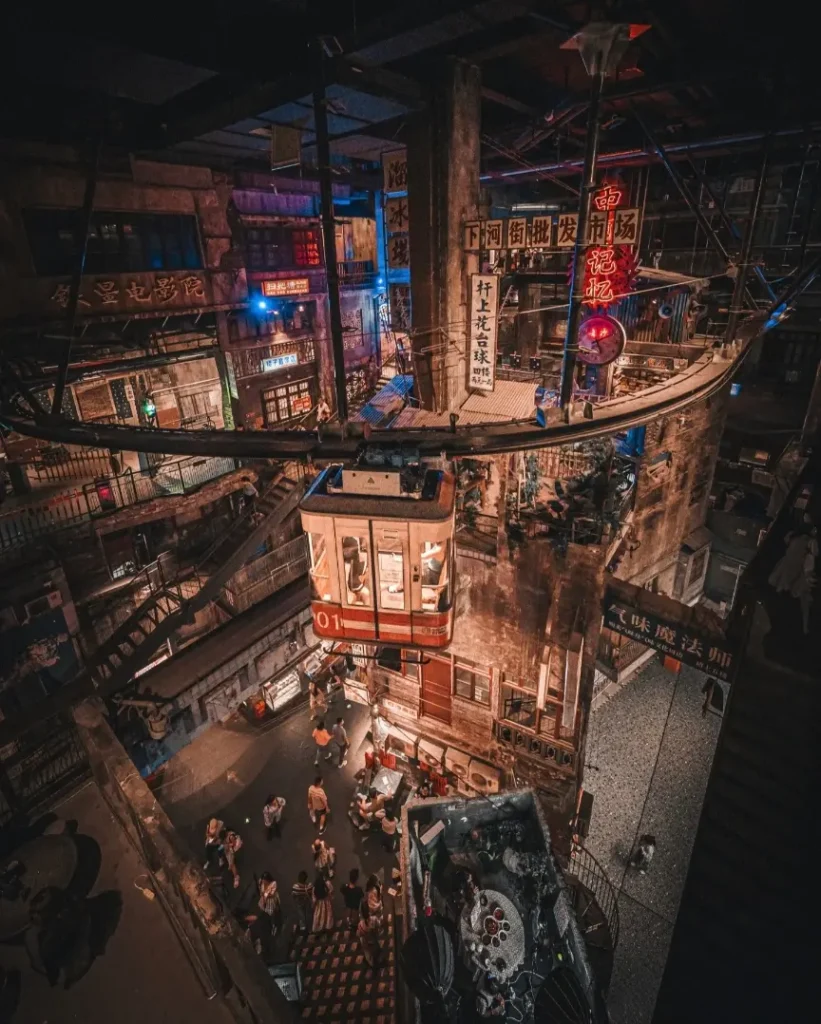
5. Super Wenheyou: Experience Old Changsha
Super Wenheyou is an immersive space inside a shopping mall that recreates the streets of old Changsha in the 1980s.
Faded shop signs, old-style residential buildings, and nostalgic decorations create a remarkably realistic retro atmosphere. There are also stalls selling local snacks.
It’s both a food destination and a popular photo spot that feels like stepping back in time.
Opening hours: Approximately 11:00 AM–3:00 AM. Entry is free.
In short, visit Orange Isle for city views, Yuelu Mountain for scenery and academic history, the Hunan Museum for ancient Chinese civilization, Taiping and Pozi streets for local food and everyday life, and Super Wenheyou to experience old Changsha. Together, these five places offer a well-rounded introduction to the city.
4. What to Eat in Changsha: 6 Local Foods to Try
Changsha is widely recognized as a food city. Hunan cuisine is particularly famous for its bold, spicy flavors. Here are six favorites among both international visitors and local residents.
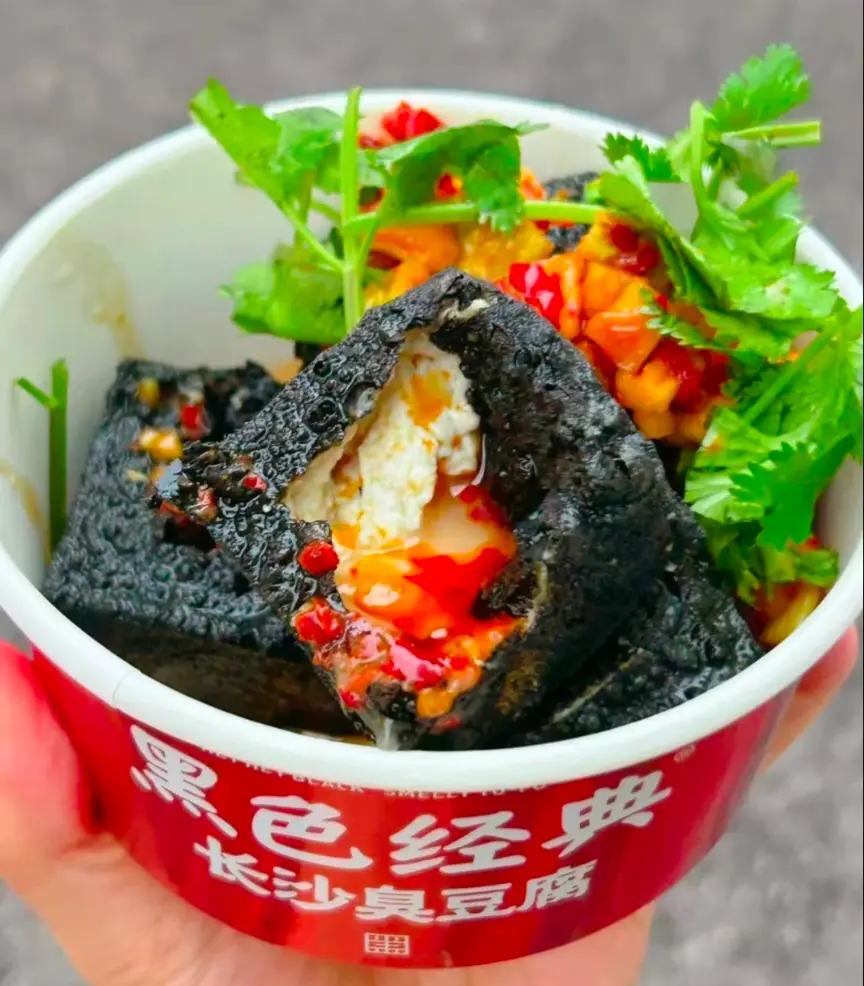
1. Changsha Stinky Tofu
This is Hunan’s signature street snack. It smells strong but tastes delicious.
Heise Jingdian (Black Classic) is one of the best-known local brands. The tofu is fried until the outside is crispy while the inside stays soft. It’s then filled with a spicy, flavorful sauce that bursts into your mouth with every bite.
A serving from a street stall usually costs around RMB 5–10, and freshly fried tofu tastes best.
Many international visitors hesitate at first, but those who try it often end up loving it.
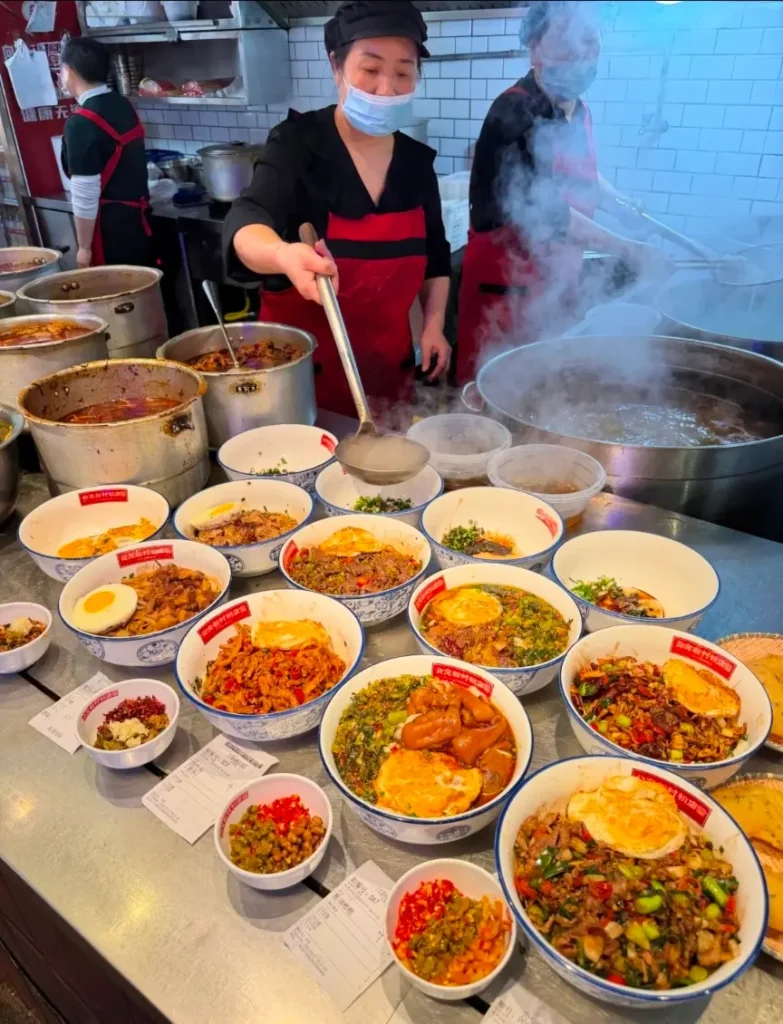
2. Changsha Rice Noodles
Rice noodles are an essential part of breakfast in Changsha.
The smooth noodles are served in a flavorful bone broth with toppings such as shredded pork, beef, or minced meat sauce. A hot bowl of rice noodles is one of the best ways to experience everyday life in the city.
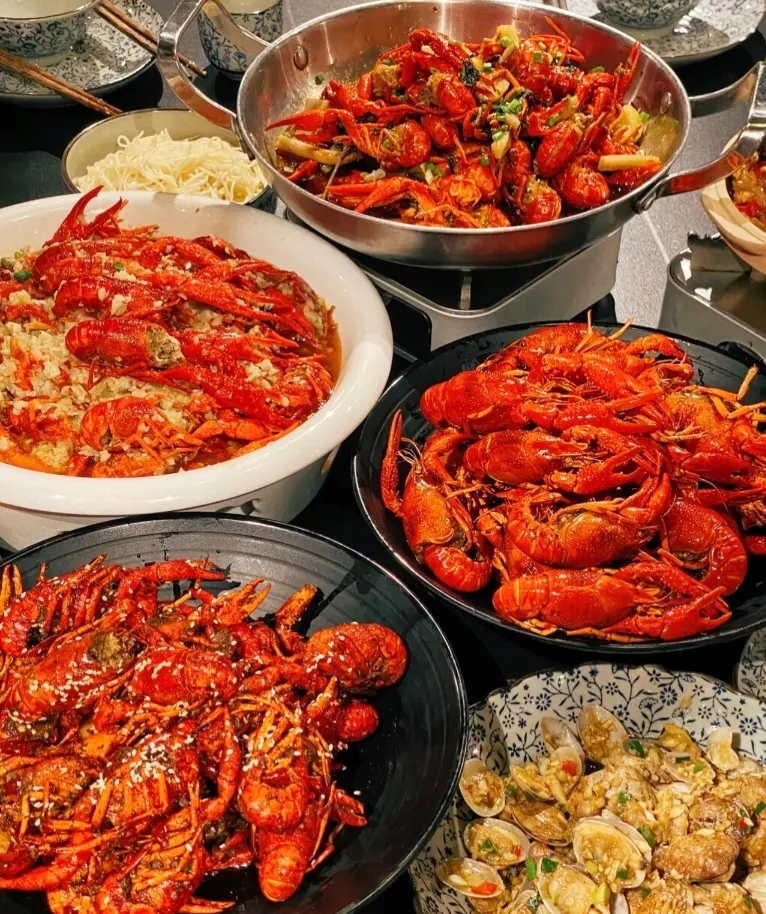
3. Spicy Crayfish
Spicy crayfish is the king of summer late-night dining in Changsha.
The crayfish are cooked with generous amounts of chili, garlic, and perilla leaves, creating a rich, spicy red sauce. The meat is firm and springy.
In the evening, groups of friends gather around tables at night markets, peeling crayfish and chatting. It’s one of the most iconic scenes of Changsha nightlife.
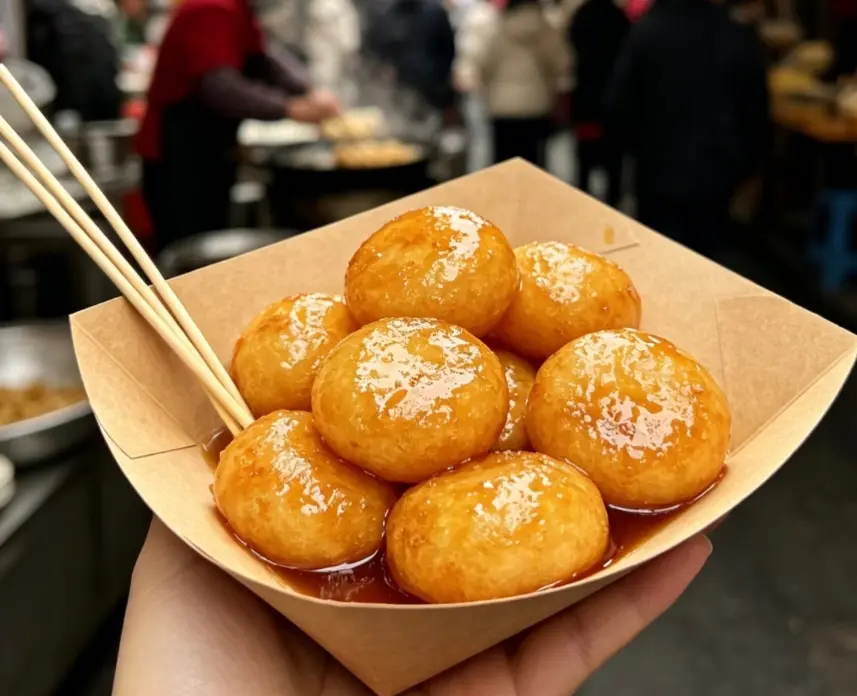
4. Tangyou Baba (Sweet Glutinous Rice Cakes)
These sweet little cakes are made from glutinous rice flour and fried until the outside is slightly crispy while the inside remains soft and chewy.
Coated in a sweet syrup, they’re flavorful without being overly rich. Compared with tangyuan, the traditional glutinous rice balls, tangyou baba has a chewier texture and makes a popular street dessert.
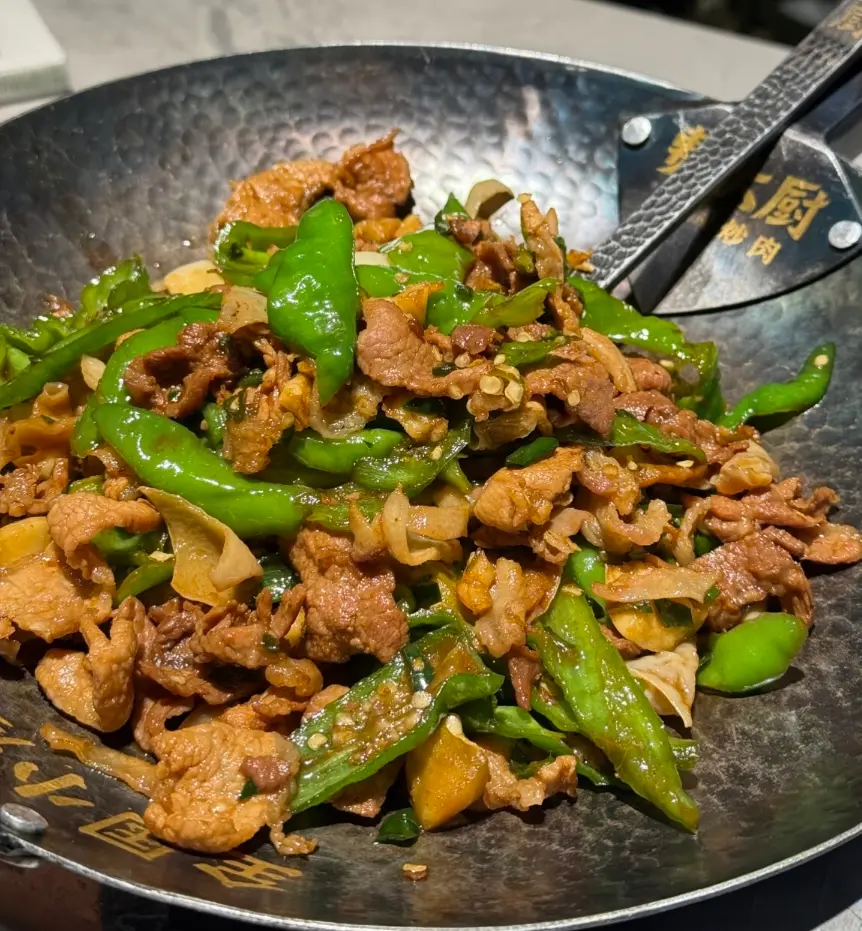
5. Stir-Fried Pork with Chili Peppers
This is one of the most popular everyday dishes in Hunan cuisine.
Pork belly is stir-fried over high heat with local green chili peppers, creating a dish full of smoky wok flavor, spice, and aroma. Almost every Hunan restaurant serves it, making it an excellent introduction to the essence of Hunan cooking.
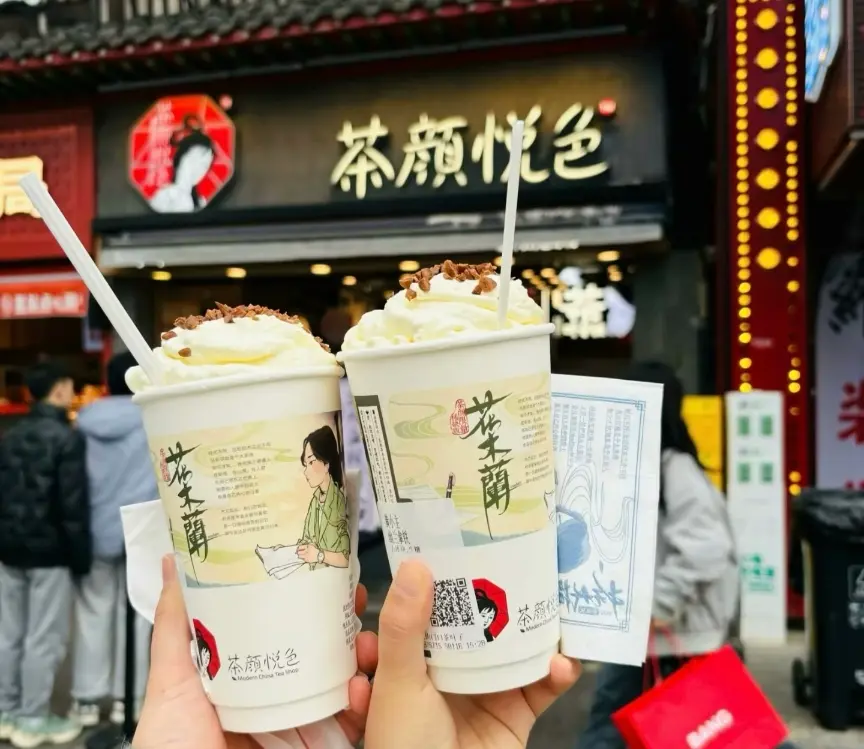
6. Chayan Yuese Milk Tea
Chayan Yuese is a popular milk tea brand that originated in Changsha. Its combination of Chinese-inspired design and flavorful drinks has made it famous throughout China.
Some travelers even visit Changsha specifically to queue for a cup. Try its signature Youlan Latte or another popular drink. It’s a great companion for shopping and a refreshing way to cool down after spicy food.
Want to try everything in one trip? Head to the Taiping Street–Pozi Street–Huogongdian area or Super Wenheyou, where you can sample different snacks along the way. For a full Hunan meal, choose a well-established local restaurant and try dishes such as stir-fried pork with chili peppers and steamed fish head with chopped chili.
5. A Practical 3-Day Changsha Itinerary
This relaxed itinerary suits most international visitors and avoids rushing between attractions. It assumes you’re staying near Wuyi Square.
Day 1: Arrival and Downtown Nightlife
- Arrive in Changsha: Taking a high-speed train to Changsha South Railway Station is a convenient option. From there, take Metro Line 2 into the city center.
- Check in: Stay at a hotel near Wuyi Square or Huangxing Square.
- Afternoon: Explore Huangxing Road Pedestrian Street and IFS Changsha, a major shopping complex, to experience the city’s modern urban atmosphere.
- Evening: Visit Taiping Street, Pozi Street, and Huogongdian. Sample stinky tofu and tangyou baba, grab a cup of Chayan Yuese milk tea, and enjoy the historic streets after dark.
Day 2: Ancient History and Yuelu Mountain
- Morning: Visit the Hunan Museum to explore the Mawangdui Han Tombs collection. Make sure you’ve booked in advance to see the exhibits featuring Lady Xin Zhui and the delicate silk gauze robe.
- Afternoon: Explore Yuelu Mountain, Yuelu Academy, and Aiwan Pavilion. Climb the mountain for views of the Xiangjiang River and the city.
- Evening: Return to the city center for a Hunan-style dinner featuring dishes such as stir-fried pork with chili peppers and steamed fish head with chopped chili. Alternatively, head to Super Wenheyou for snacks and photos.
Day 3: Orange Isle and Departure
- Morning: Visit Orange Isle. Take the sightseeing train, see the sculpture of the young Mao Zedong, and walk along the river.
- Lunch: Enjoy another bowl of Changsha rice noodles or some spicy crayfish. Pick up souvenirs, such as vacuum-packed stinky tofu or Chayan Yuese merchandise.
- Afternoon: Depart according to your flight or train schedule. Metro Line 2 connects to Changsha South Railway Station, while Metro Line 6 or the maglev train can be used for airport transfers.
Itinerary tips: Orange Isle and Yuelu Mountain are both on the western side of the Xiangjiang River, so you can visit them on the same day if you have extra time. Remember that the Hunan Museum is closed on Mondays. With three full days, Metro Line 2 will be your main transport option, and you should rarely need a taxi.