What to Eat in Chengdu: Kai Shui Bai Cai and the Gentle Side of Traditional Sichuan Cuisine
When travelers search for what to eat in Chengdu, the answers are usually fiery hotpot and chili-laden classics. While those dishes deserve their fame, they only reveal one side of traditional Sichuan cuisine.
Locals know that Sichuan cooking also values balance, patience, and precision. Some of the most respected dishes are completely non-spicy and focus on natural flavor.
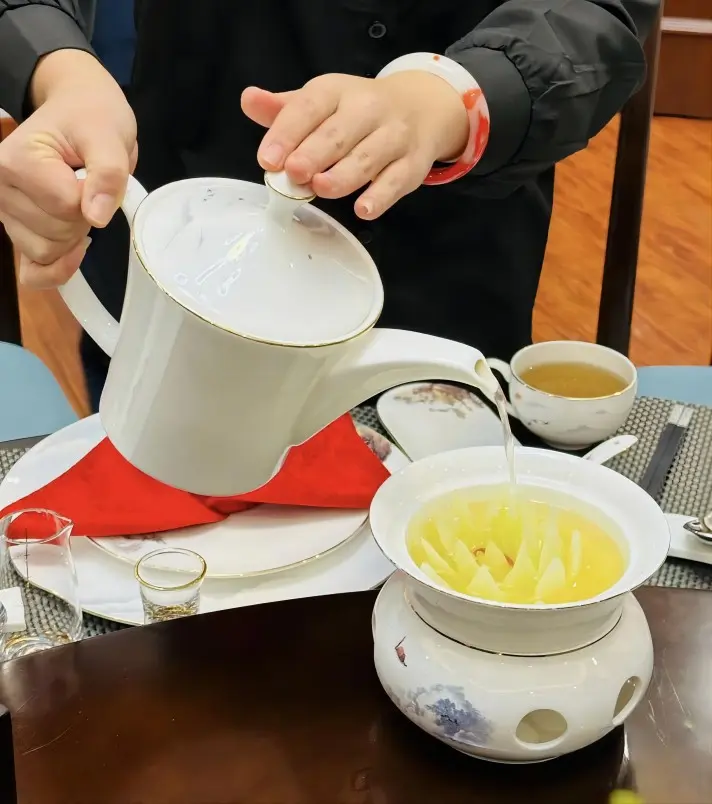
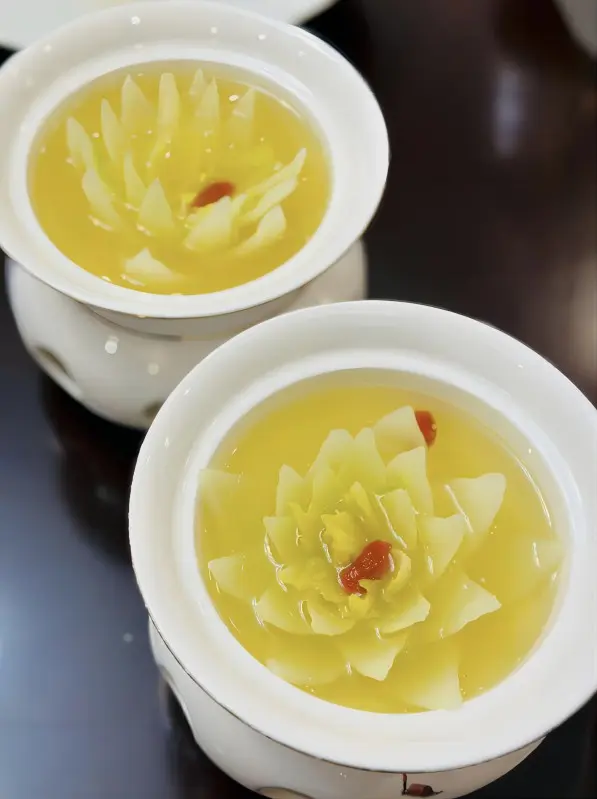
One such dish is Kai Shui Bai Cai, also known as Steamed Cabbage in Supreme Soup. It looks deceptively simple—clear broth and tender cabbage—but among chefs, it represents the highest level of Sichuan culinary technique.
Tasting Kai Shui Bai Cai offers a glimpse into Chengdu’s quieter, more refined culinary soul.
1. Kai Shui Bai Cai: The “Hidden Master” of Sichuan Cuisine
From the Imperial Kitchen to the National Banquet Table
According to culinary history, Kai Shui Bai Cai was perfected in the late Qing Dynasty by Sichuan chef Huang Jinglin, who once served in the Imperial Palace. At a time when Sichuan food was dismissed as “only spicy,” this dish was created to prove the opposite—that true mastery lies in subtlety.
The broth is made by slowly simmering old hen, Jinhua ham, pork ribs, and dried scallops for over eight hours. Minced chicken breast is then used to clarify the soup, absorbing impurities until the liquid becomes crystal clear. What remains looks like plain water, yet delivers extraordinary depth.
The dish later appeared at Chinese national banquets, earning praise from Deng Xiaoping, who famously called it “the best of all dishes.”
Why Clarity Is Everything
The defining feature of Kai Shui Bai Cai is its soup. After hours of simmering and repeated filtration, the broth reaches a state often described as:
“Clear as water, rich as nectar.”
Only the tender inner leaves of Napa cabbage are used. They are gently blanched multiple times in the hot broth, allowing the cabbage to absorb flavor while remaining soft, sweet, and aromatic. There is no spice, no oil, and no visual drama—only precision and balance.
2. Where to Eat Authentic Kai Shui Bai Cai in Chengdu
If you want to try authentic Kai Shui Bai Cai in Chengdu, these restaurants are trusted by locals and food connoisseurs alike.
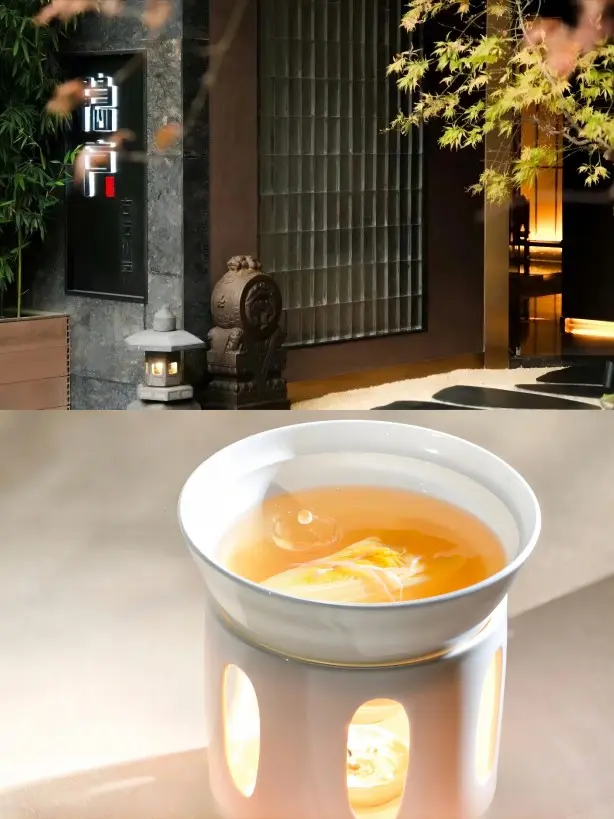
1. Yinlu · Traditional Sichuan Cuisine
- Location: 1F, Yinlu Hotel, No. 57 Shengxing Street, Gaoxin District
- Average Price: 300–500 RMB per person (Kai Shui Bai Cai ~168 RMB)
- Transport: Metro Line 5, Jincheng Lake Station (Exit D), 800 m walk
- Why Go: Michelin-recommended and Black Pearl listed. Their Kai Shui Bai Cai uses free-range chicken and premium ham, simmered for eight hours with no artificial seasoning.
- Local Tip: Reserve one day in advance. Their sautéed osmanthus fish pairs beautifully with the soup.
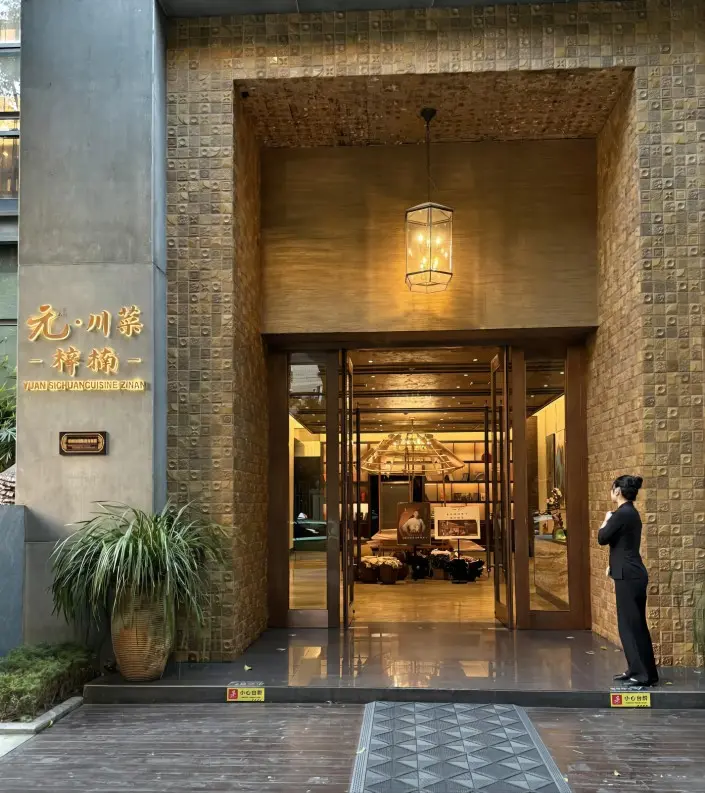
2. Zinan
- Location: No. 8 Tongzilin South Road, Wuhou District
- Average Price: ~389 RMB per person (pre-order required for the soup)
- Transport: Metro Line 1, Tongzilin Station (Exit C), 500 m walk
- Why Go: Elegant and private, ideal for business or family dinners. Their Steamed Cabbage in Supreme Soup is rich yet remarkably clean on the palate.
- Local Tip: Book at least three days ahead during peak seasons.
3. Rong Le Yuan
- Location: No. 27 Wenshu Monastery Street, Qingyang District
- Average Price: 150–200 RMB per person (soup ~88 RMB)
- Transport: Metro Line 1, Wenshu Monastery Station (Exit K), 300 m walk
- Why Go: A century-old restaurant offering one of the most affordable versions of Kai Shui Bai Cai in Chengdu.
- Local Tip: Visit on weekdays to avoid crowds, then stroll around Wenshu Monastery afterward.

4. Song Yun Ze
- Location: No. 2–8 Feicuili, No. 8 Liuli Road, Jinjiang District
- Average Price: 600–800 RMB per person (soup ~288 RMB)
- Transport: Metro Line 6, Jinshi Road Station (Exit B), 1.2 km walk
- Why Go: A high-end private kitchen specializing in lost Sichuan recipes. Their Kai Shui Bai Cai has a deep, tea-like aroma.
- Local Tip: Only eight tables—book at least three days in advance.

3. Travel Tips: How Locals Enjoy Kai Shui Bai Cai
- Best Time to Eat: Winter (November to February), when cabbage hearts are sweetest.
- How to Pair: Balance the delicate soup with classic spicy dishes like Mapo Tofu or Kung Pao Chicken.
- After Your Meal: Visit People’s Park for tea or head to Kuanzhai Alley to watch Sichuan Opera.
- How to Order: Simply say “Kai Shui Bai Cai” or “Steamed Cabbage in Supreme Soup.”
A Bowl of Soup, the Soul of Chengdu
The beauty of Kai Shui Bai Cai lies in its restraint. With nothing to hide behind, every detail must be perfect. Clear broth, tender cabbage, and hours of patience come together to express the gentle side of Chengdu. For a deeper taste of the city, visit our Chengdu Local Food Trails guide to explore traditional snacks, street food, and the everyday dishes locals truly love.
When visiting Chengdu, don’t only chase spice and heat. Take a moment to taste this “boiled water” dish—and you’ll discover the quiet confidence and depth that define traditional Sichuan cuisine.