White Horse Temple: A Complete Travel Guide to the Birthplace of Chinese Buddhism
I. Overview: Where Chinese Buddhism Began
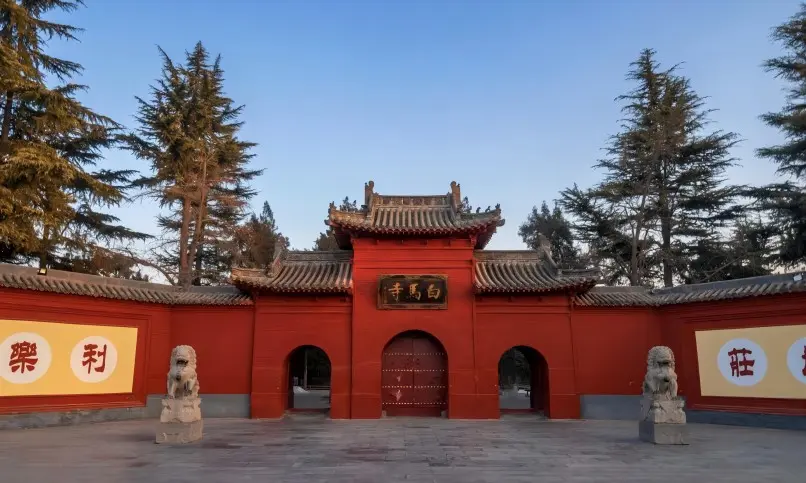
Located in Luoyang, Henan Province, White Horse Temple is widely recognized as the first Buddhist temple in China, founded in 68 AD during the Eastern Han Dynasty. For travelers interested in Chinese religion and history, it is one of the most important Buddhist sites in the country.
White Horse Temple is often called the “Ancestral Home of Chinese Buddhism” and the spiritual starting point of Zen culture in China.
The Legend Behind the Temple
According to legend, Emperor Ming of the Han Dynasty dreamed of a golden figure flying through his palace. Believing it to be a divine sign, he sent envoys west along the Silk Road. They returned with two Indian monks, sacred Buddhist scriptures, and a white horse carrying the texts.
To honor this moment, the emperor built the temple and named it White Horse Temple, marking the official arrival of Buddhism in China.
Why White Horse Temple Is World-Famous
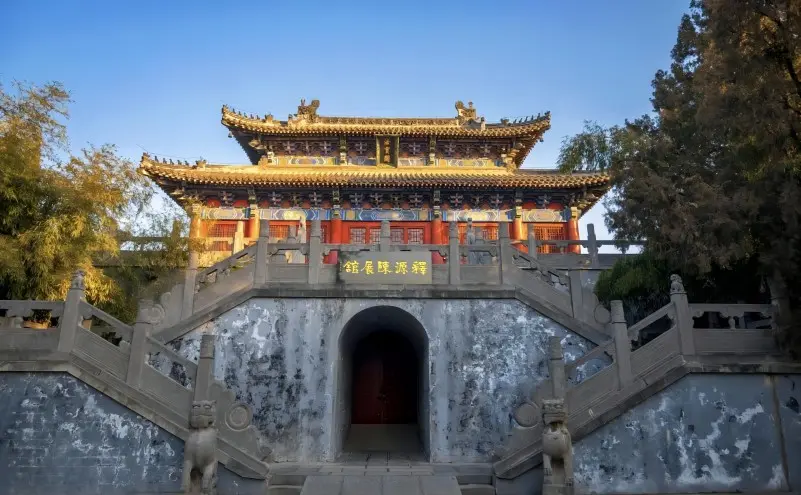
- The Cradle of East Asian Buddhism: White Horse Temple influenced the design and layout of Buddhist temples in China, Japan, and Korea.
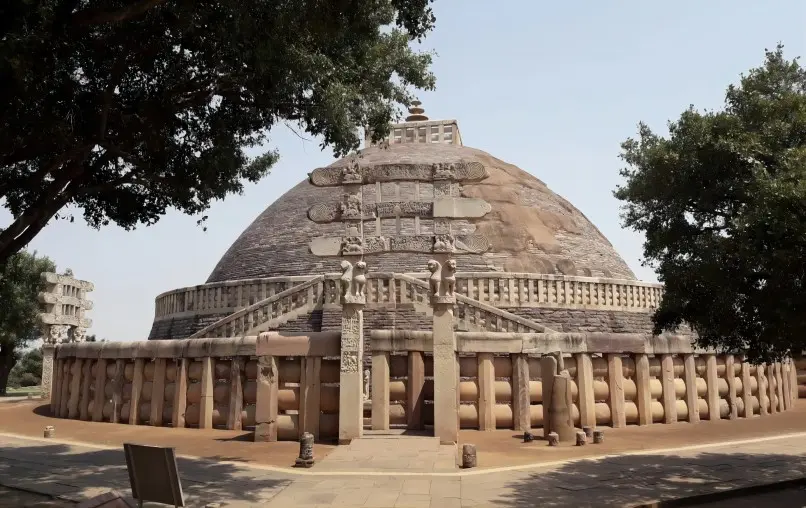
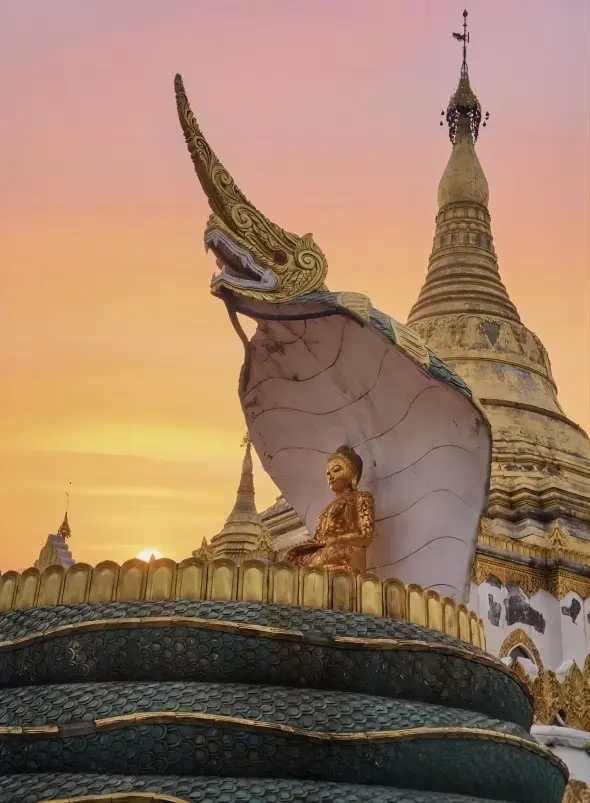
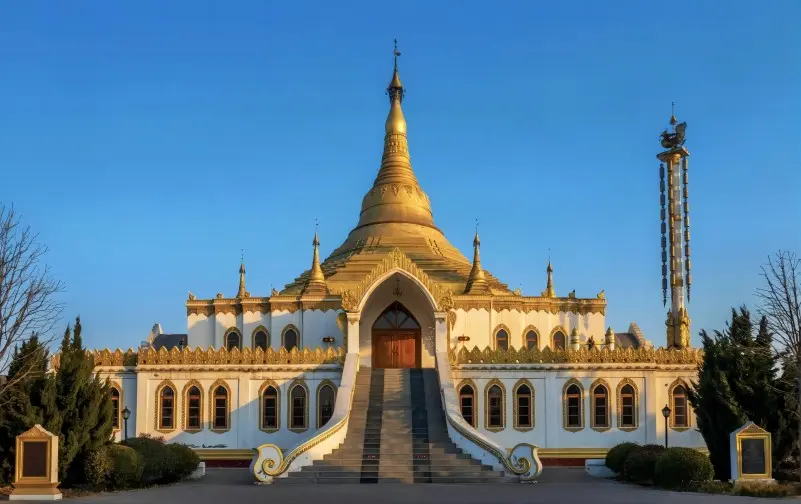
- A Living World Buddhist Museum: It is the only temple complex in the world featuring Buddhist architecture from China, India, Myanmar, and Thailand in one place.
- A Cultural Time Capsule: The temple houses 23 national-level cultural relics, including rare Yuan Dynasty statues of the Eighteen Arhats made using the ancient “lacquered hemp” technique.
II. White Horse Temple Travel Guide
1. Tickets, Hours & Visit Duration
- Entrance Ticket: 35 RMB (peak season: April–October)
- Opening Hours:
- Summer (Apr–Oct): 07:40–18:30
- Winter (Nov–Mar): 08:00–17:30
- Recommended Visit Time: 2–3 hours
- Add 1 extra hour if you plan to explore the International Temple Zone
2. Temple Etiquette & Visitor Tips
- Dress Code: Avoid short skirts or sleeveless tops. Free aprons are available at the entrance if needed.
- Photography Rules: Photos and flash are not allowed inside the main halls, especially near Buddha statues.
- International Zone Etiquette: Shoes must be removed before entering the Thai temple.
- Praying & Blessings: White Horse Temple is especially popular for prayers related to wisdom, studies, and clarity of mind. Walk clockwise around the Qiyun Pagoda three times while making your wish.
III. Top Things to Do at White Horse Temple
1. See the “Shi Yuan” Stele
One of the earliest Buddhist stone carvings in China, offering insight into how Buddhism was first localized.
2. Explore the International Temple Zone
Compare the colorful, gold-covered Thai temple with the stone-heavy Indian design and the serene Burmese structures.
3. Experience the Qiyun Pagoda Echo
Stand in front of the pagoda and clap your hands—you may hear a surprising echo that sounds like a frog croaking.
4. Find the White Horse Symbols
Look for stone horse statues and Ming Dynasty carvings scattered around the bell tower and courtyards.
5. Visit in Autumn for the Ginkgo Trees
From October to November, centuries-old ginkgo trees turn the temple grounds into a golden sea of leaves.
IV. One-Day Itinerary: White Horse Temple & Beyond
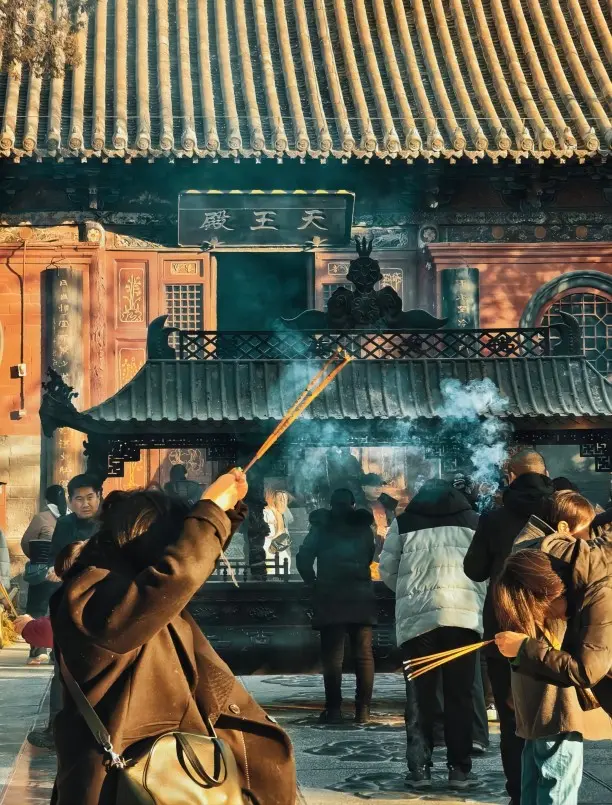
- 08:30 – Morning Visit: Explore the main Chinese halls, including the Hall of Heavenly Kings and Mahavira Hall
- 10:30 – International Zone: Visit the Indian, Thai, and Burmese temples
- 12:00 – Zen Lunch: Enjoy vegetarian cuisine inside the temple, such as Peony Yan Cai, a Luoyang specialty
- 13:00 – Quiet Reflection: Walk around the Qiyun Pagoda area
- 14:30 – Afternoon Extension:
- 20 minutes to Luoyang Museum (ancient Buddhist art)
- 40 minutes to Longmen Grottoes, home to China’s finest Buddhist stone carvings
- Evening: Visit Luoyi Old City, rent a Hanfu outfit, and stroll through illuminated historic streets
V. Souvenir Guide: What to Buy
- Recommended Items:
- Bronze replicas of temple artifacts
- Modern translations of the Sutra of Forty-two Chapters, the first Buddhist scripture translated into Chinese
- Pro Tip: Avoid buying “blessing certificates” from street vendors outside the temple—these are usually commercial gimmicks.
VI. Why Visit White Horse Temple?
White Horse Temple is more than a religious site—it’s a journey across time, space, and cultures. In a single afternoon, you can trace the arrival of Buddhism in China and see how it spread across Asia. It’s where East met West for the first time, and that dialogue continues to this day.
While White Horse Temple marks the arrival of Buddhism in China, Shaolin Temple represents how Buddhism evolved through Zen practice and martial arts. Visiting both offers a complete picture of Chinese Buddhism—from its earliest introduction to its most influential expression. Together, they form two essential stops for anyone exploring China’s religious and cultural heritage. From historic halls to serene mountain retreats, these iconic sites offer a deeper look into Chinese Buddhism and ancient culture. Learn more here: Famous Temples in China.