Harbin: One of the Fastest-Growing Tourist Cities in Winter 2026
When it comes to winter travel in China, Harbin—often called the “Ice City”—is one of the most iconic destinations. In January 2026, this snow-covered city experienced a surge in international visitors and became one of the fastest-growing cities for inbound tourism.
With spectacular ice landscapes, a fascinating blend of Chinese and Russian culture, hearty Northeastern cuisine, and increasingly international-friendly services, Harbin is no longer just a domestic winter hotspot. It has become a global winter travel destination.
This guide will help you explore Harbin’s frozen wonders and plan a smooth trip—from transportation and accommodation to attractions, food, and itineraries.
Why Visit Harbin in Winter 2026?
In January 2026, Harbin’s international tourist arrivals increased by 77.9% compared with the same period in 2025. Tourist spending also rose by 88.1%, according to the Harbin Municipal Bureau of Culture and Tourism.
Several factors contributed to this rapid growth.
World-Class Ice and Snow Attractions
Harbin’s winter attractions continue to evolve. Major highlights such as Harbin Ice and Snow World and the Sun Island Snow Expo introduced new international-themed sculptures and immersive experiences in 2026.
Visitors can see:
- giant illuminated ice castles
- international snow sculpture competitions
- interactive ice slides and performances
The Harbin International Ice and Snow Festival has also been recognized by international travel media as one of the top winter festivals in the world.
Easier International Travel
Transportation improvements have made Harbin more accessible than ever.
Harbin Taiping International Airport added more direct international flights, including routes to Moscow, Seoul, and Bangkok. Combined with China’s visa policies and improved multilingual services, traveling to Harbin has become easier for overseas visitors.
Unique Sino-Russian Cultural Atmosphere
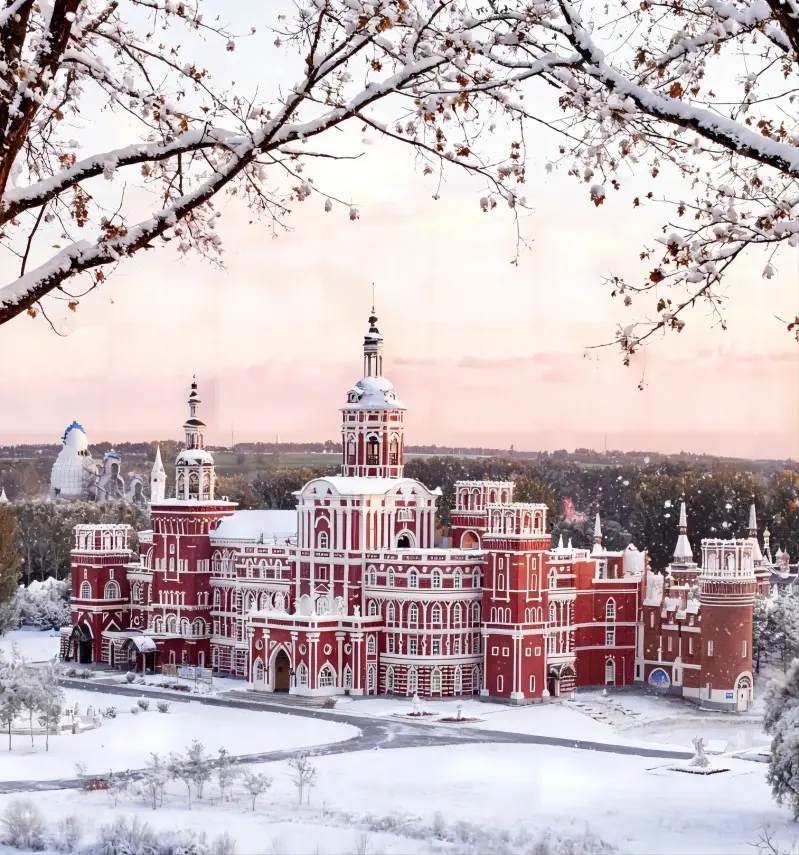
Harbin has a long history influenced by Russia. Walking through the city, travelers can see Orthodox churches, European-style architecture, and Russian restaurants.
This mix of Chinese culture and Russian heritage gives Harbin a distinctive charm that few other Chinese cities offer.
How to Get to Harbin and Travel Around
January temperatures in Harbin usually range between -15°C and -25°C, so choosing comfortable transportation is important.
Getting to Harbin
By Air
Harbin Taiping International Airport (HRB) connects the city with major international destinations such as Moscow, Tokyo, and Bangkok.
Airport buses cost 20–30 RMB and take about 40–60 minutes to reach downtown areas such as Central Street or Harbin Station.
A taxi ride to the city center costs approximately 100–150 RMB.
By High-Speed Rail
Harbin West Station is the main high-speed railway hub.
Approximate travel times:
- Beijing → Harbin: 4.5 hours
- Shenyang → Harbin: 2 hours
Harbin Station is located in the city center and serves regular trains.
By Long-Distance Bus
Travelers from nearby cities like Changchun can reach Harbin by bus. Tickets usually cost 50–100 RMB, though winter road conditions may slow travel.
Getting Around Harbin
Taxi and Ride-Hailing
The most convenient option during cold weather.
Starting fare: about 8 RMB
Typical trips within the city: 15–30 RMB
Ride-hailing apps like Didi support international payment methods.
Metro
Harbin’s metro system is warm, efficient, and convenient during winter.
- connects Central Street, the railway stations, and major districts
- tickets cost 2–5 RMB
- announcements include English
Private Car or Charter
For destinations outside the city such as Yabuli Ski Resort or China Snow Town, a private car is recommended.
Daily charter price: 400–600 RMB.
Where to Stay in Harbin
Choosing the right neighborhood can greatly improve your winter travel experience.
Central Street Area
Best for first-time visitors.
Advantages:
- close to Saint Sophia Cathedral
- easy access to restaurants and shops
- walking distance to major attractions
Average price: 200–400 RMB per night
Ice and Snow World Area
Great for families visiting the festival frequently.
Average price: 400–800 RMB per night
Daowai Old District
Ideal for travelers interested in local culture and historic architecture.
Features the famous Chinese Baroque buildings.
Average price: 100–200 RMB per night
Yabuli Ski Resort
Best for skiing enthusiasts.
Many hotels offer ski-in ski-out access.
Average price: 200–500 RMB per night
Top Things to Do in Harbin
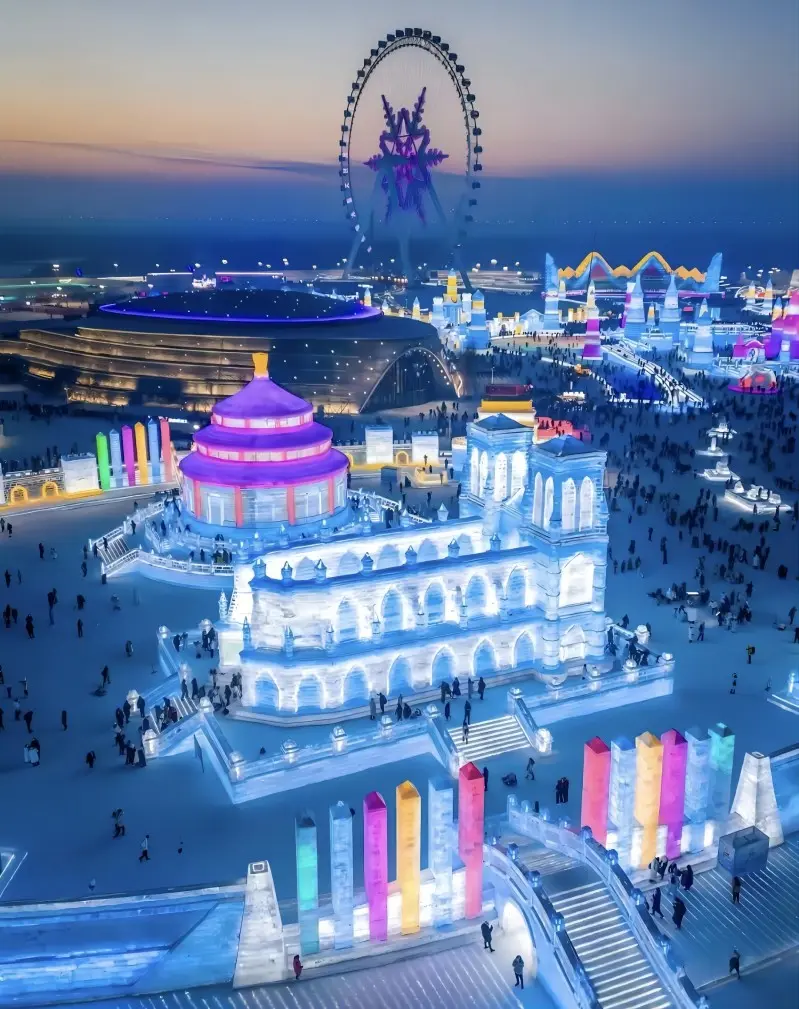
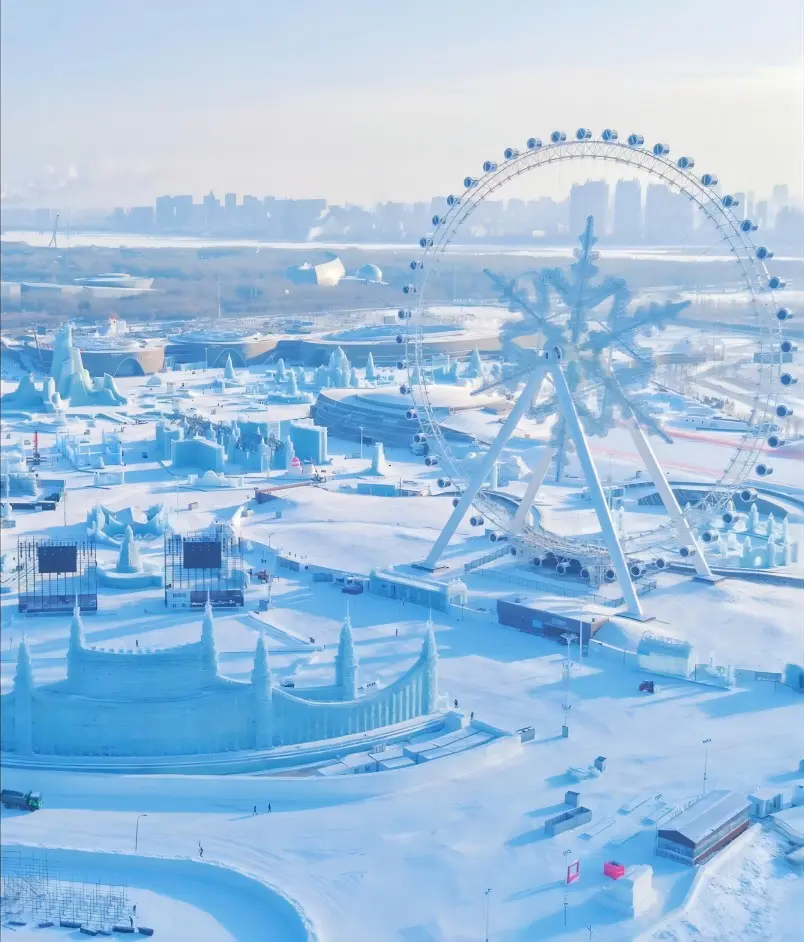
Harbin Ice and Snow World
The largest ice and snow theme park in the world.
Highlights include giant illuminated ice castles built from frozen river blocks. At night, colorful lights transform the park into a magical winter landscape.
Tip: arrive around 3 PM so you can see both daytime sculptures and nighttime lighting.
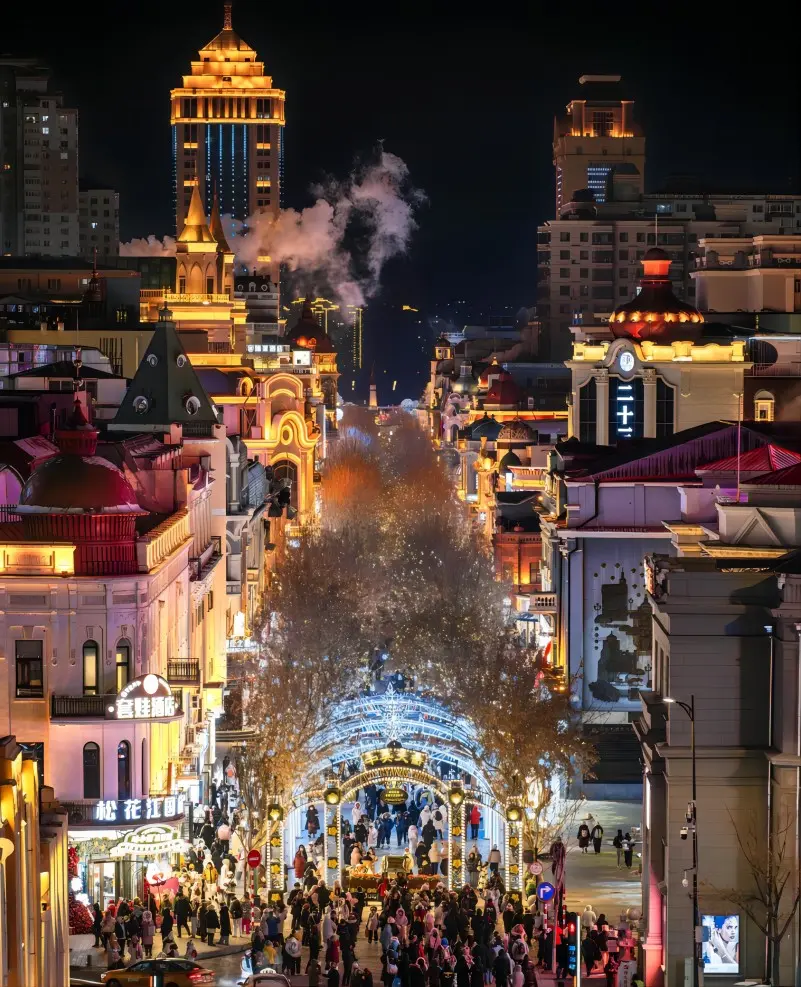
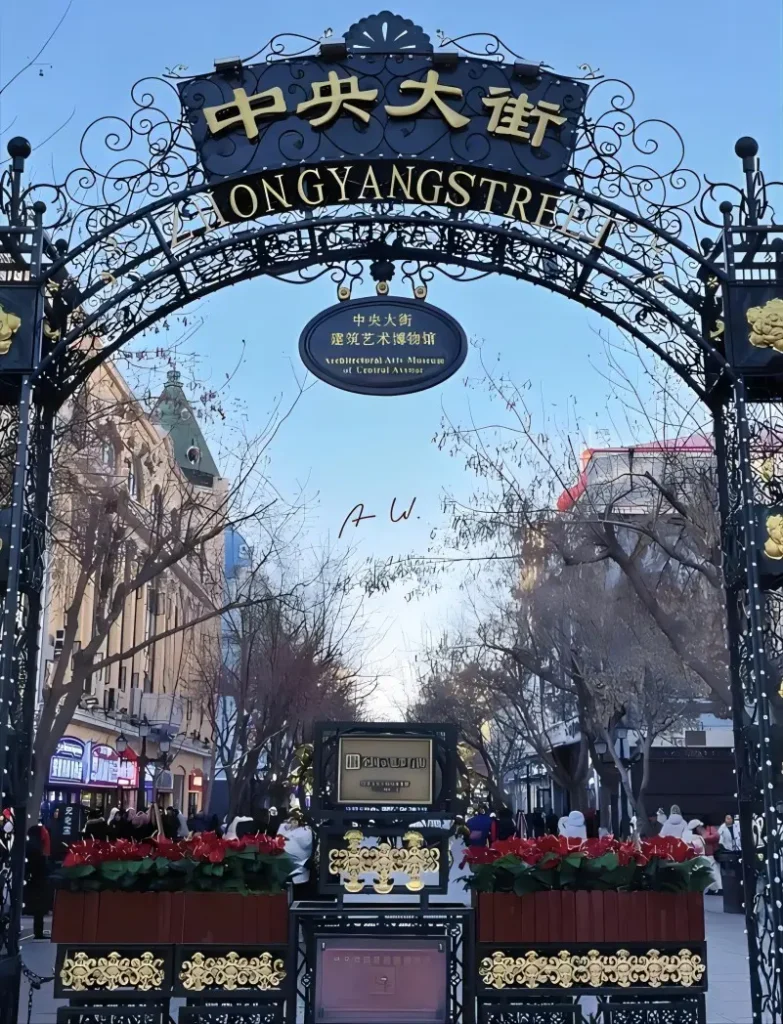
Central Street (Zhongyang Street)
A 1.4-kilometer cobblestone pedestrian street famous for its European architecture.
Visitors can admire buildings in Baroque, Renaissance, and Gothic styles while enjoying local food and shopping.
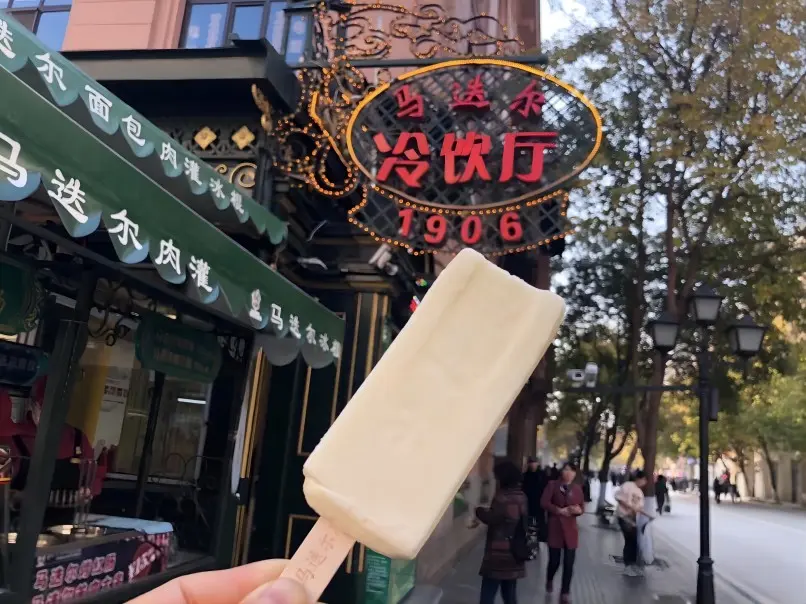
Don’t miss the iconic Madieer Ice Lolly, a Harbin winter tradition.
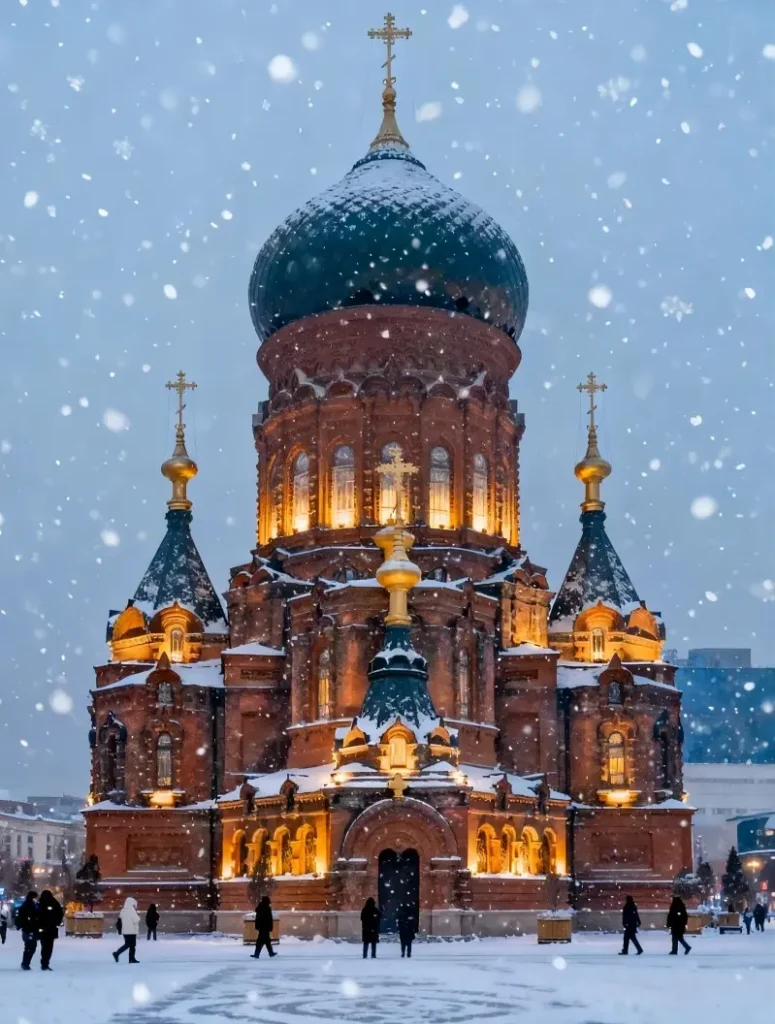
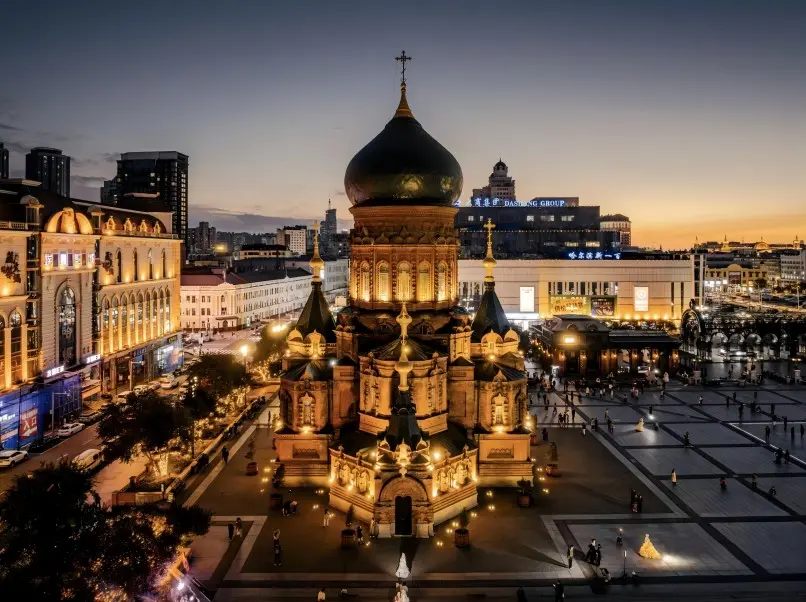
Saint Sophia Cathedral
One of the most famous landmarks in Harbin.
This former Russian Orthodox church features a large green dome and red brick walls. Today it houses the Harbin Architecture Art Museum.
The square outside is a popular photography spot, especially after snowfall.
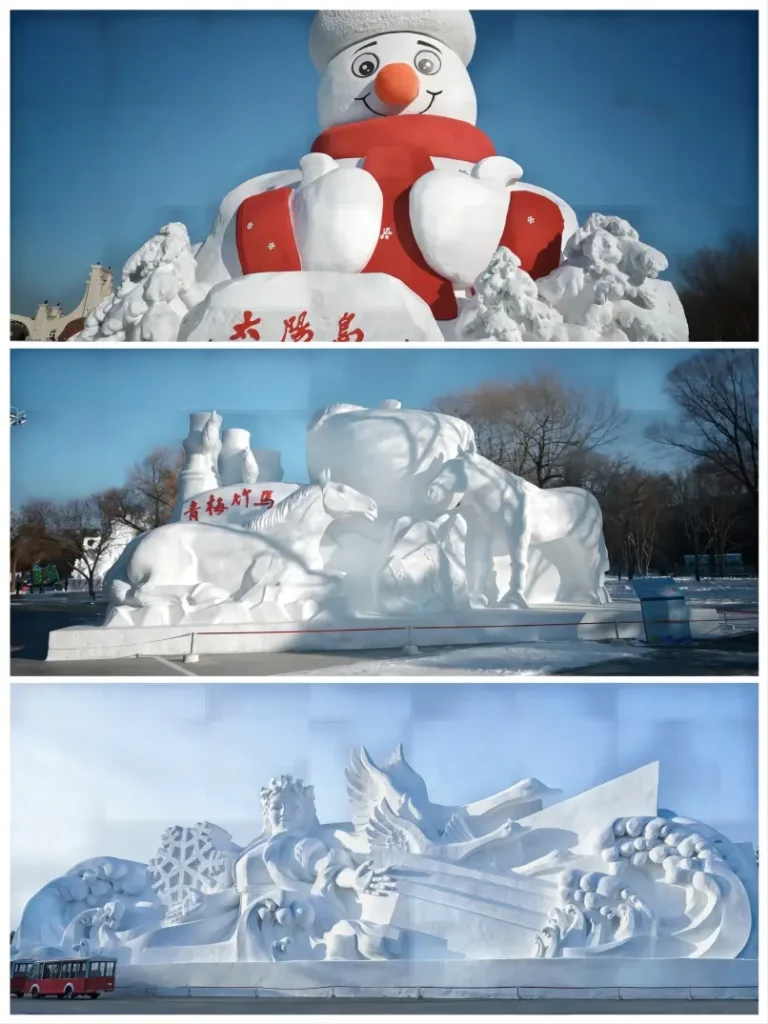
Sun Island Snow Expo
While Ice and Snow World focuses on ice sculptures, Sun Island is dedicated to massive snow sculptures.
These large snow carvings are among the most impressive in the world and offer a quieter, more artistic atmosphere.
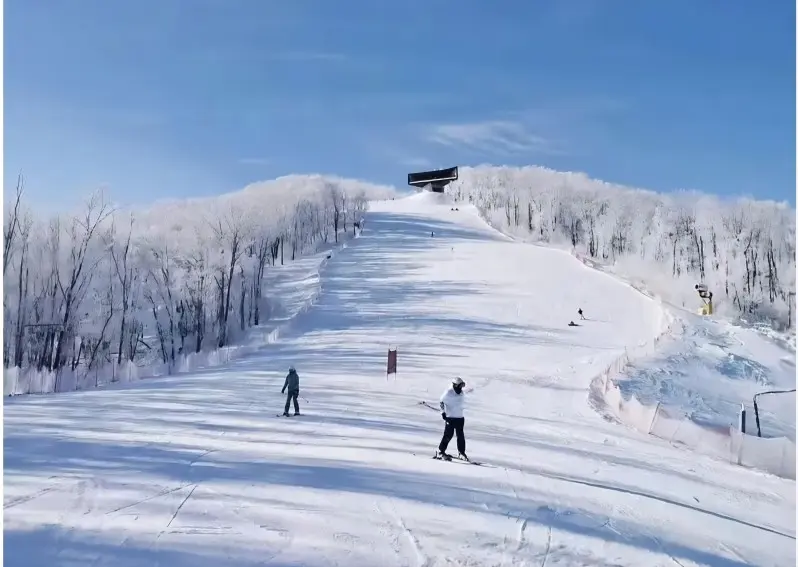
Yabuli Ski Resort
Located about 1.5–2 hours from Harbin, Yabuli is China’s most famous ski resort.
The resort offers:
- slopes for beginners and professionals
- ski equipment rental
- English-speaking instructors
Many visitors combine skiing with a short winter vacation.
Must-Try Foods in Harbin

Harbin Red Sausage
A smoked sausage influenced by Russian recipes. It has a rich garlic flavor and is one of the city’s most famous souvenirs.
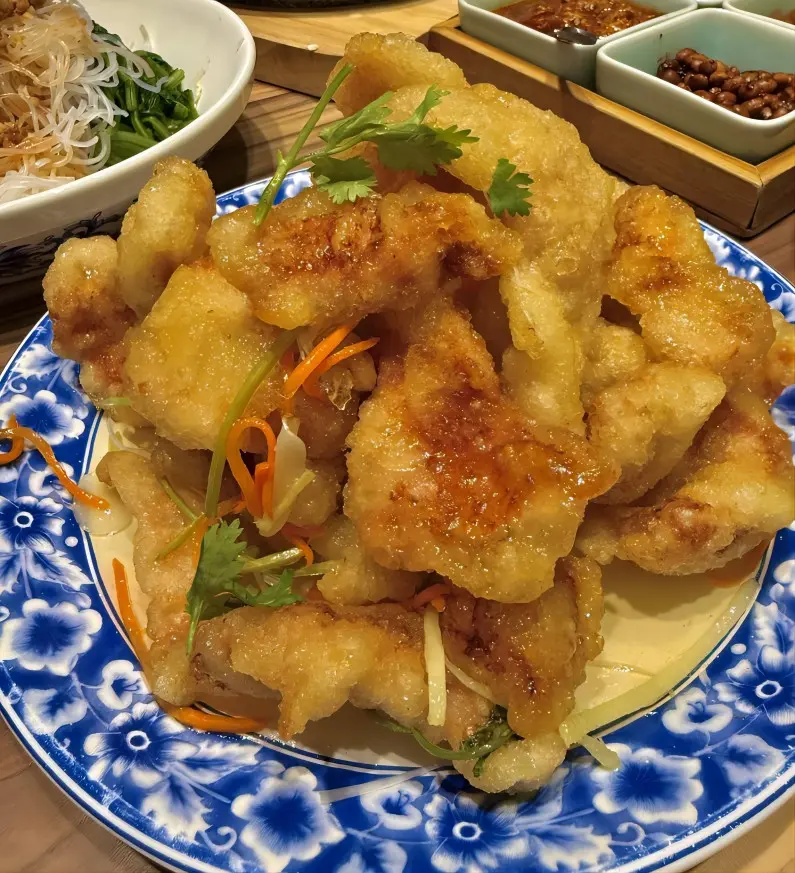
Guobaorou (Sweet and Sour Crispy Pork)
Thin pork slices coated in a crispy batter and served with sweet-sour sauce. A classic dish of Northeastern Chinese cuisine.
Madieer Ice Lolly
A century-old ice cream brand in Harbin. Eating one while walking through the snow is part of the city’s winter tradition.
Russian-Style Western Cuisine
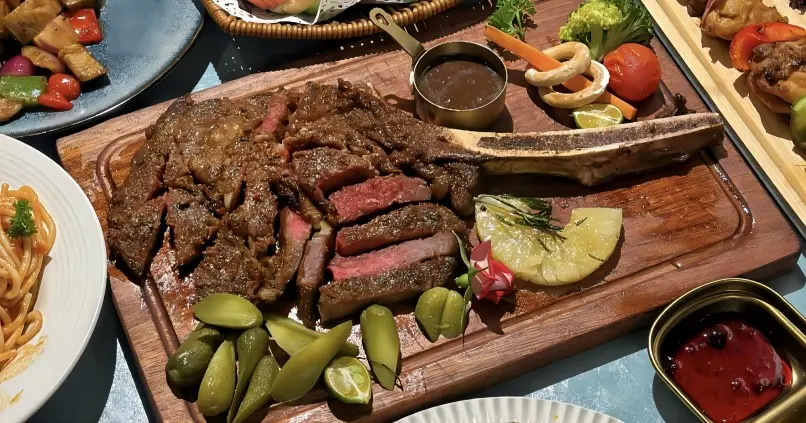
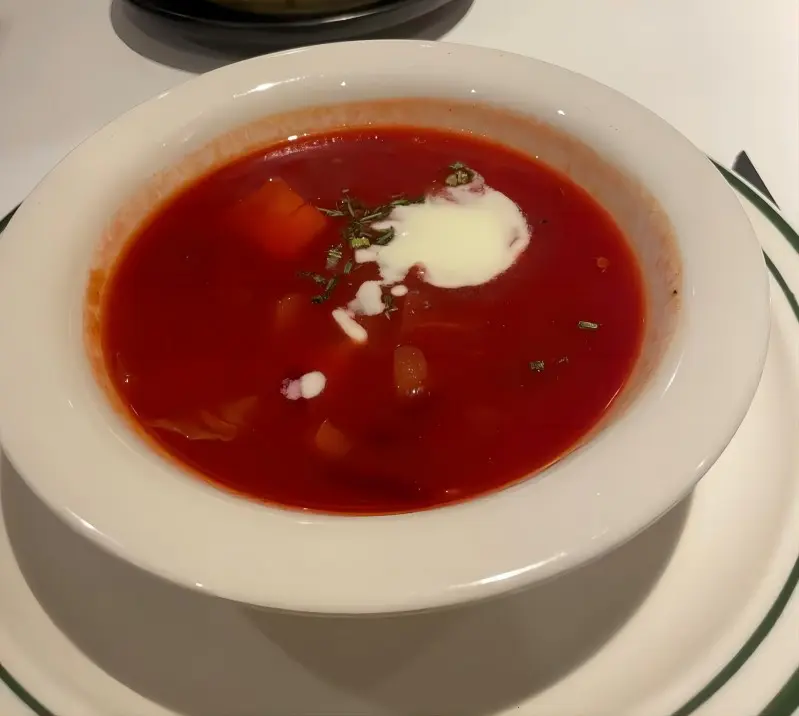
Harbin has many historic Russian restaurants serving dishes like borscht, steak, and bread.
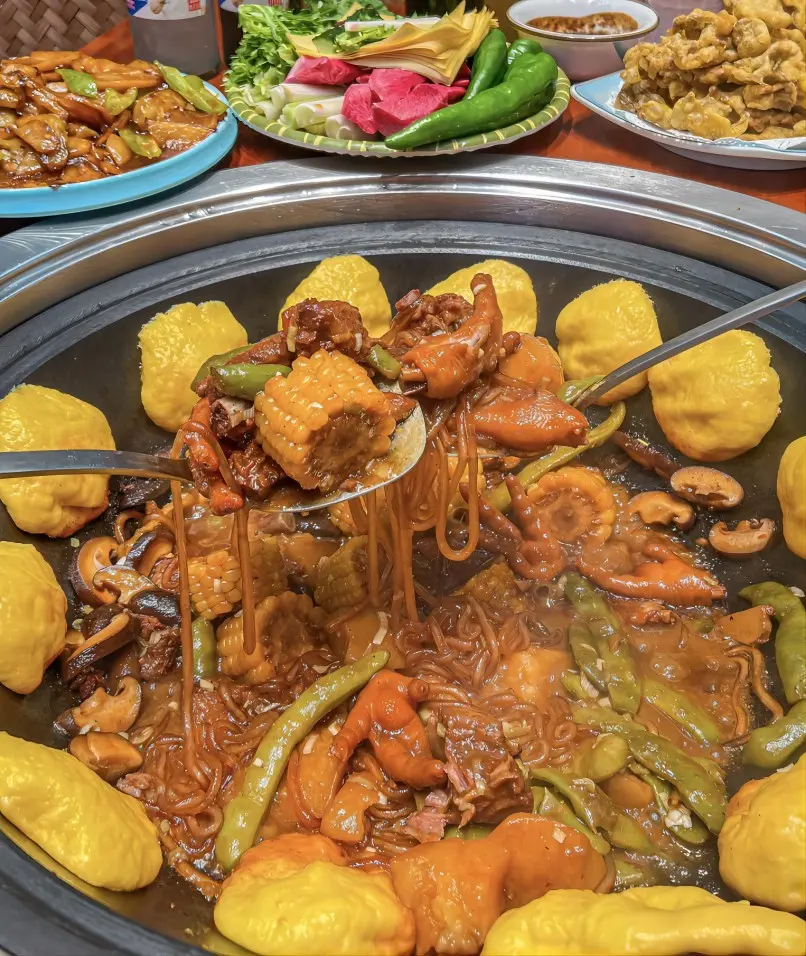
Northeastern Stew (Luandun)
A hearty stew with pork ribs, potatoes, beans, and corn—perfect for warming up after a cold day outdoors.
Harbin 2–3 Day Travel Itinerary
2-Day Relaxed Trip
Best for travelers who want to focus on Harbin’s iconic winter scenery.
Day 1
Morning: visit Saint Sophia Cathedral
Afternoon: explore Central Street and local shops
Evening: enjoy dinner and walk through the illuminated streets
Day 2
Morning: head to Harbin Ice and Snow World
Afternoon: continue exploring sculptures and winter activities
Evening: try Northeastern cuisine in Daowai District
3-Day In-Depth Experience
Best for travelers who want to combine city sightseeing with skiing.
Day 1
Explore Central Street, Saint Sophia Cathedral, and Daowai Old District.
Day 2
Travel to Yabuli Ski Resort and spend the day skiing.
Day 3
Visit Sun Island Snow Expo before returning to the city for departure.
Best Time to Visit Harbin
The best time to visit Harbin is December to February, when the ice festival and winter attractions are fully open.
During this period, the city transforms into one of the most spectacular winter destinations in the world.
FAQ About Visiting Harbin
Is Harbin worth visiting in winter?
Yes. Harbin hosts the world-famous Ice and Snow Festival and offers unique winter scenery unlike anywhere else in China.
How cold is Harbin in January?
Average temperatures range from -15°C to -25°C, so warm winter clothing is essential.
How many days do you need in Harbin?
Most travelers spend 2–3 days exploring the main attractions and winter festivals.
When does the Harbin Ice Festival start?
The festival usually begins in late December or early January and lasts until February.
Is Harbin expensive for tourists?
Compared with major global winter destinations, Harbin is relatively affordable, especially for food and transportation.
Conclusion
Harbin’s rapid tourism growth in 2026 highlights its appeal as one of the world’s most unique winter destinations.
From spectacular ice sculptures and snowy streets to hearty Northeastern cuisine and a fascinating mix of Chinese and Russian culture, Harbin offers an unforgettable winter travel experience.
Whether you are visiting for the Ice Festival, skiing in Yabuli, or simply enjoying the snowy atmosphere of Central Street, Harbin promises memories that will last a lifetime.
If you’re interested in discovering more places experiencing a surge in international visitors, check out our guide to China’s Top Rising Destinations for 2026.
Subscribe now and make your journey through China unforgettable.