Cuihua Mountain Travel Guide: Landslide Wonders, Ice Caves & Taoist Culture near Xi’an
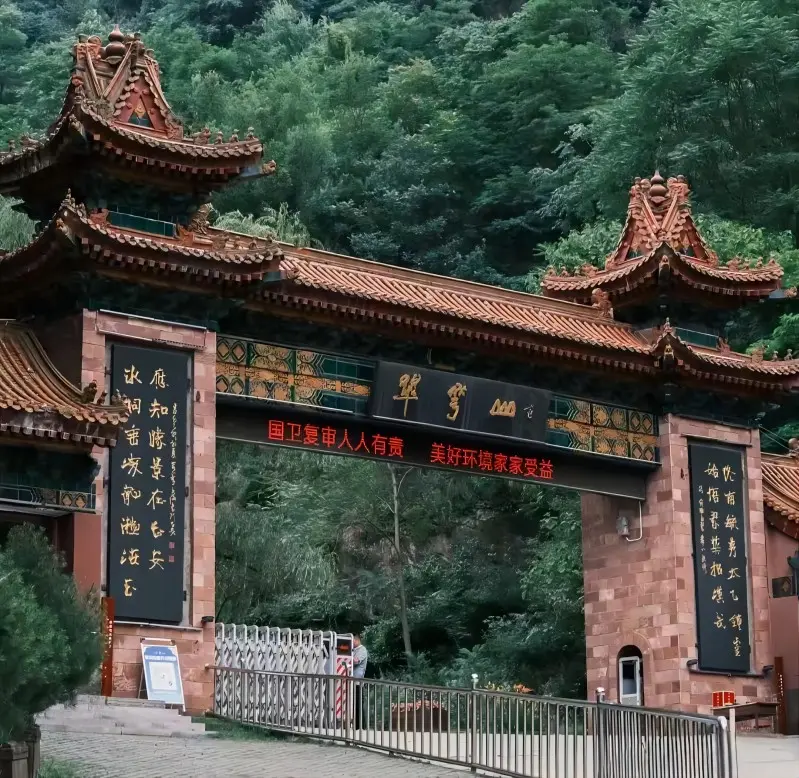
Located about 30 kilometers south of Xi’an, Cuihua Mountain Scenic Area sits on the northern foothills of the Qinling Mountains. Known as a “Natural Geological Museum,” Cuihua Mountain is famous for its massive landslide landscape, year-round ice caves, and deep roots in Taoist mountain culture.
Unlike crowded checklist-style attractions, Cuihua Mountain is a destination for travelers who enjoy nature, slow exploration, and cultural depth. Here, geological time, mountain silence, and Eastern philosophy come together.
Why Visit Cuihua Mountain?
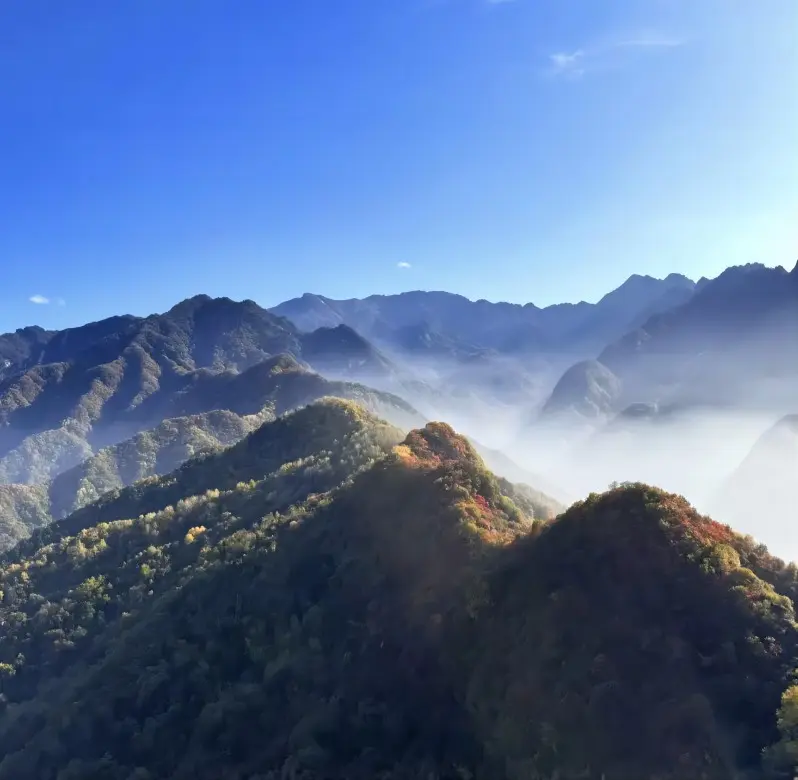
Cuihua Mountain is best known for a giant landslide that occurred around 17,000 years ago, creating one of the most unique geological landscapes in China. Combined with cool summer temperatures, sacred Taoist sites, and scenic hiking trails, it is one of the best day trips from Xi’an for nature lovers.
I. Geological Wonders: The Famous Landslide Stone Sea
The highlight of Cuihua Mountain Scenic Area is its rare Landslide Stone Sea, formed when a massive collapse reshaped the mountain.
Key Natural Attractions
- Landslide Stone Sea
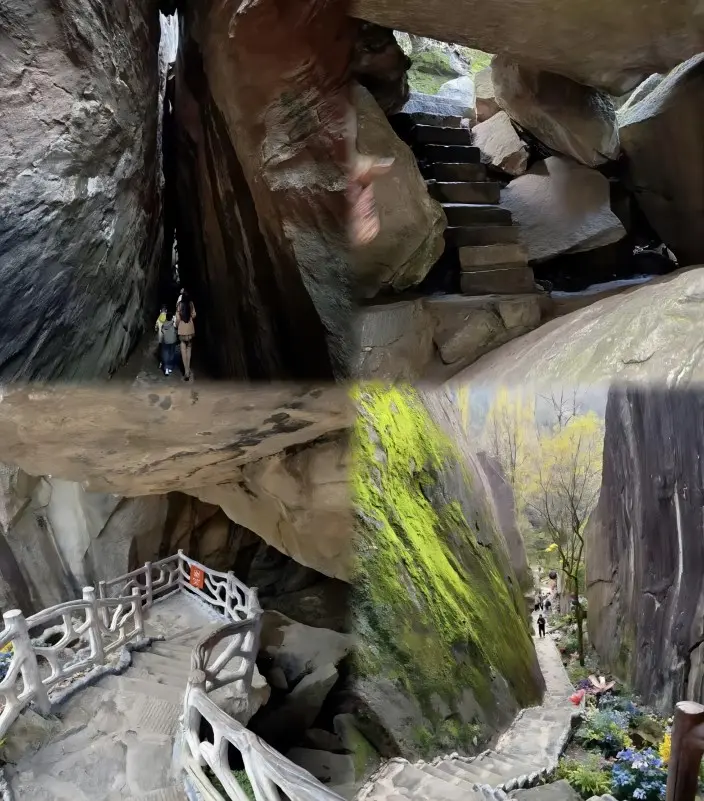
Tens of thousands of huge boulders lie scattered across the valley, creating a surreal stone landscape. A short 20-minute walk from the entrance brings you directly into this area. - Yi Xian Tian (Thin Strip of Sky)
Walk between towering rock walls where the sky narrows to a thin blue line above—a favorite spot for photography. - Wind Cave & Ice Cave
These caves showcase extreme natural temperature differences.- The Wind Cave stays cool even in midsummer
- The Ice Cave preserves natural ice all year, with a temperature drop of up to 40°C, making it one of the most popular summer attractions in Cuihua Mountain
- Heavenly Lake (Tianchi): A barrier lake formed by landslide debris blocking the valley. Its emerald waters reflect the surrounding jagged peaks, like a jade stone dropped into the mortal world.
II. Humanistic & Cultural Highlights: Taoism and Hermit Traditions
Beyond geology, Cuihua Mountain has long been a spiritual retreat.
Important Cultural Sites
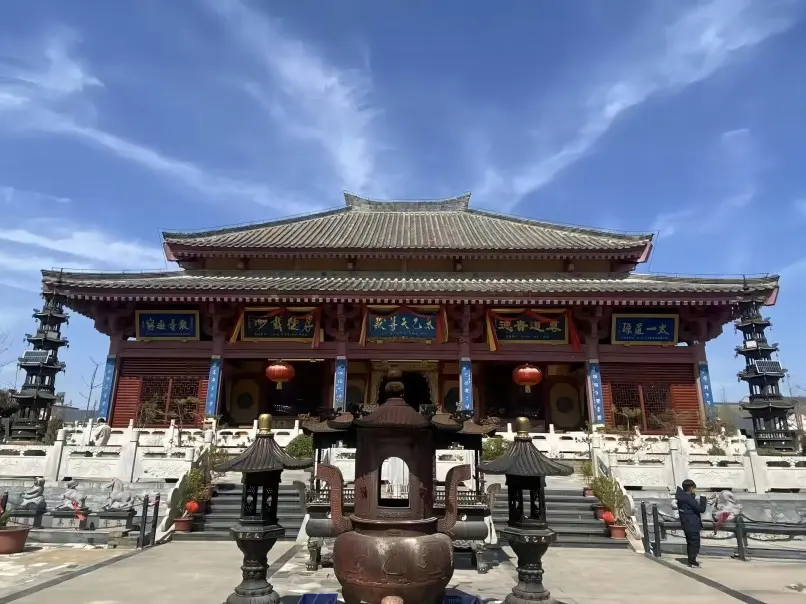
- Taiyi Palace (Taiyi Gong)
Built during the Western Han Dynasty, this Taoist temple is dedicated to Taiyi, an important Taoist deity. On lunar calendar prayer days, visitors can hear chanting and bells echo through the mountains, reflecting the Taoist concept of Wu Wei—living in harmony with nature. - Ganqiu Pool
According to legend, the famous Tang Dynasty poet Wang Wei once lived here in seclusion. The mineral-rich water appears blue-green, especially beautiful during the autumn foliage season. - Cuihua Peak (1,414 meters)
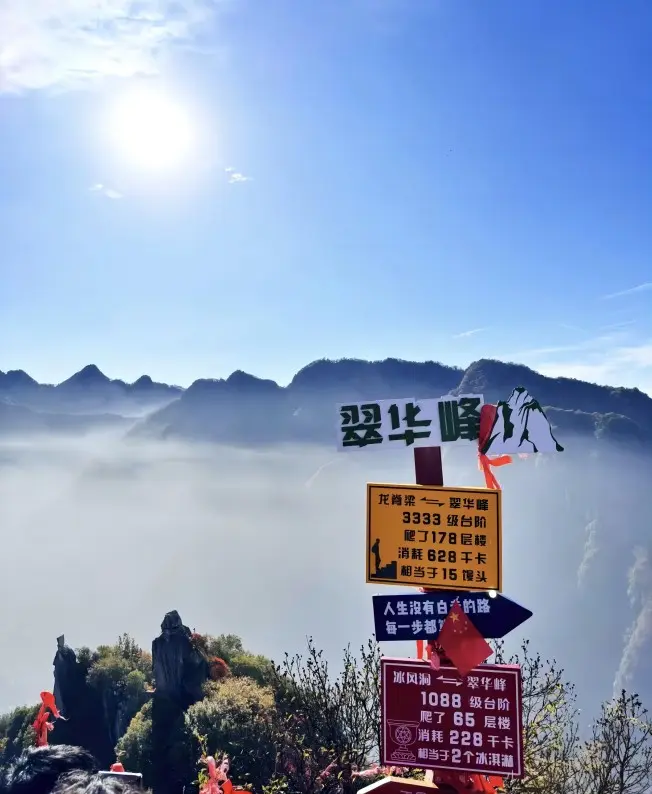
The highest point in the scenic area. A 1-hour hike rewards visitors with panoramic views of Heavenly Lake and the rolling Qinling Mountains.
III. Things to Do in Cuihua Mountain
1. Hiking & Nature Walks
Well-marked trails make Cuihua Mountain suitable for both casual walkers and hiking enthusiasts. Most highlights can be visited without advanced hiking skills.
2. Explore the Ice Cave (Summer Only)
Equipped with safety gear and lighting, visitors can enter the Ice Cave and experience thousand-year-old ice even in July—a rare experience in central China.
3. Geological Science Trail
Educational signs explain landslides, barrier lakes, and mountain formation, making this a great option for families and students.
4. Relax by Heavenly Lake (Tianchi)
Rent a small boat, try lakeside fishing, or simply enjoy the peaceful reflections of cliffs and forests on the water.

IV. Practical Travel Tips
Best Time to Visit Cuihua Mountain
- Spring (April–May): Mild weather, blooming flowers
- Summer (June–August): Cool temperatures and ice caves
- Autumn (September–October): Red leaves and clear views
- Winter: Snow-covered rocks and ink-painting-like scenery
How to Get to here from Xi’an
- By Car: About 1 hour from downtown Xi’an
- Public Transport:
Take Xi’an Metro Line 2 to Weiqu Nan Station, then transfer to a direct tourist bus to Cuihua Mountain Scenic Area
Where to Stay
For deeper immersion, consider staying overnight at a local mountain guesthouse. Evenings are quiet, perfect for stargazing and early-morning bird calls.
V. Cuihua Mountain vs. Zhongnan Mountains: What’s the Difference?
| Feature | Cuihua Mountain | Zhongnan Mountains |
|---|---|---|
| Scale | Single scenic area | Vast mountain range |
| Main Appeal | Landslide geology, ice caves, lake | Hermit culture, temples, biodiversity |
| Travel Style | Easy day trip from Xi’an | Long-term exploration |
| Best For | Nature + culture balance | Spiritual and philosophical travel |
Is Cuihua Mountain Worth Visiting?
Absolutely. Cuihua Mountain offers a rare mix of dramatic geology, cool summer climate, and Taoist cultural heritage, all within easy reach of Xi’an. It is ideal for travelers who want more than photos—those seeking quiet landscapes, meaningful history, and a slower rhythm of travel.

Final Thoughts
Cuihua Mountain does not try to impress with noise or spectacle. Instead, it tells its story through ancient rocks, hidden ice, and centuries of mountain wisdom.
If you are tired of crowded attractions and want to experience a different side of Xi’an’s surrounding nature, Cuihua Mountain Scenic Area is well worth your time. Sometimes, the best journeys are not about checking places off a list—but about finding space to breathe.
Furthermore, to explore more highlights of a Xi’an journey, don’t miss our page on Xi’an Tourist Attractions!