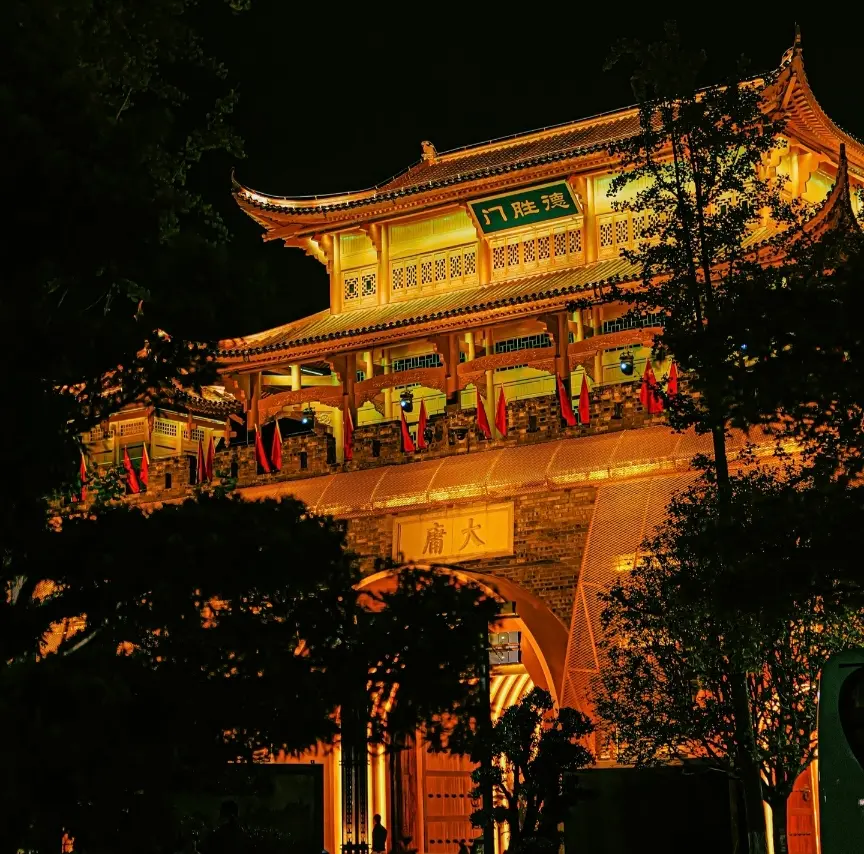
Top Things to Do in Downtown Zhangjiajie: Nightlife & Culture Guide
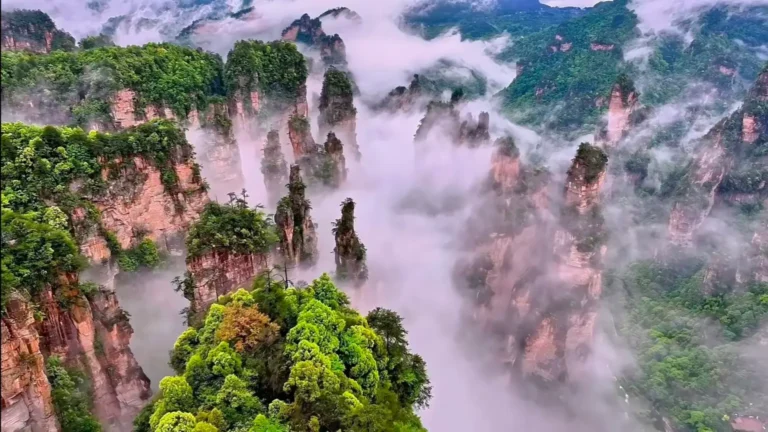
Visiting Zhangjiajie for the first time and wondering where to start? Just keep this simple formula in mind: 3 Major Scenic Areas (Wulingyuan, Tianmen Mountain, Zhangjiajie Grand Canyon) + Downtown Area. Most travelers dedicate all their time to the mountains: two days in Wulingyuan, one day at Tianmen Mountain, and half a day at Zhangjiajie Grand Canyon. With packed itineraries, the downtown area often ends up as a mere transit stop—a place to sleep, grab a quick bite, or catch a train.
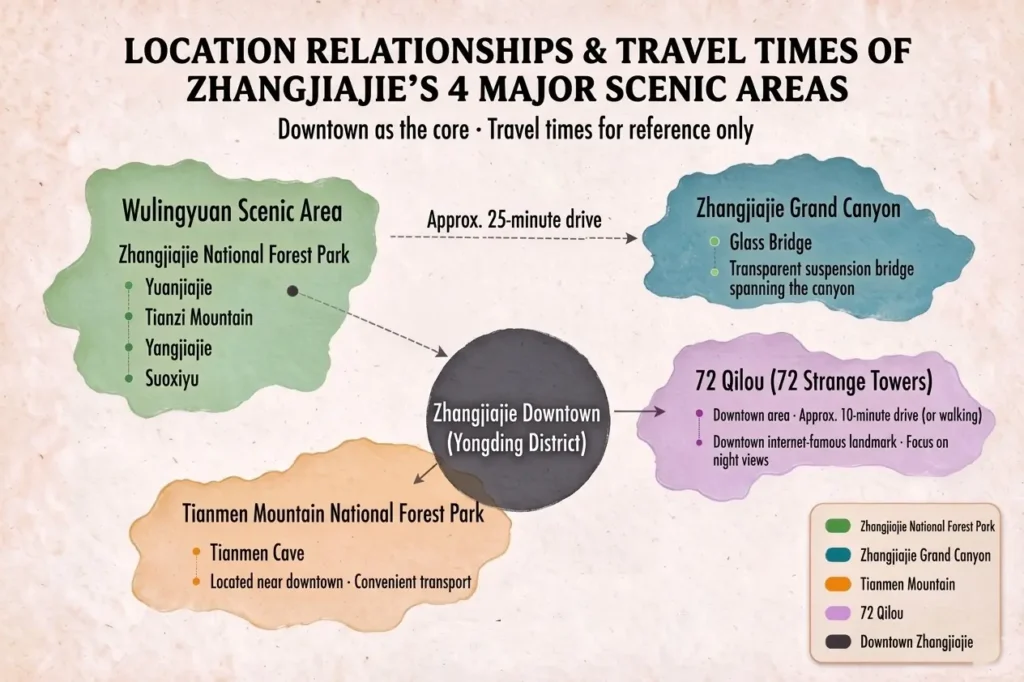
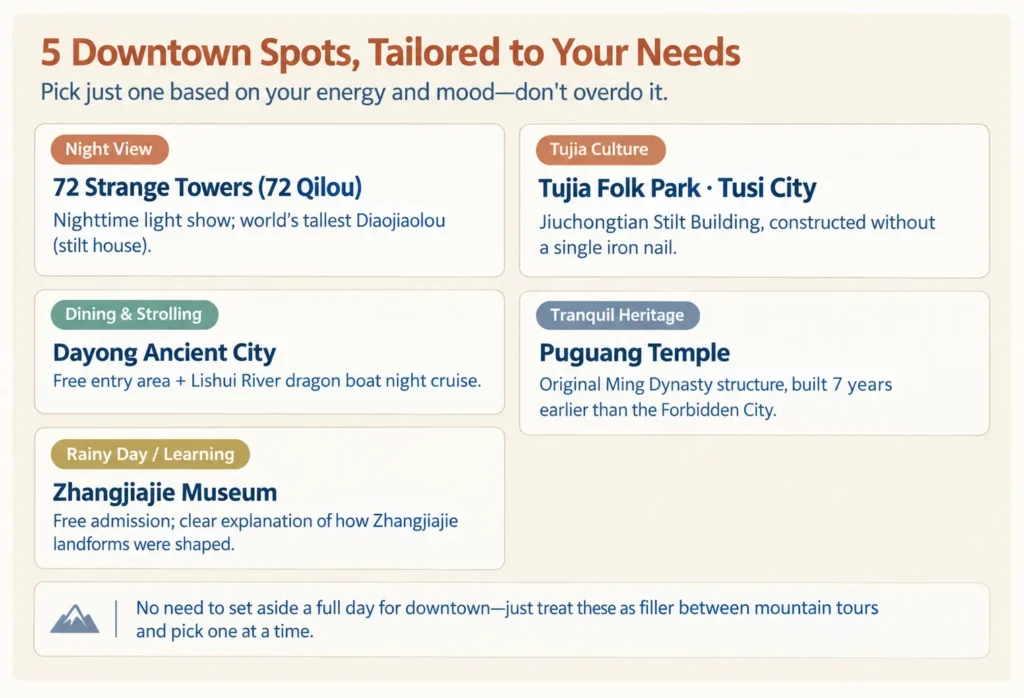
That is a bit of a missed opportunity. Downtown Zhangjiajie (Yongding District) is compact, with attractions clustered closely together. It offers something the mountains cannot—traditional Tujia architecture, vibrant night street life, and a shift from admiring natural landscapes to experiencing local culture. If you have half a day after descending Tianmen Mountain, or a few spare hours before your flight or train, these downtown spots are well worth exploring. You don’t need a full dedicated day; treat downtown as a relaxing interlude between mountain excursions.
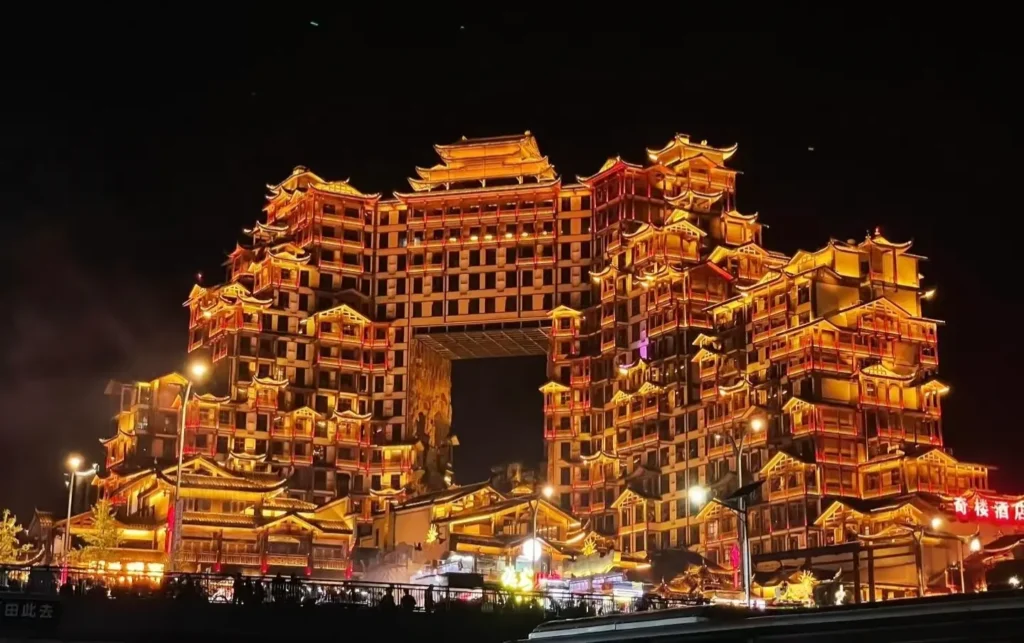
1. 72 Strange Towers (72 Qilou): Zhangjiajie’s Premier Nightlife Spot
The 72 Strange Towers is the most eye-catching modern landmark in the city. The main structure stands 109.9 meters tall, certified by Guinness World Records as the “World’s Tallest Stilt-House-Style Building” (Diaojiaolou). Its architectural design features a clever touch: the hollow central archway aligns in the distance with Tianmen Cave miles away, creating a symbolic “two caves facing each other” visual motif.
The best time to visit is after dusk. While it is an intriguing architectural curiosity by day, the building transforms at night with a full light show—turning the facade into a massive screen featuring 7D holographic imagery and over a thousand light effects. The interior is divided into three zones: Sky Palace, Old Street, and Tujia Village, housing food stalls, intangible cultural heritage workshops, and immersive performances. As the local saying goes: “Mountains by day, Strange Towers by night.”
Practical Assessment: If you still have energy after returning from Tianmen Mountain, spending an hour or two here in the evening is worthwhile. However, if you’ve already logged 20,000 steps during the day, it’s not worth forcing the trip. Evening admission starts after 16:30 (approx. 88 RMB), while daytime tickets before 16:30 (approx. 48 RMB) allow you to stay until nightfall, offering a better value. Ticket prices fluctuate, so verify current rates on booking platforms prior to visiting.
2. Tujia Folk Custom Park (Tusi City): Authentic Indigenous Culture
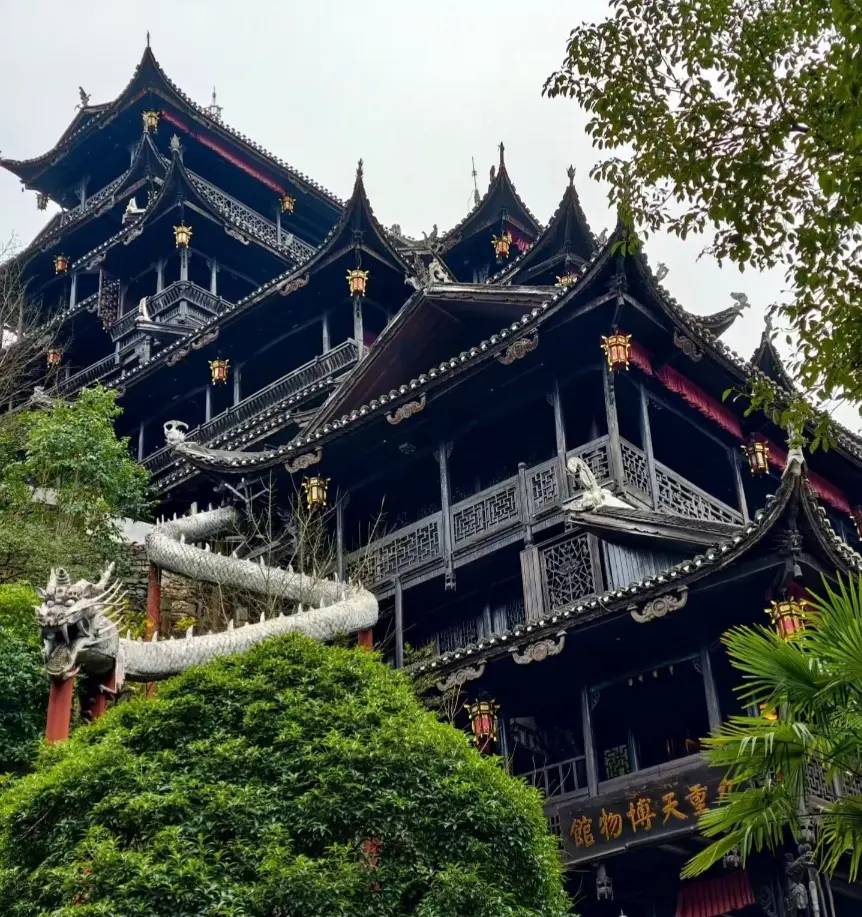
The centerpiece of the Tujia Folk Custom Park is Tusi City, a Tujia mountain fortress restored on its original historic site and designated a Class 4A national scenic spot in 2004. Rather than a modern commercialized retro street, it is a cultural destination built upon the foundation of a West Hunan Tusi fortress.
The star attraction is Nine-Story Sun and Moon Hall (Jiuchongtian Sysaitang)—a 48-meter-tall wooden stilt house featuring 9 tiers and 12 stories. Constructed entirely with traditional wooden mortise-and-tenon joints without a single iron nail, it entered the Guinness World Records in 2002 as a world architectural wonder. The park also hosts live cultural demonstrations, including traditional Tujia wedding customs, the Baishou Dance, and the Maogusi Dance. Renowned director Xie Jin once remarked: “Without visiting Tusi City, one cannot truly understand the Tujia people.” If you are interested in indigenous architecture and traditional lifestyles, this spot offers a genuine experience. Plan for 1 to 2 hours here.
3. Dayong Ancient City: Evening Strolls & Street Food along Lishui River
“Dayong” is the historical name of Zhangjiajie. Situated along the Lishui River in Yongding District, Dayong Ancient City is an open-access, retro-style leisure district. Following its revitalized opening, the main street area requires no entry fee or reservation—you can simply walk right in.
Position yourself with realistic expectations: it is not a “must-see” historic monument, but rather a pleasant area for strolling, dining, and unwinding. The quarter is split into three thematic zones—Good Six Street, Strange Market, and Artisan Alley—packed with cafes, local BBQ eateries, and creative craft shops. Visitors can often witness performances of local intangible heritage, such as iron flower throwing, Yang opera, and Sangzhi folk songs.
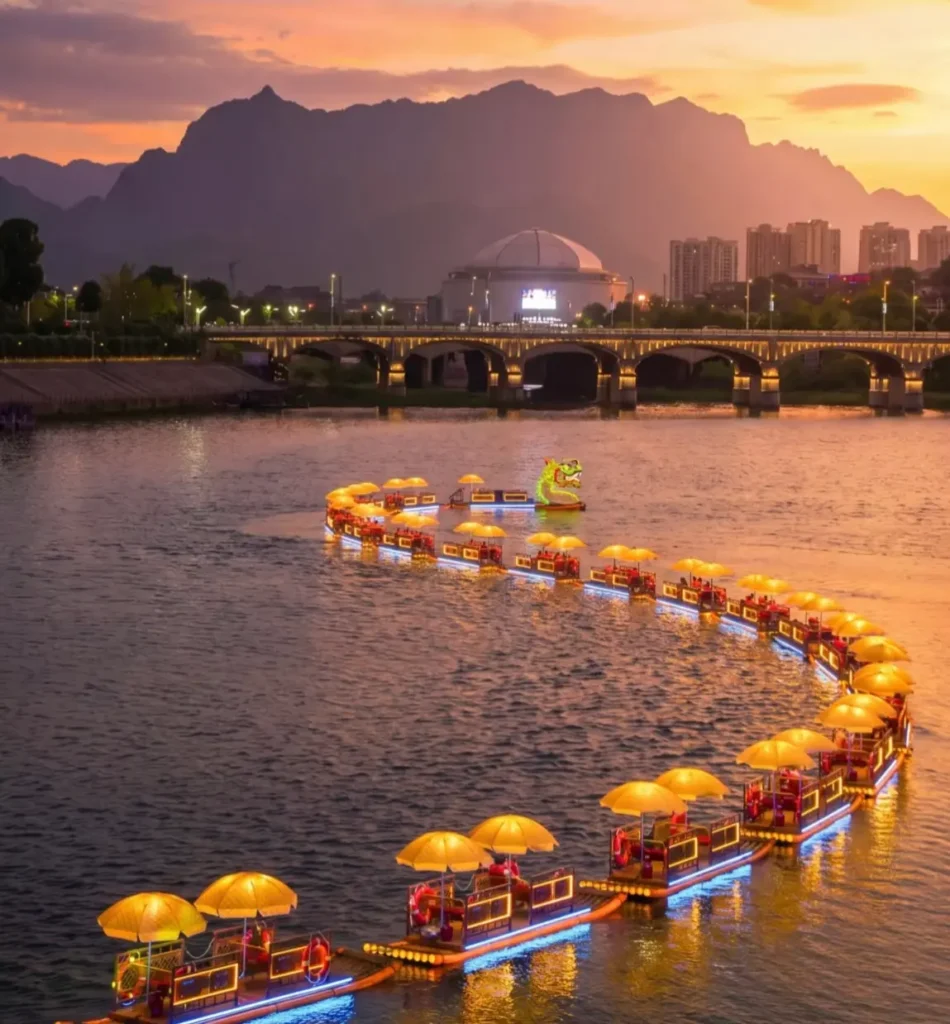
The evening highlight is the Plank Dragon Boat River Cruise along the Lishui River. Inspired by the national-level intangible heritage Cili Plank Dragon Lanterns, illuminated dragon boats parade along the water, offering fantastic photo opportunities. If you are staying downtown, a post-dinner stroll here is far better than staying in a hotel room; just keep in mind that it is a commercial leisure strip rather than a preserved historic relic.
4. Puguang Temple: Historic Temple Older Than Beijing’s Forbidden City
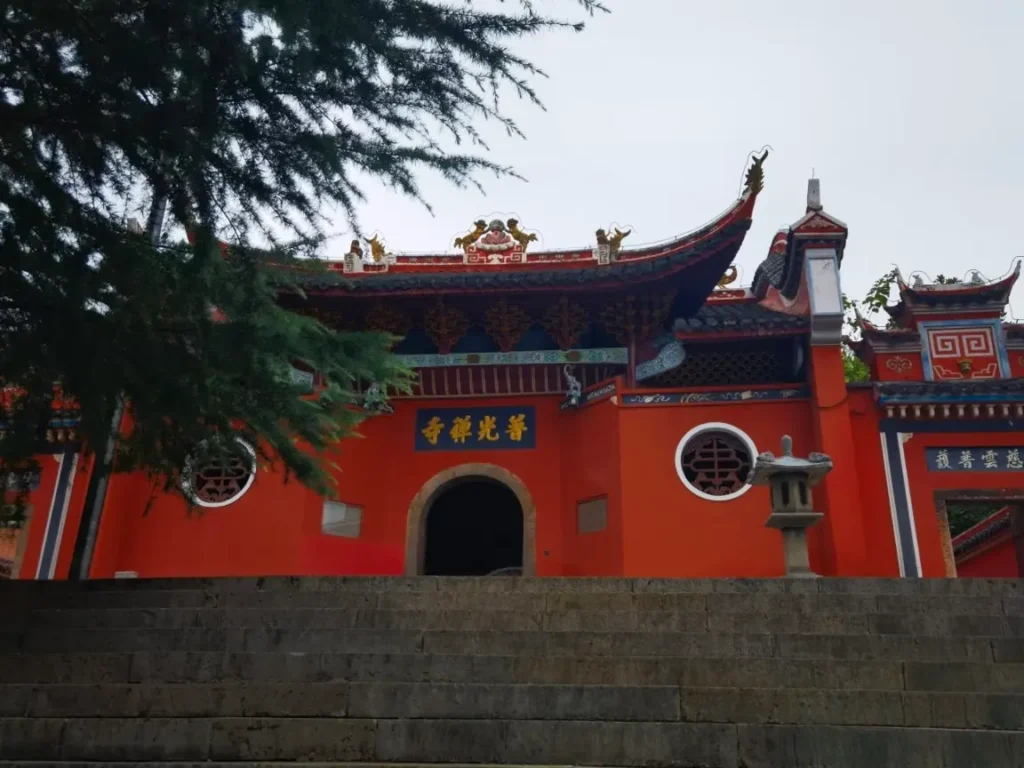
If you seek genuine antiquity, head to Puguang Temple. First built in the 11th year of Yongle in the Ming Dynasty (1413)—seven years before the completion of the Forbidden City in Beijing—its Main Hall retains its original Ming Dynasty structure, and the complex is free to enter. Located on Jiefang East Road in the city center, it is accessible via Bus Route 2 (get off at Puguang Temple Station).
Here, you won’t find tour groups or heavy commercialization—just an active, serene historic temple. A notable architectural quirk is the Arhat Hall, where all 16 wooden pillars are naturally curved. Built on the principle of “crooked pillars and tilted beams without the structure leaning,” the hall was constructed without nails. Furthermore, the complex uniquely blends Buddhist, Taoist, and Martial Temple elements under one roof, earning it historical fame as a renowned Jiangnan temple. Spending 30 minutes walking through its quiet courtyards provides an effortless cultural stop.
5. Zhangjiajie Museum: Best Rainy Day & Free Cultural Activity
If you encounter rainy weather or have a few hours to kill before a train or flight, the Zhangjiajie Museum is a great choice. Free to the public (closed Mondays; open Tuesday–Sunday 9:00–16:30), it holds Class II National Museum status.
The highlight for travelers is the Geology Hall, which uses mineral specimens, ancient fossils, and multimedia displays to clearly explain how the unique “Zhangjiajie Landform” was created over millions of years. Understanding the geological history enriches your perspective when viewing the stone pillars later. Additionally, the History and Culture Hall showcases local Tujia history and folklore. Located near Dayongbridge Park in Yongding District, it serves as an insightful, low-physical-effort addition to your trip.
Summary: How to Plan Your Downtown Zhangjiajie Itinerary
- For dramatic night lights, head to 72 Strange Towers.
- To explore Tujia heritage, visit Tujia Folk Custom Park (Tusi City).
- For evening strolls and local food, wander around Dayong Ancient City.
- For quiet historic architecture, visit Puguang Temple.
- To understand the science behind the sandstone pillars, drop by the Zhangjiajie Museum.
For general trip logistics—including passport reservations, entry tickets, transport passes, translation apps, mobile payment setups, and offline maps—please refer to the detailed breakdown in our Zhangjiajie Practical Travel Essentials Guide.
You don’t need to dedicate a full day to downtown Zhangjiajie—treat it as a flexible, rewarding interlude between mountain excursions. Whenever you need a breath of fresh air between Wulingyuan and Tianmen Mountain, these city spots are waiting to be discovered. If you’ve just finished reading this and want a big-picture overview of Zhangjiajie’s top spots and how they connect, head back to our Zhangjiajie Scenic Attractions & Landmarks Guide.