6 Zhangjiajie Main Dishes & What to Order for Dinner
When traveling to Zhangjiajie, foreign travelers often face the same dilemma during mealtime: What to order, and how to enjoy an authentic sit-down meal without stepping into tourist traps?
Exploring Zhangjiajie main dishes is one of the highlights of visiting Xiangxi, but navigating local menus can feel overwhelming. This dining guide breaks down the 6 absolute best signature dishes in Tujia cuisine. We will categorize them, explain where to eat, how much they cost, whether they are spicy, if they are worth a special trip, and the essential pitfalls to avoid. After reading this, you can walk into any local restaurant and order with total confidence.
6 Iconic Main Dishes for an Authentic Zhangjiajie Meal
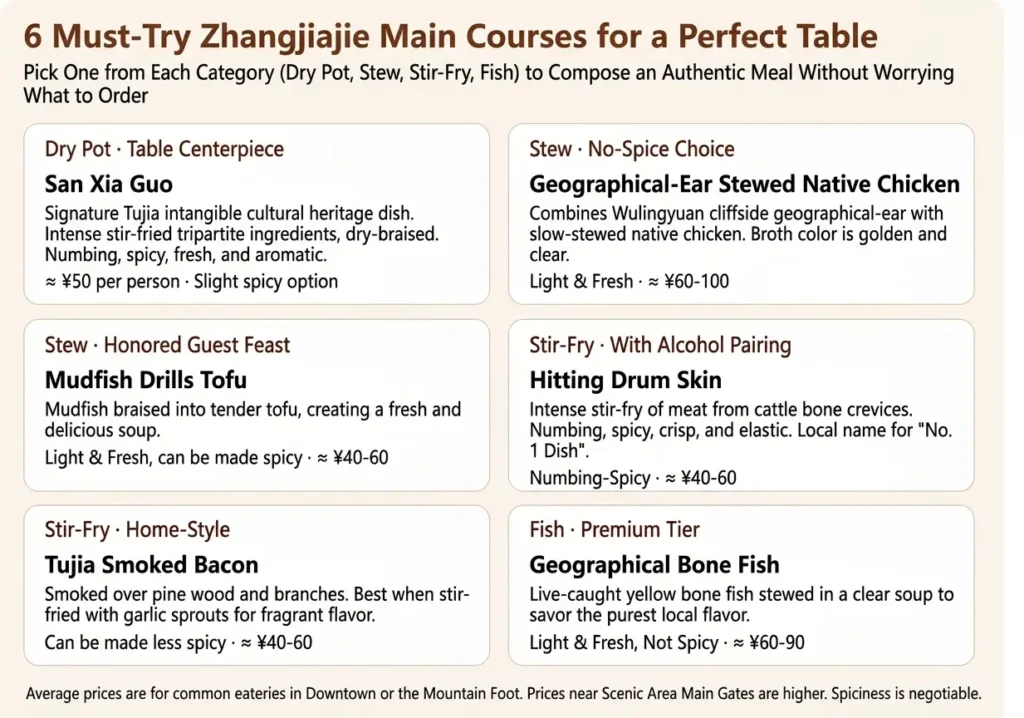
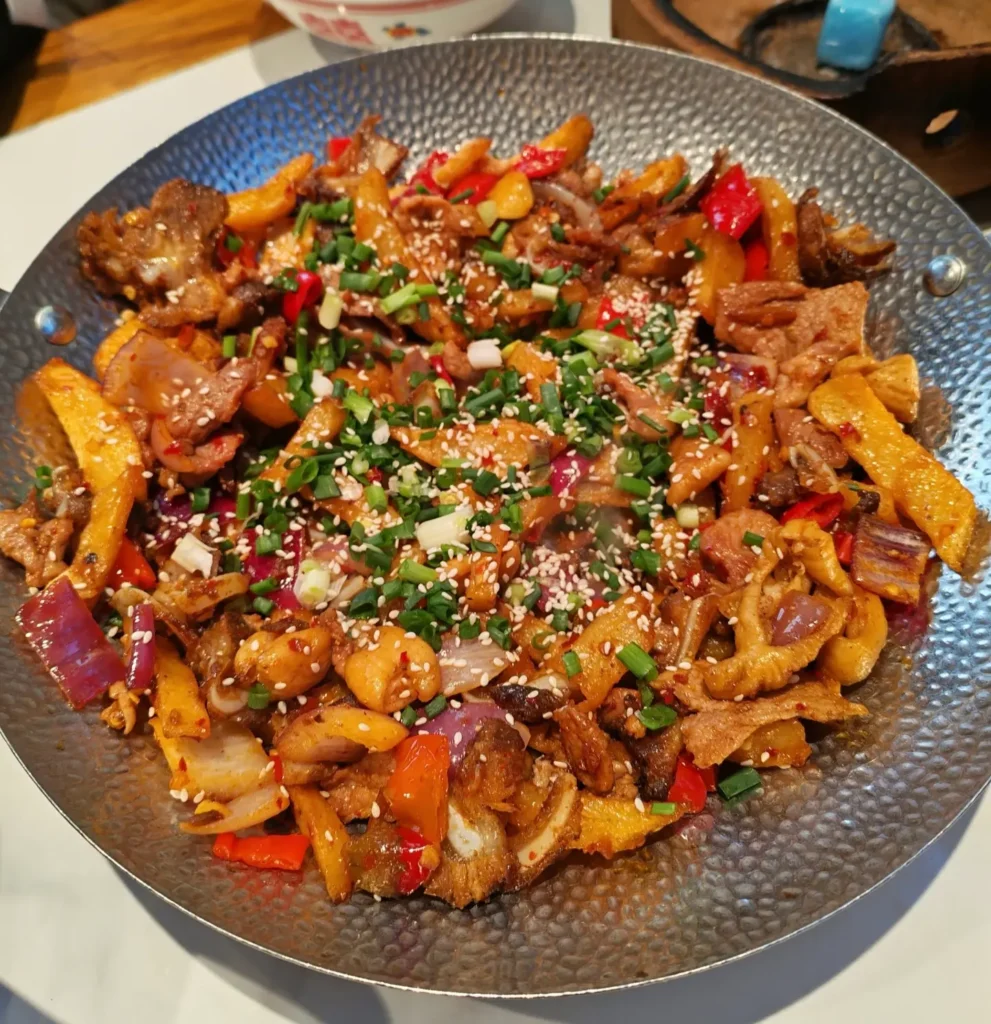
1. San Xia Guo — The Signature Tujia Dry Pot
- In One Sentence: A Tujia Intangible Cultural Heritage dry-pot dish with roots in Ming Dynasty military rations. It features three types of meats (typically pork intestines, pork tripe, and beef tripe) dry-braised over high heat—numbing, spicy, fresh, and increasingly flavorful as it simmers.
- Where to Eat: Most concentrated in Downtown local eateries and along Xibu Street at the foot of Wulingyuan.
- Price: Small dry pot costs ≈ ¥40–70; average ≈ ¥50 per person. One portion is ample for two people.
- Spiciness Level: Medium to heavy spice by default. You can request “Mildly Spicy” (微辣 / Wēilà). Avoid if you cannot tolerate any spice.
- Is It Worth It? 100% Yes. A must-order for first-time visitors and the ultimate hallmark of Tujia cuisine.
- Pitfalls to Avoid: Restaurants right outside the scenic area main gates (like Wulingyuan Landmark Gate) are significantly more expensive. Eat in Downtown or at the foot of the mountain instead. Also, dry pots become saltier as they simmer—pair it with steamed rice!
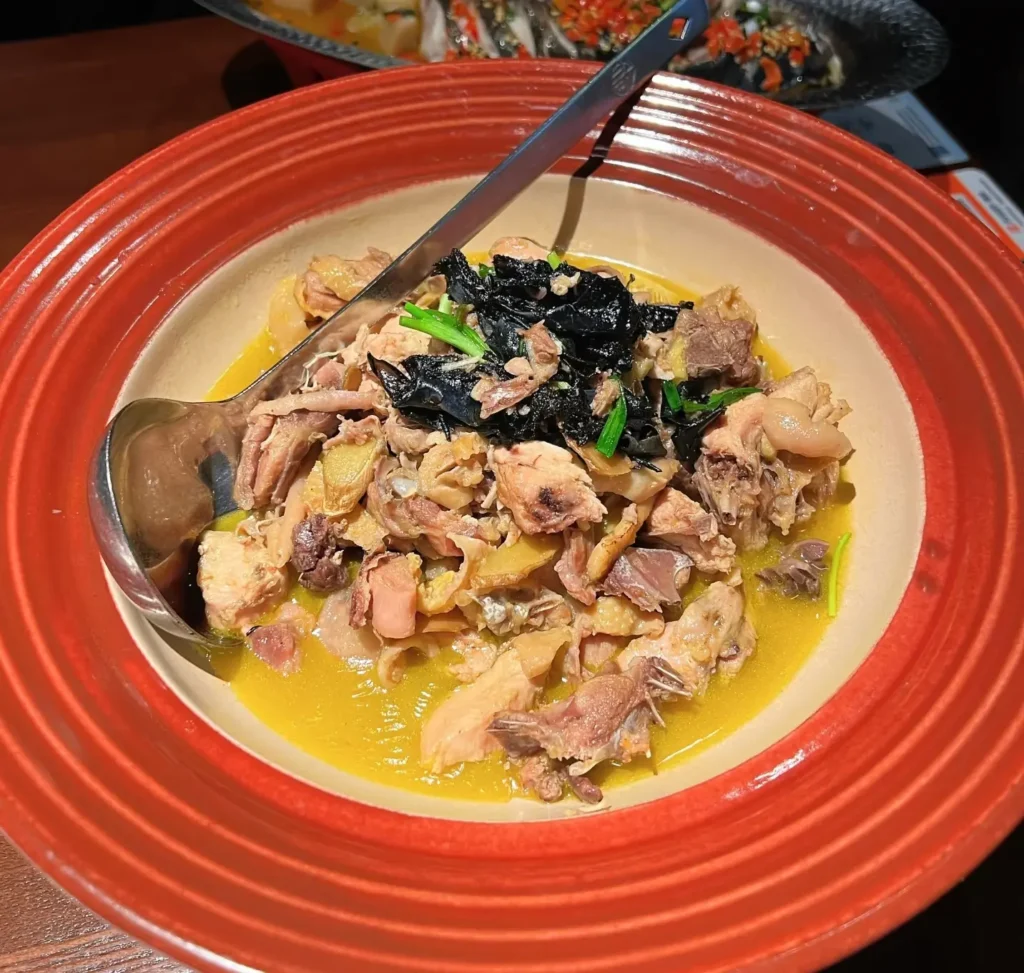
2. Geographical-Ear Stewed Native Chicken — Best Non-Spicy Comfort Food
- In One Sentence: “Geographical Ear” (a rare cliffside lichen) is hand-harvested by local gatherers rappelling down Wulingyuan’s sheer quartz-sandstone cliffs. Slow-stewed with local free-range native chicken, it produces a golden, rich, yet clean broth.
- Where to Eat: Available per portion at almost all local Tujia restaurants in Downtown and Wulingyuan.
- Price: ≈ ¥60–100 per pot, ideal for 2 to 4 diners.
- Spiciness Level: Completely non-spicy, mild, and savory. The safest and best choice if traveling with seniors, children, or non-spicy eaters.
- Is It Worth It? Yes. It is Zhangjiajie’s signature non-spicy classic.
- Pitfalls to Avoid: Real geographical-ear is rare and costly. Confirm before ordering whether it is genuine Yán’ěr (岩耳) or standard mushrooms. Real geographical-ear has a uniquely silky texture.
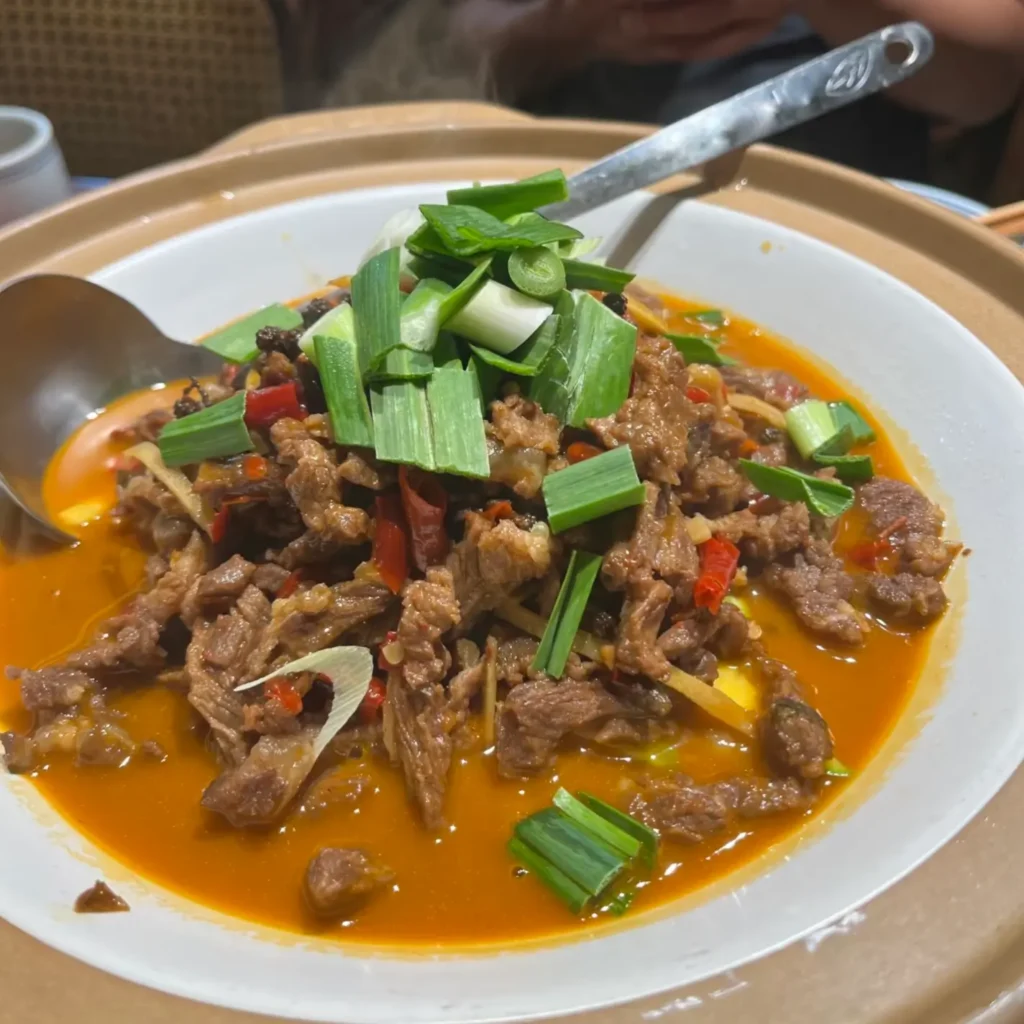
3. Hitting Drum Skin — Spicy Stir-Fried Beef Crevice Meat
- In One Sentence: Thin, skin-on beef tenderloin scraped from between Xiangxi yellow cattle rib bones (only a few kilograms per cow). Stir-fried over high heat, it is numbing, spicy, crunchy, and elastic—crowned by local media as “Zhangjiajie’s No. 1 Dish.”
- Where to Eat: Primarily in Downtown local eateries, especially near the old train station / North Station area and famous neighborhood spots in Yongding District.
- Price: ≈ ¥40–60 per dish (≈ ¥50 per person).
- Spiciness Level: Heavy numbing spice. Highly recommended for spicy food lovers; avoid if you cannot handle heat.
- Is It Worth It? Yes. A quintessential local pub dish (Xiàjiǔ cài). Perfect if you want an authentic local taste.
- Pitfalls to Avoid: Some menus write it as Dǎ Gǔ Pí (打骨皮)—it is the exact same dish. Don’t let tourist-trap restaurants overcharge you just because it’s labeled a “specialty.”
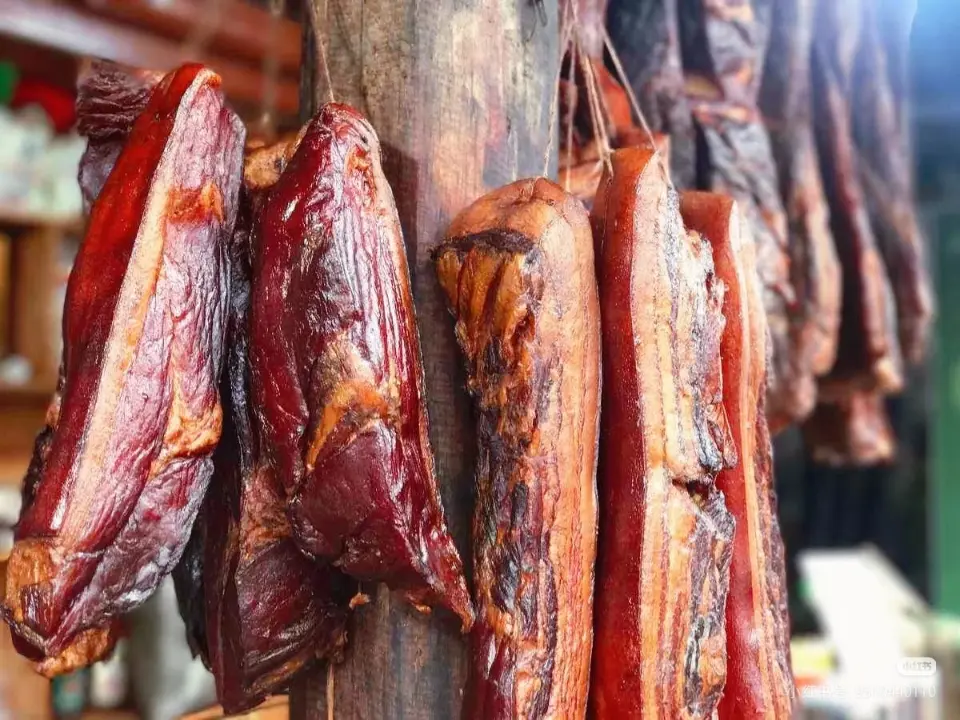
4. Tujia Smoked Bacon — Fragrant Smoked Pork with Garlic Sprouts
- In One Sentence: Cured and slow-smoked over pine wood and orange peels for over a month. The marbled pork turns glossy and ruby-red, classically stir-fried with fresh green garlic sprouts.
- Where to Eat: Served at virtually every Tujia restaurant in the area.
- Price: ≈ ¥40–60 per dish (ideal for 2–3 people).
- Spiciness Level: Can be prepared mildly spicy or non-spicy. Extremely fragrant when paired with garlic sprouts.
- Is It Worth It? Yes, great to order along your journey. (If you want to take some home, check out our Souvenirs Guide for vacuum-packed versions).
- Pitfalls to Avoid: Smoked bacon tends to be salty—it pairs perfectly with steamed rice. You can ask the kitchen to go lighter on salt (Shǎo yán / 少盐).
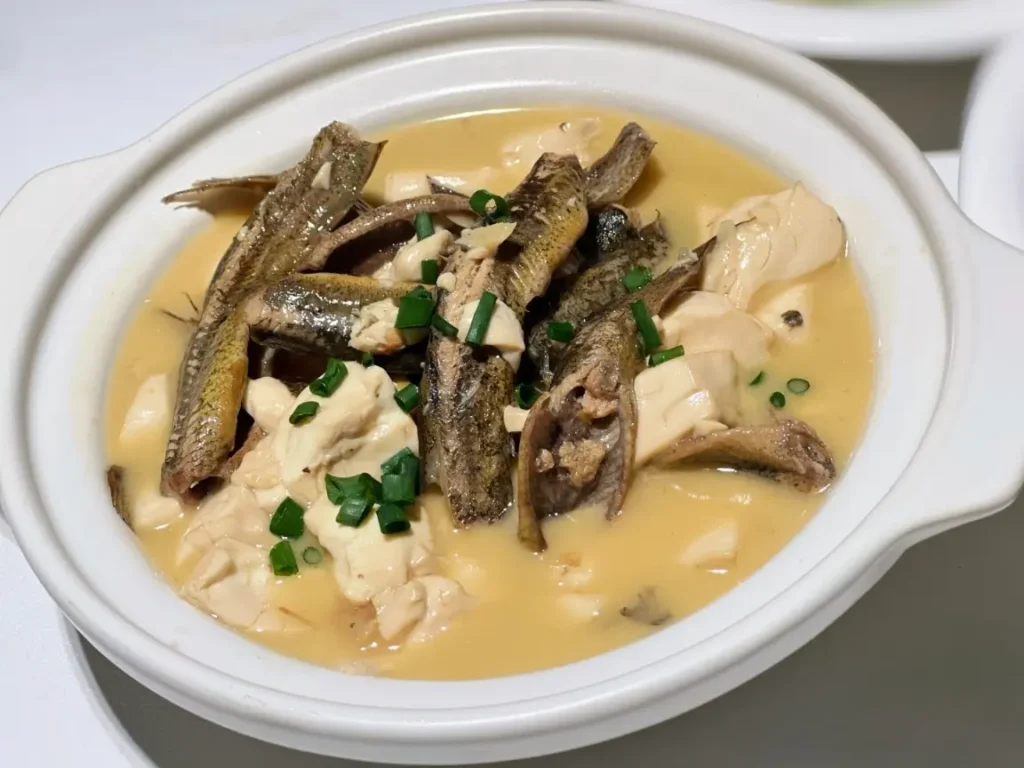
5. Mudfish Drills Tofu — Fresh Soup & Traditional Specialty
- In One Sentence: A unique Xiangxi Tujia soup dish where live mudfish submerge into soft, fresh tofu as the broth heats up. The resulting soup is light, velvety, and delicious—traditionally served to honor valued guests.
- Where to Eat: Common at local Tujia eateries and traditional Hunan restaurants.
- Price: ≈ ¥40–60 per dish.
- Spiciness Level: Typically mild and clear, though chili can be added upon request.
- Is It Worth It? Yes. Exotic yet tasty with great feedback from international travelers. Order it if it fits your route.
- Pitfalls to Avoid: The traditional technique requires careful preparation; some lower-end shops simply braise chopped mudfish with tofu, which lacks the signature delicate texture.
6. Geographical Bone Fish — The Peak of Zhangjiajie Freshwater Cuisine
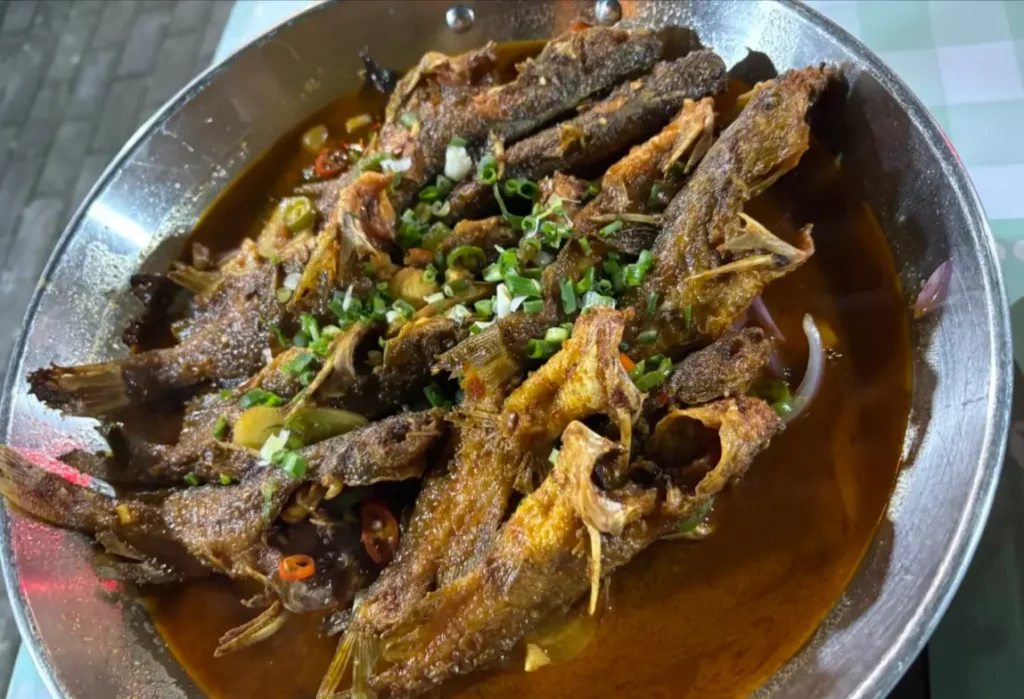
- In One Sentence: Also known as Yellow Bone Fish, this wild fish thrives strictly in pure, running mountain water. Highly sensitive to water quality, it represents the absolute pinnacle of Zhangjiajie freshwater cuisine.
- Where to Eat: Most famous along the Yanbodu Fish Restaurant Street, though available at many specialty restaurants across Downtown.
- Price: ≈ ¥60–90 per dish (priced according to preparation: clear soup or yellow-braised).
- Spiciness Level: Clear soup (Qīngtāng) is non-spicy; yellow-braised (Huángmèn) is mildly spicy. Both can be customized.
- Is It Worth It? The top tier of local fish. If you love seafood or freshwater fish, do not miss this.
- Pitfalls to Avoid: You can ask for either Yángǔ Yú (岩骨鱼) or Huánggǔ Yú (黄骨鱼)—they refer to the same fish. Ordering clear soup is the best way to savor its natural freshness.
Local Favorites with a Taste of Tradition
If you want to sample authentic smoked heritage dishes favored by locals, consider adding these two delicacies to your table:
- Blood Tofu : Tofu mashed with fresh pig’s blood, seasoned, smoked like bacon, sliced, and stir-fried with chilis. An incredible accompaniment to beer.
- Sour Fermented Fish : Small river fish coated in cornmeal, jar-fermented to achieve a tangy aroma, and flash-fried in tea oil. Historically a hospitality dish saved only for respected guests.
Both dishes can be ordered at most traditional Tujia eateries. They make great supplementary dishes if traveling in a larger group, though there is no need to make a dedicated trip just for them. Looking for street food, local snacks, or night markets instead? Read our Zhangjiajie Street Food & Night Market Guide to explore the best evening food spots in town!
What to Order Zhangjiajie Main Dishes & Budget for Your Dinner Table
When tasting Zhangjiajie local dishes, build your sit-down meal using this winning combination:
- Table Centerpiece: San Xia Guo (Dry Pot)
- Non-Spicy Savior: Geographical-Ear Stewed Chicken (Soup)
- Alcohol / Rice Companion: Hitting Drum Skin or Tujia Smoked Bacon (Stir-fry)
- Soup Options: Mudfish Drills Tofu or Geographical Bone Fish
Budget Note: If you are sensitive to spice, let the soups and clear stews anchor your meal. If you love heat, focus on the dry pots and stir-fries. Expect to spend around ¥50–70 per person for a very satisfying feast of authentic Zhangjiajie local dishes.