Kangxi Grassland, Beijing: Horse Riding, Yurts, and Stargazing Adventure
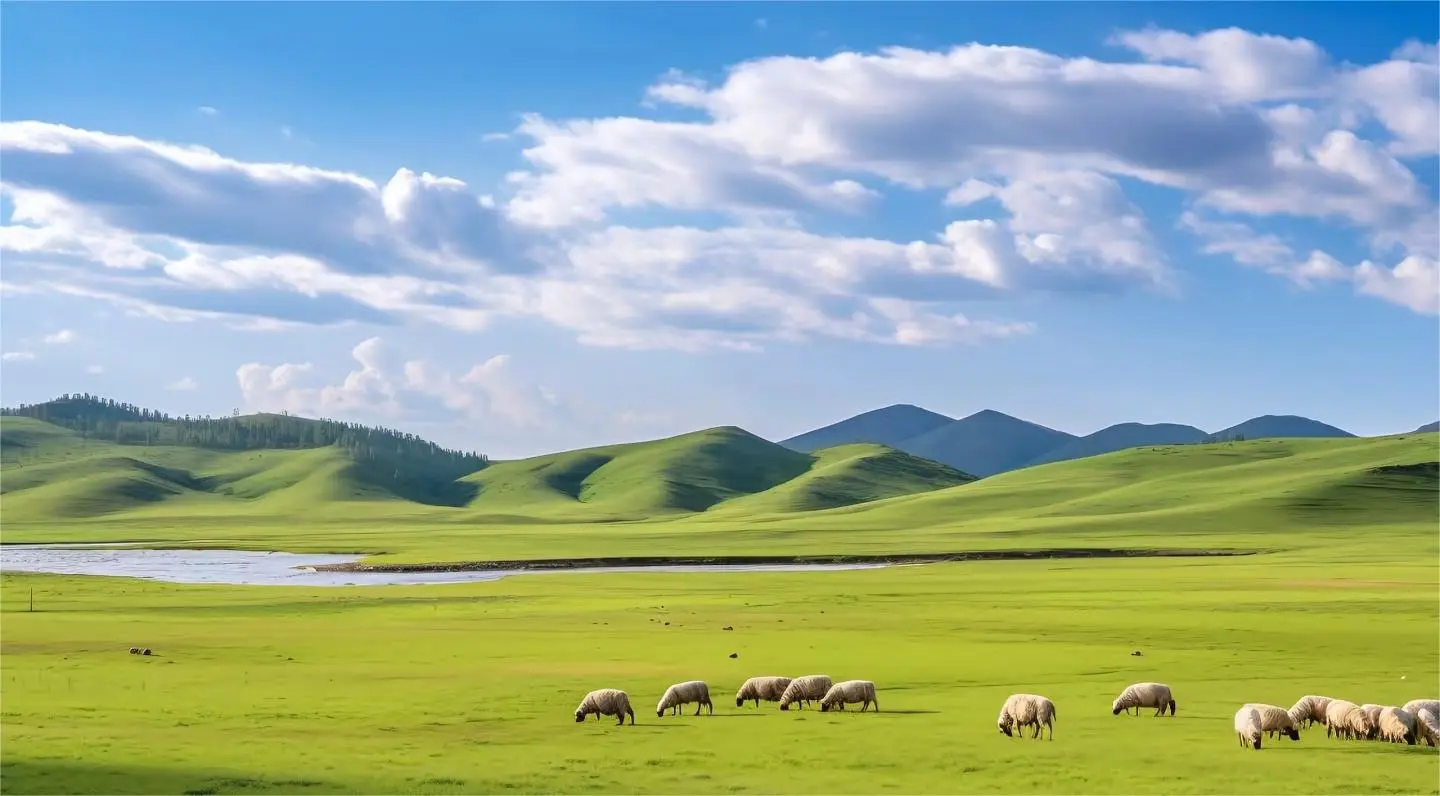
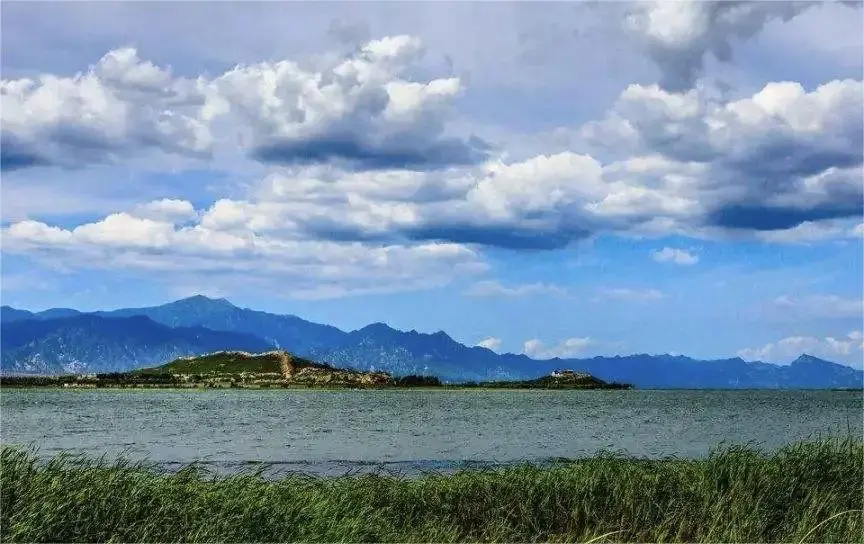
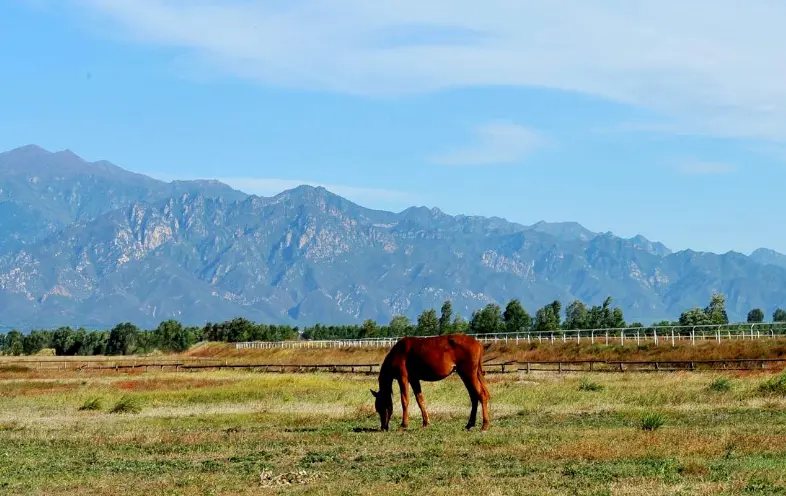
Just 70 km northwest of Beijing, in Yanqing District, lies Kangxi Grassland, the closest large-scale grassland to the metropolis. Bordered by Guanting Reservoir to the west and the Badaling Great Wall to the east, it is a transitional zone between the Mongolian Plateau and the North China Plain. Here, millennial nomadic culture meets agrarian traditions. For international travelers seeking a nature escape, Kangxi Grassland offers vast plains, galloping horses, and starry-sky camping, providing a window into Northern China’s nomadic heritage.
I. Kangxi Grassland in History: From Nomads to the Imperial Horse Stud
The civilization of Kangxi Grassland dates back 3,000 years to the Western Zhou Dynasty. Archaeologists discovered bronze artifacts from the State of Yan and rock paintings by nomadic tribes, confirming this as the habitat of Shanrong and Xiongnu groups. During the Liao and Jin Dynasties, the grassland served as a royal “Feifang Lake” hunting ground. In the Yuan Dynasty, it became an “Imperial Horse Stud”, where Kublai Khan’s warhorses were bred. Over time, it functioned as both a strategic buffer outside the Great Wall and a hub on the Tea Horse Ancient Road history
, exchanging furs and dairy for silk and tea, creating a unique Grassland Market culture.
In modern times, Kangxi Grassland became Beijing’s “Back Garden”. Developed in 1985 as the first grassland scenic area in the suburbs, it blends traditional nomadic life with modern tourism, allowing visitors to experience the vast landscape described by the ancient saying: “The sky is deep, the wilds are wide” (Tian Cang Cang, Ye Mang Mang).
II. Immersive Experiences on the Plains
1. Gallop Freely: Horse Riding Adventure
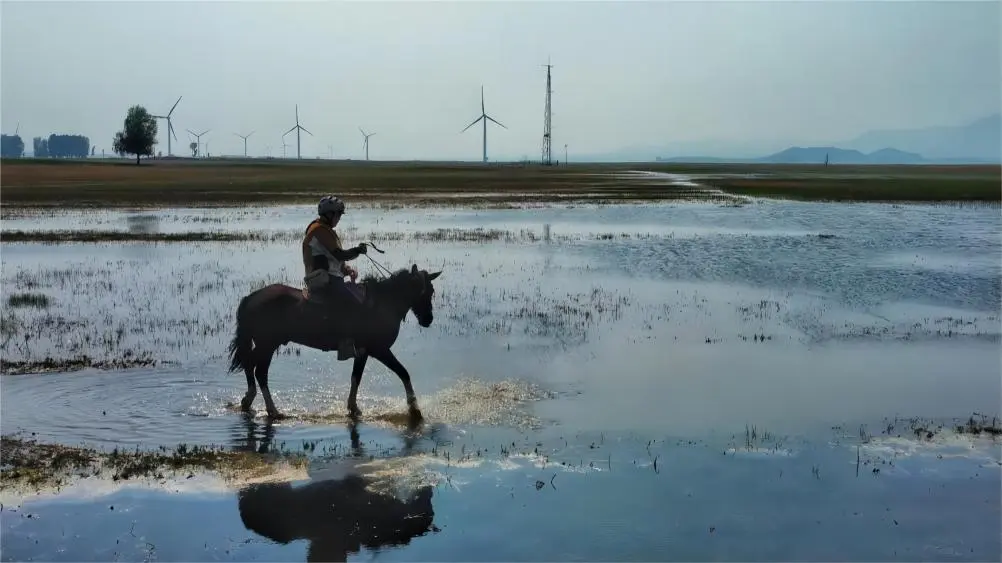
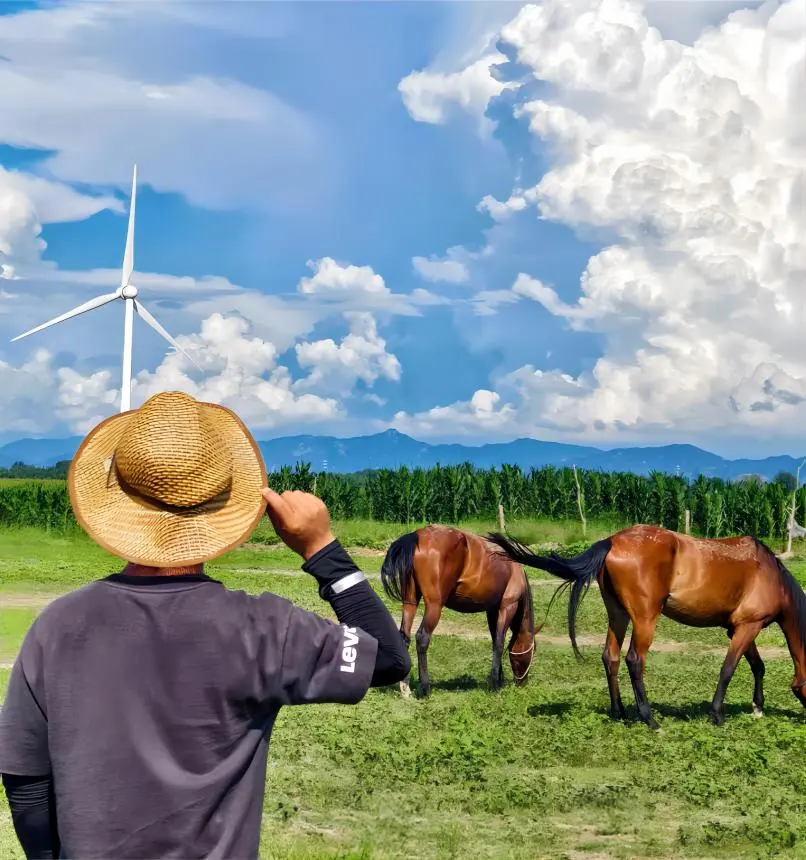
Kangxi Grassland hosts over 2,000 horses, including warmblood and Mongolian breeds, from beginner-friendly slow-walking horses to professional competition horses. With a professional coach, mount a saddle and gallop along the 6 km riding track—through wildflower fields and rolling grass waves, with the Great Wall and Guanting Reservoir in the distance. For thrill-seekers, the Grassland Cross-Country Riding allows exploration of remote areas, feeling the wind’s freedom.
2. Cultural Feast in the Yurt
At dusk, yurts light up across the plains. Step into a traditional felt tent, sit on a sheepskin rug, and taste hand-torn lamb, milk tea, and milk skin (naipizi), while listening to a morin khuur performance of “Ten Thousand Horses Galloping.” On weekends, enjoy a mini Naadam Festival: men perform Bökh wrestling and archery, girls dance, and children chase lele carts. Experience hand-milking cows and sipping freshly brewed salty milk tea, connecting directly with nomadic life.
3. Stargazing, Camping, and Eco-Exploration
Kangxi Grassland offers near-pristine night skies. The Milky Way stretches across the horizon, shooting stars occasionally streak past. Tent rentals are available, and telescopes can help visitors spot constellations like the Big Dipper. Ecological guides lead morning tours to observe marmots, hares, and even the leopard cat, a protected species, making it ideal for nature enthusiasts.
III. Travel Tips: Plan Your Grassland Adventure
- Transportation: Bus 919 Express from Beijing Deshengmen to Yanqing, then transfer to Bus Y20; self-driving ~1.5 hours (navigate to “Kangxi Grassland Scenic Area”).
- Tickets: Entrance ¥30; horse riding ¥80–¥150/hour (coach included); yurt stay ¥200–¥500/night.
- Best Seasons: May–June for green grass and wildflowers; September–October for crisp autumn colors; winter offers ice-riding experiences.
IV. Conclusion: Dialogue with Freedom
Kangxi Grassland is both a gift from nature and a living fossil of nomadic culture. Every blade of grass, horse, and yurt tells a millennial story—from Western Zhou bronze artifacts to the Yuan Dynasty Imperial Horse Stud, the Tea Horse Road, and modern tourism. Escape the city, ride across the plains, and let your spirit experience a free dialogue with this “Pearl of Northern Beijing.” Want to discover more natural wonders around Beijing? Check out our guide to Top Attractions in Beijing.