
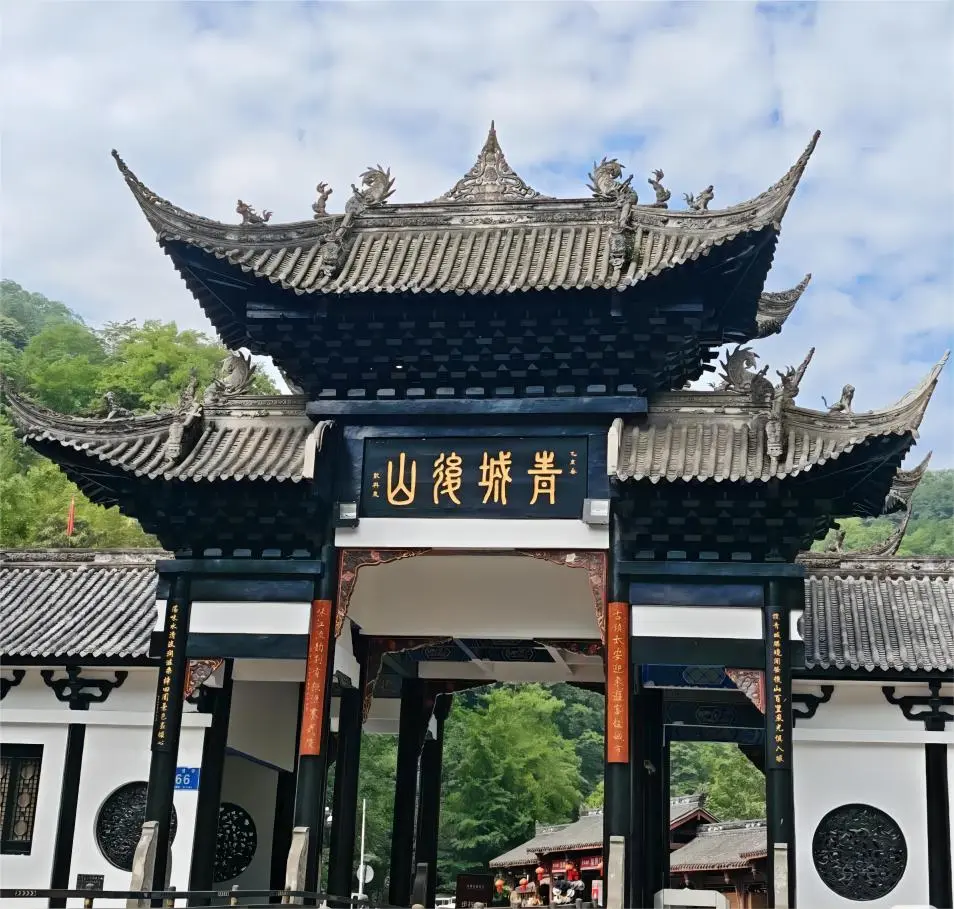
Mount Qingcheng: China’s Taoist “Emerald Wonderland”
A Secret Realm Where Eastern and Western Souls Connect
For travelers seeking a spiritual connection with nature, Mount Qingcheng is more than just the birthplace of Taoism in China — it’s a living “emerald wonderland” where mist, culture, and calm coexist.
There are no overly opulent temples here. Instead, misty peaks, ancient paths, and the Taoist philosophy of “Harmony between Heaven and Man” draw global travelers looking to find inner peace.
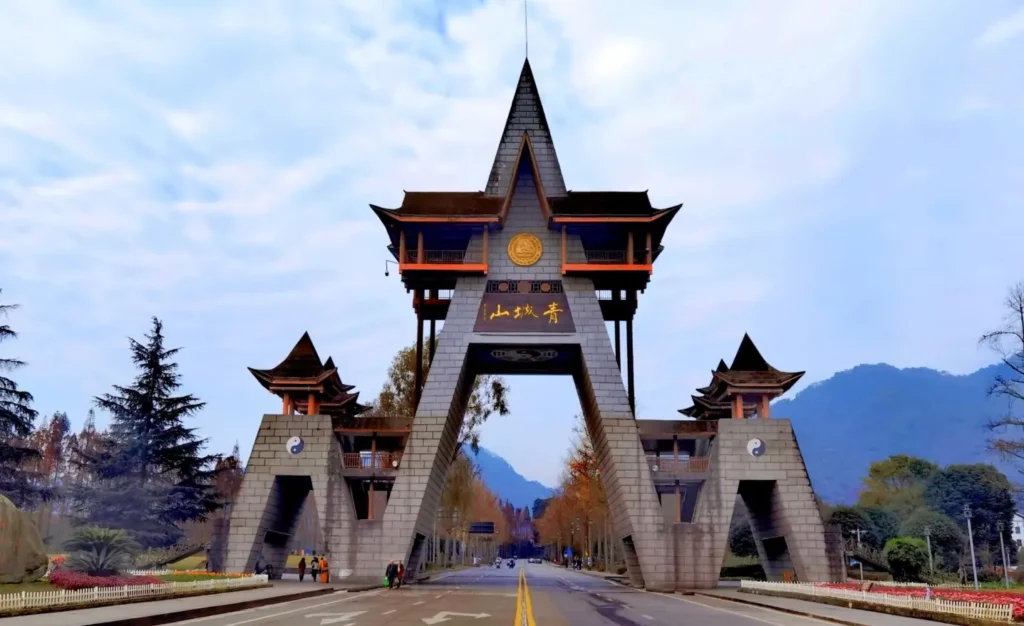
I. Qingcheng’s Cultural DNA: A Taoist “Living Fossil”
1. Sacred Site: From “Grotto Heaven” to Global Spiritual Beacon
Mount Qingcheng ranks first among Taoism’s “Ten Great Grotto Heavens.” Legend says this is where Zhang Daoling founded the Way of the Celestial Masters in 143 AD, combining Taoist philosophy with natural cultivation. This marked the creation of China’s earliest indigenous religion.
Today, ancient landmarks such as Tianshi Cave and Shangqing Palace preserve the original Taoist rituals and philosophy: “Tao follows nature.”
- Echoes for Western Travelers: Taoist culture here mirrors the Oracles of Delphi and Indian Yoga Meditation, all exploring the relationship between humanity and the cosmos.
- Timeless Connection: The sound of the morning bell and evening drum in the mountains echoes the prayer bells of European monasteries.
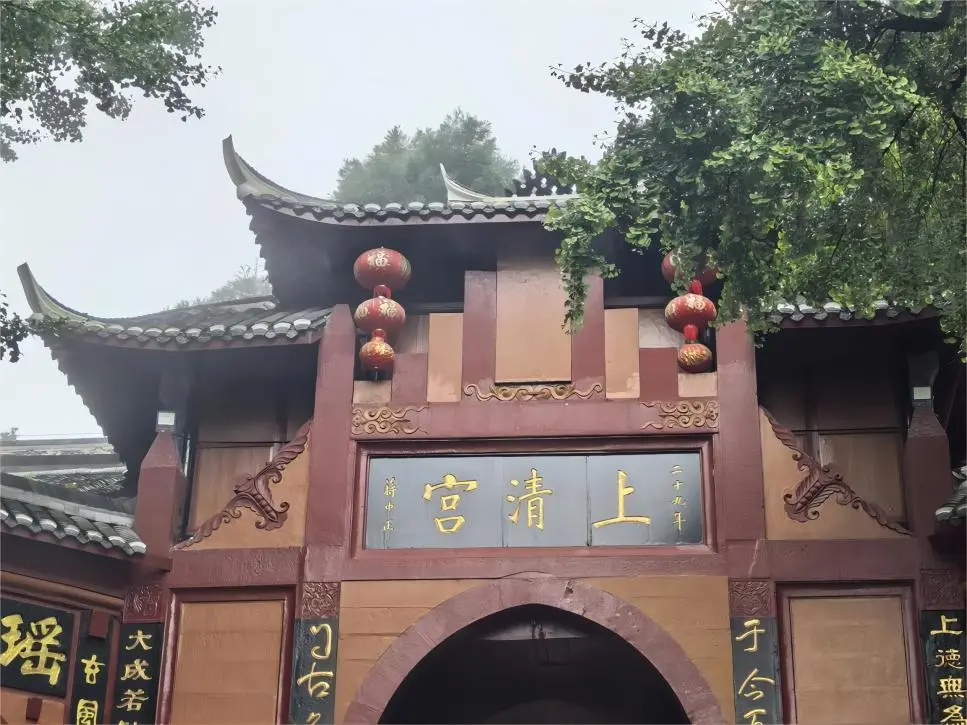
2. Taoist Architecture: Minimalism in Harmony with Nature
Temples on Mount Qingcheng are built directly into the mountain. Grey tiles and white walls blend with bamboo groves and pine forests. There is no excessive carving — only simplicity and serenity.
- Tianshi Cave: Set into a cliff, this temple is said to be where Zhang Daoling refined elixirs. Inside, the “Three Sovereigns Hall” honors mythical emperors symbolizing balance between heaven, earth, and humankind.
- Shangqing Palace: Located near the summit, its inscription reads, “Qingcheng — the most secluded mountain under heaven.” Inside, Dao De Jing stone carvings reflect the misty clouds drifting outside the windows.
- Aesthetic Connection: The idea that “architecture is nature” aligns with Japanese Wabi-Sabi and Nordic Minimalism — an Eastern philosophy of tranquility admired by global visitors.
II. Qingcheng’s Natural Code: Ecological Philosophy in the Mist
1. The Quiet Seclusion: Oriental Forest Therapy
Mount Qingcheng is known as China’s “natural oxygen bar.” With 95% forest coverage and fresh mountain air containing hundreds of times more negative oxygen ions than cities, it truly embodies the Taoist idea of “living in harmony with nature.”
- Botanical Wonderland: The mountain hosts over 300 species of herbs, including the rare “Qingcheng Snow Bud” tea, and a 2,000-year-old ginkgo tree near Tianshi Cave.
- Cool Escape: With an annual average temperature of 15°C (59°F) — about 5°C cooler than Chengdu — Mount Qingcheng is a refreshing summer retreat.
For European hikers, Qingcheng’s ancient forest trails rival the scenic beauty of the Swiss Alps but add a layer of Zen. Tea-picking and tasting experiences reflect the Taoist philosophy of self-cultivation — a quiet contrast to the social ritual of British afternoon tea.

2. Taoist Wellness: From Daoyin to Global Health Trends
Mount Qingcheng is also the birthplace of Taoist martial arts and health-preservation practices, now recognized worldwide.
- Qingcheng Martial Arts: Emphasizes using softness to overcome hardness — the essence of Taoist motion, similar to Tai Chi.
- Taoist Diet: Primarily vegetarian, built on the belief that “medicine and food share the same origin.” Local dishes often feature goji berries, poria, and wild vegetables — a perfect match for the global move toward plant-based wellness.
- Temple Retreats: Some temples offer Tai Chi and meditation experiences, allowing travelers to “guide the qi with form” amid mountain mist — a poetic escape from modern stress.

III. Modern Appeal: A Cross-Cultural “Blend Experiment”
Mount Qingcheng has evolved into a spiritual retreat that bridges East and West.
- German backpackers stay in temples to experience calligraphy and scripture copying.
- American yoga instructors blend Taoist Daoyin movements into “Eastern Flow Yoga.”
- Japanese designers draw inspiration from Qingcheng’s natural architecture to create minimalist home spaces.
Travel Quick Guide
- From Chengdu: Take a 30-minute high-speed train from Xipu Station to Qingchengshan Station (¥10). Then a short shuttle ride to the entrance.
- Front Mountain (2 hours): Focuses on Taoist temples and heritage — ideal for culture lovers (Ticket ¥80).
- Back Mountain (4 hours): Home to waterfalls and valleys — perfect for hikers (Ticket ¥20).
- Accommodation: Six Senses Qingcheng Mountain Resort combines Taoist philosophy with sustainable luxury.
Conclusion: A Cross-Time Spiritual Dialogue
The magic of Mount Qingcheng lies in its 2,000-year heritage — a living dialogue between nature and humanity. It reminds us that peace and self-discovery are not modern inventions but timeless quests shared across civilizations.
Before your visit, explore the nearby Dujiangyan Irrigation System: A 2,200-Year-Old Ecological Wonder Near Chengdu to understand how Taoist wisdom shaped both the mountain and the river — the perfect pairing of human ingenuity and natural harmony.
Mount Qingcheng invites the world: “Put down your phone. Breathe in the mountain mist. Find the quiet within yourself.”
Itinerary Flow: Chengdu → Qingcheng Front Mountain (Culture) → Back Mountain (Nature) → Return
Budget Estimate: Transport ¥20 + Ticket ¥80 + Food ¥100 ≈ ¥200 (excluding accommodation)
Come to Mount Qingcheng — and let its Taoist spirit show you that true peace lies in every step you take along its ancient bluestone paths.

I really like your writing style, wonderful info , thanks for posting : D.
I’m thrilled to provide you with useful information—your appreciation is the greatest encouragement.