Peking Opera — The Timeless Art of Chinese Intangible Cultural Heritage
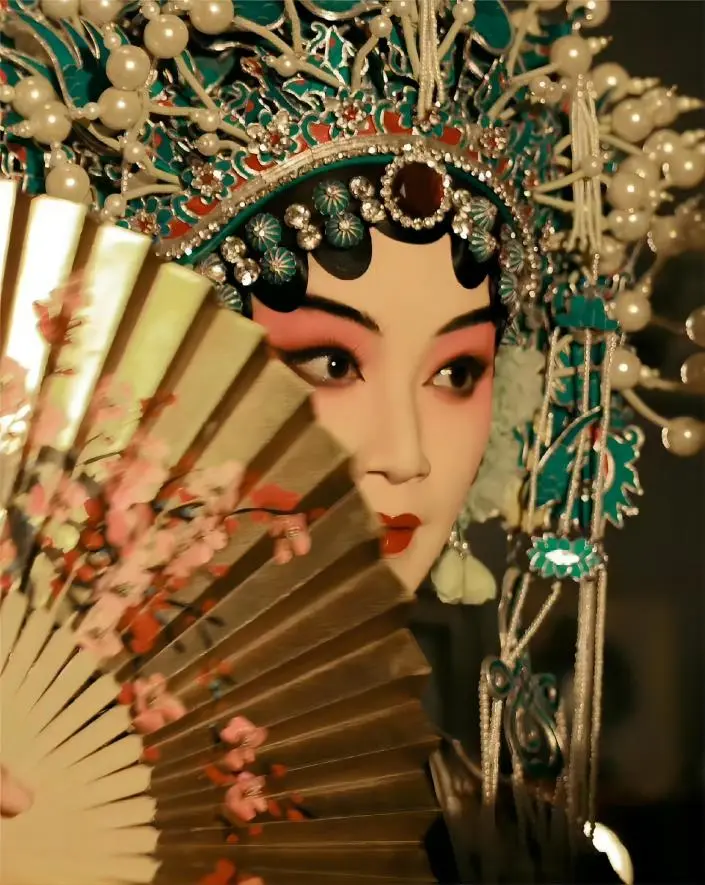
In the vast river of Chinese culture, Peking Opera (Jingju) shines as a brilliant pearl, captivating audiences worldwide with its distinctive blend of singing, recitation, acting, and acrobatics (chang, nian, zuo, da). As one of China’s most celebrated Intangible Cultural Heritage arts, it not only carries centuries of tradition but also bridges East and West through its universal appeal.
I. The Cultural Background
Emerging in the mid-Qing Dynasty (18th–19th century), Peking Opera developed in Beijing by combining the essence of Anhui Opera, Hubei Opera, and Kunqu Opera. More than just a performance, it is a living chronicle of Chinese history and spirit.
Its musical structure revolves around two main melodic patterns — Erhuang and Xipi, creating graceful, rhythmic tones. The accompaniment divides into the Civil Ensemble (Wen Chang), led by string instruments like the Huqin, and the Martial Ensemble (Wu Chang), driven by dynamic percussion.
Roles fall into four traditional categories — Sheng (male), Dan (female), Jing (painted face), and Chou (clown) — each showcasing distinct gestures and vocal techniques that form the soul of Peking Opera.
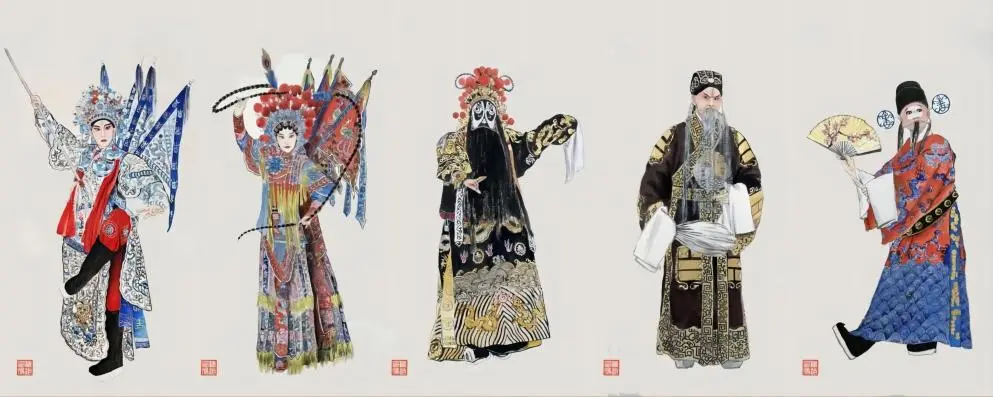
II. Classic Repertoires
With over 1,300 plays, Peking Opera offers masterpieces beloved by generations.
- The Drunken Concubine depicts Yang Guifei’s sorrow when Emperor Xuanzong breaks his promise. Through movements like the “holding the cup and bending waist,” the legendary Mei Lanfang expressed delicate melancholy and grace.
- Farewell My Concubine portrays the tragic parting of Xiang Yu and Consort Yu — often hailed as the archetype of Oriental tragedy.
Other iconic works include The Empty Fort Strategy, The Wild Boar Forest, and Si Lang Visits His Mother, each merging artistry with profound moral reflection.
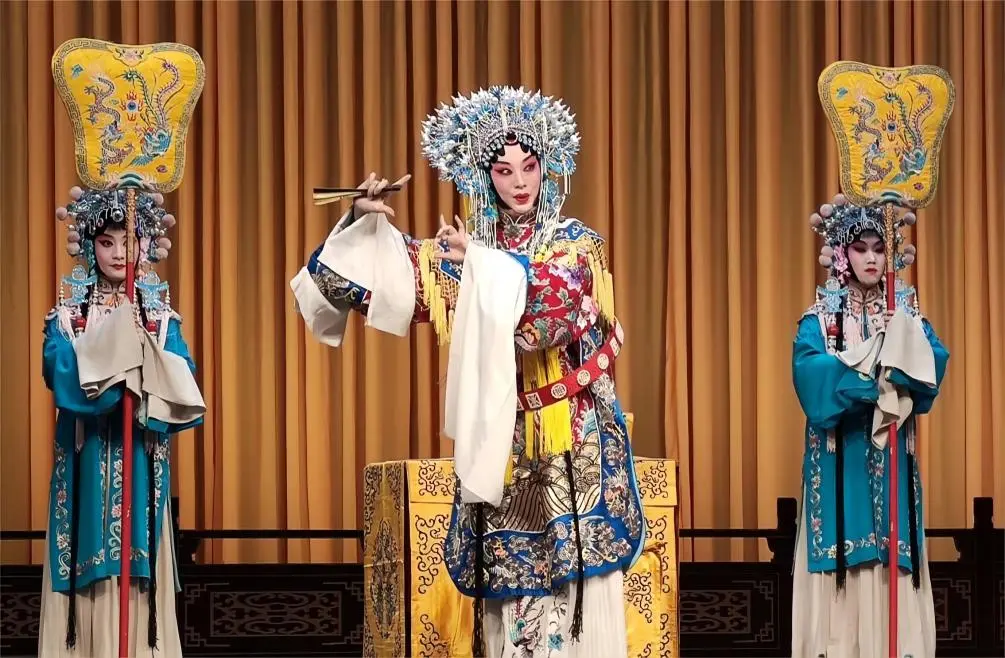
III. Tips for Watching Peking Opera
If you wish to experience Jingju in China, these tips can help:
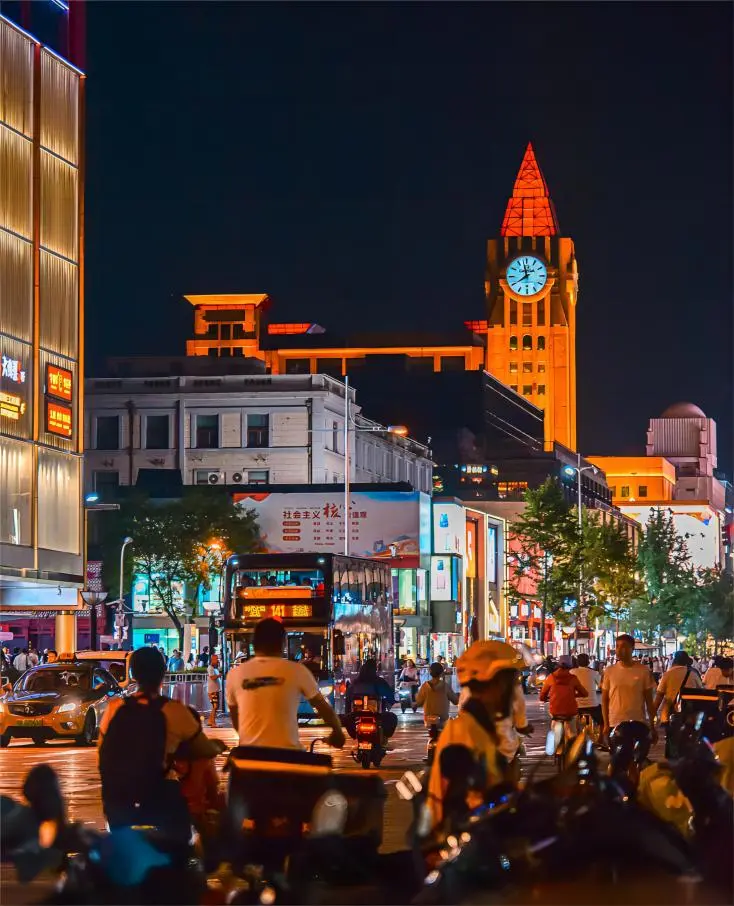
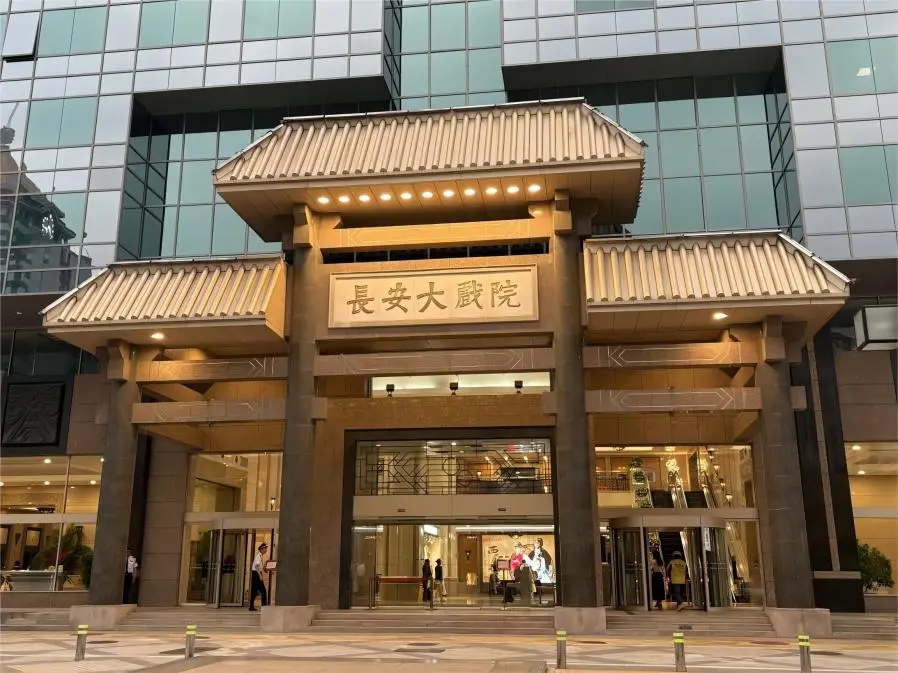
- Choose the Right Venue: In Beijing, top theaters like the National Peking Opera Theatre and Beijing Peking Opera Theatre offer classic repertoires. You’ll also find exceptional performances in Shanghai and Tianjin.
- Know the Story: Read about the plot before attending — it will enrich your appreciation of character expression and stage symbolism.
- Feel the Atmosphere: The magic of live Peking Opera lies in its immersive energy — the costumes, singing, and rhythmic percussion create a mesmerizing experience unlike any other.
Conclusion
Peking Opera is more than performance — it is a living embodiment of Chinese aesthetics and philosophy. Whether you are a traveler, art lover, or cultural explorer, this timeless theatrical treasure promises to move and inspire.
When visiting Beijing, don’t miss the chance to witness the magic of Peking Opera, where history, artistry, and emotion unite on one stage.
If you’re visiting the capital, don’t miss Beijing’s top attractions. Interested in discovering more traditional Chinese arts? Explore our curated collection of Chinese Intangible Heritage experiences.