Shanghai Food Guide: What to Eat, Where to Go, and How to Order
Before coming to Shanghai, most travelers have only one image of the city’s food: xiaolongbao (soup dumplings) and shengjianbao (pan-fried pork buns). Once you arrive, you realize the choices are far broader—and the real challenges are where to eat, when to go, what to order, and how to navigate the menu. The exact same braised pork belly (hongshaorou) costs twice as much inside Yu Garden as it does at a neighborhood spot two blocks away—and the neighborhood spot tastes better.
Instead of an endless list of restaurants, this Shanghai food guide breaks down eating in the city into four practical questions. For each one, we cover four essentials: what it is, when to go, how much it costs per person, and when to choose it. By the end, you’ll know exactly which direction to head when hunger strikes.

1. The Four Core Dining Situations You’ll Face in Shanghai
Shanghai’s food scene isn’t divided into tiers or neat categories—it’s defined by four real situations you’ll run into on the road:
| The Question You’ll Ask | Where to Go | Avg. Cost / Person | Best Time |
| What is authentic local Shanghainese food, and how do I order it? | Sit-down local Shanghainese restaurants | ¥80–150 | Lunch: 11:00–14:00 Dinner: from 17:00 |
| I just want a quick bite without ordering a full meal. | Breakfast stalls, dim sum shops, noodle houses | ~¥40 | Breakfast: 6:00–10:00 Dim sum shops: all day |
| I’m already at a major sight—should I eat nearby? | Walk 15 minutes outward, or grab a quick bite nearby | Varies by area | Depends on your itinerary |
| I’ve had Chinese food for days and need a break or a place to sit. | Bakeries, cafés, international bistros | ¥60–200 | Cafés: morning to early evening |
Let’s walk through each scenario and how to decide.
2. Authentic Shanghainese Local Cuisine: How to Order a Proper Sit-Down Meal
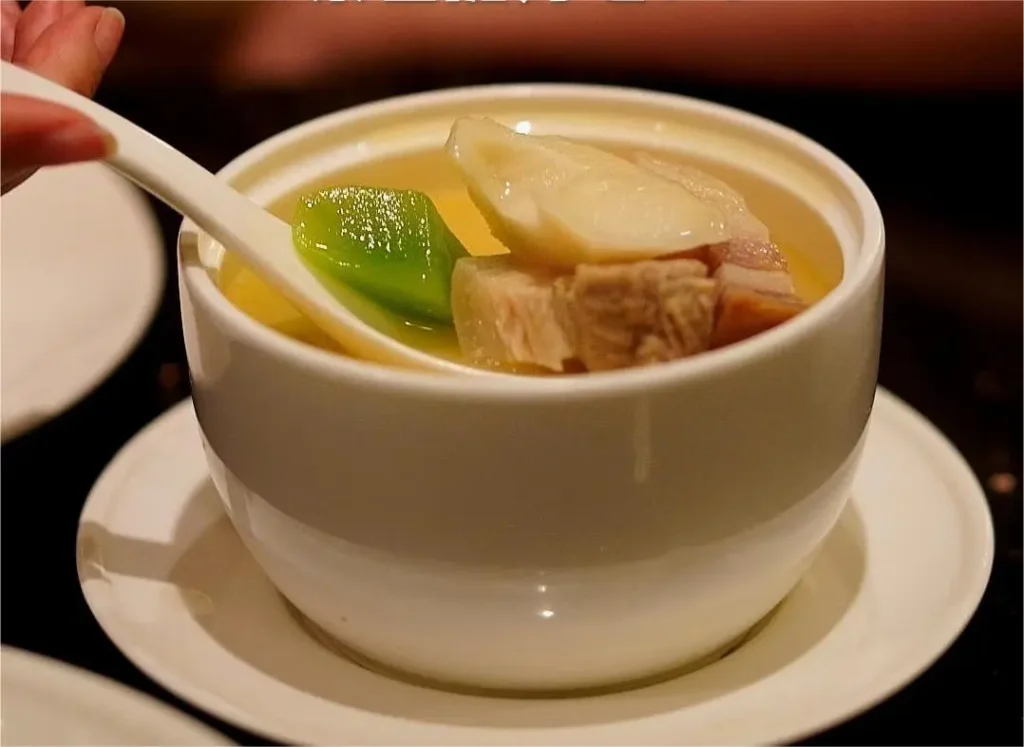
You shouldn’t leave Shanghai without sitting down for a proper Benbang meal. Benbangcai is the local insider term for traditional Shanghainese home-style cooking. Its signature is nongyou chijiang (“rich oil, dark sauce”)—savory with a distinct hint of sweetness. Classics like braised pork belly (hongshaorou), oil-blasted shrimp (youbaoxia), sizzling eel in hot oil (xiangyou shanhu), stir-fried clover with pork intestines (caotou quanzi), and spring bamboo-and-pork soup (yanduxian, available only in spring) use soy sauce and sugar to coax out deep umami rather than simply tasting sweet.
When to Go & Mealtime Rhythms:
Lunch runs from 11:00 to 14:00, and dinner starts at 17:00. Keep this in mind: many neighborhood restaurants close between 14:00 and 17:00. If you show up at 15:00 craving braised pork belly, the kitchen will be closed. Historic flagship restaurants stay open through the afternoon, though lines can easily test your patience.
Budgeting per Person:
At classic heritage restaurants, noodles on the ground floor run ¥30–40, while upstairs sit-down dining costs ¥80–130. Street-side neighborhood spots serve four dishes for ¥50–60 per person, whereas polished, modern Shanghainese restaurants inside shopping malls start at ¥150+. For two people, three dishes and one soup is the ideal portion.
When to Choose Local Restaurants (And When to Skip):
Choose this when you want a definitive “this is Shanghai” meal, on a rainy day, or when you want to unwind over a leisurely dinner. Conversely, skip sit-down places if you’re pressed for time or exhausted from sightseeing—service isn’t fast, and waiting for a table takes even longer.
Avoiding Classic Tourist Traps:
Menus inside Yu Garden and along the Bund are priced strictly for visitors. Walk two blocks west, and the exact same sizzling eel drops in price by 30%. Historic institutions like Dexingguan (471 Guangdong Road, founded in 1878; open 6:30–20:30)—with noodles downstairs and sit-down dining upstairs—are where locals still eat.
In our companion guide, What to Order at a Traditional Shanghainese Restaurant, we cover how to build a balanced menu, how to ask the kitchen to tone down the sweetness, which spots are worth the queue, and which ones to skip.

3. Breakfast, Dim Sum, and Street Snacks: How to Grab a Quick Bite
This is what Shanghainese people eat most often—and it’s also the easiest way to eat well on a budget. It splits neatly into two time windows and two distinct menus.
6:00 AM – 10:00 AM: The Morning Breakfast Stalls & Two Shengjianbao Styles:
This is the domain of Shanghai’s “Four Heavenly Kings” (Si Da Jin Gang)—flatbread (dabing), fried dough sticks (youtiao), savory soy milk (xian doujiang), and sticky rice rolls (cifantuan)—alongside pan-fried pork buns (shengjianbao), potstickers (guotie), and scallion pancakes (congyoubing). Once morning passes, they’re gone; most stalls pack up by 10:00 or sell out earlier. Note that shengjianbao comes in two rival styles: the clear-broth style (like Dahuchun at 136 Middle Sichuan Road, open 7:00–19:30), which has a thicker, breadier wrapper, a crispy bottom, and very little soup; and the soupy style (like Yang’s Dumplings), which features thin skin bursting with hot broth—bite carefully.
10:00 AM Onward: Dim Sum, Pastry Shops, and Noodle Houses:
Here you’ll find soup dumplings (xiaolongbao and tangbao), pork chop with rice cakes (paigu niangao), Shaoxing wine-marinated cold cuts (zaohuo), and flaky crab-shell pastries (xiekehuang). Later in the afternoon comes traditional rice cakes and pastries: glutinous rice rolls (tiaotougao) and double-stuffed rice balls (shuangniangtuan) at Shendacheng (636 East Nanjing Road); crab-roe soup dumplings and mugwort rice balls (qingtuan) at Wangjiasha (805 West Nanjing Road); and flaky palmier pastries (hudiesu) at the Park Hotel Bakery (28 Huanghe Road). Most of these shops stay open all day, making them the most reliable stop around 15:00 or 16:00.
Noodle Shops & Casual Eateries: Scallion oil noodles (congyou banmian), braised pork noodles (menroumian), spicy pork noodles (laroumian), wontons, or shengjianbao paired with a bowl of curry beef soup run ¥20–30 per person. Food arrives fast, and solo diners fit right in.
When to choose it: When you only have an hour or two, are traveling solo, or have just arrived in Shanghai with your luggage in tow. At around ¥40 per person, this is the most budget-friendly of the four ways to eat.

4. Sightseeing & Dining: Where to Eat Near Major Attractions
This category isn’t about a single restaurant—it’s about deciding whether the neighborhood you’re standing in right now is worth eating in. In Shanghai, tourist landmarks and residential blocks are often separated by just a single street, yet prices and quality are worlds apart. At every sight, ask three questions: Should I eat right here? If not, where should I go? And what’s worth picking up on the way out?
The 15-Minute Rule Across Six Major Shanghai Neighborhoods
Across six major areas—The Bund, Yu Garden & the Old City, People’s Square & Nanjing Road, the Former French Concession (around Wukang Road, Anfu Road, and Jinxian Road), Lujiazui, and Zhujiajiao—the rule is almost identical: the ring right outside the attraction is expensive, slow, and mediocre. Walk 15 minutes outward, and prices drop by 30% as locals start filling the tables.
- When to choose it: When you’re already at a sight and don’t want to hop back on the metro just for a meal, when you’re traveling with kids or older relatives who are tired of walking, or when you only have time for a quick bite nearby.
We map out exact blocks and backup streets in Eat Where You Are: How to Dine in Six Shanghai Neighborhoods.

5. Changing Pace: Bakeries, Cafés, and International Bistros
Shanghai has long been a city of newcomers, and this category isn’t generic “Western food”—it’s everyday neighborhood spots opened by expats and immigrants from around the world, forming a distinct part of local city life. Think artisan bakeries and cafés in the Former French Concession (along Wukang and Anfu Roads), Japanese and Korean eateries around Xianxia Road in Gubei, and international bistros near Tilanqiao in Hongkou—places where Shanghai locals are regulars too.
- When to go: Cafés run from morning through early evening, lining up neatly with that mid-afternoon slump when your feet need a break. Restaurants still follow lunch and dinner hours; Japanese spots offer lunchtime teishoku set meals at roughly half their dinner prices.
- Cost per person: Expect ¥30–45 for a coffee and around ¥15 for a pastry. Japanese lunch sets run ¥60–70 (rising to ¥150–200 at dinner), while casual international bistros average ¥60–100.
- When to choose it: After three straight days of Chinese food when your palate wants a reset, on a rainy afternoon, or whenever you need a seat with power outlets where nobody rushes you out the door. This option isn’t just about what to eat—it’s about taking a breather.
Read more in Cafés, and Bakeries in Shanghai.
6. Frequently Asked Questions for Your Shanghai Food Guide
How much does food cost in Shanghai per day?
Not at all. Street snacks and casual meals average around ¥40, and neighborhood Shanghainese restaurants run ¥80–90 per person—it’s only tourist zones and upscale malls that get pricey. Spending ¥150–200 per person for a full day of three meals is completely normal.
How do you order food in Shanghai if you don’t speak Chinese?
If the menu has photos, just point. If not, use a camera translation app. Most historic restaurants and chains offer English menus or picture boards. QR-code table ordering is everywhere, but you can always ask the staff for a paper menu—almost every place keeps them on hand.
Why do restaurants in Shanghai close between 2:00 PM and 5:00 PM?
That’s the standard rhythm for local kitchens: they close after the lunch rush to prep and rest before reopening for dinner at 17:00. Use that afternoon window for dim sum shops, cafés, or museum visits.
Are vegetarian and halal food options easy to find in Shanghai?
Vegetarian choices are easy to find—Buddhist temples and several classic eateries serve vegetarian noodles and vegetable buns. Halal food requires seeking out dedicated Muslim restaurants, as traditional Shanghainese spots rarely offer halal menus. When ordering, saying “bu yao rou” (“no meat”) works much better than saying “vegetarian.”
Do you need reservations or have to wait in line at Shanghai restaurants?
Famous heritage spots and trendy restaurants see 30- to 60-minute queues on weekends, whereas weekday afternoons after 15:00 rarely have a wait. To save both time and money, avoid weekend lunch rushes.
Wrapping Up Your Shanghai Food Guide
You don’t need to speak Mandarin or memorize dozens of restaurant names to eat well in Shanghai—you just need to match the right type of eatery to the time of day and the neighborhood you’re exploring. Keep this Shanghai food guide handy as you plan your daily routes, and if you’re still mapping out where to stay or how to structure your days, head over to our main Shanghai Travel Guide next.