Shanghai Street Food: 22 Classic Snacks, Breakfast & Noodles
Our guide to traditional Shanghainese cuisine focuses on sitting down for a full banquet of braised pork belly, oil-blasted shrimp, and rich, dark-sauced dishes. Yet for most of the day, life in Shanghai happens on the move—a warm sticky rice roll gripped in your hand during the morning rush, a bamboo steamer of soup dumplings passed at noon, a bag of flaky pastries picked up along East Nanjing Road in the afternoon, or a solo bowl of noodles at night. Without these everyday bites, your food experience in the city isn’t complete. This is how locals actually eat, and Shanghai street food is woven into every block of the city.
1. The Shanghai Street Food Cheat Sheet: 22 Classics
| What to Eat | What It Is | Texture & How to Eat It | Typical Price | When Locals Eat It |
| Palmier Pastries (Hudiesu / 蝴蝶酥) | Butter puff pastry rolled thin, sprinkled with sugar, and baked into a butterfly shape. | Shatters at first bite with rich butter aroma and caramelized edges. Fragile—don’t pack it at the bottom of your bag. | ¥32 / pack (5 pcs) | Everyday snack and the most popular edible souvenir. |
| Almond / Apricot Slices (Xingrenpai / 杏仁排·杏桃排) | Thin butter shortcrust topped generously with sliced almonds or apricot jam, cut into bars. | Crisp thin base, dense nutty topping; heartier than palmier pastries and never dry. | ¥45 / 500g | Afternoon snack with tea, or packed as gifts. |
| Osmanthus Red Bean Roll (Tiaotougao / 条头糕) | Glutinous rice dough wrapped around sweet red bean paste, rolled into strips, and dusted with dried osmanthus. | Soft, chewy, and stretchy with fine bean paste and moderate sweetness. Best eaten the same day before it hardens. | ~¥8 | Afternoon sweet snack; easy for kids and older travelers to chew. |
| Double-Stuffed Rice Ball (Shuangniangtuan / 双酿团) | Glutinous rice ball layered with both red bean paste and black sesame paste, rolled in shredded coconut. | Two fillings in one bite—nutty sesame balances out the sweetness of the red bean. | A few yuan each | Afternoon snack paired with plain green tea. |
| Green Rice Dumpling (Qingtuan / 青团) | Glutinous rice wrapper tinted green with mugwort or barley grass juice, filled with red bean or salted egg yolk and pork floss. | Fragrant herbal aroma with a subtle, pleasant bitterness followed by sweetness. | ¥8–15 | Strictly seasonal in March and April—miss it and you wait a year. |
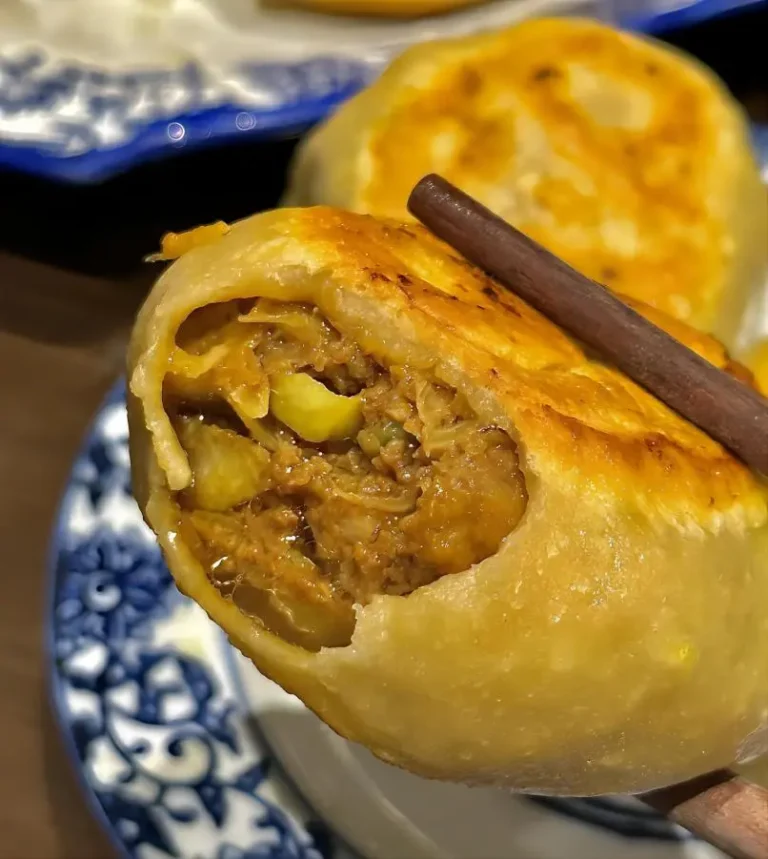
| Fresh Pork Mooncake (Xianrou Yuebing / 鲜肉月饼) | Flaky lard-pastry shell stuffed with seasoned minced pork, pan-griddled on both sides rather than baked. | Crisp, multi-layered crust bursting with hot meat juice. Must be eaten within two hours. | ¥6 (Crab roe: ¥10) | Mid-Autumn Festival staple, or eaten standing on the sidewalk in the afternoon. |
| Crab-Shell Pastry (Xiekehuang / 蟹壳黄) | Lard-enriched flaky dough stuffed with scallion oil or red bean, baked against a clay oven wall until golden like a crab shell. | Flaky layers in a compact, two-bite size. | ¥3–6 | Paired with tea, while waiting for a bus, or as a walking snack. |
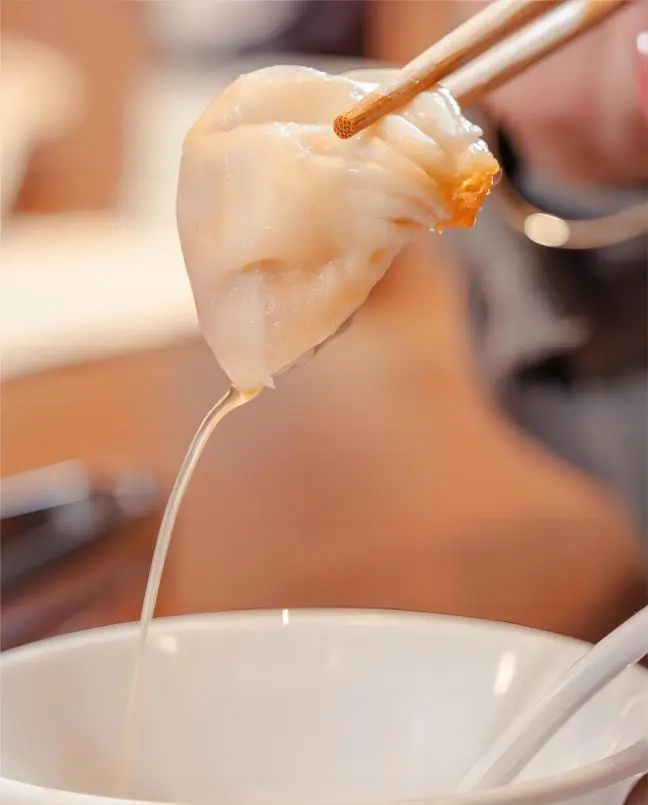
| Pork Soup Dumplings (Xianrou Xiaolong / 鲜肉小笼) | Paper-thin wrapper pleated around pork and solidified pork-skin aspic, steamed for 6–8 minutes until the aspic melts into broth. | Delicate skin holding scalding broth. Bite a small hole to sip the soup first—never pop the whole thing in your mouth. | ¥20–40 / steamer | Classic breakfast, and frequently eaten as a proper lunch. |
| Crab-Roe Soup Dumplings (Xiefen Xiaolong / 蟹粉小笼) | The same thin wrapper and pork base enriched with fresh crab meat and crab roe. | Deeper umami, richer oil, and unmistakable crab-roe aroma in the broth. | ¥35–50 / steamer (6 pcs) | Autumn treat when crabs are at peak fatness; ideal for two to share. |
| Pan-Fried Pork Buns (Shengjianbao / 生煎) | Seamed buns pan-fried pleated-side down on a massive iron griddle. Qingshui style uses leavened dough with little soup; Hunshui style uses thin dough packed with broth. | Qingshui highlights a crunchy bottom and bready aroma; Hunshui bursts with hot juice at first bite. | ¥8–15 / 4 pcs (yi liang) | Breakfast staple, or a 3:00 PM afternoon pick-me-up. |
| Potstickers (Guotie / 锅贴) | Crescent-shaped dumplings left open at both ends, filled with pure pork and pan-fried until crisp on the bottom. | Drier, nuttier, and crispier than shengjian, with no soup inside. | ¥8–15 / 4–5 pcs | Paired with a bowl of light soup for a quick, simple meal. |
| Sticky Rice Shumai (Nuomi Shaomai / 糯米烧卖) | Thin wheat wrapper pleated around soy-seasoned glutinous rice, shiitake mushrooms, and diced pork, then steamed. | Chewy, savory, and heavy—one piece fills half your stomach. | ¥8–12 / 2–3 pcs | Grab-and-go breakfast with soy milk when you’re short on time. |
| Pressed Sticky Rice Roll (Cifantuan / 粢饭团) | Hot glutinous rice spread flat, wrapped around crispy fried dough (youtiao), pickled mustard tuber, and pork floss, then squeezed into a fist-sized ball. | Chewy, crunchy, and savory; engineered to be eaten one-handed. | ¥6–10 | Classic commuter breakfast eaten while walking. |
| Flatbread & Fried Dough (Dabing Jia Youtiao / 大饼夹油条) | Clay-oven baked sesame flatbread folded around a freshly fried dough stick (youtiao). | Crisp exterior, airy crunch inside; tears apart easily to dip into soy milk. | ¥6–10 | The most filling traditional Shanghai breakfast, always paired with soy milk. |
| Savory Soy Milk (Xian Doujiang / 咸豆浆) | Hot soy milk poured over soy sauce, black vinegar, dried baby shrimp, and fried dough bits until it curdles lightly. | Savory, mildly tangy, with a silky texture like soft tofu pudding. | ¥4–8 | Breakfast alongside flatbread and fried dough; surprises first-timers. |
| Pork Chop with Rice Cakes (Paigu Niangao / 排骨年糕) | Crispy fried pork cutlet served over two chewy rice cakes, drizzled with sweet-spicy Shanghai Worcestershire sauce. | Crunchy outside, tender meat, chewy rice cakes, tangy-sweet glaze. | ¥15–25 | Late-afternoon snack or a casual light meal. |
| Scallion Oil Noodles (Congyou Banmian / 葱油拌面) | Alkaline noodles tossed in oil slow-infusing charred scallions, soy sauce, and a touch of sugar—no broth. | Fragrant, glossy, and subtly sweet; toss immediately while hot. | ¥15–20 | Easy solo meal or a quick dinner when you don’t want a full sit-down feast. |
| Sesame Paste Noodles (Majiangmian / 麻酱面) | Peanut butter and sesame paste thinned with pork-chop frying oil and topped with a ladle of savory meat jus. | Thick, intensely nutty, and rich; clumps if left sitting too long. | ¥14 | Solo lunch, traditionally paired with a bowl of curry beef soup (xiaoniutang). |
| Braised Pork Noodles (Menroumian / 焖肉面) | A thick slab of slow-braised pork belly laid over hot noodle soup so the broth melts the fat. | Clean, savory broth with melt-in-your-mouth pork. | ¥20–30 | Comforting winter breakfast or lunch. |
| Spicy Diced Pork Noodles (Laroumian / 辣肉面) | Diced pork simmered in a mildly spicy chili-soy sauce, spooned directly over noodle soup. | Savory with a gentle kick and much lower sweetness than typical local dishes. | ¥20–30 | Go-to late-night bowl when most kitchens have closed. |
| Large Shepherd’s Purse Wontons (Da Huntun / 大馄饨) | Thick-skinned, generous wontons stuffed with shepherd’s purse greens and pork in light broth. | Clean, vegetal, and non-greasy—alternate sips of broth with bites of wonton. | ¥15–20 / 8–10 pcs | Lighter alternative to a heavy banquet when you want something gentle. |
| Mini Soup Wontons (Xiao Huntun / 小馄饨) | Tissue-thin wrappers with a tiny pinch of pork in clear broth scattered with egg strips and scallions. | Slippery, light, and small in portion. | ¥10–15 | The standard sidekick ordered alongside soup dumplings or pan-fried buns. |


How to Pick Shanghai Street Food by Flavor & Texture
These 22 snacks don’t follow a single flavor profile: pastries lean into rich butter, xiaolongbao and shengjian deliver scalding meat broth, rice cakes focus on chewy glutinous textures, and noodles highlight soy and toasted scallions. No single “must-eat” item fits everyone. Pick by what you crave:
- Flaky & buttery: Palmier pastries, crab-shell pastries, or fresh pork mooncakes.
- Hot, comforting broth: Soup dumplings, mini wontons, or braised pork noodles.
- Chewy & substantial: Osmanthus red bean rolls, double-stuffed rice balls, or sticky rice rolls.
- Pure carb satisfaction: Flatbread wrapped around fried dough or a bowl of scallion oil noodles.
If you’re traveling in a group, order several items and share—everyone gets a bite of something tailored to their palate.
2. How to Order & Eat Like a Local: Dumplings, Noodles & Breakfast
How to Eat Xiaolongbao (Soup Dumplings) Without Burning Yourself
This isn’t etiquette—it’s self-defense. Grip the bun by the top pleats with your chopsticks, lift it onto your spoon, bite a tiny opening in the side, sip out the hot broth, and then dip the bun into black vinegar with shredded ginger. Popping a whole dumpling straight into your mouth will scald the roof of your mouth; grabbing it by the belly will tear the thin skin and spill the soup.
Crispy vs. Juicy: Choosing Your Shengjianbao Style
Ask yourself one question: do you want crunch or broth? Qingshui (clear-water) style focuses on a thick, fluffy bun with a crisp golden crust; Hunshui (brothy) style has thinner skin packed with hot soup. Check the griddle before ordering—only wait for batches frying fresh with an unbroken, golden-brown bottom.
Shanghai Noodle Shop Lingo You Should Know
Ordering noodles requires just two choices: the noodle style and the topping (jiaotou). If the counter staff asks “Kuan tang hai shi jin tang?” , they’re asking whether you want extra broth or minimal broth. “Guo qiao” means serving the topping on a separate saucer so it doesn’t get soggy in the soup, and “Zhong xiangtou” means extra chopped scallions.
The Classic “Big Four” Shanghai Breakfast Combo
Locals pair four staples together in the morning: sesame flatbread (dabing), fried dough (youtiao), soy milk (doujiang), and a sticky rice roll (cifantuan). The natural rhythm is to tear pieces of fried dough to dip into your soy milk, fold the rest inside the flatbread for hearty bites, and finish with a sticky rice roll to keep you full until noon. Eating just one item alone will leave you hungry by 10:00 AM.
3. Where to Eat: 9 Time-Tested Shanghai Snack Shops
Street snacks are everywhere in Shanghai, so you never need to treat a checklist like a strict itinerary. Breakfast in particular is often better—and cheaper—at alleyway stalls and small shops beside neighborhood wet markets. However, if you want guaranteed, decades-old benchmarks in one walkable zone stretching from People’s Square to Huaihai Road, start with these nine classics:
| Shop Name | Address | Signature Items | Hours | Avg. Spend |
| Park Hotel Bakery | 28 Huanghe Rd | Original & cheese palmier pastries (hudiesu) | Daytime (often sells out by 8:00 PM) | ¥32 / pack |
| Harbin Food Factory (Hashi) | 601-603 Middle Huaihai Rd | Palmier pastries, almond slices, mint rice cakes | 9:00 AM – 9:00 PM | ¥45 / 500g |
| Shen Dacheng | 636 East Nanjing Rd | Osmanthus red bean rolls, double-stuffed rice balls, qingtuan | Morning – Evening | ¥10–20 |
| Guangmingcun | 588 Middle Huaihai Rd | Fresh pork mooncakes (griddled fresh at the takeaway window) | Daytime (hours-long lines before Mid-Autumn) | ¥6 / piece |
| Jia Jia Tang Bao | 127 Huanghe Rd | Thin-skinned pork & crab-roe soup dumplings, made to order | 7:30 AM – 8:30 PM | ~¥40 |
| Fuchun Xiaolong | 650 Yuyuan Rd | Slightly sweeter, thicker-skinned soup dumplings; mixed-flavor steamers available | 6:30 AM – 8:30 PM | ¥30–50 |
| Nanxiang Steamed Bun Restaurant | 85 Yuyuan Rd (beside Nine-Turn Bridge) | Traditional pork & crab-roe soup dumplings (sit upstairs; skip ground-floor takeaway) | 7:30 AM – 8:30 PM | ~¥90 (2nd floor) |
| Da Hu Chun | 136 Middle Sichuan Rd | Qingshui crispy-bottom shengjianbao paired with curry beef soup | 7:00 AM – 7:30 PM | ¥20–30 |
| Wei Xiang Zhai | 14 Yandang Rd | Sesame paste noodles + curry beef soup + braised pork combo (¥39) | 6:15 AM – 9:00 PM | ¥20–25 |


4. Frequently Asked Questions About Shanghai Street Food
Which Shanghai snacks can you pack to take home?
Palmier pastries, almond slices, osmanthus red bean rolls, double-stuffed rice balls, and crab-shell pastries all travel well. Keep puff pastries protected from crushing and humidity, and eat glutinous rice cakes by the next day. Do not pack soup dumplings, shengjianbao, potstickers, noodles, or fresh pork mooncakes—they lose their texture within an hour.
Do you have to wait in line at Park Hotel Bakery for palmier pastries?
At pastry counters, simply point through the glass and indicate how many pieces or grams you want. Most soup dumpling shops have photo menus or English translations; at tiny neighborhood stalls, point to a neighboring table or use three reliable phrases: “xiaolongbao” (soup dumplings), “shengjian” (pan-fried buns), or “congyou banmian” (scallion oil noodles).
How do you order Shanghai street food without speaking Chinese?
At pastry counters, simply point through the glass and indicate how many pieces or grams you want. Most soup dumpling shops have photo menus or English translations; at tiny neighborhood stalls, point to a neighboring table or use three reliable phrases: “xiaolongbao” (soup dumplings), “shengjian” (pan-fried buns), or “congyou banmian” (scallion oil noodles).
How much Shanghai street food should a solo traveler order for one meal?
One steamer of pork soup dumplings plus a bowl of mini wontons—or four shengjianbao with a bowl of curry beef soup—costs ¥20–40 and makes a complete meal. If you order crab-roe soup dumplings, split one steamer between two people so it doesn’t feel too rich.
What is the single best Shanghai street food to try if you are short on time?
Breakfast: Flatbread wrapped around fried dough, or a sticky rice roll.
Sit-down casual meal: A steamer of fresh pork soup dumplings.
Afternoon snack: Shengjianbao, pork chop with rice cakes, or a hot pork mooncake.
Edible souvenir: A bag of palmier pastries.
Solo late-night dinner: A hot bowl of scallion oil or spicy diced pork noodles.
Once you know what to eat on the street, the next practical question is deciding whether to eat near major sights like Yu Garden or the Bund—or walk two blocks away for half the price. Check out our neighborhood-by-neighborhood Shanghai Food Guide next to plan where to eat around each attraction.