Traditional Shanghai Food: Must-Order Dishes & How to Order
When locals in Shanghai go out for a proper meal, they head to neighborhood restaurants serving traditional Shanghai food—known locally as Benbangcai (本地菜). These aren’t tourist-trap novelty spots; they serve everyday home-style cooking built on soy sauce and sugar to bring out the deep, savory core of every ingredient. What you eat at these tables follows the exact same culinary logic cooked in local homes.
This guide focuses on three essentials: what traditional local food is, the first dishes you should order, and which type of restaurant to choose. By the end, you’ll be ready to walk into a local spot and order with total confidence.
1.Understanding “Benbang” Traditional Shanghai Food
Benbang simply means “local Shanghai style.” Its essence is captured in four characters: nongyou chijiang (“rich oil, dark sauce”) and xianzhong daitian (“savory with a hint of sweetness”). While outsiders often assume this means heavy oil and heavy sugar, that’s a misconception. Oil and dark soy sauce dictate color and thickness, while sugar acts as a finishing glaze—thickening the sauce so it clings to the ingredients with a glossy sheen. A properly glazed plate of braised pork belly, for instance, leaves zero pooling liquid at the bottom; every drop of flavor clings directly to the meat.
Expect a distinct sweetness on your first bite, which might catch you off guard. But it isn’t cloying or sweet from start to finish; rather, the sweetness forms an outer layer over a deep, savory umami base. Paired with a mouthful of white rice, the sweetness recedes, leaving behind rich soy aromas and tender meat. This isn’t a heavy-handed chef; it’s simply how the cuisine was built to taste.
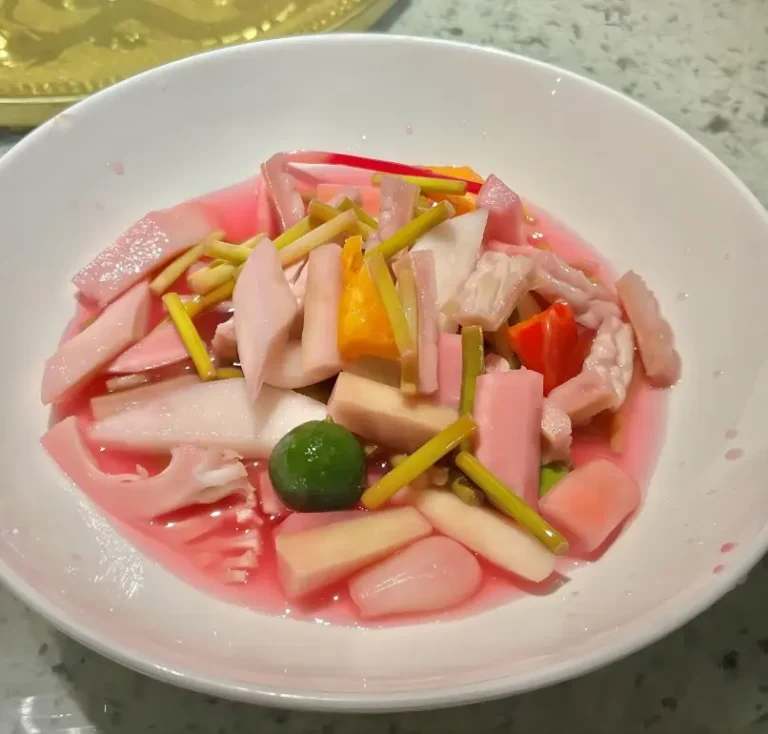
At the same time, the menu features plenty of dishes that are neither sweet nor heavy: crystal shrimp river prawns (shuijing xiaping), crab-roe tofu, wine-marinated cold dishes (zaohuo), and stir-fried seasonal greens. Zaohuo relies on fragrant rice-wine lees to create a cool, refreshing marinade for chicken, edamame, or trotters, making it especially refreshing in summer. Though they look unlike the stereotypical image of Shanghai food, these dishes have anchored local tables for decades. True Benbang dining is about balance—pairing rich, dark-sauced centerpieces with clean, fresh counter-dishes so that every bite resets your palate.

2. Must-Order Traditional Shanghai Dishes
| Dish Name | How It’s Prepared | Texture & Flavor | Best For | Seasonality |
| Braised Pork Belly (Hongshaorou) | Pork belly cut into cubes, simmered slowly with soy sauce and rock sugar until reduced. | Tender skin, fat that melts on the tongue, savory-sweet glaze. Pairs perfectly with rice. | Everyone. The ultimate litmus test for a local kitchen. | Year-round |
| Oil-Blasted Shrimp (Youbaoxia) | Fresh river shrimp quick-fried in high-heat oil, then tossed in a sweet-savory glaze. | Shells crisp enough to eat whole, springy meat, distinct sweet kick. | Easy eating without peeling; kids love it too. | Year-round |
| White-Cut Chicken (Baizhaji) | Whole Sanhuang chicken poached gently in simmering broth, plunged into ice water, then chopped cold. | Crisp skin, juicy meat with natural flavor, dipped in soy sauce and sesame oil. | Those who dislike sweet or heavy food; a refreshing cold starter. | Year-round (best in summer) |
| Sizzling Eel (Xiangyou Shanhu) | Eel shreds stir-fried into a rich paste, finished tableside with a splash of hot oil and white pepper. | Silky, tender, rich with aromatic oil; virtually effortless to chew. | Adventurous eaters who love dramatic tableside sizzle. | Year-round |
| Clover with Pork Intestines (Caotou Quanzi) | Pork intestines braised soft, paired with alfalfa greens quick-fried over roaring fire with white wine. | Rich, tender intestines paired with earthy, slightly bitter greens that cut the richness. | Offal lovers looking for a true local delicacy. | Year-round |
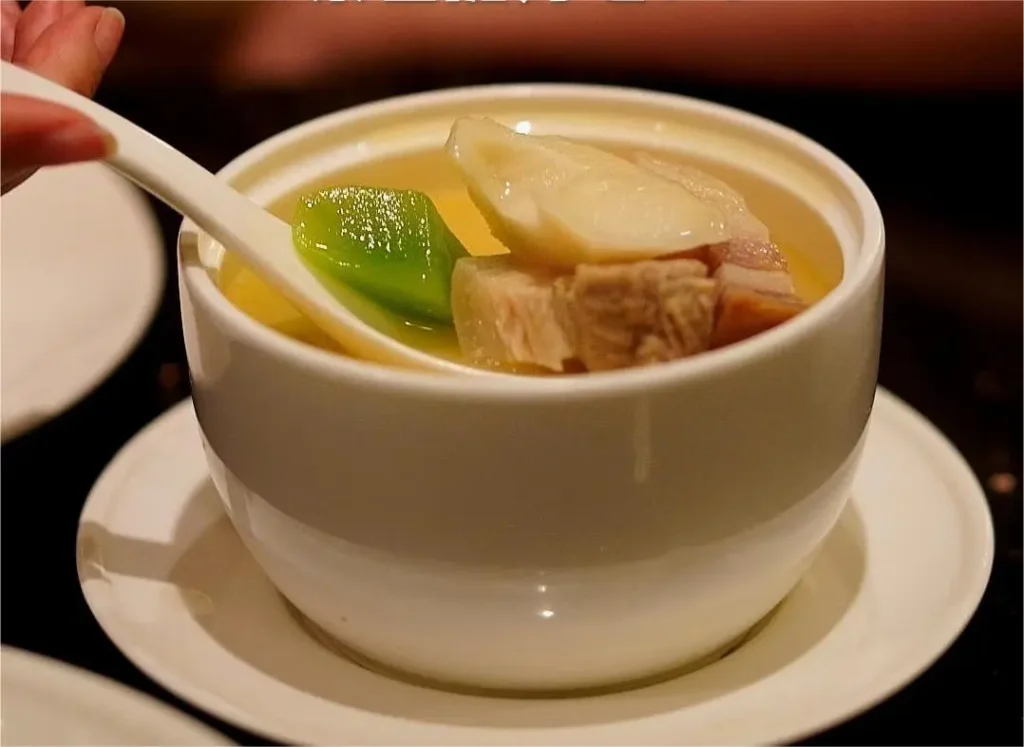
| Spring Bamboo & Pork Soup (Yanduxian) | Cured pork, fresh pork, and spring bamboo simmered slowly until the broth turns milky white. | Clean, deeply savory broth, crisp bamboo. Zero sweetness, zero heaviness. | Soup lovers and travelers dining with older relatives. | March to May (disappears when bamboo peaks) |
| Eight-Treasure Spicy Sauce (Babao Lajiao) | Shrimp, diced chicken, peanuts, dried tofu, and bamboo shoots stir-fried in a sweet-chili paste. | Savory with a mild kick, textured and incredibly filling. | Budget-friendly diner wanting hearty flavor; a great entry point for spice lovers. | Year-round |
| Crystal Shrimp (Shuijing Xiaaping) | Shelled river shrimp marinated, quick-fried with a light starch coating—no added fillers. | Translucent, crisp, tender, naturally sweet, and clean of heavy oils. | Seafood lovers wanting a showcase of chef knife-work and precise heat control. | Year-round |
| Crab-Roe Tofu (Xiefen Doufu) | Rich crab roe simmered with soft tofu in a light starch broth, dusted with minced ginger. | Silky, sweet, deeply briny without fishiness; lighter than pork dishes. | Anyone wanting crab flavor without shelling work; pork-free option. | Year-round (peak crab season in autumn) |
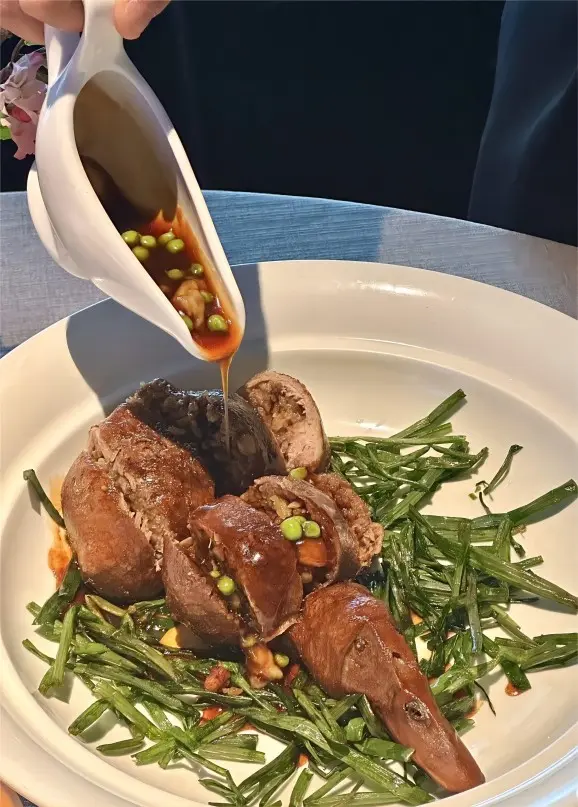
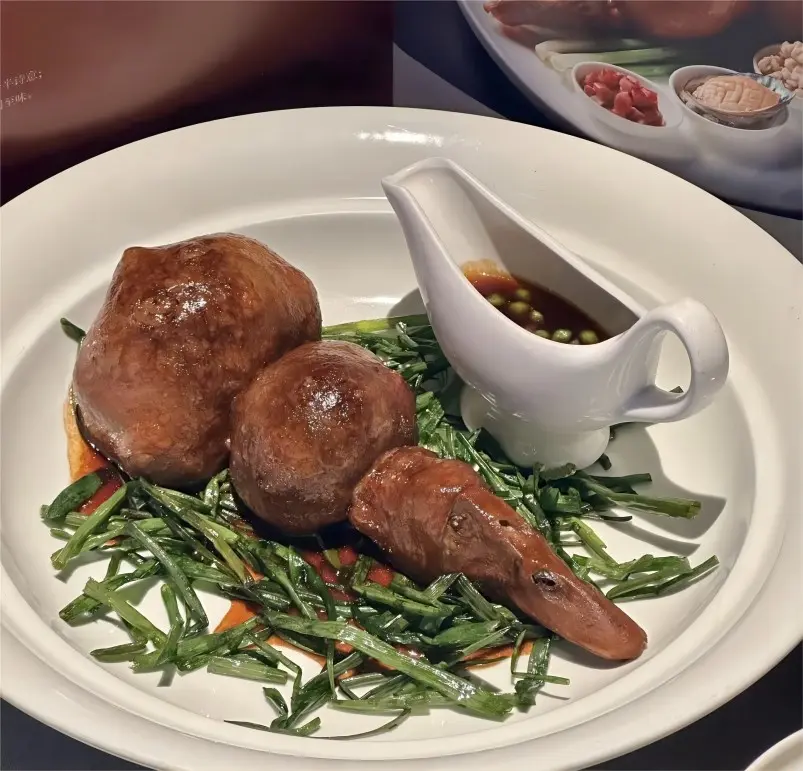
| Eight-Treasure Duck (Babaoya) | Whole deboned duck stuffed with glutinous rice, ham, mushrooms, and dried shrimp, steamed until tender. | Meat so tender it scoops with a spoon; rice soaked entirely in duck fats and savory broths. | Groups of 4+ looking for a grand centerpiece dish. | Year-round (must pre-order at most spots) |
| Wine-Scented Clover / Seasonal Greens | Quick-wilted in a blazing wok, finished with a splash of Shaoxing wine just before plating. | Clean, crisp, fragrant with wine aroma—the ultimate palate cleanser. | Everyone. A mandatory table pairing. | Year-round (clover peaks in spring) |
The Golden Rule for Balancing Your Table
Ordering Rule of Thumb: Balance your table with one braised dish, one quick-stir fry, one vegetable dish, and one soup. The braised dish carries the authentic Shanghai flavor, the stir-fry adds texture, the greens cut the sweetness, and the soup wraps it up. Feel free to add a cold starter like fried fish (xunyu) or sweet-and-sour ribs to kick off the meal.
Always order rice: The rich sauces of Benbang cuisine are designed to be eaten with rice. Without it, the sweet and savory notes will feel too intense. For two people, four dishes plus rice is an ideal portion.




3. How to Customize Sweetness and Pair Your Meal
Three Useful Phrases to Tell Your Server
If you aren’t accustomed to sweet savory dishes, don’t worry—you don’t have to just grin and bear it. Three simple phrases to tell your server will help:
- “Shaofang dian tang” (Use slightly less sugar): Works for braised items, though reduction relies on sugar so reductions have limits.
- “Xian shang yi dao qingcai” (Bring an unsweetened stir-fried vegetable first): Having a clean, crisp dish on the table immediately softens the impact of richer plates.
- “Lai yi wan mifan” (Bring a bowl of rice): The most direct and effective equalizer.
Traditional Drink Pairings: Shaoxing yellow Wine & Bayberry Juice
Additionally, locals typically pair a warm pot of Shaoxing yellow wine. Its deep, earthy warmth cuts right through dark soy and sugar, smoothing out the entire meal. If you prefer non-alcoholic drinks, order a chilled glass of bayberry juice (yangmeizhi); its tart, icy sweetness balances rich oils effortlessly. Both are standard at heritage restaurants.
4. Where to Eat Traditional Shanghai Food: Three Types of Restaurants
Benbang restaurants fall into three categories. The difference isn’t price—it’s the kind of dining atmosphere you want:
| Restaurant Type | Best For | Avg. Cost / Person | Key Tips to Know |
| Heritage Grand Restaurants | Tasting classic dishes, dining with family, or lingering on a rainy day. Consistent quality and reliable setup. | ¥120–210 | Open for lunch (11:00–14:00) and dinner (from 17:00). Weekend lunch queues exceed 40 minutes; reserve ahead if possible. |
| Neighborhood Alleyway Spots | Experiencing authentic local life, casual dining for two, not minding shared tables or bustling chatter. | ¥60–100 | Small rooms, no reservations accepted. Arrive 10 minutes before opening to secure a table. Menus rarely have pictures. |
| Modern Mall Diners | Moderate pricing, traveling with kids, wanting air conditioning and a quieter, polished environment. | ¥150+ | Open all day without afternoon breaks. Mall locations far from tourist sights rarely have lines. |
Recommended Local Spots:
- Lao Zhengxing (556 Fuzhou Road; est. 1862): Located near the Bund and People’s Square. Open 11:00–14:00, 17:00–21:00 (~¥130/person). Famous for oil-blasted shrimp and clover with intestines.
- Shanghai Grand Restaurant (242 Fuyou Road; inside Yu Garden): Originally opened in 1875 as Rongshunguan. Famous for eight-treasure duck (must call ahead to reserve the whole duck). Open 11:00–14:00, 17:00–20:30 (~¥170–200/person).
- Dexingguan (471 Guangdong Road; est. 1878): Ground floor serves noodles (¥30–40), upstairs serves sit-down dishes (¥80–130). Open 6:30 AM to 8:30 PM. The most reliable benchmark for affordable, authentic heritage dining.
- Lanxin Restaurant (130 Jinxian Road): A tiny four-table alleyway spot serving home-style braised pork and soy-sauce duck (~¥90/person). Open 11:00–14:00, 17:00–21:00; expect queues at peak hours.
- Hai Jin Zi (240 Jinxian Road): Famous for scallion-baked pork chops and crab-roe eggs (~¥60–80/person). Tables are tight, sharing is common. Open 11:00–13:30, 17:00–20:30.


5. Common Tourist Traps to Avoid
- Don’t expect lunch at 3:00 PM: Most traditional local kitchens close between the lunch and dinner rushes. From 14:00 to 17:00, only noodle shops and pastry counters remain open. This is local rhythm, not lack of business.
- Attractions inflate prices by 30%: Restaurants immediately outside Yu Garden or along the Bund cater to tourists with hiked prices. Walk two blocks west, and the exact same braised pork belly drops significantly in price.
- Fancy decor doesn’t guarantee better food: Benbang cuisine relies on fire control and timing, not interior design. A cramped alleyway shop with a booming bosslady often serves food closer to true tradition than a glitzy mall establishment.
- Menus without pictures are normal: Don’t panic if an alleyway spot has a text-only menu. Flip to the “Signature Dishes” section and point, or use a translation app.
6. Frequently Asked Questions About Traditional Shanghai Food
Can I eat local Shanghai food as a solo traveler?
Yes, but it’s challenging to order family-style dishes alone since two plates will fill you up. Solo diners are better off visiting noodle shops or heritage noodle counters for lunch to grab a bowl of noodles topped with a side of braised meat (jiaotou).
How do you order at local Shanghai restaurants without speaking Chinese?
Heritage restaurants usually have English menus or photo boards. At smaller alleyway spots without pictures, point at neighboring tables and say “Zhege” (这个 – “This one”), which works wonderfully in Shanghai.
Are vegetarian or halal options available in traditional Shanghai cuisine?
Traditional Benbang cooking relies heavily on animal broths and lards, making strict vegetarian choices limited to simple seasonal greens, wine-scented clover, or plain noodles. Halal diners should seek out dedicated Muslim restaurants, as local Shanghai spots do not serve halal menus.
Do I need reservations for traditional Shanghai restaurants?
For heritage grand restaurants on weekends, booking a day ahead by phone is strongly recommended. Smaller alleyway spots do not accept reservations; arrive ten minutes before opening time to beat the queue.
Are local Shanghai restaurants suitable for dining with kids?
Grand heritage restaurants and mall diners are very kid-friendly with high chairs available. Tiny alleyway spots feature cramped seating and smoky woks, making them unsuitable for strollers.
Ready to Order Your First Meal?
Understanding traditional Shanghai food comes down to one simple idea: pairing rich, dark-sauced centerpieces with clean, crisp greens and a bowl of white rice. Once you know how to balance a table and pick the right style of restaurant for the time of day, ordering becomes effortless—no Mandarin required.
If you’re also planning where to grab morning breakfast snacks, soup dumplings, or quick bites near major attractions, head over to our main Shanghai Food Guide next to map out the rest of your meals.