Xi’an Terracotta Army Guide: Tickets, How to Get There & Scams to Avoid
A practical handbook for first-time international visitors: Tickets · Transport · Top Highlights · Pitfalls to Avoid · Walking Routes
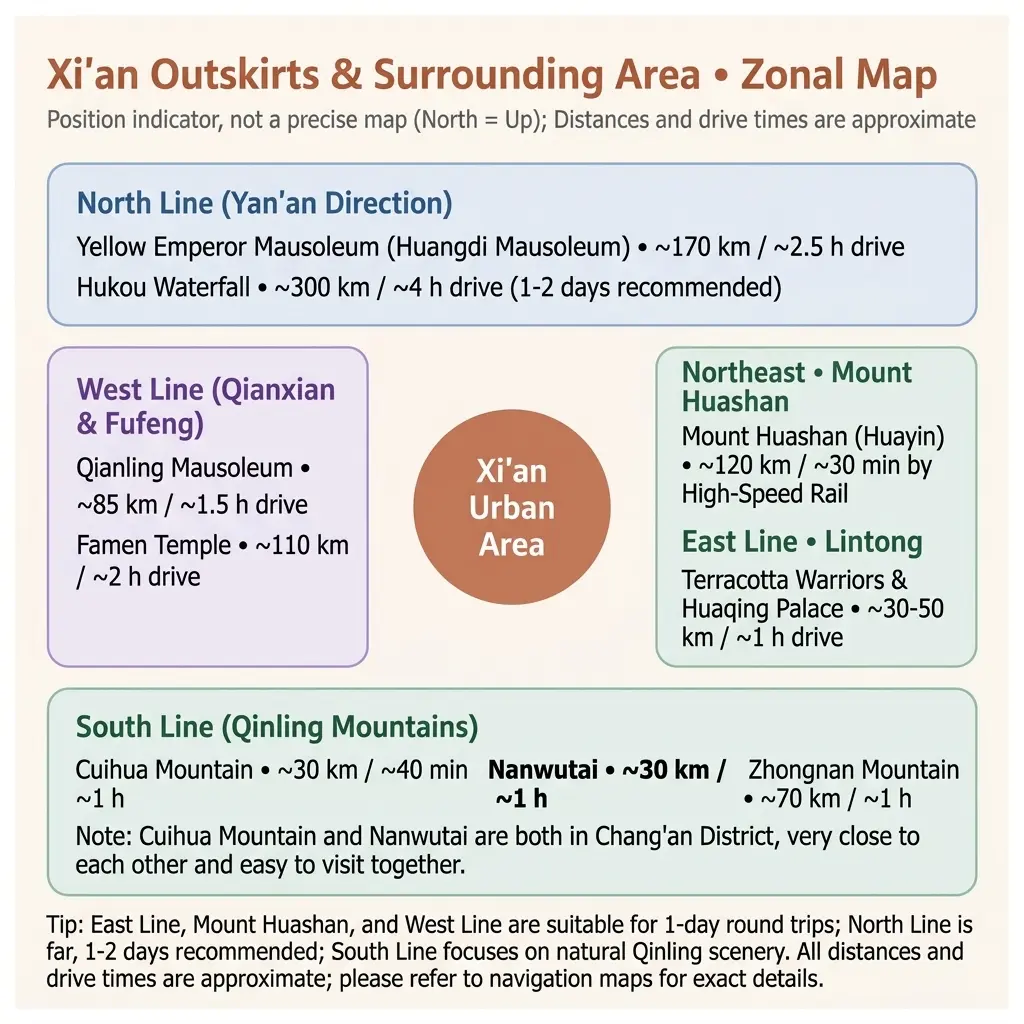
Overwhelmed by planning your Xi’an trip? Don’t worry—the easiest way to navigate this ancient capital is to split it into two key areas: the lively city center and the surrounding regions.
The inner city highlights are clustered around downtown and the south, seamlessly connected by walking or subway. Meanwhile, the surrounding day trips spread across the east, west, north, and south, each packed with iconic sights. This article focuses on one of Xi’an’s most essential eastern day trips: the world-famous Terracotta Army.
1. Why Is the Terracotta Army Known as the “Eighth Wonder of the World”?
For many travelers visiting China for the first time, the Terracotta Army is a bucket-list legend—often considered the “Eighth Wonder of the World” and one of China’s most iconic historic symbols.
Here is the backstory: Qin Shi Huang, the first emperor of a unified China, created an underground clay army of around 8,000 life-sized soldiers to guard him in the afterlife. In 1974, local farmers digging a well in Lintong, Shaanxi, accidentally stumbled upon pottery fragments, uncovering the tip of the iceberg of an empire buried for over 2,000 years. Today, active excavations continue, and new discoveries never stop.
If you are a first-time visitor, this guide covers everything you need to know: ticket booking, transport from downtown Xi’an, scams to dodge, and how to maximize a half-day trip.
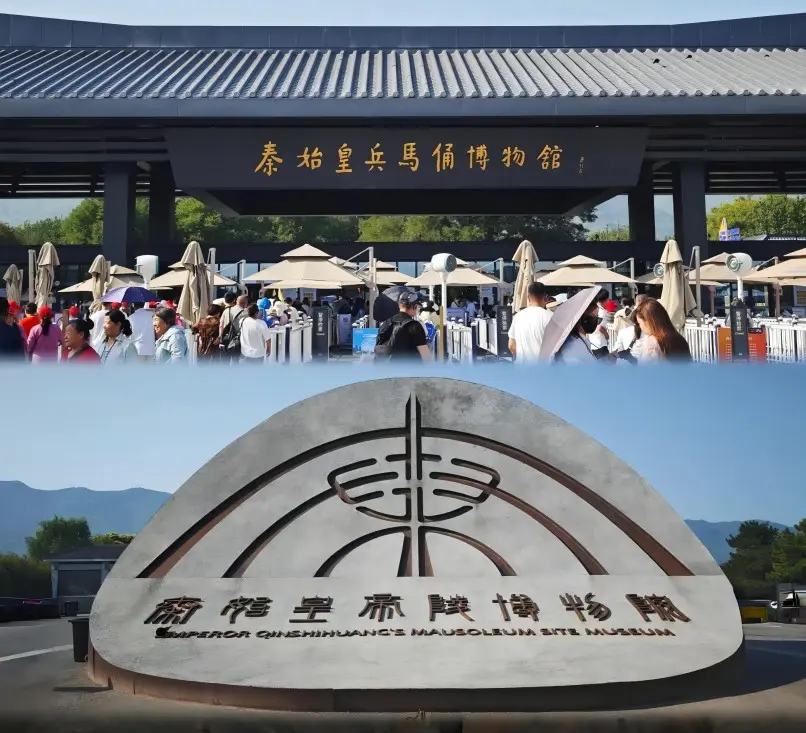
2. What Is the Xi’an Terracotta Army? (Overview & Location)
- Location: Lintong District, Xi’an (approx. 30–50 km east of the city center).
- Status: Part of Emperor Qinshihuang’s Mausoleum complex; UNESCO World Heritage Site; widely acclaimed as the “Eighth Wonder of the World.”
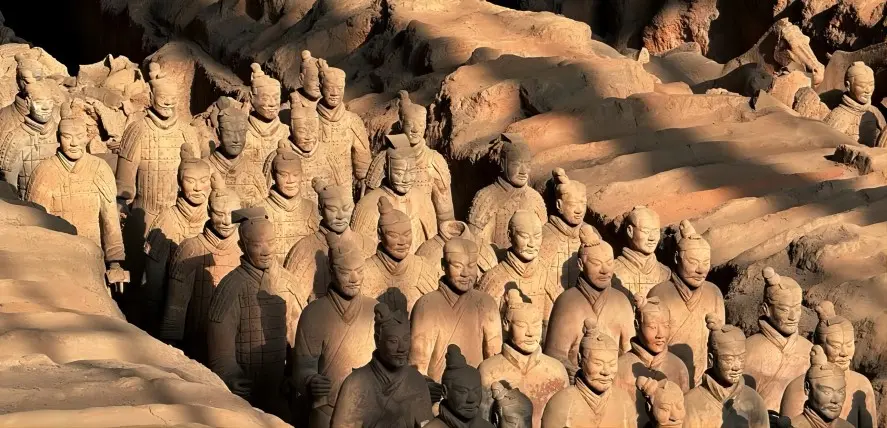
- Why It’s Extraordinary: Massive scale (thousands of life-sized figures unearthed), unique facial features for every warrior (“no two faces are alike”), and remarkable ancient craft preservation.
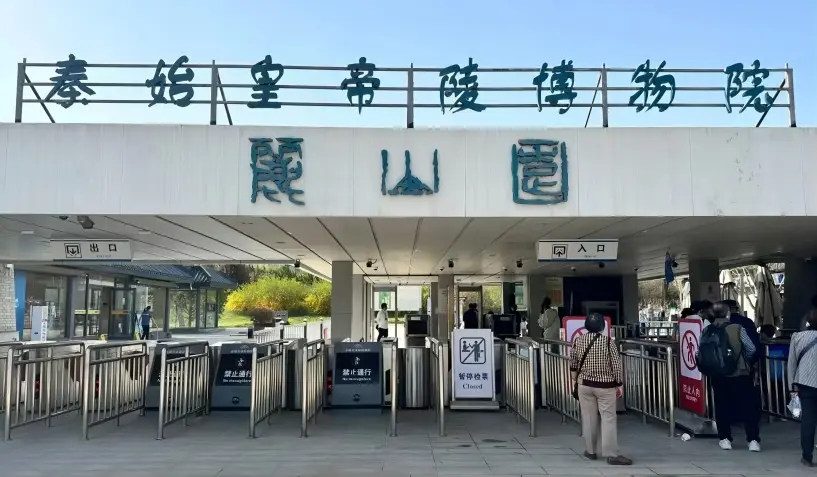
One single ticket covers two main areas:
- The Terracotta Warriors Museum (Pit Area / Exhibition Zone)
- Lishan Garden (Archaeological Park & Imperial Tomb Area)
3. Top Things to See: Pits 1, 2, 3 & Bronze Chariots
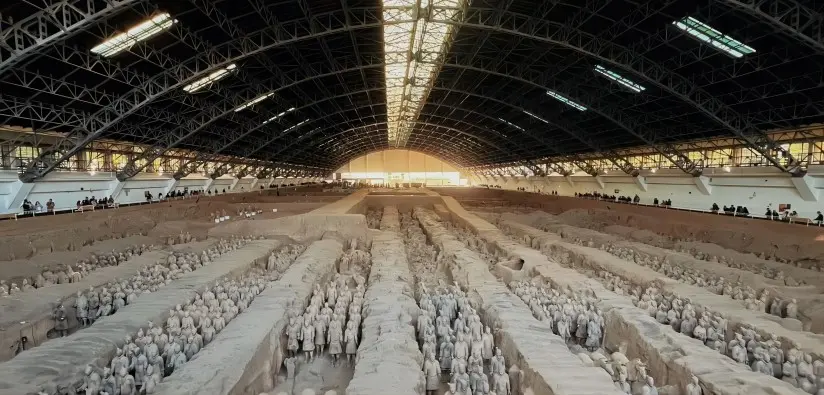
Pit 1: The Main Army Formation
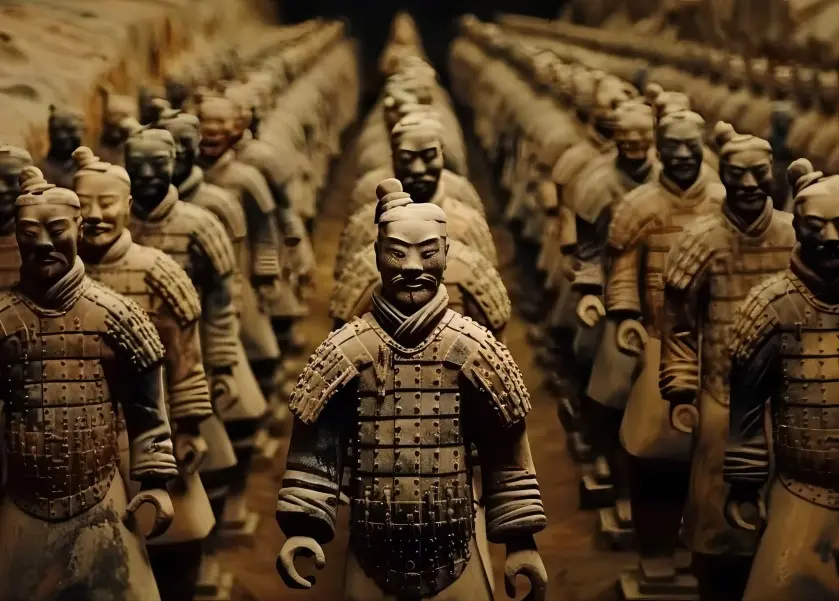
Rank upon rank of terracotta soldiers stretch out as far as the eye can see. This is the iconic view you see in textbooks and documentaries. It is also an active excavation site, so you can often spot archaeologists restoring artifacts near the railings.
- Recommended Time: ~30–40 mins.
Pit 2: Crossbowmen, Cavalry & Chariots
Featuring a wider array of military units—including crossbowmen, cavalry, and war chariots—Pit 2 offers a clear picture of ancient Chinese military hierarchy and tactical formations.
- Recommended Time: ~20–30 mins.
Pit 3: Crossbowmen, Cavalry & Chariots
The smallest in size, Pit 3 served as the high command unit for the entire army. Do not skip it just because of its size; the solemn atmosphere and layout make it historically significant.
- Recommended Time: ~10–15 mins.
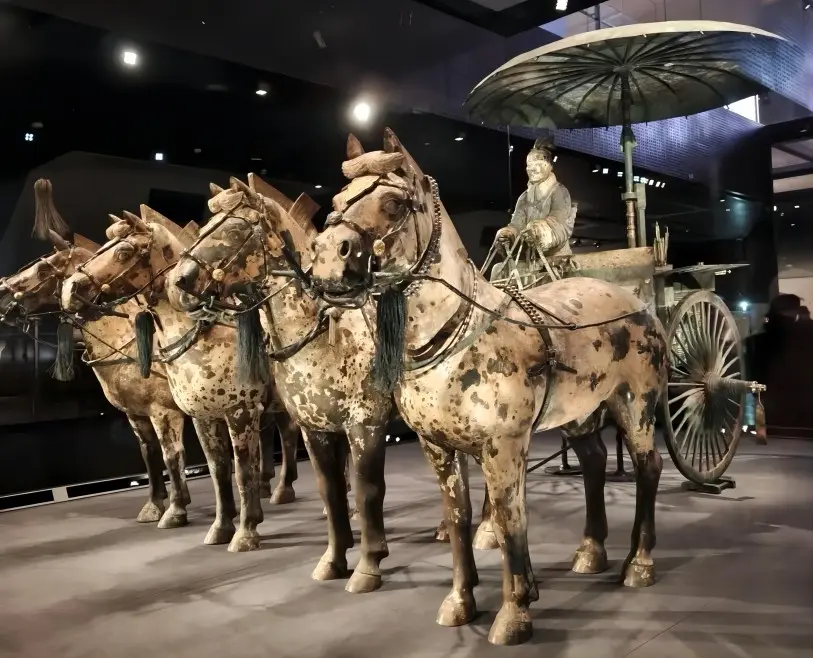
Bronze Chariots & Horses (Lishan Garden)
Two magnificent bronze chariots featuring intricate umbrellas, wheels, and rein details. Many tourists miss this section, yet it houses some of the finest bronze art in ancient history. Access Lishan Garden via the free shuttle bus (boarding west of the main North Gate of the Museum).
- Recommended Time: ~30–40 mins.
Visitor Tip: Allow about 1.5 hours for the Museum pits and another 1.5 hours for Lishan Garden for a complete experience.
4. Visitor Guide: Tickets, Transport, Guides & Scams
① How to Book Terracotta Army Tickets (International Visitors)
- Top International Platforms (Recommended): Use Trip.com, Klook, or KKday. These platforms offer English interfaces, accept international credit cards (Visa, Mastercard, Amex), and only require your passport number and email. Booking confirmations are sent straight to your inbox for a smooth process.
- Passport Requirement: Always bring the exact original passport used during booking. Entry security checks passport information strictly; discrepancies will result in denied entry.
- Official Booking Channels: Tickets can also be booked on the official website (bmy.com.cn) or via their WeChat Official Account. However, these systems primarily cater to domestic users in Chinese, making international platforms far simpler.
- All-in-One Option: Joining a guided day tour (which includes entry tickets, transport, and an English guide) is the most hassle-free option.
② How to Get to the Terracotta Army from Downtown Xi’an
- Subway + Bus (Best Budget & Easy Option): Take Metro Line 1 to Fangzhicheng, transfer inside the station to Metro Line 6 to Huaqing Chi Station, then take Bus Lintong 602 or Tourist Bus 613 straight to the site. Total journey: approx. 1.5–2 hours.
- Direct Bus: Take Tourist Bus No. 5 (306) from Xi’an East Railway Station. Total journey: approx. 1.5 hours.
- Driving / Taxi: Around 1 hour via the Lianhuo Expressway (Exit at Qinyongguan). Parking is available at the official lot.
- Private Transfer / Didi Taxi: The most comfortable option (~1 hour drive), ideal for families, seniors, or small groups.
③ Do You Need a Tour Guide for the Terracotta Army?
- Get a Guide: Exploring the site alone without context can feel like staring at a pit of mud figures. A skilled guide brings the history to life, explaining ancient battle strategies, warrior categories, and Emperor Qin’s quest for immortality.
- Book in Advance: Pre-booking an English tour or half-day package through platforms like Trip.com or Klook includes ticket reservation, hotel pickup, and an English-speaking guide.
- On-Site Options: Official guides and audio headsets are available near the entrance. You can also use audio tour apps on your phone.
- Avoid Unofficial Guides: Stick to licensed official guides or pre-booked services; politely decline touts standing outside the gate.
④ Common Scams & Pitfalls to Avoid in Lintong
- Beware of “Fake” Replica Museums: The authentic site is named Emperor Qinshihuang’s Mausoleum Site Museum. Taxi drivers or unauthorized touts near the railway station may try to take tourists to fake tourist traps (like the “Underground Palace” or “8th Wonder Hall”). Ignore them and insist on official transportation.
- Persistent Touts: If someone approaches offering “shortcuts” or “cheap tickets,” politely decline and keep walking.
- Overcharging Taxis: Always use official ride-hailing apps (like Didi) or agree on a metered fare before getting in.
⑤ Best Time to Visit & How to Avoid Crowds
- Optimal Hours: Arrive right at opening (~8:30 AM) or late in the afternoon before final admission to avoid tour group crowds.
- Avoid Chinese Holidays: Steer clear of Chinese National Holidays (Spring Festival, May Day, Golden Week in October) and summer school breaks. During peak times, queues are long even with extended opening hours.
- Peak Tour Hours: 8:30 AM–11:00 AM usually sees the highest concentration of large tour groups.
⑥ Opening Hours (Peak vs Off-Peak Season)
- Off-Peak Season (Mid-Nov to Mid-Mar): Tickets issued from 8:30 AM; last entry at 4:30 PM.
- Peak Season (Mid-Mar to Mid-Nov): Tickets issued from 8:30 AM; last entry at 5:00 PM.
- (Opening hours may extend during major holidays. Check official updates prior to your trip).
5. Recommended Itinerary: Half-Day vs Full-Day Routes
Optimal Order:
Pit 1 → Pit 3 → Pit 2 → Free Shuttle Bus to Lishan Garden (Bronze Chariots)
(Pits 1, 2, and 3 sit next to each other; following this sequence minimizes backtracking).
- Half-Day Option (~3–4 hours): Focus on Pits 1, 2, and 3, with an optional quick stop at Lishan Garden if time permits.
- Full-Day Option (~5–6 hours): Explore all three pits and take the shuttle to Lishan Garden to appreciate the Bronze Chariots at a leisure pace.
- Travel Note: Remember to factor in 1.5–2 hours each way for round-trip transit to downtown Xi’an.
6. Fascinating Terracotta Army Facts
- No Two Faces Are Alike: Every unearthed warrior features distinct facial expressions, hair textures, and facial features. Each statue is truly one of a kind.
- The Mystery of the Vanishing Paint: The warriors were originally painted in vivid colors. However, exposure to dry air after unearthing caused the lacquer skin to flake off quickly. This preservation challenge is why most figures look grey today.
- Active Excavation Site: Pit 1 is still actively being excavated. Seeing archaeologists carefully cleaning and reconstructing pieces right before your eyes makes the visit even more special.
7. How to Combine the Terracotta Army with Huaqing Palace
- Classic Day Trip Combo: Pair the Terracotta Army with Huaqing Palace (both are located in Lintong along the same route). Do the Terracotta Army in the morning and Huaqing Palace in the afternoon for a smooth 1-day trip.
- Guided Group Tours: Booking a hassle-free day tour from downtown Xi’an (including transport and guide) saves the trouble of navigating public transit.
8. Is the Xi’an Terracotta Army Worth Visiting?
Yes, absolutely. If you are visiting Xi’an for the first time, it is an essential bucket-list destination. Standing by the edge of the pit and looking down at a 2,200-year-old subterranean army is infinitely more impressive than seeing any photo.
Furthermore, to explore more highlights of your Xi’an journey, don’t miss our complete guide to Xi’an Tourist Attractions!
How Long Do You Need at the Terracotta Army?
Plan at least 3–4 hours on-site, or 5–6 hours if you prefer a relaxed pace including Lishan Garden.
How Long Do You Need at the Terracotta Army?
Yes. Renting an audio guide or hiring an official English-speaking guide is highly recommended; otherwise, it is easy to miss the fascinating historical details.
How Close Can You Get to the Terracotta Warriors?
Visitors view the pits from raised platforms behind protective railings. Entering the pits is not allowed, but watching the active restoration in Pit 1 from above is a unique highlight.
Are Photos Allowed at the Terracotta Army Museum?
Yes, photography is permitted inside all halls, but flash photography is strictly forbidden to protect the ancient artifacts. The best panorama spot is along the front railing of Pit 1.