Prince Gong’s Mansion Beijing: A Journey Through Qing Dynasty Power & Elegance
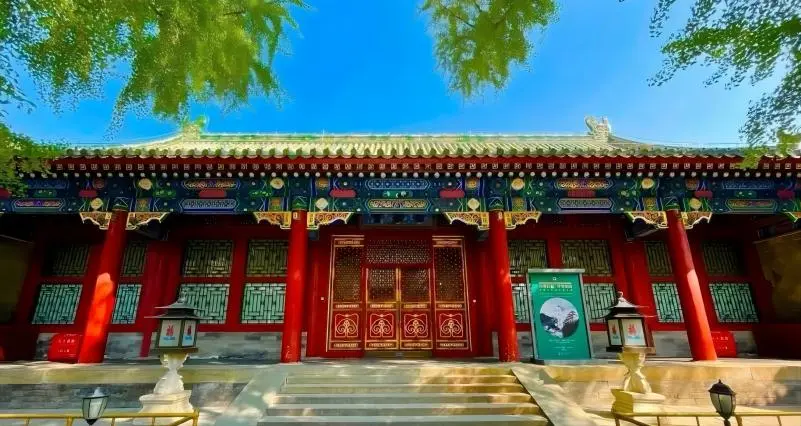
Walking beneath the willow trees of Beijing’s Shichahai area, a grand complex of red walls and green tiles quietly emerges. This is Prince Gong’s Mansion (Gong Wang Fu), a place said to hold “half of the Qing Dynasty’s history.” As the largest and best-preserved imperial princely residence in China, it is both an architectural masterpiece and a living record of the Qing Dynasty’s rise and fall.
Prince Gong’s Mansion History: From Private Home to Royal Museum
The mansion’s story mirrors the fortunes of the Qing Dynasty:
- 1776 – He Shen’s Residence: The powerful official He Shen, favored by Emperor Qianlong, built a luxurious home here. The rear building stretched 160 meters, featuring 88 unique windows and secret tunnels to safeguard treasures. Xijin Hall, made of prized nanmu wood, housed columns worth 2.7 billion RMB.
- 1799 – Prince Gong Era: After He Shen’s execution, the residence was granted to Prince Gong, Yixin, who expanded it, adding the Western-Style Gate and the Grand Theater, and hosted important events of the Self-Strengthening Movement.
- Today: After periods of private ownership, the mansion opened to the public in 2008 as the world’s first princely mansion museum. Visitors can now explore a historic palace that blends private life, politics, and artistry.
Prince Gong’s Mansion Architecture: Three Gems & One Treasure
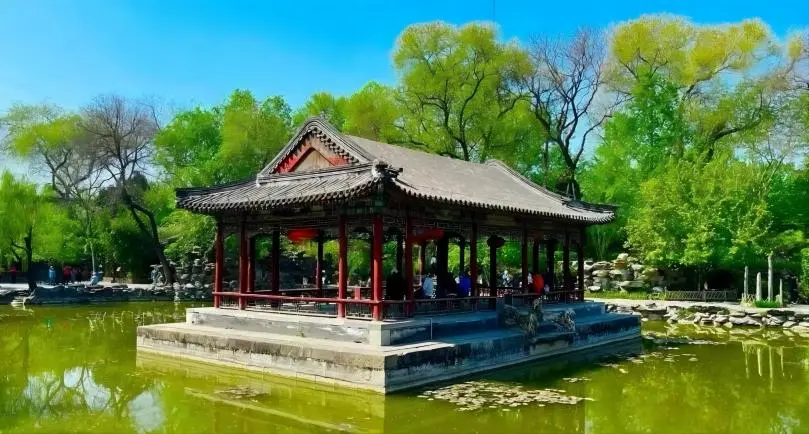
This mansion showcases a blend of Manchu, Han, and Western architectural styles with a unique layout: Front Courts for official business and Rear Quarters for living.
- Western-Style Gate (Xiyang Men): A European-style white marble archway, featuring combined Chinese-Western carvings, symbolizing Prince Gong’s motto to “learn the superior techniques of the West to strengthen China.”
- Grand Theater (Da Xi Lou): Built entirely of wood, no nails or bricks, with painted wisteria ceilings. Nine copper jars under the stage create a natural acoustic system—a Qing Dynasty “black technology” marvel.
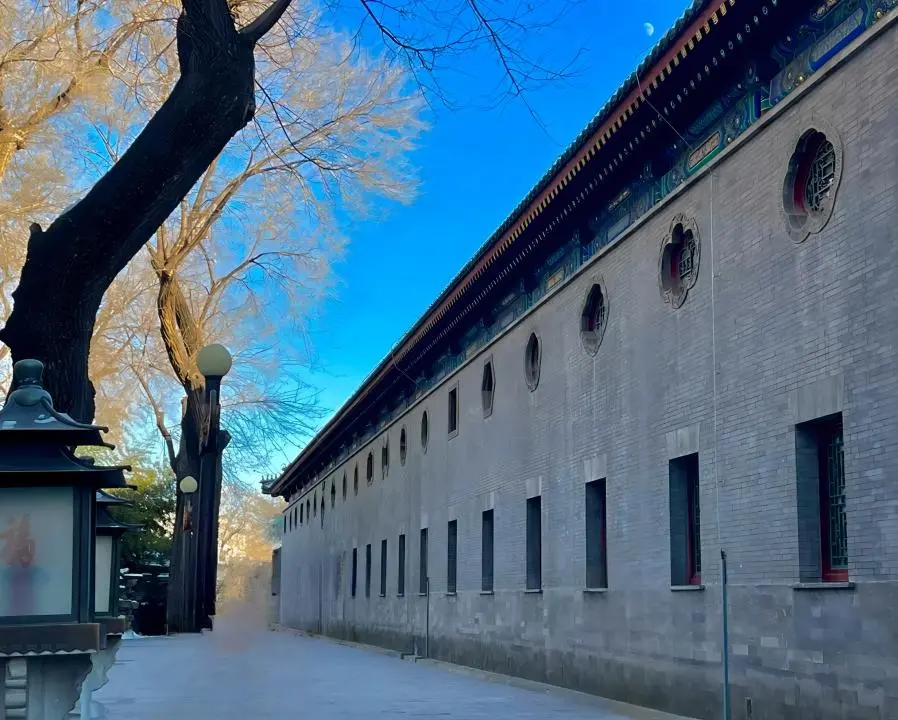
- Rear Main Building (Hou Zhao Lou): Two stories stretching 160 meters, with 88 windows, each unique. Secret passages and hidden compartments reflect He Shen’s legendary wealth.
- Fu Stele (Fu Zi Bei): A calligraphy of “Fu” (Fortune) by Emperor Kangxi, concealed in Miyun Cave, symbolizing children, talents, land, longevity, and wealth. Visitors often touch the stele for good luck.
Cultural Highlights: Fortune and Noble Life
Prince Gong’s Mansion is also a museum of Qing Dynasty noble culture:
- “Fu” Culture: The gardens feature 9,999 bat motifs, Bat Pond, and Bat Hall, forming a “Ten Thousand Fortunes” system. This culture inspired souvenirs such as “Fu” ice cream and bookmarks.
- Heritage Arts: Visitors can attend Kunqu Opera, guqin music sessions, and fashion exhibitions of intangible cultural heritage. Xijin Hall displays imperial furniture showcasing tenon and mortise joinery and mother-of-pearl inlay techniques.
- Symbols of Power: Gilded dragon columns in Yin’an Hall, plaques in Jiale Hall, and calligraphy in Duofu Hall illustrate Qing court authority and scholarly elegance.

Visiting Prince Gong’s Mansion: Travel Tips
- Location & Transit: 17 Qianhai West Street, Xicheng District, Beijing. 10-minute walk from Beihai North Station (Metro Line 6, Exit B).
- Hours: Peak Season (Apr 1 – Oct 31): 8:00 AM – 5:00 PM; Low Season (Nov 1 – Mar 31): 9:00 AM – 4:00 PM; Closed Mondays.
- Deep Dive Route (2 hours): Silver An Hall → Western-Style Gate → Bat Pond → Grand Theater → “Fu” Stele. Trace the “Fortune” path and experience the mansion fully.
- Cultural Bonus: Tuesdays at 10:00 AM, Jiale Hall hosts Qing Dynasty court etiquette performances.
- Photography Tips: Sunrise at Silver An Hall, afternoon koi leaps at Bat Pond, sunset over the garden from Yueyue Terrace.
For more Beijing attractions, explore the Forbidden City, Temple of Heaven, or plan a trip to the Summer Palace and Badaling Great Wall.
As the sun sets, gilding the Bat Hall and illuminating the Fu Stele, Prince Gong’s Mansion stands as a fusion of power, art, and faith—a true Qing Dynasty epic waiting for you to explore. Historian Hou Renzhi once remarked: “The history of Prince Gong’s Mansion is half the history of the Qing Dynasty, and half the history of Chinese culture.”
Step inside this Eastern masterpiece—are you ready to turn the next page in history?