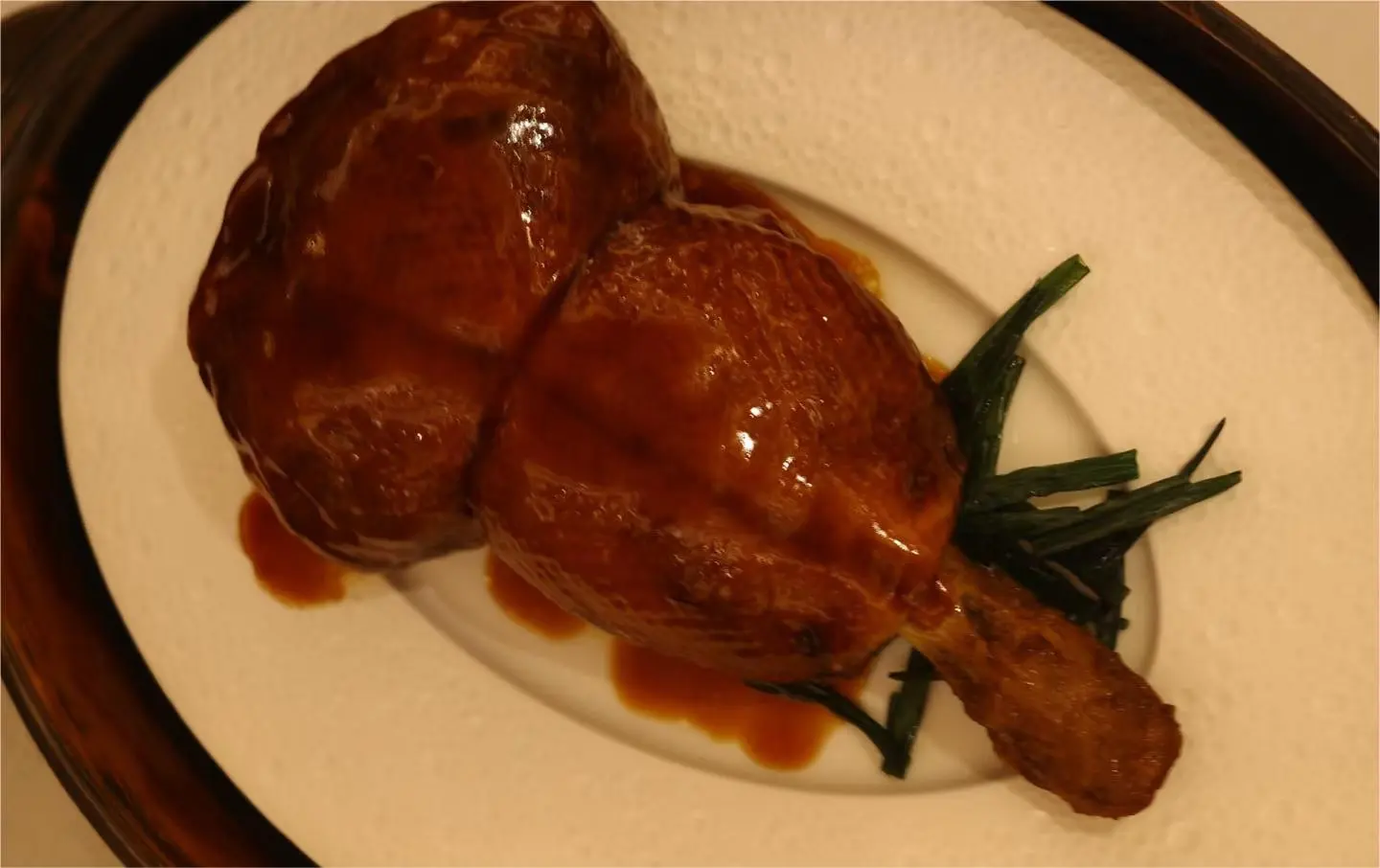
Shanghai’s Eight-Treasure Duck: A Feast of Jiangnan Spring Hidden in a Duck’s Belly
Taste a Millennium of Benbang Soul in One Bite!
If you ask locals what best represents the soul of Shanghai’s Benbang cuisine, the answer is almost always Eight-Treasure Duck (Bābǎo Yā). Glutinous, savory, and deeply aromatic, this century-old banquet dish remains a must-try for anyone wanting to taste the true heart of Shanghai.
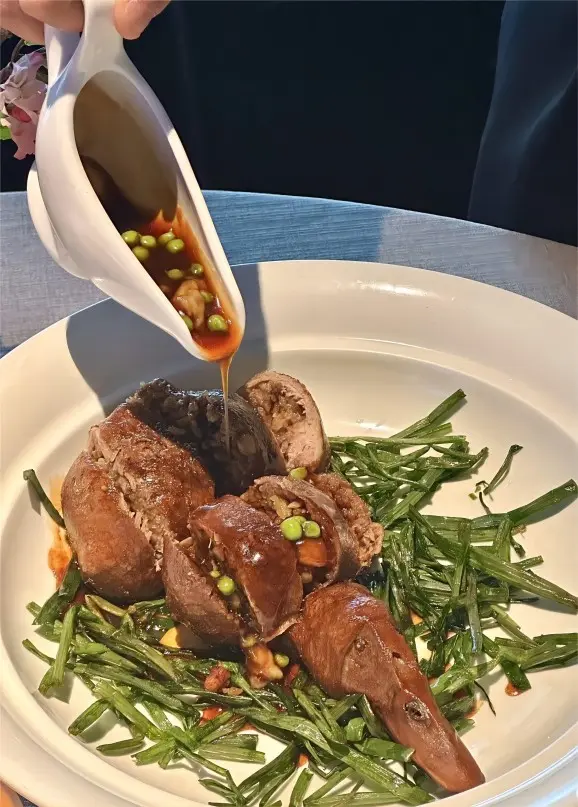
Slice through the golden, crispy skin and a wave of fragrant steam rises—glutinous rice, ham, lotus seeds, mushrooms, and tender duck melting together like Jiangnan spring in a bowl. One spoonful explains why it has long been the “Grand Finale” of traditional Shanghai feasts.
This guide covers everything you need: the dish’s origins, flavor profile, the best places to try it, how to order like a local, and nearby activities to complete your culinary journey.
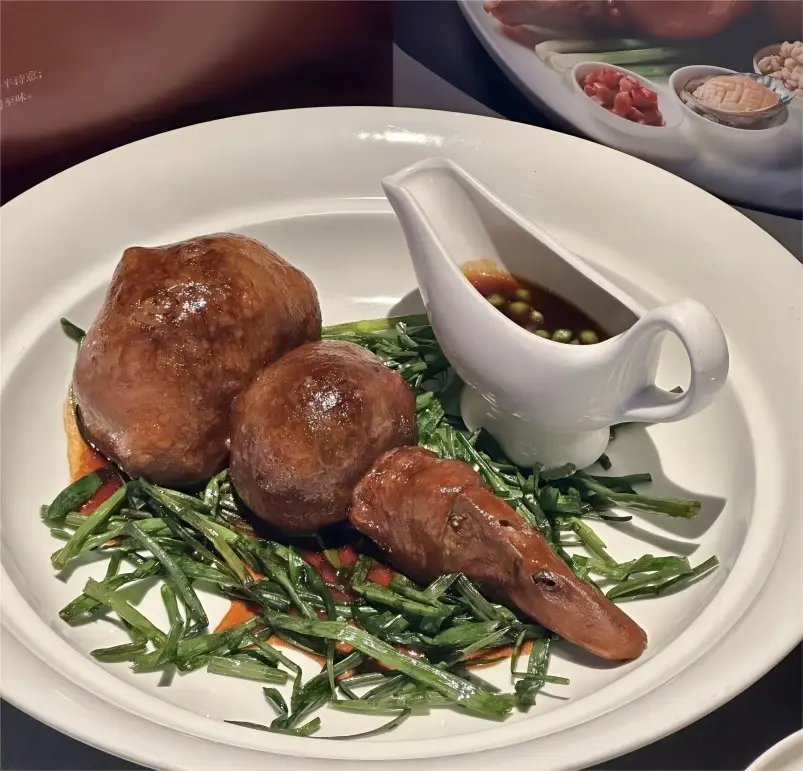
I. Eight-Treasure Duck: The Showstopper of Benbang Cuisine
Despite its name, the “Eight Treasures” aren’t fixed. What matters is the harmony of glutinous rice + umami. Common ingredients include:
- Glutinous rice
- Yunnan ham
- Dried scallops
- Shrimp
- Lotus seeds
- Shiitake mushrooms
- Bamboo shoot tips
- Chestnuts
A whole duck is deboned, packed with the filling, sealed with bamboo skewers, and steamed for hours until the meat is as tender as silk. The final step—pouring a glossy reddish-brown sauce over the dish—turns it into a banquet centerpiece.
Born in Suzhou and perfected in Shanghai, Eight-Treasure Duck became the must-serve main course at old Shanghai banquets, symbolizing reunion, prosperity, and abundance from all directions. Even today, families still order it at New Year gatherings, birthdays, and holidays—one duck instantly brings the festive mood to the table.
II. Eight-Treasure Duck Culinary Map: 5 Best Places to Try in Shanghai
Below is your curated list of the most authentic, historic, and traveler-friendly restaurants serving Eight-Treasure Duck in Shanghai.
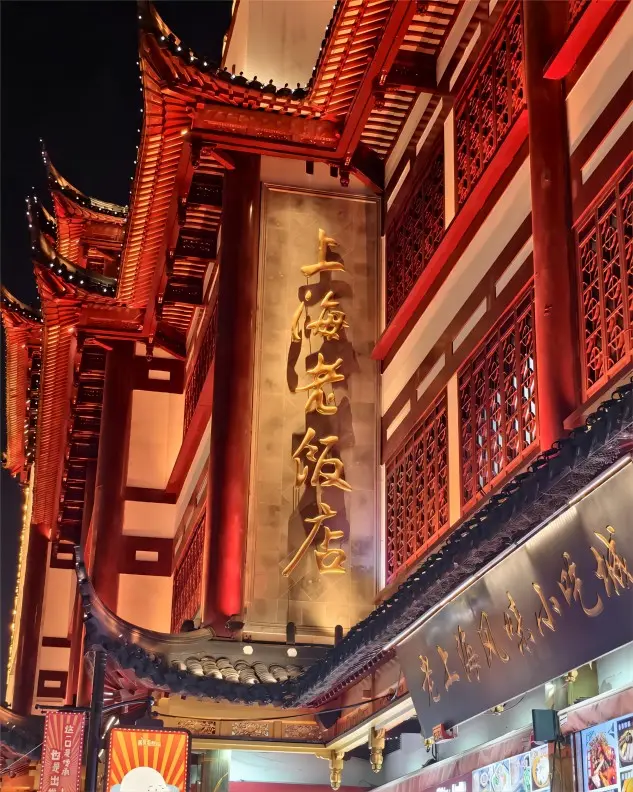
1. Shanghai Old Restaurant
Address: 242 Fuyou Rd., Yuyuan Bazaar, Huangpu District
Why It’s Famous:
A living fossil of Benbang cuisine since 1875, this is the most iconic and textbook version of Eight-Treasure Duck in the city. Using a 2.5 kg grass-fed duck and a classic eight-ingredient filling, it’s slow-steamed for 4+ hours until perfectly tender.
- Meat falls off the bone
- Filling is soft and richly flavored
- Sauce is fragrant but not greasy
- A true “Benbang encyclopedia”
Tips:
- Reservation essential (1 day ahead; 2 days for weekends)
- Hidden gem dish: Cǎotóu Quānzi (braised pork intestine with clover)
- Price: ~¥298 per duck (serves 4–6)
Best for: First-time visitors wanting a classic experience.
2. Lubolang
Address: 115 Yuyuan Rd., by the Nine-Bend Bridge
Why It’s Famous:
As a long-time Michelin regular, Lubolang offers the most refined and elegant version. The filling is delicate, the flavors lighter, and the plating beautiful—ideal for travelers who prefer milder sweetness.
Tips:
- Reserve via phone or Dianping 1 day before
- Pair with the Crab Roe Tofu
- Price: ~¥368 per duck
Best for: Travelers who want a more polished dining experience with great views.

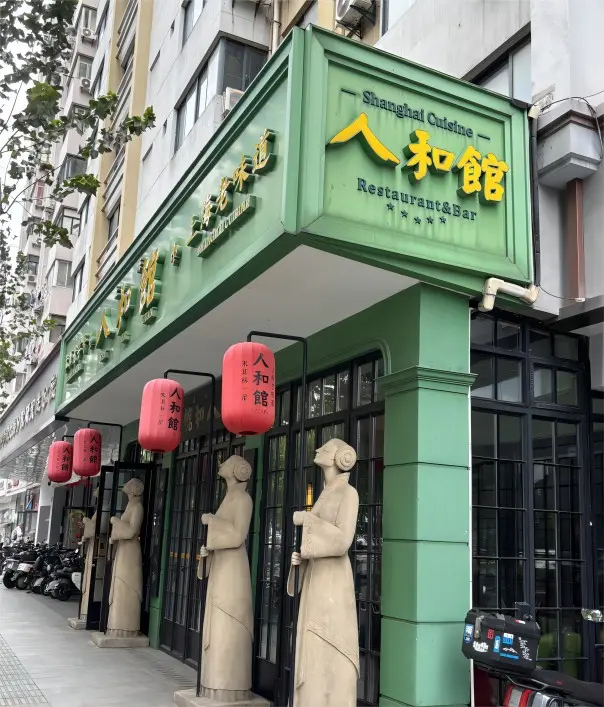
3. Renhe Lou
Address: 407 Zhaojiabang Rd., Xuhui District
Why It’s Famous:
Founded 226 years ago, this place serves a unique “Eight-Treasure Gourd Duck”—shaped like a gourd to symbolize prosperity. The sauce is amber-colored with a nostalgic Old Shanghai sweetness.
Tips:
- Charming retro interior, staff in qípáo
- Must-order dessert: Sweet Fermented Rice Balls (Jiǔniàng Yuánzi)
- Price: ~¥258 per duck
Best for: Those who love vintage Shanghai aesthetics.
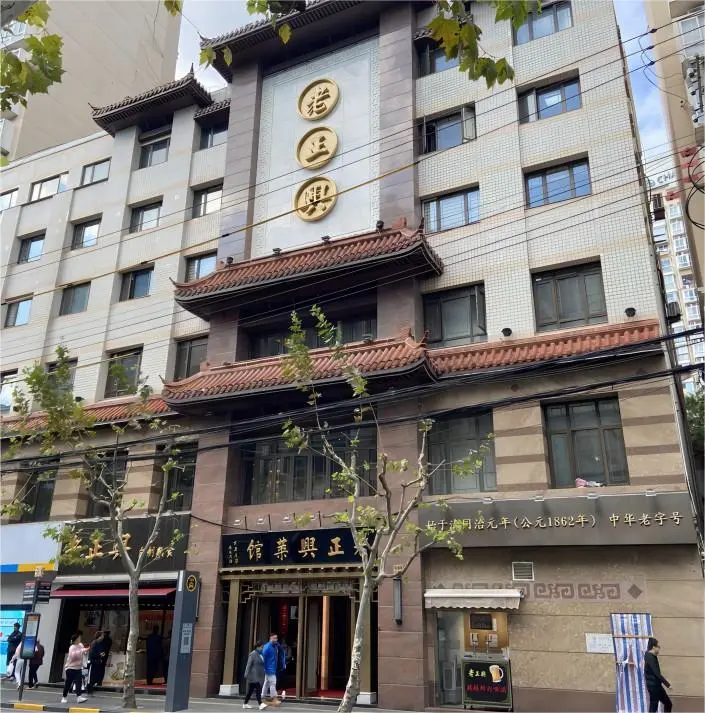
4. Lao Zheng Xing
Address: 556 Fuzhou Rd., Huangpu District
Why It’s Famous:
One of the oldest Shanghai restaurants (since 1862), and its Eight-Treasure Duck is officially recognized as an Intangible Cultural Heritage dish. The skin is golden crisp, the sauce thick and sweet—a favorite among older Shanghainese.
Tips:
- Expect a 30+ minute queue on weekdays
- Must-try side dish: Oil-Sautéed River Shrimp (Yóubào Héxiā)
- Price: ~¥228 per duck
Best for: Travelers seeking deep-rooted, traditional flavors.
5. Yuen Court
Recommended Branch: Jing’an Temple, 1 Yuyuan Rd.
Why It’s Famous:
A popular, affordable chain known for homestyle Benbang cuisine. The duck here is tender and family-friendly, with a richer filling including pine nuts and corn.
Tips:
- Jing’an branch is spacious and family-friendly
- Children’s chairs and cutlery available
- Price: ~¥198 per duck
Best for: Families and travelers on a moderate budget.

III. How to Eat Eight-Treasure Duck Like a Local
✔ Best Season to Try
Spring (March–May) is ideal: ducks are fattest; bamboo shoots are at peak freshness.
✔ How to Order
Say: “Lái yī zhī Bābǎo Yā.”
Want extra filling?
“Duō jiā diǎn xiārén / lìzi / zhēnzhū mǐ.” (shrimp / chestnut / glutinous rice)
✔ Best Side Dishes
- Light stir-fried seasonal greens
- Sweet Fermented Rice Balls (Jiǔniàng Yuánzi)
- River shrimp for contrast
✔ Nearby Attractions
- Yuyuan Garden & Nine-Bend Bridge
- Jing’an Park (perfect walk after the feast)
- Yuyuan Road & Wukang Road historic concession streets
IV. One Duck, the Tenderness and Vitality of Shanghai
Shanghai’s Eight-Treasure Duck is far more than a delicious dish—it’s a cultural symbol of reunion, abundance, and Jiangnan warmth. It represents a city that blends heritage with innovation, using simple ingredients to create unforgettable depth. Discover more of Shanghai’s best eats on our Shanghai Local Food Trails.