Xi’an Shuilu’an Temple: Hidden Ming Dynasty Clay Sculptures by the Qinling Mountains
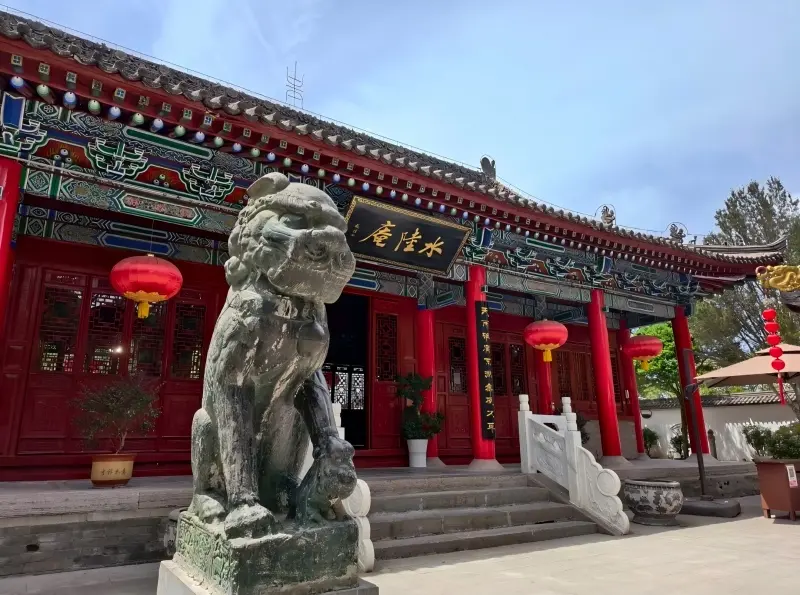
When people visit Xi’an, most head straight to famous attractions like the Terracotta Army or the Giant Wild Goose Pagoda. But hidden in Lantian County is a quieter and lesser-known treasure — Shuilu’an Temple.
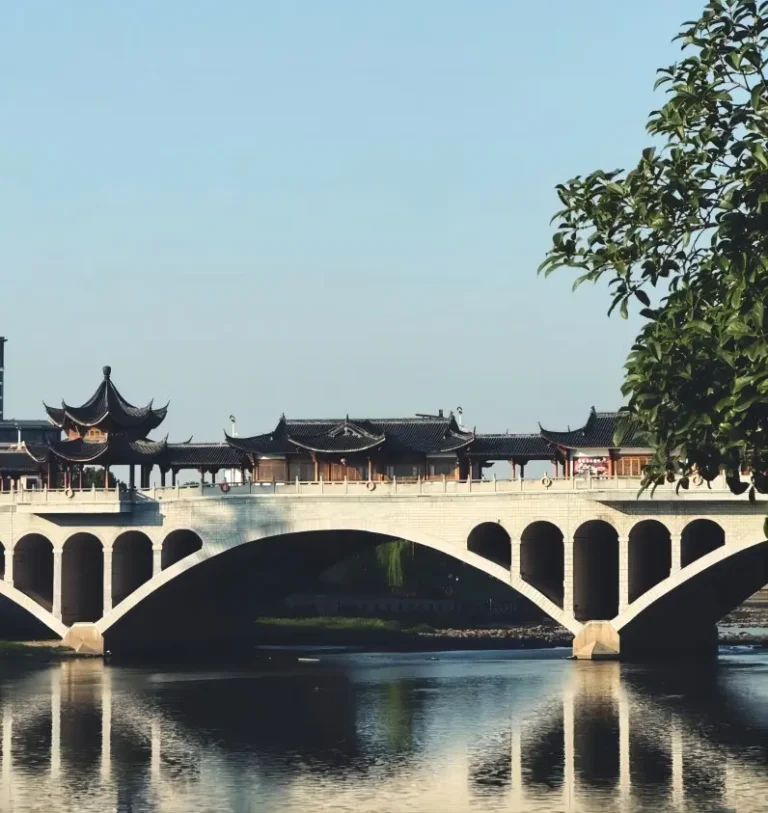
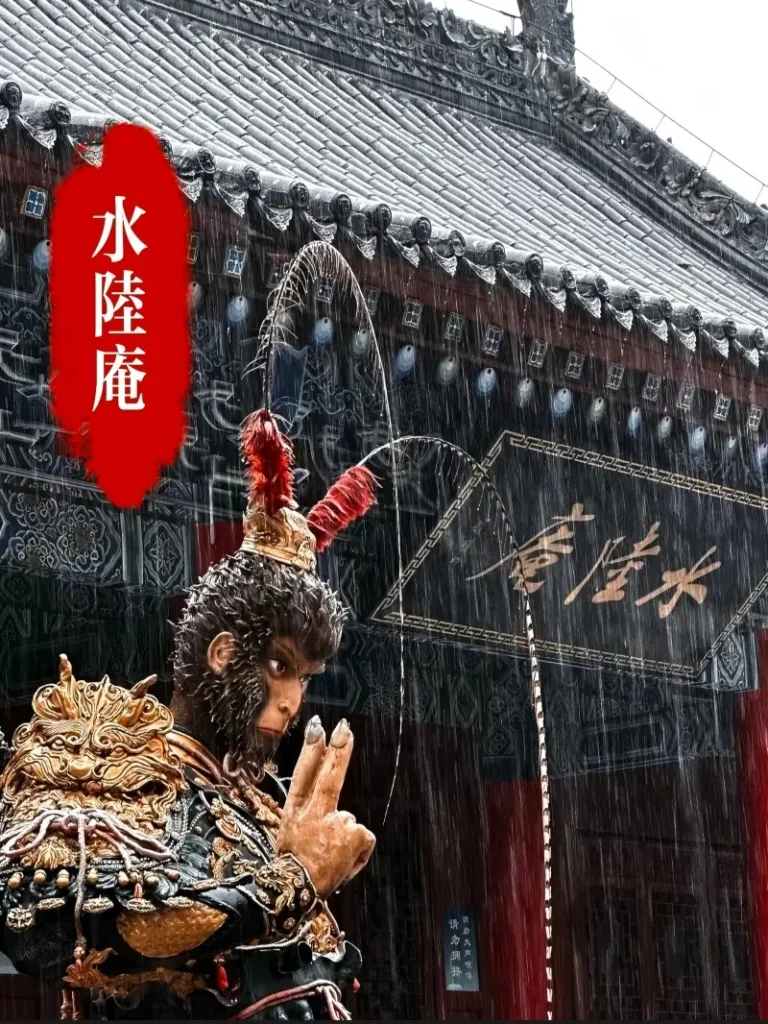
Surrounded by rivers and backed by the Qinling Mountains, this ancient temple is famous for its breathtaking Ming Dynasty clay sculptures and peaceful atmosphere. It also gained international attention as one of the real-life inspirations for the “Little Western Heaven” scenes in Black Myth: Wukong.
Often called the “Second Dunhuang,” Shuilu’an Temple is one of the best places to experience ancient Chinese sculpture art away from crowded tourist spots.
1. Why Shuilu’an Temple Is One of Xi’an’s Hidden Gems
A Peaceful Ancient Temple Near the Qinling Mountains
Shuilu’an Temple is located in Puhua Town, Lantian County, about an hour from downtown Xi’an. Surrounded by water on three sides and backed by the Qinling Mountains, the temple feels calm and isolated from the modern city. Visitors can hear flowing streams and birdsong instead of traffic and crowds.
The temple has a history of more than 1,000 years. Originally connected to Wuzhen Temple during the Sui and Tang Dynasties, it was later rebuilt in the Ming Dynasty by Prince Zhu Huaijuan of Qin, creating the layout visitors see today.
Unlike many heavily commercialized attractions, Shuilu’an Temple has kept its original atmosphere and traditional architecture.
The History Behind Shuilu’an Temple
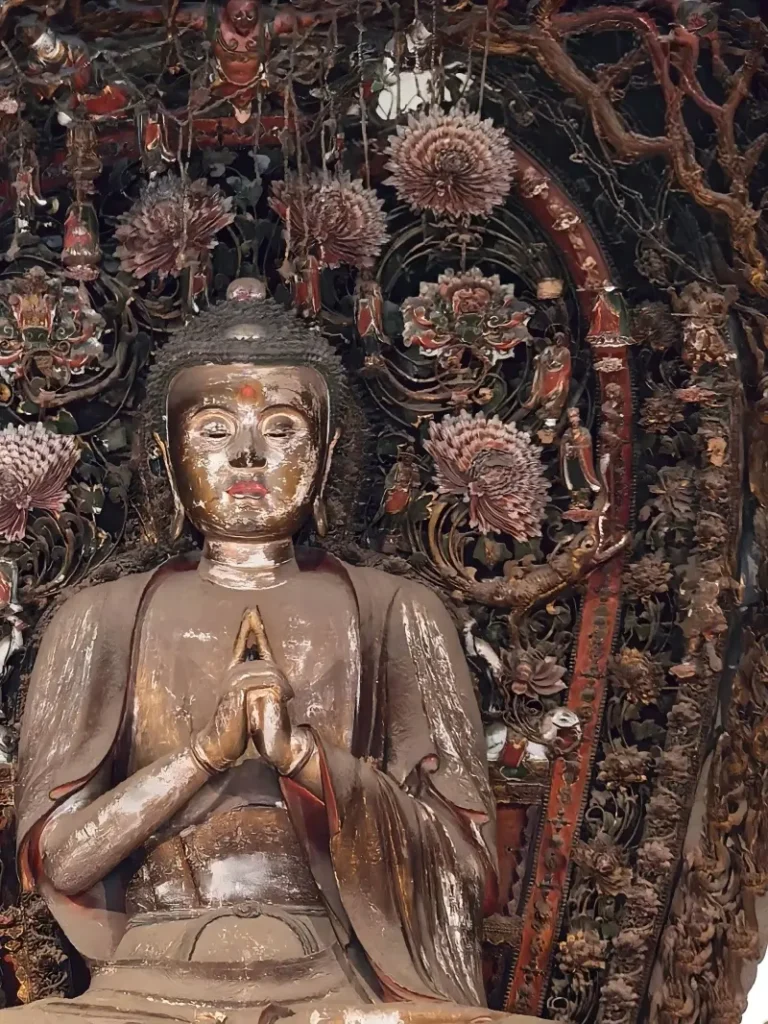
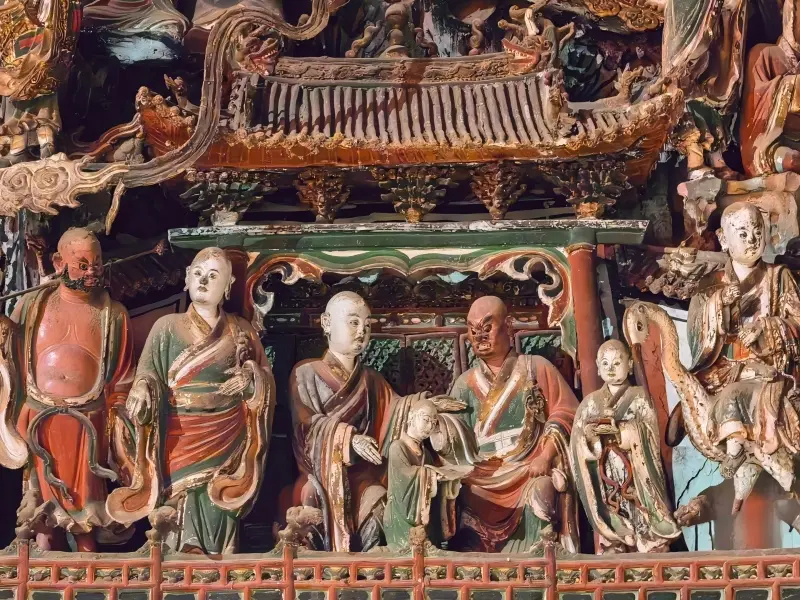
The temple’s greatest treasure is its collection of more than 3,700 painted clay sculptures from the Ming Dynasty, which is why it is often called the “Second Dunhuang.”
Unlike the stone carvings of Mogao Caves, Shuilu’an is famous for delicate clay wall sculptures. The figures are incredibly lifelike, with detailed facial expressions, flowing clothing, and miniature architectural scenes that remain impressive even after hundreds of years.
The temple complex includes three main halls:
- Front Hall: Displays ancient Buddhist stone carvings from the Northern Wei to Tang Dynasties.
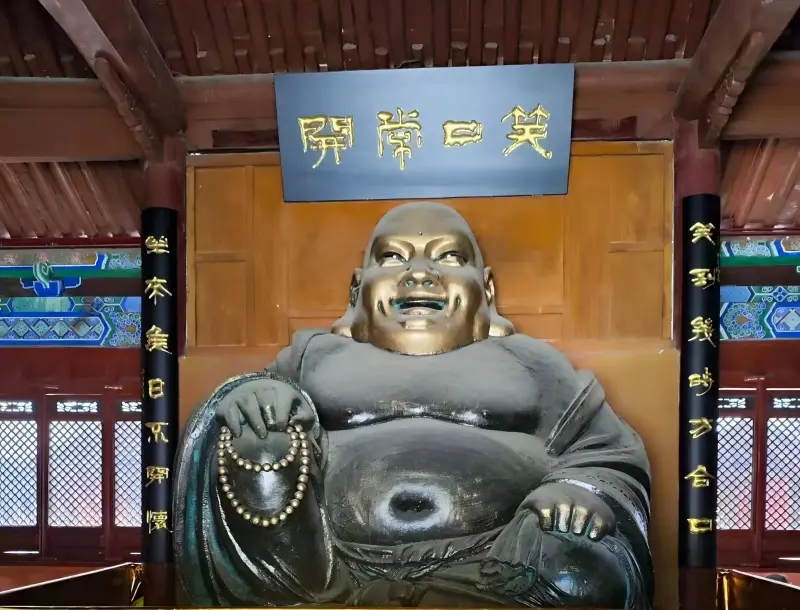
- Middle Hall (Maitreya Hall): Famous for its smiling Buddha statue and traditional Chinese philosophical couplet about tolerance and optimism.
- Main Hall (Shengshui Hall): The highlight of the temple, home to thousands of colorful clay sculptures including the Thousand-Hand Guanyin and Five Hundred Arhats.
A stone inscription inside the hall still records the name of Ming Dynasty craftsman Qiao Zhongjie, a rare surviving signature from an ancient Chinese artisan. Without modern tools, craftsmen created these sculptures entirely by hand, while generations of local people helped preserve them.
Fans of Black Myth: Wukong will also recognize many scenes that inspired the game’s “Little Western Heaven” setting.
2. Shuilu’an Temple Travel Guide for International Visitors
(1) Opening Hours, Tickets, and Best Visiting Time
| Item | Details |
|---|---|
| Admission | Free entry; passport or valid ID required for registration |
| Opening Hours | Peak Season (March–November): 8:30 AM – 5:30 PM; Off Season (December–February): 9:00 AM – 5:00 PM |
| Recommended Visit Time | 1.5–2 hours |
| Best Time to Visit | 9:00–11:00 AM for softer natural light and better visibility inside the halls |
Tip: Avoid rainy days, as the halls become quite dark and sculpture details are harder to see.
(2) How to Get to Shuilu’an Temple from Xi’an
1. By Car (Best Option)
From downtown Xi’an, drive about 60 km to Shuilu’an Temple. The journey takes around 1–1.5 hours with good road conditions. Along the way, visitors can enjoy beautiful countryside views near the Qinling Mountains.
Parking is inexpensive, usually around 5–10 RMB per day, making self-driving the most flexible and convenient option for families or groups.
2. Public Transportation (Budget-Friendly)
There is no direct metro connection, but the route is relatively simple:
Take Xi’an Metro Line 1, 6, or 9 to Fangzhicheng Station, then transfer to the XiLan tourist bus to Lantian County. From there, take Bus Route You 2 directly to the scenic area.
The total transportation cost is usually under 10 RMB.
Tip: Bus intervals can be long, so checking schedules in advance is recommended.
(3) Best Walking Route Inside the Temple
The temple follows a straightforward three-courtyard layout, making it easy for first-time visitors to explore without backtracking.
Recommended Route:
Entrance Gate → Front Hall → Maitreya Hall → Shengshui Hall → Rear Courtyard Viewing Platform
Stop 1: Front Hall (15 minutes)
Start with the stone Buddhist carvings to understand the early artistic background before moving into the more detailed clay sculptures.
Stop 2: Maitreya Hall (20 minutes)
Visit the famous smiling Buddha and philosophical couplet. This hall has bright lighting and is excellent for photos.
Stop 3: Shengshui Hall (40 minutes)
The highlight of the entire temple. Slow down and carefully observe the thousands of clay sculptures, especially the Thousand-Hand Guanyin, Five Hundred Arhats, and Confucian story scenes.
If available, joining the free Chinese-language guide service can greatly enhance the experience.
Stop 4: Rear Courtyard and Riverside (15 minutes)
Climb the small viewing platform to overlook the rivers and Qinling Mountains surrounding the temple. It is one of the best places for photography and quiet reflection.
(4) Photography Tips and Best Scenic Spots
Explore the Ming Dynasty Clay Sculptures Up Close
Observe the fine details of hair, clothing, architecture, and facial expressions. Shuilu’an Temple is considered a living museum of ancient Chinese sculpture, painting, and religious culture.
Recreate Black Myth: Wukong Scenes
Fans of the game can photograph locations that inspired the “Little Western Heaven” environment and enjoy the connection between digital fantasy and real-world history.
Relax by the Riverside
The clear rivers, green plants, and mountain scenery create a peaceful countryside atmosphere rarely found near major tourist cities.
(5) Souvenir and Local Specialty Recommendations
The shops near the temple remain simple and non-commercialized, with very few overpriced tourist products.
Recommended Souvenirs
- Clay sculpture-themed handicrafts
- Buddhist bookmarks
- Qinling Mountain postcards
These items are lightweight, well-made, and meaningful keepsakes.
Local Specialties Near Shuilu’an Temple
- Small Lantian jade accessories
- Local dried fruits and snacks
Prices are generally fair and transparent.
What to Avoid
Avoid buying large stone carvings or questionable “antiques” from roadside sellers, as they are difficult to transport and authenticity is hard to verify.
(6) Helpful Tips for Foreign Travelers
Temple Etiquette
Inside the halls, avoid loud talking, running, or touching the sculptures and stone relics. Flash photography is prohibited to help preserve the ancient artworks.
Clothing Suggestions
Wear simple and respectful clothing suitable for a temple environment. Temperatures near the mountains can change quickly, so bringing a light jacket is recommended.
Visitor Services
Free Chinese-language guided tours are available at scheduled times, but foreign-language guides are currently unavailable. Saving translated materials in advance can improve the experience.
Food and Accommodation
The nearby restaurants mainly serve local farmhouse-style Shaanxi cuisine. Visitors can try local specialties such as Heluo noodles and Youpo noodles at affordable prices.
Most travelers can comfortably return to downtown Xi’an after the visit without staying overnight.
3. Final Thoughts on Visiting Shuilu’an Temple in Xi’an
Xi’an is full of famous historical attractions, but Shuilu’an Temple offers something completely different — quiet beauty, deep history, and emotional power.
There are no flashy commercial performances or endless tourist crowds here. Instead, the temple tells its story through thousands of clay sculptures, flowing rivers, and the peaceful backdrop of the Qinling Mountains. Every sculpture carries the dedication, faith, and artistic spirit of ancient Chinese craftsmen.
If you are tired of crowded tourist routes and want a deeper experience of Chinese sculpture, architecture, and mountain culture, Shuilu’an Temple is a destination worth slowing down for.
Here, among ancient walls, flowing water, and timeless sculptures, visitors can discover a quieter and more authentic side of Xi’an — a hidden masterpiece preserved beside the rivers of the Qinling Mountains.
To explore even more highlights of Xi’an, be sure to check out our guide to the best Xi’an Tourist Attractions!