Moxi Ancient Town Travel Guide: A Time Capsule in Western Sichuan
While many travelers flock to fairy-tale towns in the Alps, there is a lesser-known historic town deep in the mountains of western Sichuan that tells a different story of East meeting West. Moxi Ancient Town, located at the foot of Mount Gongga, is not only the gateway to the famous Hailuogou Glacier, but also a living museum shaped by missionaries, traders, and ancient caravan routes.
Here, Gothic church spires rise beside Tibetan prayer wheels, and the worn flagstone streets still echo stories from the ancient Tea-Horse Road.
Things to See in Moxi Ancient Town
1. Moxi Catholic Church: A Gothic Landmark in the Highlands
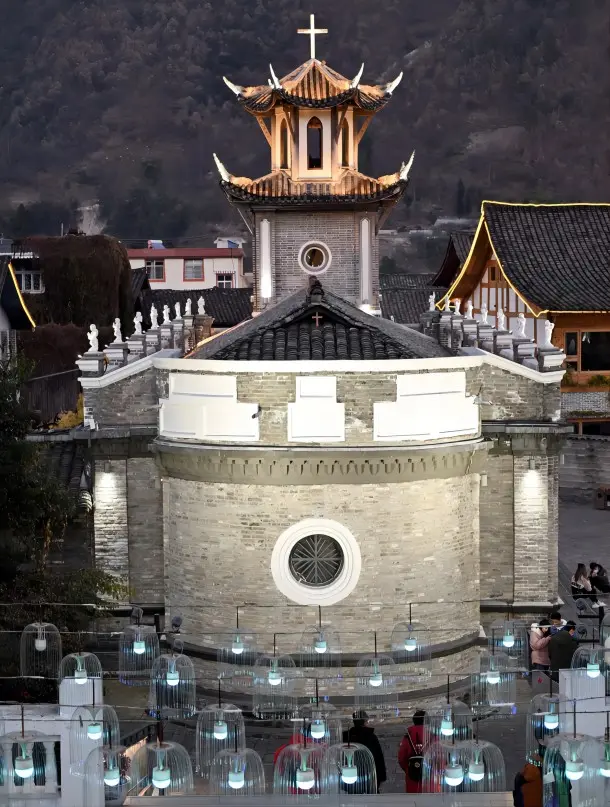
Built in 1918 by French missionaries, Moxi Catholic Church is one of the most unique religious buildings in western China. Its grey-brick bell tower follows Gothic design, while the windows feature traditional Tibetan carvings—a rare architectural fusion.
In 1935, Mao Zedong stayed here during the Long March to hold an important military meeting, adding modern Chinese history to the site’s significance.
Experience tip:
Visit early in the morning when the bells echo through the valley. Inside, you can still see the original table used by the Red Army, and the quiet atmosphere makes the history feel remarkably close.
2. Old Streets of Moxi: Ming and Qing Dynasty Atmosphere
Walking through Moxi’s stone-paved streets feels like stepping back several centuries. Traditional Sichuan wooden houses are decorated with colorful Tibetan motifs, reflecting the town’s position at a cultural crossroads.
In hidden courtyards, you may encounter local artists painting Thangka using mineral pigments sourced from nearby mountains.
Hidden gem:
Look for the “Time Post Office” on a street corner. Visitors can write postcards with a traditional Chinese brush and send them with a special Tibetan-style postmark—a memorable souvenir from Moxi Ancient Town.

Nature & Outdoor Attractions Near Moxi Ancient Town
1. Hailuogou Glacier: A Rare Low-Altitude Glacier
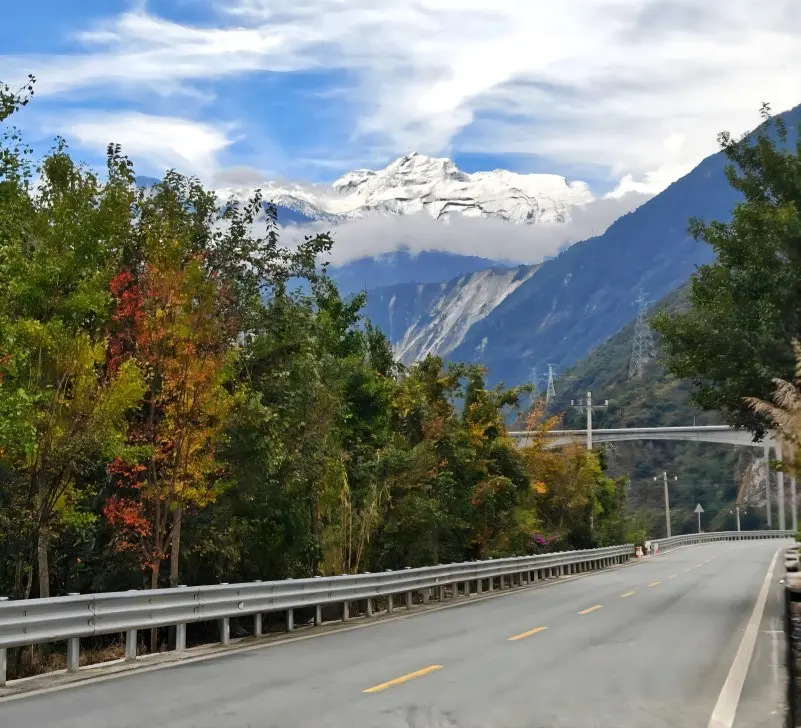
Just a 15-minute drive from town lies Hailuogou Glacier, one of the world’s few easily accessible low-altitude glaciers. A cable car brings visitors up to around 3,000 meters, where a massive ice waterfall stretches down the mountain, with Mount Gongga (7,556 m) towering in the distance.
Adventure tip:
Join a guided glacier walk to explore ice caves while wearing crampons. Bringing a thermos of hot ginger tea is highly recommended.

2. Baihualin Forest: A Botanical “Noah’s Ark”
From April to June, Baihualin (Hundred Flower Forest) bursts into color. The area is home to rare dove trees and ancient alpine azaleas, some of which date back to the Ice Age.
This forest is especially popular with photographers, botanists, and travelers interested in biodiversity in western Sichuan.
What to Eat in Moxi Ancient Town
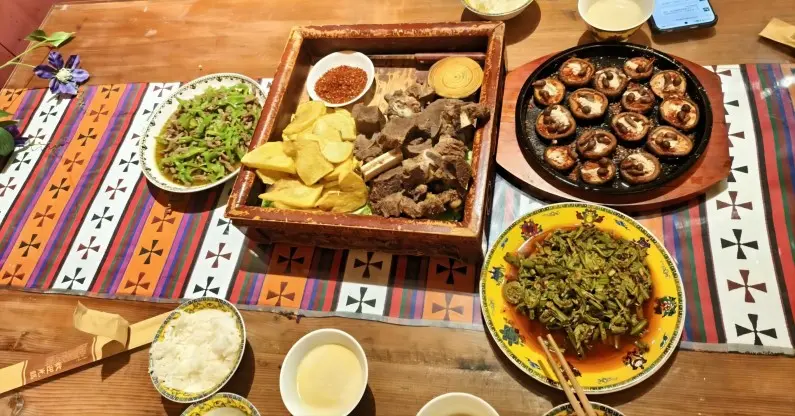
- Yak Meat Hot Pot
Local yak meat is slow-simmered for up to eight hours, producing a rich but clean flavor. Many European travelers compare it to a more intense version of beef stew. Pair it with local barley wine for a warming mountain meal. - Tibetan Afternoon Tea
In small tea rooms, visitors can learn how to prepare yak butter tea and tsampa (roasted barley flour). Local elders often share stories of old trading caravans while you enjoy the snacks.
Cultural Experiences in Moxi
- Traditional Market Day
On the 8th day of each lunar month, Moxi’s main square hosts a lively market. Yi women wear silver jewelry, Tibetan men dance Guozhuang, and visitors are often invited to join in. - Thangka Painting Workshops
Several studios offer hands-on Thangka painting experiences. Under a master’s guidance, you’ll learn how to outline sacred figures using mineral pigments—and you can take your artwork home.
Practical Travel Guide to Moxi Ancient Town
Getting There
- By Car:
From Chengdu, the drive takes about 5 hours via Ya’an and the Erlangshan Tunnel, passing dramatic views of the Dadu River Gorge. - By Bus:
Direct buses depart daily from Chengdu Xinnanmen Station at 7:30 AM. The journey takes around 7 hours.
Travel Tips
- Entrance Fee:
Moxi Ancient Town itself is free.
Hailuogou Glacier Park: ¥90 + ¥70 shuttle bus. - Best Time to Visit:
April–October for mild weather; November–March for snow scenery and nearby hot springs. - Altitude:
Moxi sits at approximately 1,580 meters, making it an excellent base to acclimatize before traveling higher into the mountains.

Conclusion: Where East Meets West
As the sun sets, golden light touches the church spire while prayer wheels spin nearby and distant bells ring through the valley. Moxi Ancient Town does not try to be exotic—it simply reflects its layered past.
As one Swiss traveler wrote, “In Moxi, I touched Europe’s past and China’s future at the same time.”
Before you leave, send a postcard from the old post office and let a blessing from the mountains travel home with you. Furthermore, to explore more highlights of a Sichuan journey, don’t miss our page on Chengdu Tourist Attractions!