Jokhang Temple Travel Guide: The Spiritual Heart of Lhasa
I. Why Jokhang Temple Matters
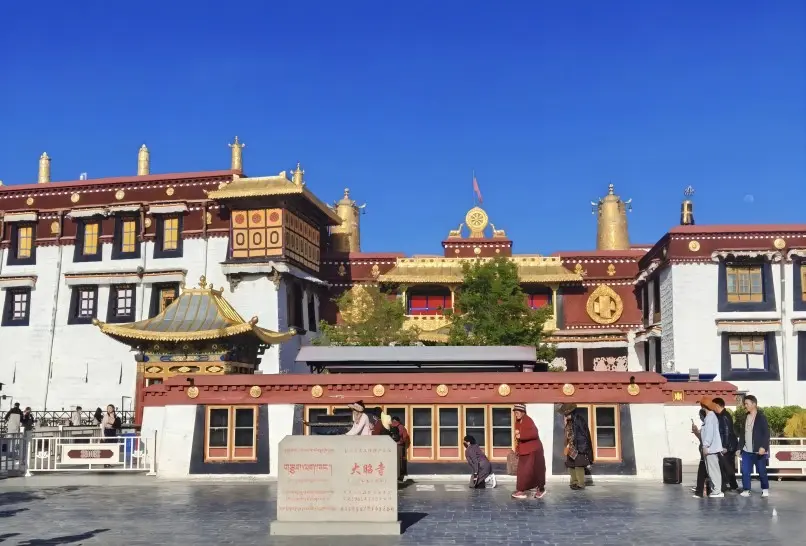
Located in the historic center of Lhasa, Jokhang Temple is the most sacred temple in Tibetan Buddhism. Founded in 647 AD during the reign of Songtsen Gampo, it predates much of the city that surrounds it.
In 2000, Jokhang Temple was inscribed as part of the UNESCO World Heritage Site listing, recognizing its architectural and cultural significance.
A well-known Tibetan saying goes: “First the Jokhang, then Lhasa.” The temple was built to house a revered statue of the Buddha, and over time the city grew outward from this spiritual core. Even today, Jokhang remains the center of religious life in Tibet.
II. What Makes Jokhang Temple Unique
1️⃣ The Jowo Rinpoche Statue
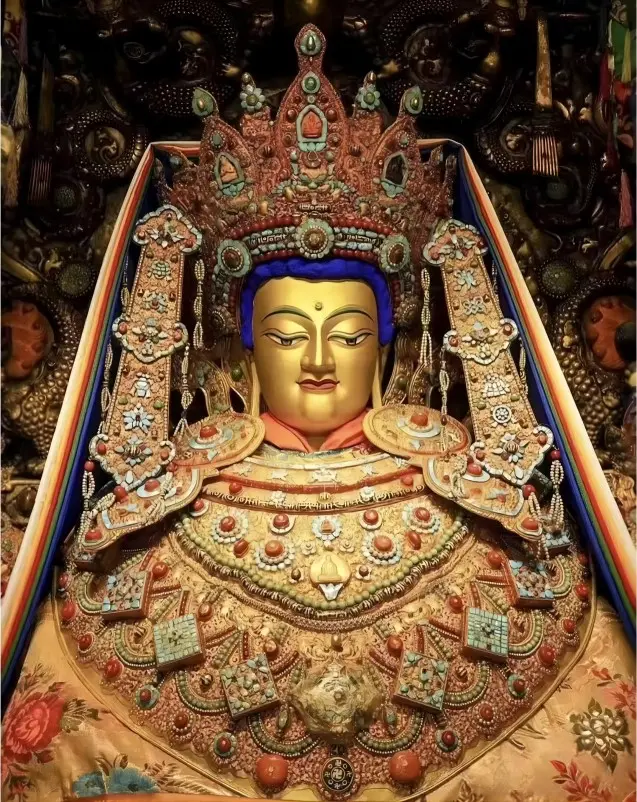
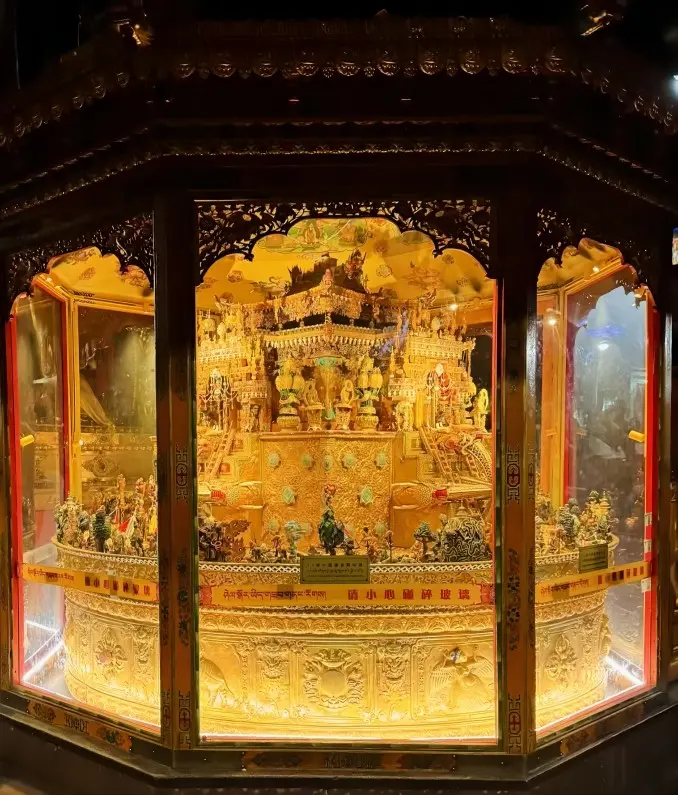
The temple’s most sacred object is the Jowo Rinpoche — a life-sized statue depicting the Buddha at age twelve. Tradition holds that it was brought to Tibet in the 7th century by Princess Wencheng of the Tang Dynasty.
For many Tibetan pilgrims, seeing the Jowo is the ultimate act of devotion. The atmosphere inside the dimly lit chapel — filled with yak butter lamps and whispered prayers — is deeply moving, regardless of personal belief.
2️⃣ A Living Pilgrimage Site
Jokhang is not a museum. It is a living place of worship.
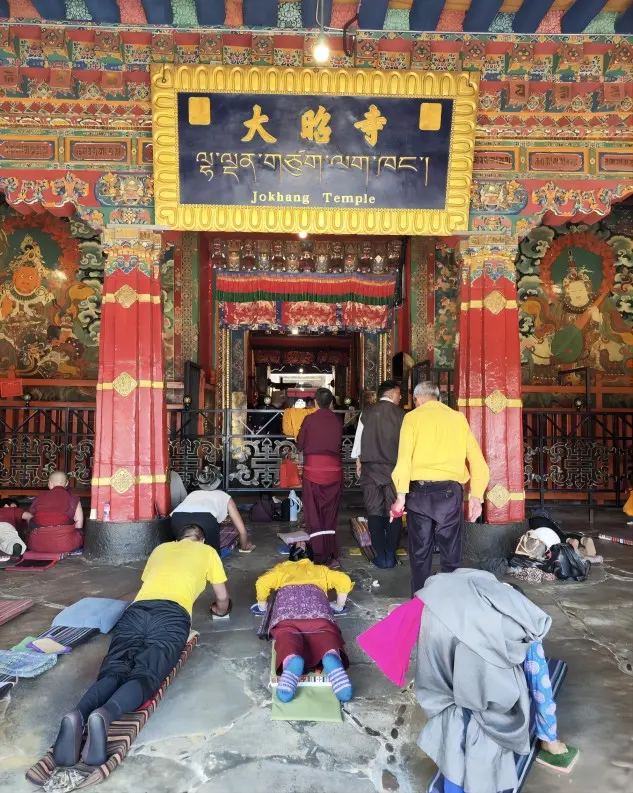
Every day, pilgrims travel from across the Tibetan Plateau to prostrate themselves at its entrance. Many complete full-body prostrations along the sacred circumambulation path around the temple.
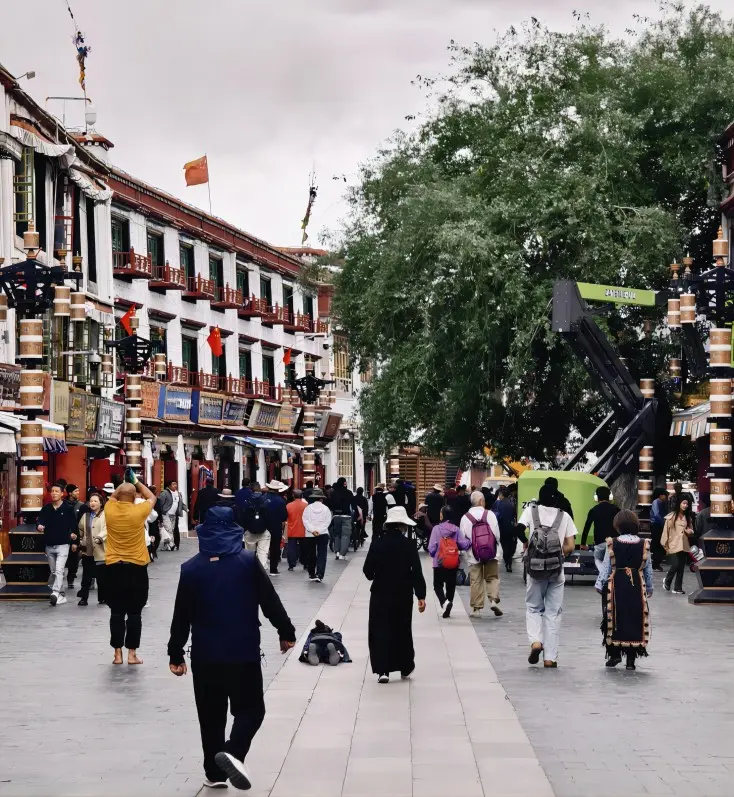
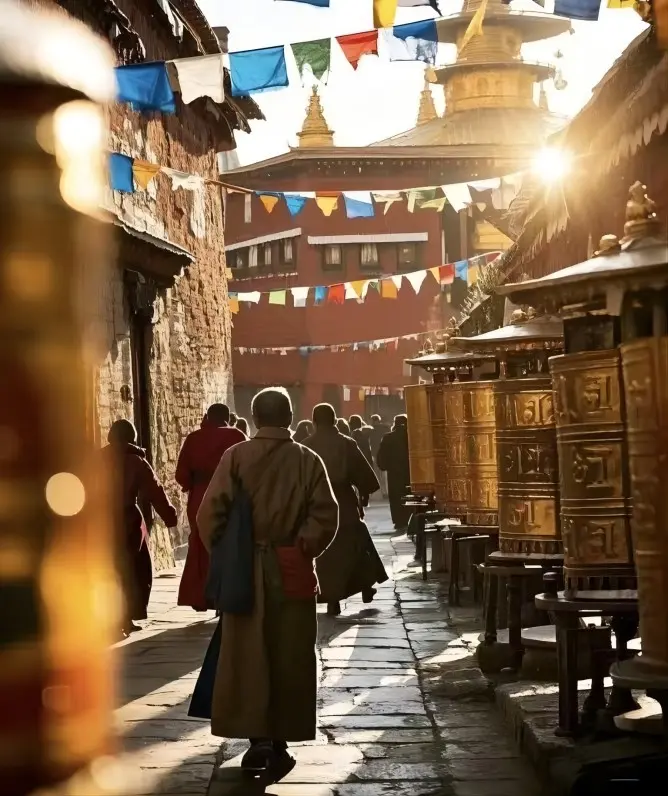
The surrounding Barkhor Street forms the traditional kora (ritual circuit). Walking clockwise with local worshippers offers a rare glimpse into enduring faith in action.
3️⃣ Architecture and Cultural Exchange
The temple’s design reflects centuries of cultural interaction:
- Tang Dynasty structural influence
- Nepalese craftsmanship
- Indian Buddhist symbolism
- Distinct Tibetan decorative elements
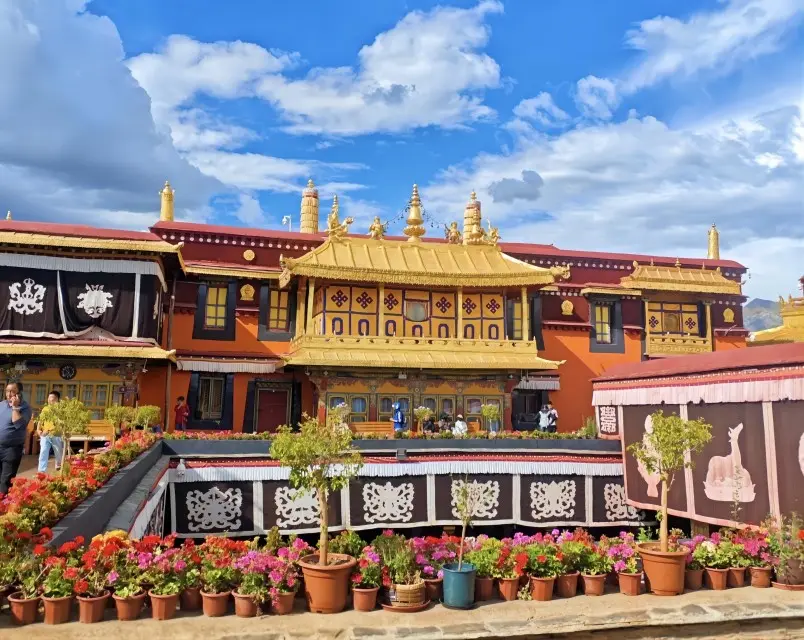
Its golden rooftops, inward-sloping walls, and intricately carved wooden beams make Jokhang one of the finest surviving examples of early Tibetan architecture.
III. Practical Visitor Information
Tickets
- Peak Season (May–Oct): 85 RMB
- Off-Season (Nov–Apr): 35 RMB
Advance booking is typically required via the official mini-program.
Opening Hours
8:30 AM – 6:30 PM
Time Needed
2–3 hours inside the temple, plus additional time for Barkhor Street.
IV. Etiquette and Cultural Awareness
- Always walk clockwise around the temple and within its corridors.
- Dress modestly; shoulders and knees should be covered.
- Photography is strictly prohibited inside the prayer halls.
- Carry passport or ID — security checks are routine in central Lhasa.
- Avoid stepping on door thresholds, which are considered sacred.
Respectful behavior is essential. Jokhang is first and foremost a pilgrimage site.
V. A Balanced One-Day Plan in Old Lhasa
07:30 – Arrive early to observe morning prostrations outside the temple.
09:00 – Enter Jokhang Temple; visit the main assembly hall and rooftop terraces.
12:00 – Lunch along Barkhor Street. Local tea houses offer a glimpse into everyday Tibetan life.
13:30 – Walk the full Barkhor kora with pilgrims.
14:30 – Optional visit to Ramoche Temple, another historic temple about 1 km away.
Late Afternoon – Explore small shops selling thangka paintings, incense, and handcrafted prayer beads.
VI. Why Jokhang Temple Leaves a Lasting Impression
Jokhang Temple is not defined by its size or grandeur. Its power lies in continuity — more than thirteen centuries of uninterrupted devotion.
The scent of butter lamps, the murmur of prayers, the steady rhythm of pilgrims circling the temple — these elements create an atmosphere that is both intimate and immense.
For travelers seeking to understand Tibetan Buddhism beyond surface imagery, Jokhang is not just a stop in Lhasa. It is the spiritual pulse of the city. Jokhang Temple is just one of many iconic Buddhist sites across the country—if you’d like to explore more, this guide to famous temples in China offers a broader perspective.