Xiamen Travel Guide 2026: Best Things to Do, Food & 3-Day Itinerary
I. Why Visit Xiamen? (Important Tips Before Your Trip)
If you are planning your first trip to China and looking for a relaxing coastal city, Xiamen is one of the best choices. If you’re interested in discovering more places experiencing a surge in international visitors, check out our guide to China’s Top Rising Destinations for 2026.
Located in southeastern China’s Fujian Province, Xiamen combines beautiful seaside scenery, historic neighborhoods, traditional Southern Fujian culture, and some of the most unique local foods in China.
The city is best known for the charming island of Gulangyu, peaceful coastal roads, colorful old streets, and its laid-back lifestyle. Unlike some of China’s larger cities, Xiamen offers a slower pace that allows travelers to enjoy both modern city life and authentic local culture.
From walking through historic arcades and tasting a bowl of Shacha noodles to cycling along the coastline at sunset, Xiamen offers many of the experiences international travelers hope to find in China.
Thanks to improved international connections and more convenient travel policies, Xiamen has become increasingly popular among overseas visitors.
⚠️ Important Notice for Foreign Travelers
If you plan to visit Xiamen during major Chinese holidays, such as:
- Chinese New Year (Spring Festival)
- Labor Day holiday (May 1)
- National Day Golden Week (October 1)
you should book your trip well in advance.
During these peak travel periods:
- Flights become much more expensive and may sell out quickly.
- Hotels and guesthouses often increase prices.
- Popular attractions require advance reservations.
For example, ferry tickets to Gulangyu Island and reservations for places such as Xiamen Botanical Garden or Xiamen University can become unavailable during busy seasons.
For holiday trips, we recommend:
- Booking flights and accommodation at least 30 days ahead.
- Reserving attraction tickets 3–7 days before your visit.
- Checking reservation requirements before visiting popular attractions.
Planning ahead will help you avoid long waits or being unable to enter certain attractions.
II. Xiamen Transportation & Accommodation Guide
1. How to Get to Xiamen
By Air: Xiamen Gaoqi International Airport (XMN)
Xiamen Gaoqi International Airport is located on Xiamen Island, close to the city center.
For international travelers, it is the most convenient arrival option.
After landing, you can reach downtown by:
- Metro Line 1
- Airport shuttle buses
- Ride-hailing services
The journey to central areas such as Zhongshan Road usually takes around 20–40 minutes depending on traffic.
Travel tip: Keep checking your flight information before departure, as international routes may change when the new Xiang’an Airport becomes operational in the future.
By High-Speed Rail
China’s high-speed railway system makes Xiamen easy to reach from major cities such as Shanghai, Guangzhou, Shenzhen, and Fuzhou.
Xiamen Railway Station (Best Choice for Tourists)
Located in Siming District, Xiamen Railway Station is the most convenient station for travelers.
It is close to:
- Zhongshan Road Pedestrian Street
- Gulangyu ferry terminals
- Shapowei Art Zone
- Many hotels and restaurants
If your trip focuses on Xiamen’s main attractions, this station is usually the best choice.
Xiamen North Railway Station
Xiamen North Railway Station is located in Jimei District, outside Xiamen Island.
Although it serves more high-speed train routes, it is farther from the main tourist areas.
The journey to downtown usually takes about 35–40 minutes by Metro Line 1.
If your itinerary mainly includes Gulangyu Island, the Old Town, and coastal attractions, try to choose trains arriving at Xiamen Railway Station instead.
2. Getting Around Xiamen
Metro
Xiamen’s metro system is clean, convenient, and easy for international visitors to use.
Metro Lines 1, 2, and 3 connect most major attractions.
Visitors can use:
- Alipay transportation services
- Local transport mini-programs
- Metro ticket machines
One experience you should not miss is Metro Line 1’s sea-crossing section. The train travels across the Gaoji Sea Seawall, offering unique views of the water and coastline.
Buses & BRT
Xiamen’s buses are inexpensive and cover many areas that are not directly connected by metro.
The city’s BRT (Bus Rapid Transit) system operates on dedicated elevated lanes, helping passengers avoid traffic congestion.
It is a great option for budget travelers.
Ferries to Gulangyu Island
Taking a ferry is the only way to reach Gulangyu Island.
Foreign visitors should purchase tickets through official platforms:
- “Yujian Xiamen” mini-program
- “Xiamen Ferry +” mini-program
A round-trip ticket from International Cruise Center Xiagu Wharf to Sanqiotian Wharf costs around 35 RMB.
Avoid unofficial ticket sellers or street scalpers.
For first-time visitors, Sanqiotian Wharf is the recommended arrival point because it is closer to the island’s main attractions.
E-Bike Rentals
Cycling along Huandao Road (Ring Road) is one of the most enjoyable experiences in Xiamen.
Rent an e-bike, follow the coastline, stop for photos, and enjoy the sea breeze—especially around sunset.
Taxis & Ride-Hailing
Ride-hailing apps are widely available and provide clear pricing.
However, traffic can become heavy during rush hours, especially around popular tourist areas.
For short distances, walking, cycling, or public transportation is often faster.
3. Where to Stay in Xiamen (Best Areas for Different Travelers)
Choosing the right neighborhood can make your Xiamen trip much easier. The city’s main attractions are spread across different areas, so staying in a convenient location will save you a lot of travel time.
Zhongshan Road / Zhenhai Road Area
⭐ Best Choice for First-Time Visitors
For most international travelers visiting Xiamen for the first time, this is the most convenient area to stay.
✅ Pros:
Located in the heart of Xiamen’s old town, this area is within walking distance of:
- Zhongshan Road Pedestrian Street
- Eighth Market (Bashi Seafood Market)
- Gulangyu ferry terminals
- Shapowei Art Zone
You will find plenty of:
- Hotels at different price levels
- Local restaurants
- Cafes and shops
- Night markets and street food
It is especially convenient if you enjoy exploring cities on foot.
❌ Cons:
- Hotel prices increase during public holidays.
- Some street-facing rooms can be noisy at night.
🎯 Best For:
Travelers staying 2–4 days who want easy transportation, local food, and a lively atmosphere.
Huandao Road / Ring Road Area
⭐ Best for Beach Lovers & Relaxing Vacations
If your ideal Xiamen trip involves ocean views, sunsets, and a slower pace, this area is a great choice.
✅ Pros:
The area faces the sea directly and offers:
- Beautiful beaches
- Coastal walking paths
- Sea-view hotels and guesthouses
- Amazing sunset views
It is one of the best places in Xiamen to enjoy the city’s natural beauty.
❌ Cons:
- Farther from Gulangyu Island and the Old Town.
- You will need taxis or buses for most sightseeing trips.
🎯 Best For:
Couples, families, and travelers looking for a relaxing seaside holiday.
Shapowei / Xiamen University Area
⭐ Best for Art, Culture & Photography
This neighborhood combines old Xiamen charm with a modern creative atmosphere.
✅ Pros:
Located near:
- Xiamen University
- Nanputuo Temple
- Shapowei Art Zone
The area is filled with:
- Independent cafes
- Creative shops
- Art spaces
- Interesting photo spots
It is a great place to experience the younger and more artistic side of Xiamen.
❌ Cons:
- Popular guesthouses can sell out quickly.
- Some rooms are relatively small.
🎯 Best For:
Creative travelers, photographers, and visitors who enjoy cultural experiences.
Areas We Do Not Recommend for Long Stays
Zengcuo’an Main Street
Zengcuo’an is a popular stop for tourists, with many snack shops and small stores.
However, the area can become crowded and commercialized, especially during peak seasons.
It is better for a short visit rather than a base for your entire trip.
Xiamen North Railway Station Area & Jimei District
These areas are convenient for transportation but far from Xiamen Island’s main attractions.
They work well for:
- Business trips
- Short stopovers
- Travelers catching early trains
but are not ideal for a first Xiamen vacation.
Gulangyu Island
Staying overnight on Gulangyu can be a special experience, but it is not suitable for everyone.
Keep in mind:
- Hotels are usually more expensive.
- Cars are not allowed on the island.
- You must carry your luggage on foot.
A one-night stay is enough for most travelers who want to experience the island’s quiet evening atmosphere.
💡 Accommodation Tip:
International travelers should choose established hotels whenever possible. Many large hotel chains accept foreign passports more smoothly. Before booking, check whether the hotel provides English service and accepts overseas guests.
Top 4 Things to Do in Xiamen
1. Gulangyu Island (UNESCO World Heritage Site)
Why Visit:
Gulangyu is Xiamen’s most famous attraction and one of China’s most charming islands.
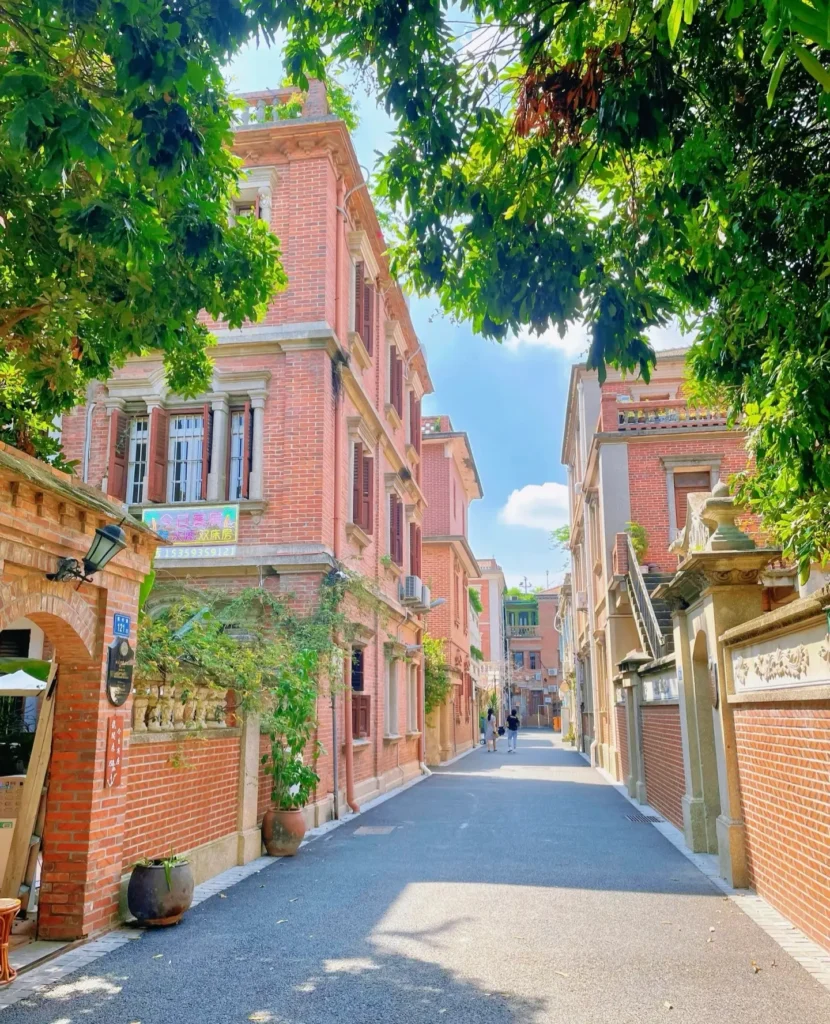
Often called the “Garden on the Sea,” the island is known for its peaceful streets, historic villas, and unique blend of Chinese and Western architecture.
Because motor vehicles are not allowed, visitors explore the island entirely on foot.
Walking through the narrow lanes, you will discover:
- Southern Fujian red-brick houses
- Western-style villas
- Former foreign settlements
- Quiet gardens and coastal views
The island contains more than a thousand historic buildings, making it one of the best places in China to experience architectural diversity.
Main Highlights:
Sunlight Rock (Riguang Rock)
The highest point on Gulangyu, offering panoramic views of the island, Xiamen city skyline, and the ocean.
Shuzhuang Garden
A beautiful traditional Chinese garden famous for its clever ocean views and the Piano Museum.
Organ Museum
A unique museum featuring historic organs from around the world.
The Most Beautiful Corner
One of the island’s most popular photography spots.
Gangzaihou Beach
A relaxing place to enjoy the sea after exploring the streets.
Travel Tips:
- Spend at least half a day here; a full day is even better.
- Wear comfortable walking shoes.
- Book ferry tickets in advance, especially on weekends and holidays.
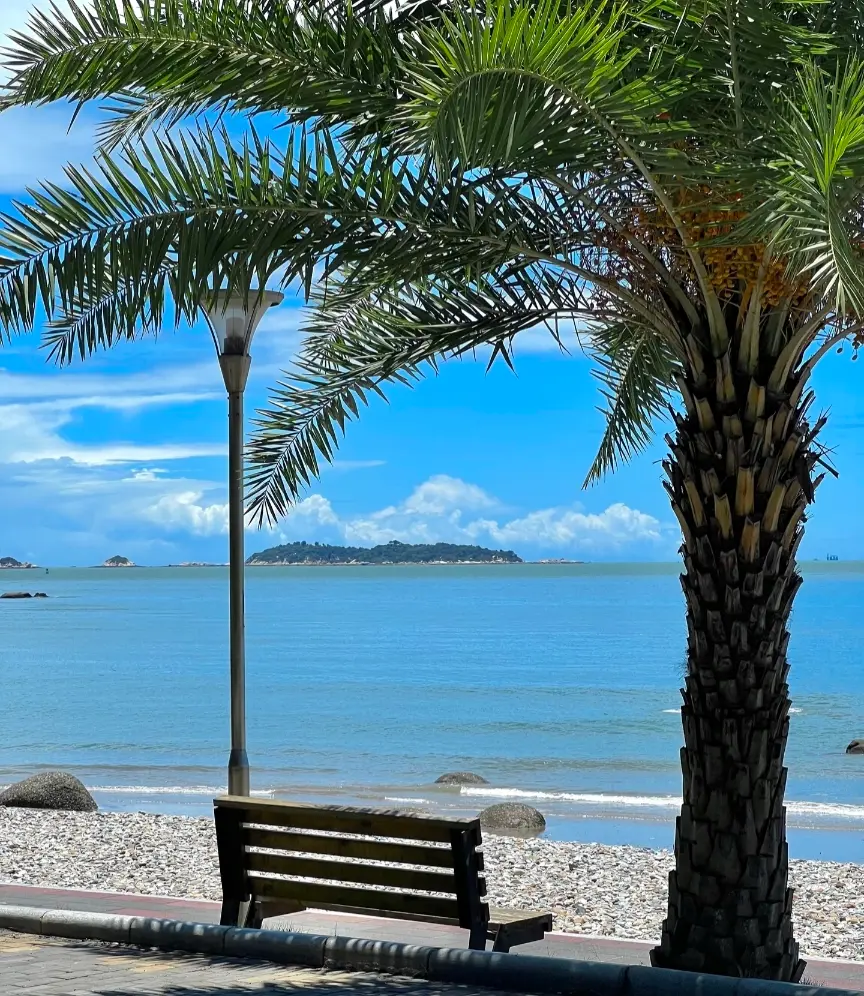
2. Huandao Road (Ring Road) — Xiamen’s Scenic Coastline
Why Visit:
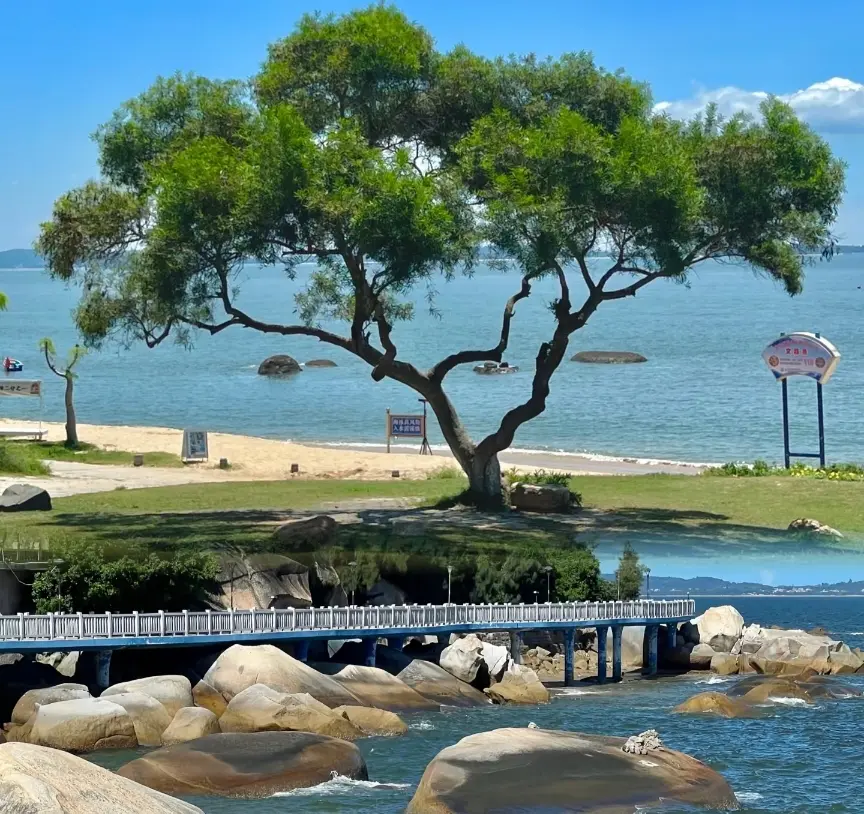
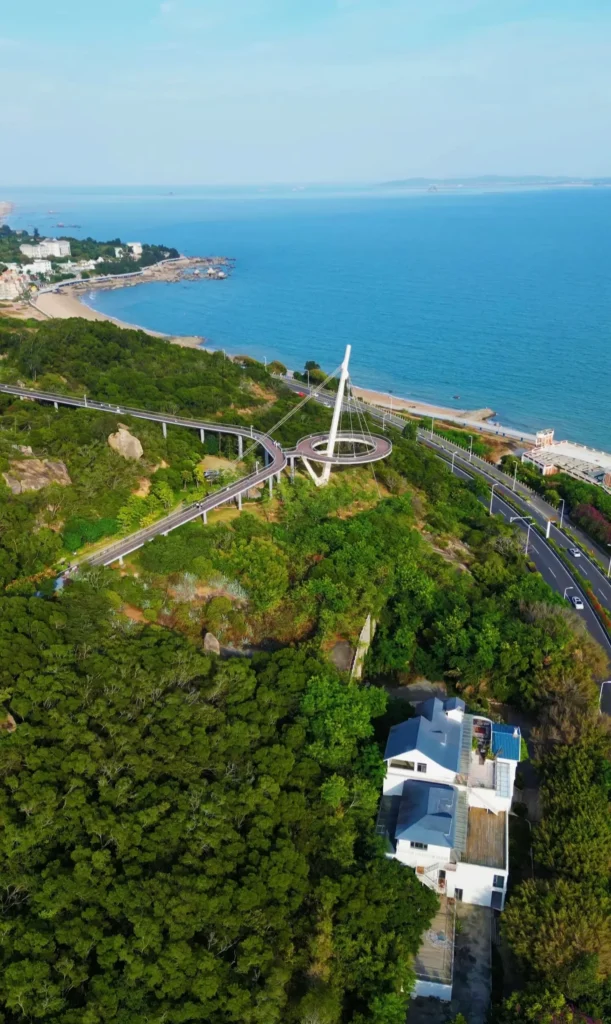
Huandao Road is one of the best places to experience Xiamen’s coastal lifestyle.
With the ocean on one side and green hills on the other, the road offers some of the city’s most beautiful scenery.
What to Do:
Rent a bicycle or e-bike and ride along the coast.
A popular route is:
Zengcuo’an → Baicheng Beach → Huangcuo Beach
Along the way, you can:
- Stop for photos
- Watch fishermen and local life
- Relax by the beach
- Enjoy the sunset
It is especially beautiful in the late afternoon.
3. Nanputuo Temple
Why Visit:
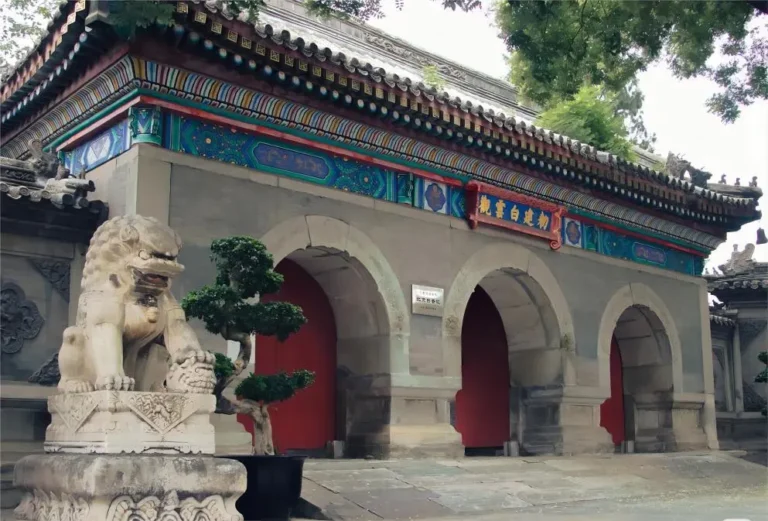
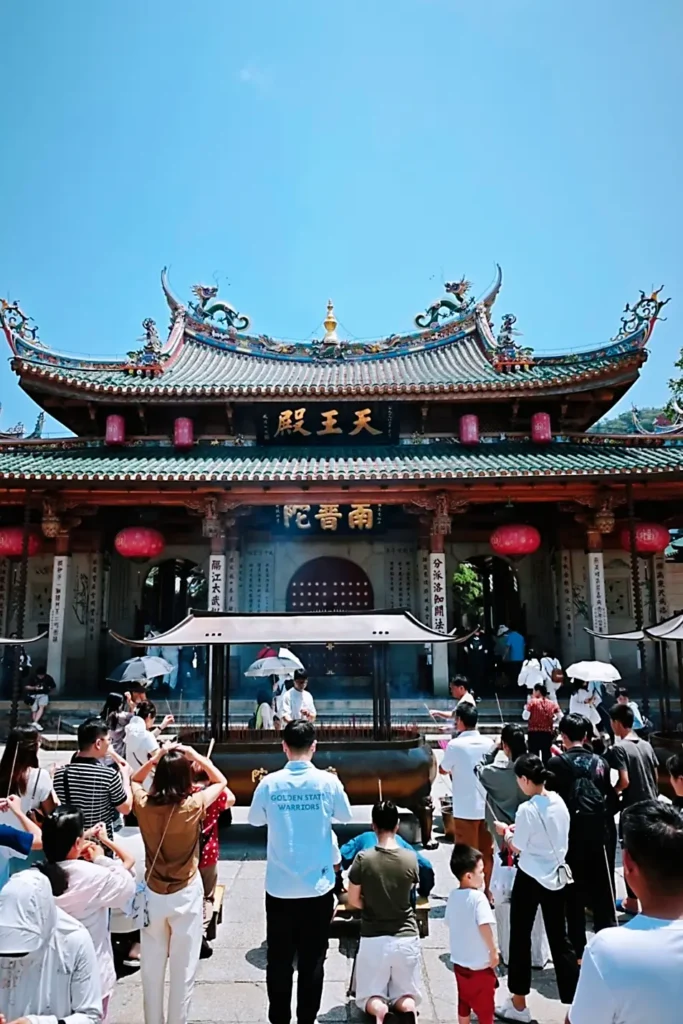
Located next to Xiamen University, Nanputuo Temple is one of the most famous Buddhist temples in southern Fujian.
Unlike some highly commercialized temples, Nanputuo still maintains a peaceful and traditional atmosphere.
Visitors can admire:
- Classic Chinese temple architecture
- Beautiful mountain scenery
- Traditional Buddhist culture
Main Highlights:
Temple Halls
The main halls feature traditional decorations and religious artwork.
Wulao Peak
Behind the temple, Wulao Peak provides a short but rewarding hike.
From the top, you can see:
- Xiamen University
- Twin Towers
- The coastline
Don’t miss trying:
Nanputuo Vegetarian Cakes
They are one of the temple’s most famous souvenirs.
Visitor Tips:
- Admission is free.
- Dress respectfully when visiting.
- Avoid overly revealing clothing.
- Follow local temple customs.

4. Shapowei Art Zone & Shelter Dock
Why Visit:
Shapowei represents the contrast between old and new Xiamen.
Once a traditional fishing harbor, this area has transformed into a creative neighborhood while keeping its original seaside character.
Today you can see:
- Fishing boats on the water
- Old harbor streets
- Art galleries
- Cafes
- Independent designer shops
What to Do:
Shapowei is best explored slowly.
Walk around the harbor, enjoy a coffee, browse small shops, and watch local life.
At sunset, the combination of:
- Fishing boats
- Ocean views
- Twin Towers skyline
creates one of the most memorable scenes in Xiamen.
A Taste of Xiamen: 5 Local Foods You Must Try
Food is one of the best ways to understand Xiamen.
The city’s cuisine is part of Southern Fujian (Min’nan) food culture, known for fresh seafood, delicate flavors, and unique ingredients from the sea.
While famous restaurants are easy to find, some of the best food experiences are hidden in small shops, local markets, and neighborhood streets.
1. Shacha Noodles (Satay Noodles) — Xiamen’s Signature Dish
What It Is:
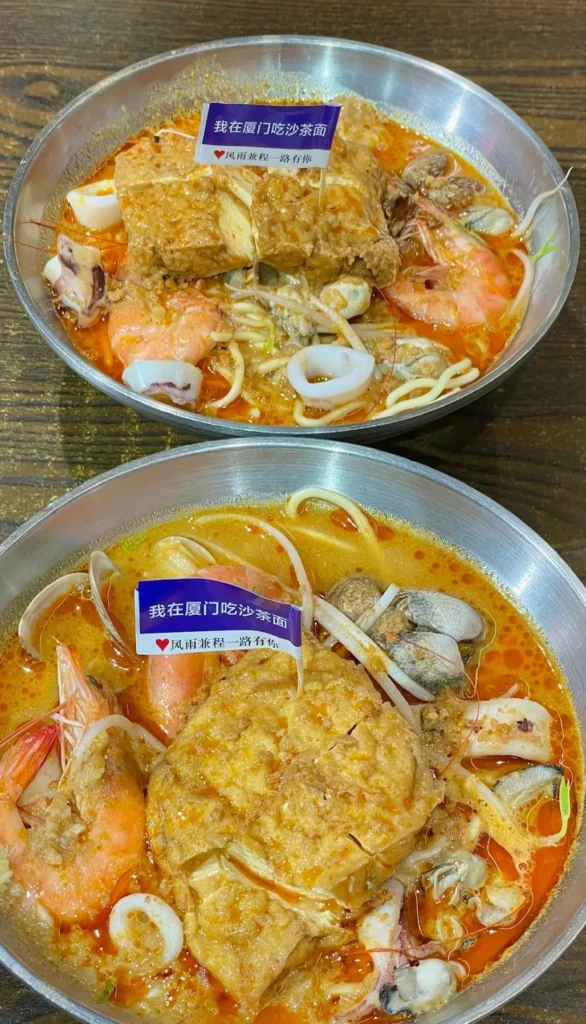
Shacha noodles are one of Xiamen’s most iconic local dishes.
The noodles are served in a rich broth made with shacha sauce, a special blend influenced by Southeast Asian flavors.
The soup usually includes:
- Shrimp
- Squid
- Fish balls
- Tofu puffs
- Pork slices
- Vegetables
The result is a bowl with a deep seafood flavor, a slightly spicy aroma, and a satisfying savory taste.
Why Try It:
For many visitors, Shacha noodles are the first dish that introduces them to Xiamen’s unique food culture.
The combination of rich broth, fresh seafood, and chewy noodles creates a flavor experience that is very different from typical Chinese noodle dishes.
2. Oyster Omelet (Haiganjian) — A Classic Min’nan Street Food
What It Is:
Oyster omelet is a popular dish throughout southern Fujian and Taiwan.
Fresh oysters are mixed with:
- Sweet potato starch batter
- Eggs
- Vegetables
The mixture is pan-fried until the outside becomes crispy while the inside stays soft and flavorful.
It is usually served with a sweet chili sauce.
Why Try It:
The most memorable part of oyster omelet is its texture.
The crispy outside, tender oysters, and slightly chewy batter create a combination that many first-time visitors find surprisingly unique.

3. Worm Jelly (Tusun Dong) — A Unique Local Delicacy
What It Is:
Despite its unusual name, Tusun Dong is one of Xiamen’s most traditional snacks.
It is made from sipunculid worms (peanut worms) collected from coastal areas.
After boiling, the natural collagen creates a jelly-like texture when cooled.
It is usually served cold with:
- Garlic
- Soy sauce
- Chili sauce
- Mustard
Why Try It:
Tusun Dong may look unfamiliar at first, but it is considered a local specialty with a refreshing taste and unique texture.
For adventurous travelers, trying it can become one of the most memorable food experiences in Xiamen.

4. Braised Duck with Ginger (Jiangmu Ya)
What It Is:
Jiangmu Ya is a traditional Southern Fujian dish made by slowly braising duck with:
- Fresh ginger
- Sesame oil
- Chinese herbs and seasonings
The cooking process creates tender meat with a rich aroma.
Why Try It:
Unlike lighter seafood dishes, braised duck offers a deeper and more comforting flavor.
The meat is tender, flavorful, and pairs perfectly with steamed rice.
It is a great choice for travelers looking for authentic local comfort food.

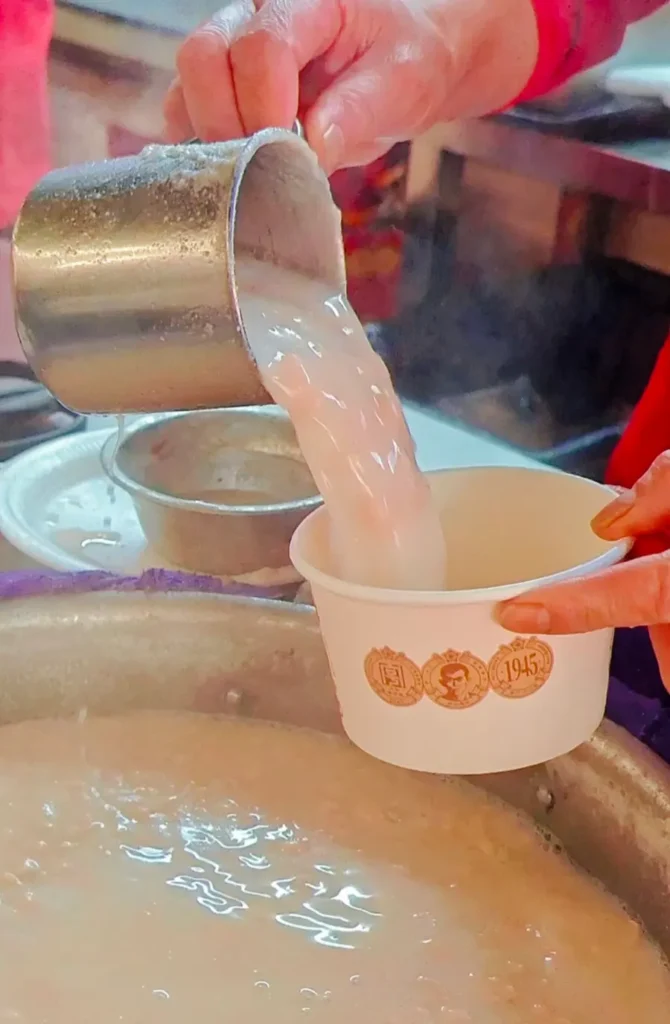
5. Peanut Soup — A Gentle Sweet Dessert
What It Is:
Peanut soup is a traditional Xiamen dessert made by slowly cooking peeled peanuts until they become soft and almost melt in your mouth.
The soup is:
- Lightly sweet
- Smooth
- Warm and comforting
Locals often enjoy it for breakfast or as a late-night snack.
Why Try It:
Compared with many Western desserts, peanut soup is simple and subtle.
It represents the softer and sweeter side of Southern Fujian cuisine.
Where to Eat in Xiamen?
Eighth Market (Bashi) — The Best Place for Local Food
If you only have time to visit one food area in Xiamen, choose Eighth Market (Bashi).
This traditional seafood market is one of the best places to experience everyday local life.
Here you can find:
- Fresh seafood
- Local snacks
- Small restaurants
- Street food
Compared with some tourist areas, prices are usually more reasonable and the atmosphere feels much more authentic.
Xiamen 3-Day Itinerary: A Relaxed Route for First-Time Visitors
For first-time visitors, we recommend staying near:
Zhongshan Road / Zhenhai Road
This location provides easy access to:
- Gulangyu ferry terminals
- Old Town streets
- Local food markets
- Major attractions
Day 1: Old Town, Culture & Coastal Sunset
Morning:
Visit Nanputuo Temple.
The temple is free to enter and offers a peaceful introduction to southern Chinese Buddhist culture.
After visiting, walk to Shapowei Art Zone.
Explore:
- Old fishing harbor streets
- Creative shops
- Cafes
- Waterfront views
Enjoy a lunch of Shacha noodles nearby.
Afternoon:
Head to Huandao Road.
Recommended stops:
- Baicheng Beach
- Huangcuo Beach
Rent a bicycle or e-bike and enjoy the coastline.
Evening:
Return to the Old Town.
Walk through:
- Zhongshan Road
- Historic arcade buildings
- Local food streets
For dinner, visit Eighth Market (Bashi) and try:
- Oyster omelet
- Tusun Dong
- Fried meat rolls (Wuxiang Juan)
Day 2: Full-Day Gulangyu Island Experience
Morning:
Take an early ferry from:
Xiamen International Cruise Center → Gulangyu Island
Starting early helps you avoid crowds.
Recommended Walking Route:
Sanqiotian Wharf
→ Most Beautiful Corner
→ Organ Museum
→ Sunlight Rock
→ Shuzhuang Garden & Piano Museum
Lunch:
Try local snacks around:
Longtou Road
This is the island’s busiest food street.
Afternoon:
Slow down and explore the island’s quieter areas.
Recommended activities:
- Walk through historic alleys
- Visit old villas
- Relax at Gangzaihou Beach
- Enjoy the island atmosphere
Evening:
Return to downtown Xiamen.
Enjoy a traditional dinner with:
Braised Duck with Ginger (Jiangmu Ya)
Day 3: Coastline Views & Jimei Cultural Area
Morning:
Wake up early and visit:
Huangcuo Beach
It is one of the best places in Xiamen to watch the sunrise.
After that, take Metro Line 1 across the sea section for a unique local experience.
Continue to:
Jimei School Village
Explore:
- Dragon Boat Pool
- Aoyuan Park
- Jimei Dashe Village
For lunch, try affordable local snacks around:
Shigu Road
Afternoon:
Visit:
Xili Long Dike (Ten-Mile Causeway)
It is a peaceful place to:
- Walk by the water
- Listen to street musicians
- Watch the sunset
Flexible Planning Tips
Weather can affect your itinerary, especially during typhoon season.
If you encounter:
- Heavy rain
- Strong winds
- Typhoons
consider changing the order of attractions.
If you feel tired on Day 3, it is completely fine to skip Jimei and spend more time enjoying:
- Cafes
- Shopping
- Old Town streets
Xiamen is a city best enjoyed at a slower pace.
Best Time to Visit Xiamen
March–May & September–November
⭐ Best Overall Travel Season
These months offer:
- Comfortable temperatures
- Lower humidity
- Pleasant sunshine
- Good conditions for walking and photography
They are ideal for exploring Gulangyu Island and cycling along the coast.
June–August
Summer Season
Summer in Xiamen is hot and humid.
Travelers should prepare for:
- Strong sunlight
- High UV levels
- Occasional typhoons
Always check weather forecasts before outdoor activities.
December–February
Mild Winter
Xiamen has a warm winter compared with northern China.
It is a good destination for travelers escaping colder climates.
However:
- The sea is too cold for swimming.
- Some coastal activities may be less enjoyable.
Final Thoughts: Is Xiamen Worth Visiting?
Absolutely.
Xiamen offers a rare combination of:
- Beautiful coastline
- Historic architecture
- Traditional Southern Fujian culture
- Unique local cuisine
- A relaxed city atmosphere
Whether you are interested in photography, history, food, or simply enjoying a slower side of China, Xiamen is one of the best coastal destinations for international travelers.