Xi’an Food Streets Guide: 4 Districts, 4 Ways to Eat (Muslim Quarter, Yongxing Market, Night Markets & Historic Brands)
An absolute practical handbook for international travelers: Muslim Quarter · Yongxing Market · Night Markets · Historic Heritage Restaurants
1.Where to Eat in Xi’an: 4 Distinct Types of Food Hubs
Xi’an is a powerhouse of Chinese culinary heritage, with incredible eats scattered all across the city. However, navigating the top Xi’an food streets can feel overwhelming for first-time visitors. The vast majority of iconic dishes are concentrated in four distinct types of dining hubs, each offering a completely unique vibe. This practical guide breaks down where to go, what to expect, and how to fit these iconic food districts seamlessly into your travel itinerary.
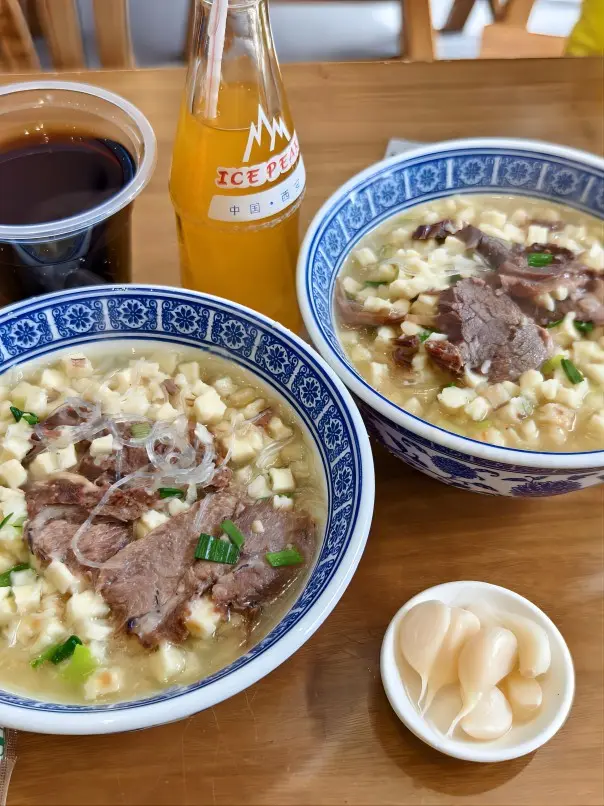
- Muslim Quarter (Huifang): The epicenter of Xi’an’s Islamic Halal cuisine. The ultimate stronghold for Yangrou Paomo (Mutton Bread Soup), Laji Roujiamo (Cured Beef Burgers), and charcoal-grilled skewers. Vibrant from morning till late night.
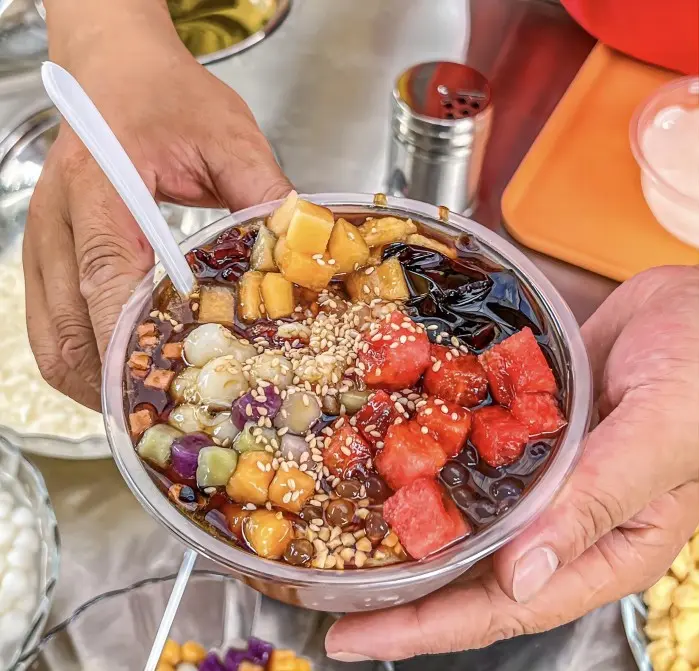
- Yongxing Market (Yongxingfang): A dedicated showcase of Intangible Cultural Heritage foods, gathering regional snacks from all 107 counties across Shaanxi Province into one street.
- Local Night Markets (Dongxinjie, Xiaonanmen, Jianguomen): Where Xi’an locals go for midnight cravings, barbecue, and authentic night culture inside the Ancient City Wall.
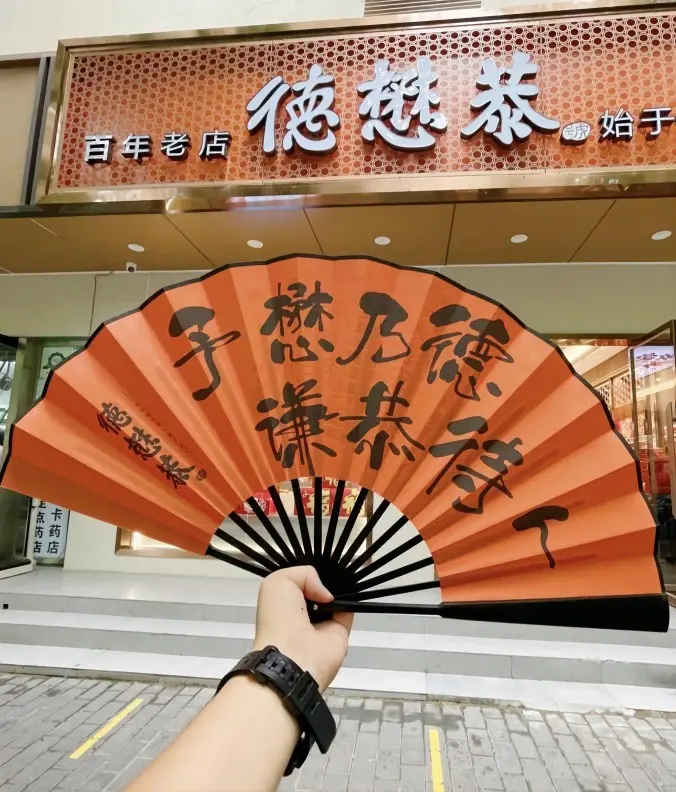
- Historic Heritage Brands (Laozihao): Legendary standalone restaurants like Chunfasheng, Lao Sun Jia, and Tongshengxiang scattered across the city—perfect for a reliable, sit-down local meal wherever you happen to be.
Below is a detailed breakdown of each food hub, followed by 5 common travel scenarios to help you match your time and taste buds.

2. Navigating the 4 Famous Xi’an Food Streets & Districts
① Muslim Quarter (Huifang: Beiyuanmen, Xiyangshi, Dapiyuan, Shajinqiao)
- Location: Northwest of the Bell Tower (walking distance). Shajinqiao is a 5-minute walk from Exit B of Shajinqiao Station (Metro Line 1).
- One-Sentence Summary: Xi’an’s only large-scale Islamic Halal dining district and the birthplace of Paomo, cured beef burgers, and grilled mutton skewers.
- Don’t Just Stay on the Main Street: The crowded cobblestone street directly behind the Drum Tower is Beiyuanmen—just the entrance to the district. The real Muslim Quarter consists of over a dozen interconnected alleyways (Xiyangshi, Dapiyuan, Miaohoujie, Shajinqiao). Prices and crowds on the main street vs. inside the side alleys are two completely different worlds.
- Best For: Travelers wanting authentic Halal food, first-timers eager to try Paomo, and Muslim visitors looking for hassle-free dining options.
- What to Expect: Beiyuanmen (main street) is the most touristy with higher prices and long queues. Side alleys like Dapiyuan, Xiyangshi, and Shajinqiao have a high proportion of locals and serve identical Paomo at noticeably lower prices.
- Best Hours: Active from morning markets till midnight. Breakfast stalls are freshest before 10:00 AM.
Recommended Walking Route: Take Metro Line 2 or 6 to Bell Tower Station. Walk ~5 minutes toward the Drum Tower to enter Beiyuanmen. From there, proceed entirely on foot through Xiyangshi and Dapiyuan, finishing at Shajinqiao. Leave via Exit B of Shajinqiao Metro Station (Line 1) without doubling back. Total walking time is ~20 minutes (excluding eating stops).

② Yongxing Market (Yongxingfang)
- Location: Inside Zhongshan Gate (Xiaodongmen) at the northeast corner of the City Wall. A 10-minute walk from Chaoyangmen Station (Line 1) or a ~15 RMB taxi ride from the Bell Tower.
- One-Sentence Summary: An all-in-one culinary showcase bringing together non-material cultural heritage snacks from all 107 counties across Shaanxi Province.
- Best For: Travelers short on time who want to sample diverse regional flavors in a clean, organized setting without hopping from shop to shop. Great for families with kids.
- What to Expect: A dedicated tourist-oriented market with slightly higher prices than street stalls, but extremely convenient, clean, and requiring zero research. Free admission with no advance reservation required.
- Best Hours: Merchants operate from ~9:30 AM to 10:30 PM. Atmosphere peaks in the evening when lantern lights turn on. Stalls fully open up toward midday.

③ The 3 Local Night Markets (Dongxinjie, Xiaonanmen, Jianguomen Old Market)
All three night markets are located inside the Ancient City Wall (within ~2 km of the Bell Tower), not out in remote suburbs:
- Dongxinjie (Northeast Corner): Located around Jiefang Road and Minleyuan. Xi’an’s classic night market hotspot, famous for barbecue and hotpot tripe (Shuan Niudu).
- Xiaonanmen (Southwest Corner): Along Shuncheng Alley between Hanguang Gate and Zhuque Gate. Features two completely different vibes depending on the time: a bustling morning market from 5:30 AM to 9:30 AM (Youcha Mahua, Zenggao, Hulatang), and a lively late-night food strip after 11:00 PM.
- Jianguomen Old Market (Southeast Corner): Xinyi Alley inside Jianguomen. Fresh vegetable stalls open around 6:00 AM; indoor markets, hip cafes, and craft beer bars stay open late into the night.
- One-Sentence Summary: The raw, authentic dining scene where local residents actually eat—offering the most authentic flavors at unbeatable local prices.
- What to Expect: Zero “tourist trap” vibes, rustic neighborhood settings. Excellent for night skewers, hotpot tripe, and fried jelly (Chao Liangfen), but not meant for polished Instagram-style photos.
Hotel Location Matters: The two largest hotel hubs in Xi’an are around Bell Tower / Drum Tower / Muslim Quarter and Giant Wild Goose Pagoda / Grand Tang Mall. If staying near the Bell Tower, these three night markets are within walking distance or a quick minimum-fare taxi ride. If staying near the Giant Wild Goose Pagoda, they are 4–6 km away (a 15–20 minute taxi ride costing ~15–20 RMB).
④ Standalone Historic Brands (Laozihao)
Unlike the previous three neighborhood hubs, Laozihao are legendary standalone restaurants with multiple locations across the city. You don’t need to make a dedicated trip to a specific street—there is almost certainly one nearby wherever your sightseeing takes you.
- What Problem They Solve: Perfect when you don’t have a whole evening to wander a street market, or when you are already near another attraction and want a quick, authentic local meal without changing your plans.
- Difference from Food Streets: Street markets are for “walking, browsing, and snacking on small bites.” Historic brands are for “ordering a satisfying bowl of noodles and continuing your day.” One offers lively energy; the other offers time-tested culinary craftsmanship.
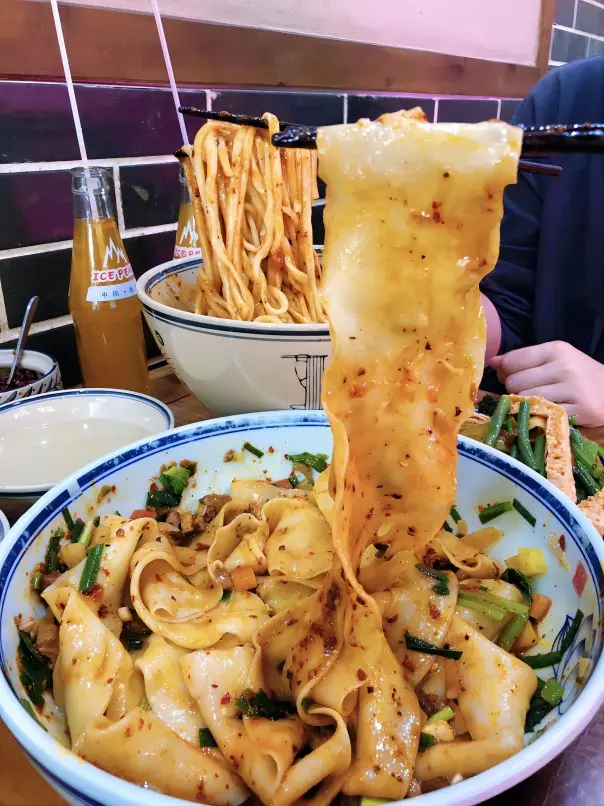
- Types of Dishes Served: Hearty main dishes that locals eat daily—Paomo, Biangbiang Noodles, Hulutou (Pig Intestine Soup), and Shuiben Mutton.
- Iconic Brands: Chunfasheng (renowned for Hulutou), Lao Sun Jia / Tongshengxiang (renowned for Mutton Paomo), and Lao Li Jia (famous for Biangbiang Noodles).

3. Where to Eat in Xi’an Based on Your Travel Itinerary (5 Scenarios)
Scenario A: Spending Only One Night in Xi’an
👉 Visit Yongxing Market in the early evening to enjoy the illuminated street lanterns and regional snacks, then head to Dongxinjie late at night for local barbecue skewers.
Scenario B: Dedicated Foodie Wanting the Ultimate Culinary Tour
👉 Dedicate a full day to China’s “Carb Capital”: explore the Halal specialties in the Muslim Quarter during the morning, sample regional Shaanxi snacks at Yongxing Market in the afternoon/evening, and wrap up with midnight street food at Dongxinjie.
Scenario C: Muslim Travelers Seeking Strict Halal Food
👉 Head straight to the Muslim Quarter—it holds the highest concentration of certified Halal dining in all of Xi’an.
Scenario D: Local Life & Morning Market Enthusiasts
👉 Head to the Xiaonanmen Morning Market early in the morning (5:30 AM–9:30 AM) or wander through Jianguomen Old Market to experience genuine local daily life.
Scenario E: Tight Schedule / Located Far from Food Streets
👉 Simply drop into a nearby Historic Brand (Laozihao), order a bowl of Paomo or Biangbiang noodles, and enjoy a high-quality local meal without altering your itinerary.
4. Crucial Tips & Pitfalls when Exploring Xi’an Food Streets
- Know the Difference Between Halal and Non-Halal: Pork dishes—such as Hulutou Paomo and Han-style Laji Roujiamo—cannot be found inside the Muslim Quarter; you must look for them in Han Chinese dining areas outside the Quarter. Conversely, for certified Halal food, the Muslim Quarter is your go-to destination.
- Don’t Mix Up Morning Market and Night Market Timings: Xiaonanmen operates as a breakfast/produce market in the early morning and transforms into a barbecue hub late at night. Yongxing Market’s stalls are not fully open until around midday. Arriving at the wrong hour means seeing a completely different street!
5. Quick Summary: Where to Eat in Xi’an for First-Timers
In summary, exploring Xi’an food streets is all about picking the right spot for the right mood: head to the Muslim Quarter for authentic Halal specialties and Mutton Paomo; visit Yongxing Market to sample regional Shaanxi snacks in one organized space; dive into local Night Markets for authentic midnight street vibe; and stop by Historic Brands (Laozihao) for a reliable, hearty sit-down meal on the go.
Coming up next in our Xi’an Food Series: We will break down each of these 4 food hubs individually—what to order, how to eat like a local, optimal visiting times, and exact traps to avoid!